Zhongshan Smart Scoreboard Export: SASO Energy Testing Update
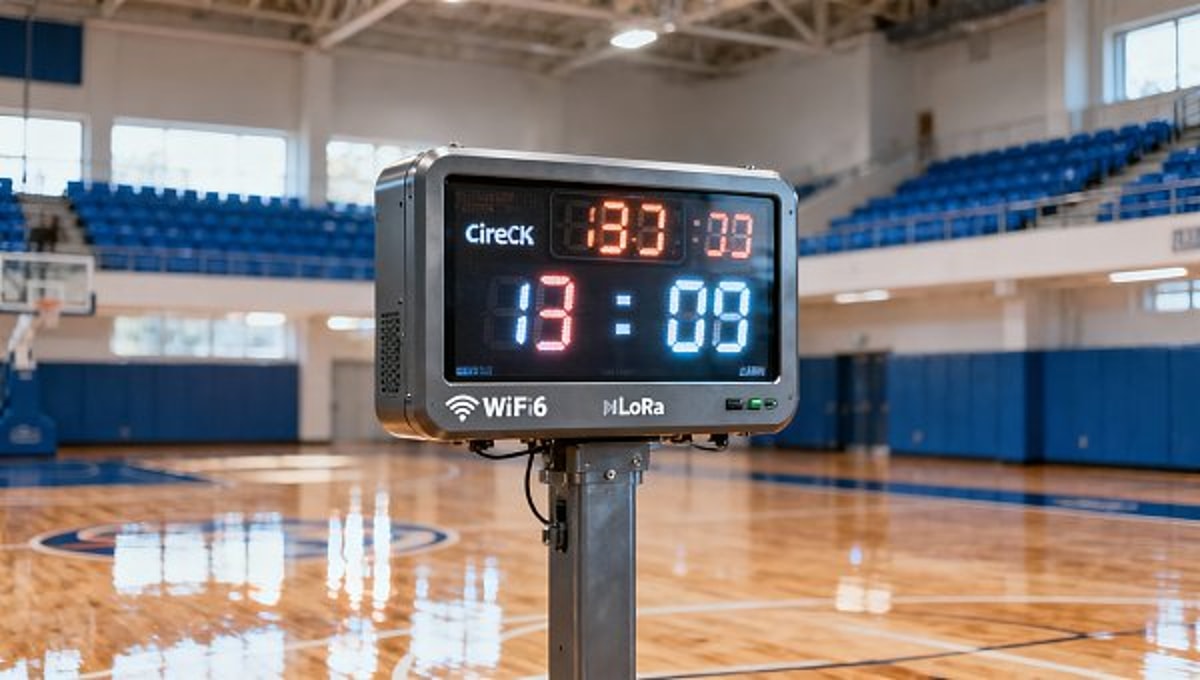
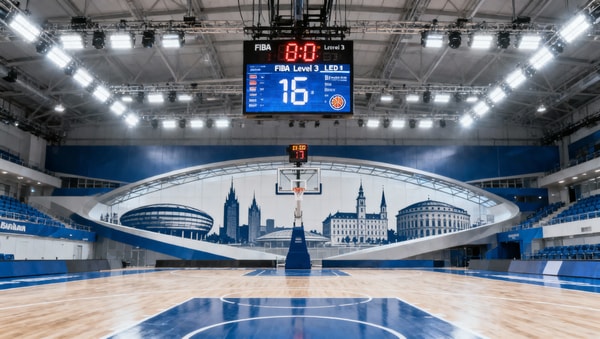
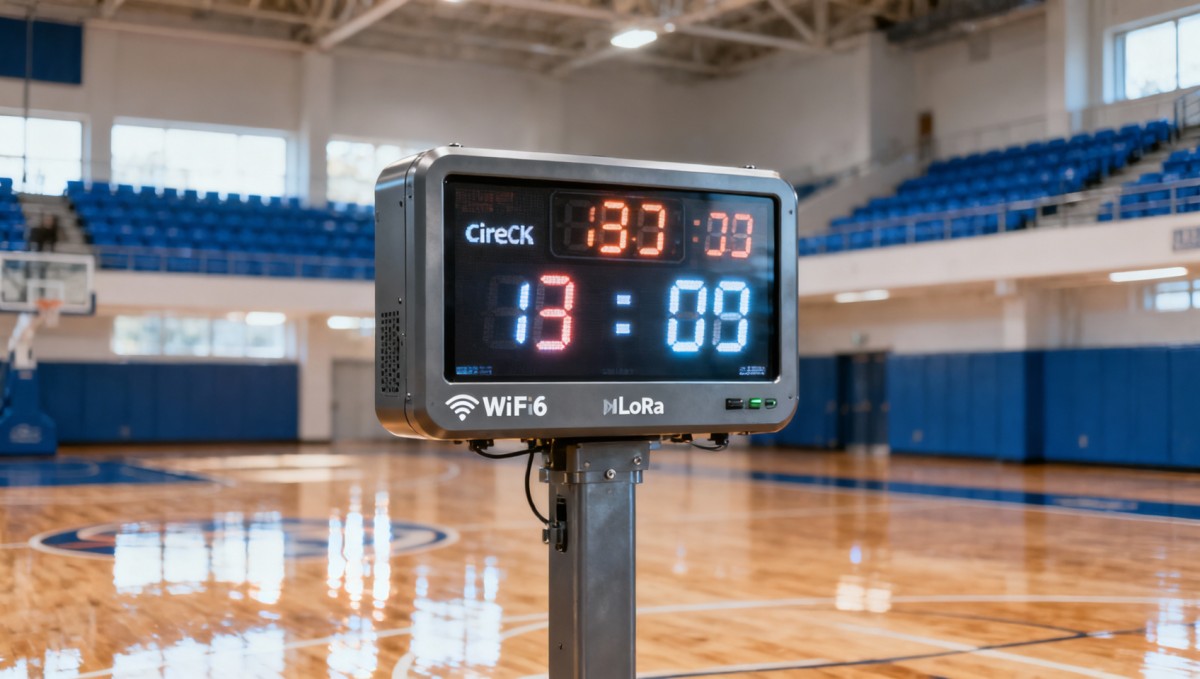
On May 2, 2026, a domestically developed commercial smart scoreboard — deployed during Zhongshan’s away win against Zhaoqing in the Guangdong Basketball Association (GBA) Western Division — drew attention from Saudi importers. The device, featuring Wi-Fi 6 and LoRa dual-mode transmission, triggered new compliance considerations for exporters targeting the Middle East, particularly Saudi Arabia. This development signals implications for manufacturers, exporters, and certification service providers engaged in intelligent sports equipment, energy-efficient electronics, and regulated consumer electronics exports to Gulf Cooperation Council (GCC) markets.
Event Overview
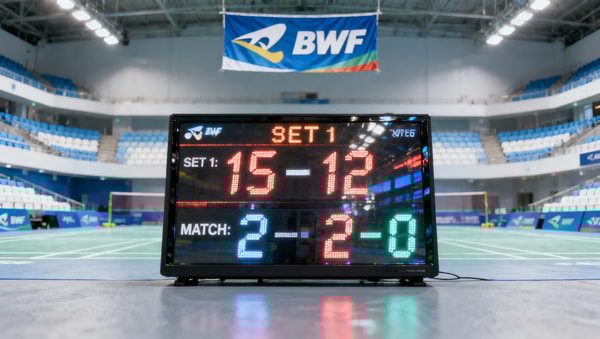
On May 2, 2026, Zhongshan secured its sixth consecutive victory in the Guangdong Basketball Association (GBA) Western Division, defeating Zhaoqing in an away match. The game featured a Chinese-made commercial smart scoring display with Wi-Fi 6 and LoRa dual-mode wireless transmission. Following the match, Saudi procurement representatives expressed interest in the product. Separately, the Saudi Standards, Metrology and Quality Organization (SASO) issued Amendment 2 to SASO IEC 62368-1:2025, introducing a new requirement: standby power consumption ≤0.5 W. Multiple Middle Eastern importers have since requested that Chinese suppliers submit supplementary energy efficiency test reports and affix Arabic-language energy labels.
Which Subsectors Are Affected
Direct Exporters of Intelligent Sports Equipment
These companies face immediate compliance pressure when shipping to Saudi Arabia. The new SASO amendment applies directly to powered electronic displays used in public or commercial settings — including scoreboards, digital signage, and interactive kiosks. Affected exporters must now verify whether their existing test reports cover standby power under the updated standard, and whether labeling meets Arabic language and layout requirements per SASO regulations.
Electronics Manufacturers (OEM/ODM)
Manufacturers supplying smart display modules or full-system assemblies to export brands may need design or firmware revisions to meet the ≤0.5 W standby power threshold. This affects power management circuitry, sleep-mode logic, and component selection — especially for devices previously certified only to older editions of IEC 62368-1 or regional equivalents.
Certification & Compliance Service Providers
Laboratories and conformity assessment bodies accredited for SASO certification must confirm whether their current test protocols include measurement of standby power under the conditions defined in Amendment 2. Some may require equipment upgrades or method validation to issue valid reports post-amendment.
What Relevant Companies or Practitioners Should Focus On Now
Monitor Official SASO Updates and Interpretive Guidance
Analysis shows SASO has not yet published transitional timelines or enforcement dates for Amendment 2. Exporters should track official SASO notices and consult authorized local representatives for clarification on applicability scope — e.g., whether the rule covers battery-powered units or only mains-connected devices.
Identify High-Risk Product Categories and Markets
Observably, smart displays with always-on connectivity (e.g., Wi-Fi 6, LoRa gateways), remote monitoring features, or auxiliary power supplies are most likely to exceed the 0.5 W limit. Exporters serving Saudi Arabia, UAE, and other GCC countries adopting harmonized IEC 62368-1 implementations should prioritize review of these models first.
Distinguish Between Regulatory Signal and Operational Requirement
The current request from Middle Eastern importers reflects market-driven anticipation — not yet mandatory SASO enforcement. From industry perspective, this signals growing buyer-side risk mitigation behavior. Suppliers should treat it as a pre-compliance signal rather than confirmed regulatory obligation until SASO publishes formal implementation guidance.
Prepare Documentation and Labeling Assets Proactively
Current more suitable action includes compiling technical documentation for standby power testing (e.g., schematics, firmware version logs, test setup photos), engaging labs for preliminary verification, and drafting bilingual (English–Arabic) energy label templates aligned with SASO SBC 2047:2022 formatting rules — even before final test reports are issued.
Editorial Observation / Industry Perspective
This incident is better understood as an early-market ripple rather than an immediate regulatory inflection point. Analysis shows the convergence of a visible field deployment (Zhongshan’s scoreboard), regional procurement interest, and a recently published but not yet enforced amendment — creating a real-time test case for how global standards updates propagate through supply chains. It highlights how localized sporting infrastructure upgrades can catalyze downstream compliance awareness across export-oriented electronics sectors. Observably, such events often precede broader adoption of stricter energy limits in other GCC markets — making them valuable leading indicators for compliance planning.
Conclusion:
This event underscores that energy efficiency requirements for commercial electronic displays are tightening incrementally in key export markets — not just for household appliances, but also for specialized B2B equipment. It does not represent an immediate ban or recall trigger, but rather a signal that standby power performance is entering the scope of due diligence for regulated electronics in the Middle East. Current interpretation should focus on preparedness, not panic: verification readiness, documentation hygiene, and selective engagement with accredited labs are more appropriate responses than broad product redesigns at this stage.
Information Sources:
- SASO IEC 62368-1:2025 Amendment 2 (official publication, May 2026)
- Public match report: Guangdong Basketball Association, May 2, 2026
- Unconfirmed importer communications — subject to ongoing verification
Search News
Hot Articles
- Pro Stage AudioPremier League Fan Screen Export: FCC/ISED Dual Testing DelayMay 03, 2026
- Indoor PlaygroundCBA Game Triggers SASO 5853 Acoustic Certification Demand for Smart Basketball FloorsMay 03, 2026
- Hotel Room AmenitiesAC Milan’s Smart Locker Room Procurement Triggers UNI 11743 Compliance ReviewMay 03, 2026
Popular Tags
Need ExpertConsultation?
Connect with our specialized leisureengineering team for procurementstrategies.
Recommended News
 May 03, 2026Premier League Fan Screen Export: FCC/ISED Dual Testing DelayPremier League Fan Screen Export: FCC/ISED dual testing delay hits Wi-Fi 6E + UWB stadium displays—learn how smart hardware exporters can navigate compliance friction before next big match.● Pro Audio Engineer
 May 03, 2026Zhongshan Smart Scoreboard Export: SASO Energy Testing UpdateZhongshan smart scoreboard export update: SASO energy testing now requires ≤0.5W standby power — critical for sports electronics exporters targeting Saudi Arabia & GCC markets.● Pro Audio Engineer
 May 03, 2026Yunnan Yukuin vs. Beijing Guoan: LED Stadium Systems Demand EU Re-TestingLED stadium systems demand EU re-testing after Yunnan Yukuin vs. Beijing Guoan match—urgent CE+UKCA & IP66 condensation data needed for export compliance.● Pro Audio Engineer
 May 02, 2026London Table Tennis World Championships: Smart Table Delivery Window Tightens to 10 Working DaysLondon Table Tennis World Championships: Smart table import window tightens to 10 working days—act now to meet UKCA & BS EN 14904:2021 deadlines.● Pro Audio Engineer
 May 01, 2026FIFA Clears Iran for 2026 World Cup: Demand Rises for Multilingual Fan Screens in US, Mexico, CanadaMultilingual fan screens surge as FIFA clears Iran for 2026 World Cup—URGENT demand for Persian-enabled, FCC/UL-certified LED displays in US, Mexico, Canada fan zones.● Pro Audio Engineer
 May 01, 2026China Men's Basketball Warm-ups in Hangzhou Drive LED Court System Export DemandChina Men's Basketball Hangzhou warm-ups fuel global demand for FIBA-certified LED court systems—urgent export opportunities for compliant suppliers in SEA & Eastern Europe.● Pro Audio Engineer
 Apr 30, 2026China's LED Scoreboard Passes BWF 2026 Standards at Thomas CupChina's LED scoreboard meets BWF 2026 standards — certified for Thomas Cup, multilingual display & anti-glare tech. Discover what it means for your venue.● Pro Audio Engineer
 Apr 30, 2026Soundproofing materials that work better than thicker wallsSoundproofing materials that outperform thicker walls: compare damping, absorption, and decoupling options to cut noise, save space, and improve commercial acoustic results.● Pro Audio Engineer
 Apr 30, 2026How to compare microphone systems for different room sizesMicrophone systems compared by room size: learn how to evaluate pickup, coverage, DSP, and RF stability for small, medium, and large spaces to choose smarter, lower-risk solutions.● Pro Audio Engineer
 Apr 30, 2026Live sound equipment failures that usually start at setupLive sound equipment failures often begin at setup. Learn the early warning signs, key risk points, and smart sourcing tips to prevent costly audio issues.● Pro Audio Engineer
 Apr 30, 2026Recording studio gear upgrades that matter more than price tagsRecording studio gear upgrades that matter most aren’t always expensive. Learn how acoustics, monitoring, interfaces, and workflow tools deliver better sound, efficiency, and ROI.● Pro Audio Engineer
 Apr 30, 2026Commercial sound systems and the hidden cost of poor coverageCommercial sound systems with poor coverage can raise hidden costs, hurt clarity, and damage customer experience. Learn how to evaluate smarter solutions before buying.● Pro Audio Engineer
 Apr 29, 2026Kenya Marathon Record Break Sparks Demand for Racing Sensor ChipsRacing sensor chips surge in demand after Kenya's marathon record—RFID+UWB fusion modules with IP68, –20°C–60°C & ISO/IEC 18000-63 compliance now sought globally.● Pro Audio Engineer
 Apr 28, 2026Kenyan Marathon WR Break Drives Demand for Timing Chips & Track SensorsTiming chips & track sensors surge after Kenyan marathon WR—discover how UWB+BLE timing tech, EN compliance, and −20°C sensor resilience drive global demand.● Pro Audio Engineer
 Apr 27, 2026BWF Adopts 15-Point Scoring System from Jan 2027BWF 15-point scoring system (2027) drives urgent firmware, UI & AI replay upgrades for LED displays, broadcast tech & venue integrators—act now.● Pro Audio Engineer
 Apr 26, 2026BYD Confirms F1 Entry Talks: China’s Racing Electronics & Carbon Fiber Export Window OpensBYD’s F1 entry talks open China’s racing electronics & carbon fiber export window—FIA-certified sensors, composites & data systems in demand.● Pro Audio Engineer
 Apr 25, 2026Fan Zhendong Promotes Chinese AI Ping-Pong Table in Silicon ValleyAI ping-pong table by Fan Zhendong & MLTT debuts in Silicon Valley—smart sports hardware meets edge AI, radar tracking & coaching analytics. Discover the future of table tennis tech.● Pro Audio Engineer
 Apr 24, 2026FIFA Adopts Chinese Mini-LED Displays for 2026 World Cup VAR SystemFIFA adopts Chinese Mini-LED displays for 2026 World Cup VAR—ultra-low latency (≤3ms), 1500+ nits, FIFA TMS 4.2 certified. Game-changing for sports tech suppliers.● Pro Audio Engineer
 Apr 24, 2026Fan Zhendong Visits Silicon Valley as MLTT Investor, AI Ping-Pong Tech Draws US InterestAI ping-pong tech: Fan Zhendong’s MLTT-backed smart table & coaching system draws US youth training interest—edge AI, radar sensing, pilot orders inbound.● Pro Audio Engineer
 Apr 24, 2026FIBA Women's World Cup 2026 Draw: China in 'Group of Death', Lighting & Timing Systems Export Window OpensFIBA Women's World Cup 2026 draw sparks global demand for FIBA Level 3–certified LED lighting & timing systems—act now to qualify.● Pro Audio Engineer
 Apr 23, 2026China Upgrades Security Compliance for International Sports EventsChina mandates ISO 22301 business continuity planning for venues hosting international sports events—key for stadium tech, ops, and compliance providers.● Pro Audio Engineer
 Apr 22, 2026China's UWB Timing System Gains ITU Certification at Haiwan EventChina's UWB timing system wins ITU-T Y.3506 certification—key for sports tech exporters targeting GCC & SADC stadium tenders.● Pro Audio Engineer
 Apr 24, 2026Music Production Tools That Save Setup TimeMusic production tools that save setup time help venues and studios deploy faster. Learn smart sourcing for hospitality procurement, hotel sofas, and playground planning.● Pro Audio Engineer
 Apr 24, 2026Best Music Production Tools for Small StudiosMusic production tools for small studios: compare scalable setups, sourcing tips, and smart procurement for hospitality procurement, hotel room furniture, and playground planning projects.● Pro Audio Engineer