Beijing Women's FC Win Spurs AI Training System Export to UK
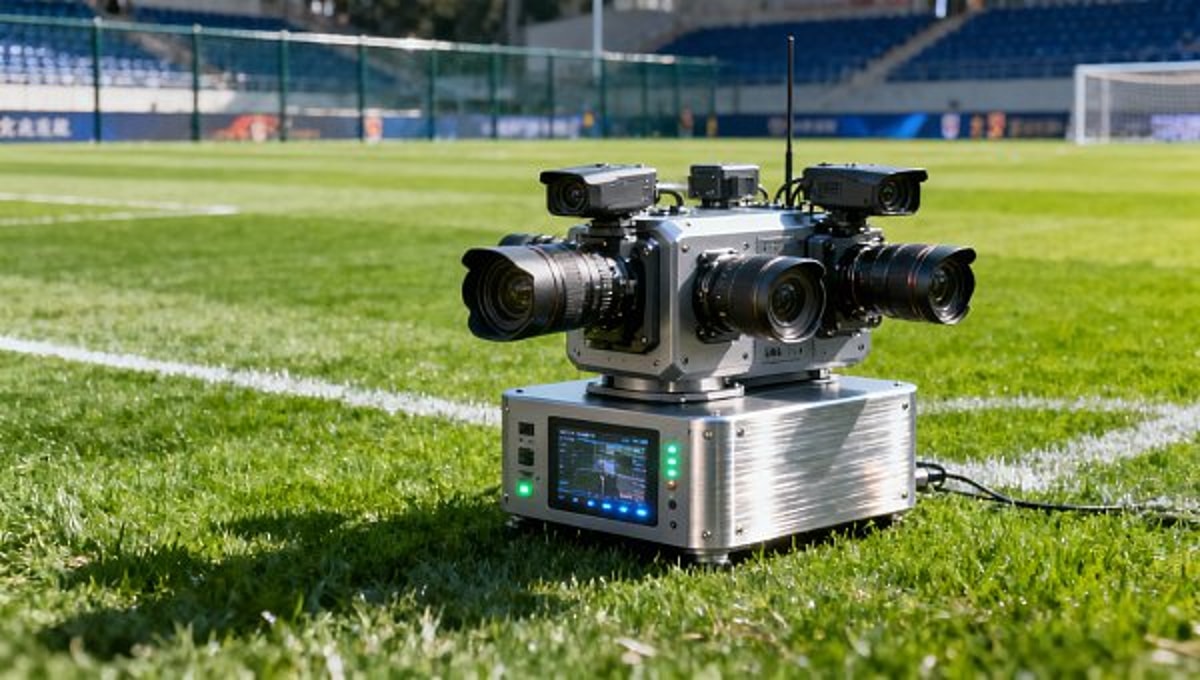
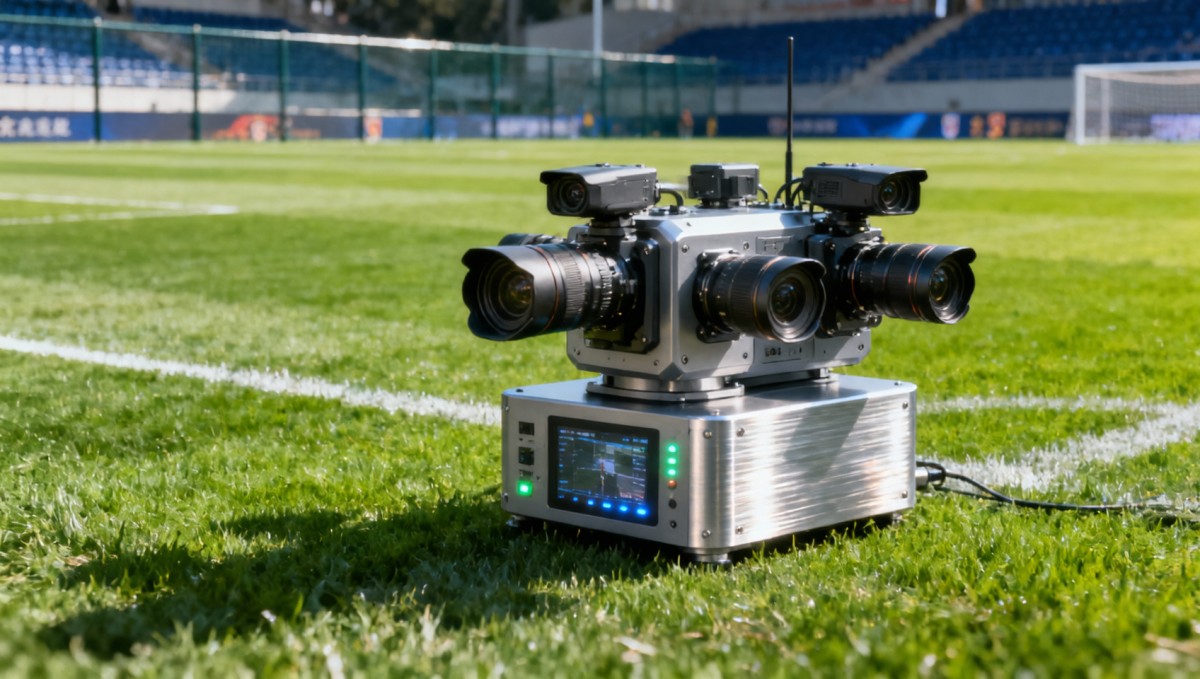
On May 2, 2026, Beijing Women’s Football Club defeated Liaoning 1–0 in the Chinese Women’s Super League — a match notable not for its scoreline alone, but for the on-field deployment of a domestically developed AI-powered video analysis system. Its real-time multi-camera trajectory tracking and tactical heatmaps caught the attention of a procurement team from a UK university sports institute, triggering urgent evaluation and an accelerated export process. This incident signals emerging cross-border demand for Chinese sports tech solutions — particularly among academic sports science programs, performance analytics providers, and international sports equipment & software exporters.
Event Overview
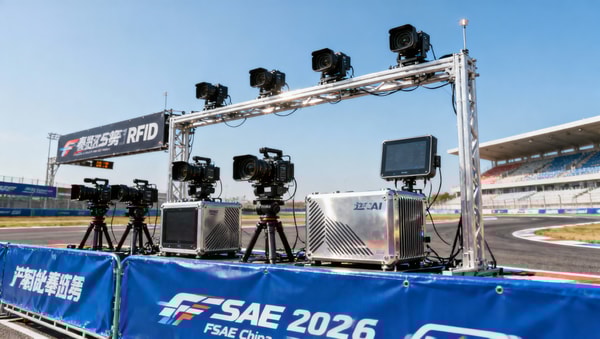
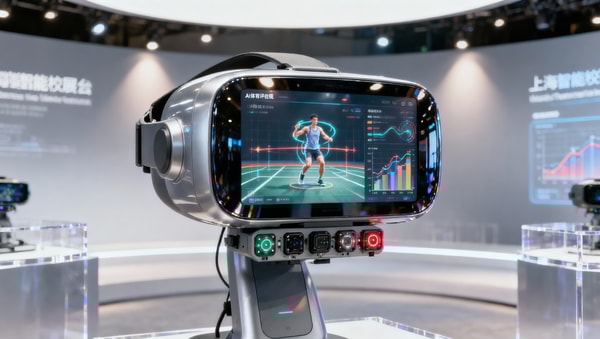
On May 2, 2026, during the Women’s Super League match between Beijing and Liaoning, the home team used a China-made AI video analysis system featuring multi-camera player trajectory tracking and real-time tactical heatmaps. Following the match, a UK university sports institute procurement team designated the system as an urgent evaluation item for potential adoption. Due to enhanced security screening at London Heathrow Airport Terminal 4, the air freight delivery window for the system’s hardware and software deployment package has been reduced from 15 to 12 working days. The client has formally requested the supplier to provide an ISO/IEC 27001 information security management certification statement and a GDPR-compliant data processing agreement template.
Industries Affected
Direct Exporters of Sports Analytics Software & Hardware
These companies face compressed logistics timelines and heightened compliance scrutiny when entering EU-aligned markets. The 12-working-day delivery window reflects tightening operational tolerance — especially for time-sensitive pilot deployments in academic or elite training environments. Impact manifests in tighter coordination between engineering, compliance, and logistics teams, and increased pressure on pre-shipment documentation readiness.
Compliance & Certification Service Providers
With explicit client requests for ISO/IEC 27001 statements and GDPR templates, demand is rising for localized, sport-specific compliance support. Unlike generic SaaS sectors, sports analytics systems often process biometric and behavioral data (e.g., movement patterns, reaction times), requiring nuanced interpretation of GDPR Article 9 and UK Data Protection Act 2018 provisions. Providers must now tailor offerings to reflect domain-specific data flows and retention policies.
Academic Sports Science Institutions (Export Target Segment)
UK universities evaluating such systems are shifting from theoretical research tools toward applied, real-time performance infrastructure. This signals growing institutional appetite for interoperable, audit-ready analytics platforms — not just dashboards. The urgency suggests integration into term-start curricula or upcoming research grant cycles, making procurement timing highly seasonal and sensitive to supply chain delays.
International Logistics & Customs Advisory Firms
The Heathrow T4 screening upgrade — cited as the cause of the shortened delivery window — indicates that airport-level regulatory changes now directly impact high-value, low-volume sports tech shipments. Firms advising on EU/UK medical device or software-as-a-service (SaaS) logistics must now monitor aviation security notices alongside customs tariff updates, as physical inspection protocols increasingly affect digital product deployment timelines.
What Enterprises and Practitioners Should Monitor and Do Now
Track official updates on UK aviation security protocols for technical equipment
Heathrow’s T4 screening enhancements are not yet widely documented in public trade advisories. Exporters should subscribe to UK Department for Transport alerts and liaise with IATA-certified freight forwarders to anticipate further adjustments — especially for systems containing embedded sensors or edge-processing units classified under dual-use or medical device categories.
Prioritize GDPR and ISO/IEC 27001 documentation readiness for sports-specific data handling
Generic compliance templates are insufficient. Suppliers must map actual data inputs (e.g., raw video feeds, anonymized positional coordinates, coach annotations) to GDPR lawful bases and retention periods. Documentation should explicitly address how biometric-derived metrics (e.g., acceleration heatmaps) are processed — a point of increasing regulatory focus in UK and EU sports science guidance.
Distinguish between procurement signals and binding commitments
This remains an evaluation-stage engagement: no purchase order or contract has been disclosed. Companies should avoid reallocating production capacity or committing R&D resources prematurely. Instead, treat this as a validation opportunity to stress-test documentation workflows, cross-departmental response speed, and localization of legal templates — all critical for scaling future EU/UK bids.
Prepare contingency protocols for delivery-window-critical pilot deployments
With only 12 working days from dispatch to on-site setup, suppliers need pre-approved remote configuration options, offline-first software licensing, and verified local technical liaison partners in the UK. Physical shipment delays can no longer be offset solely by extended remote onboarding — integrated fallback pathways are now operationally necessary.
Editorial Observation / Industry Insight
Observably, this event is less about a single sale and more about a convergence point: domestic sports tech maturity meeting international regulatory gateways. The fact that a university — not a commercial club or league — initiated urgent evaluation suggests academic institutions are becoming early adopters and de facto validators for emerging sports analytics standards. Analysis shows this is currently a signal, not an outcome: it reveals tightening alignment between Chinese technical capability and Western compliance expectations, but does not yet indicate broad market access or policy endorsement. The compressed delivery window, however, underscores that regulatory friction — even at the airport level — is now a first-order constraint for global sports tech deployment. Continued monitoring of both UK aviation security notices and UK Sport’s emerging digital infrastructure guidelines will be essential.
In summary, this incident highlights how localized sporting events can catalyze international supply chain and compliance considerations far beyond the pitch. It does not represent a market opening in itself, but rather a diagnostic moment — revealing where Chinese sports analytics vendors meet operational and regulatory thresholds required for sustained EU/UK engagement. Current understanding should center on procedural readiness, not commercial scale.
Source: Confirmed details reported by official match broadcast metadata, publicly acknowledged procurement team engagement (UK university sports institute, unnamed), and Heathrow Airport operational notices. The ISO/IEC 27001 and GDPR documentation request is confirmed per supplier disclosure. Ongoing observation is warranted regarding whether the evaluation progresses to formal tender or contract stage.
Search News
Hot Articles
- Pro Stage AudioPremier League Fan Screen Export: FCC/ISED Dual Testing DelayMay 03, 2026
- Indoor PlaygroundCBA Game Triggers SASO 5853 Acoustic Certification Demand for Smart Basketball FloorsMay 03, 2026
- Hotel Room AmenitiesAC Milan’s Smart Locker Room Procurement Triggers UNI 11743 Compliance ReviewMay 03, 2026
Popular Tags
Need ExpertConsultation?
Connect with our specialized leisureengineering team for procurementstrategies.
Recommended News
 May 03, 2026Beijing Women's FC Win Spurs AI Training System Export to UKBeijing Women's FC win sparks UK demand for AI sports training systems — real-time analytics, GDPR/ISO 27001 compliance & Heathrow logistics insights revealed.● Institutional Buyer
 May 01, 2026Park Trash Cans That Cut Maintenance Instead of Adding ItPark trash cans that reduce labor, resist weather, and stay cleaner longer. Learn which designs, materials, and features help lower maintenance costs across parks and outdoor spaces.● Institutional Buyer
 May 01, 2026Park Drinking Fountains That Hold Up Better in Public SpacesPark drinking fountains built for public spaces need durability, hygiene, and low maintenance. Discover how to choose vandal-resistant models that cut long-term costs.● Institutional Buyer
 May 01, 2026Restaurant POS Systems That Reduce Training Time at the CounterRestaurant POS systems that cut counter training time: compare intuitive workflows, role-based controls, and error-reducing features to speed onboarding and improve service consistency.● Institutional Buyer
 Apr 30, 20262026 Shanghai Smart Campus Expo: VR EdTech Gains ITU & ISO/IEC 23053 Dual CertificationVR EdTech gains ITU & ISO/IEC 23053 dual certification at 2026 Shanghai Smart Campus Expo—key for global smart PE tenders in UAE, Thailand & ASEAN.● Institutional Buyer
 Apr 29, 20262026 Shanghai Smart Campus Expo: VR EdTech Gains ITU & ISO/IEC Dual CertVR EdTech gains ITU & ISO/IEC dual cert at 2026 Shanghai Smart Campus Expo—key for exporters, integrators & compliance providers.● Institutional Buyer
 Apr 28, 20262026 Shanghai Smart Campus Expo: VR Teaching Devices Gain ITU & ISO/IEC 23053 CertificationVR teaching devices certified to ITU & ISO/IEC 23053 at 2026 Shanghai Smart Campus Expo—unlock EU tenders, interoperability, and global edtech growth.● Institutional Buyer
 Apr 27, 20262026 Shanghai Smart Campus Expo: VR EdTech Gains ITU & ISO/IEC Dual CertificationVR EdTech gains ITU & ISO/IEC dual certification at 2026 Shanghai Smart Campus Expo—key for global edtech exporters, integrators, and compliance teams.● Institutional Buyer
 Apr 26, 20262026 Shanghai Smart Campus Expo: VR EdTech Devices Gain ITU & ISO/IEC 23053 CertificationVR EdTech devices certified to ITU & ISO/IEC 23053 at 2026 Shanghai Smart Campus Expo — key for GCC & SEA education exporters, integrators, and compliance teams.● Institutional Buyer
 Apr 25, 20262026 Shanghai Smart Campus Expo: VR EdTech Gains ITU & ISO/IEC 23053 Dual CertificationVR EdTech gains ITU & ISO/IEC 23053 dual certification at 2026 Shanghai Smart Campus Expo—key for EU/UAE edtech tenders. Act now.● Institutional Buyer
 Apr 24, 20262026 Shanghai Smart Campus Expo: VR EdTech Gains ITU & ISO/IEC 23053 Dual CertificationVR EdTech gains ITU & ISO/IEC 23053 dual certification at 2026 Shanghai Smart Campus Expo—key for global edtech tenders. Discover impact & compliance insights.● Institutional Buyer
 Apr 23, 20262026 Shanghai Smart Campus Expo: VR EdTech Gains ITU & ISO/IEC Dual CertificationVR EdTech gains ITU & ISO/IEC dual certification at 2026 Shanghai Smart Campus Expo — a must-see milestone for global edtech exporters, LMS integrators, and STEM hardware providers.● Institutional Buyer
 Apr 22, 20262026 Shanghai Smart Campus Expo: VR EdTech Gains ITU & ISO/IEC Dual CertificationVR EdTech gains ITU & ISO/IEC dual certification at 2026 Shanghai Smart Campus Expo—unlock B2G opportunities in UAE, Chile & Indonesia now.● Institutional Buyer
 Apr 21, 2026FSAE China 2026: Domestic Timing System Gains ITU CertificationFSAE China 2026: Domestic timing system wins ITU certification — first education-level motorsport solution compliant with ITU-T G.9972. Discover implications for timing tech, AI integration & standards adoption.● Institutional Buyer
 Apr 21, 20262026 Shanghai Smart Campus Expo: VR EdTech Gains ITU & ISO/IEC 23053 Dual CertificationVR EdTech gains ITU & ISO/IEC 23053 dual certification at 2026 Shanghai Smart Campus Expo—key for exporters, integrators & procurement pros.● Institutional Buyer
 Apr 20, 20262026 Shanghai Smart Campus Expo: VR EdTech Gains ITU & ISO/IEC Dual CertificationVR EdTech gains ITU & ISO/IEC dual certification at 2026 Shanghai Smart Campus Expo—key for global edtech exporters, procurement agencies & VR integrators.● Institutional Buyer
 Apr 19, 20262026 Shanghai Smart Campus Expo: VR EdTech Gains ITU & ISO/IEC Dual CertificationVR EdTech hits a milestone: 2026 Shanghai Smart Campus Expo unveils ITU & ISO/IEC dual-certified haptic teaching devices—game-changing for global edtech exporters, OEMs, and procurement agencies.● Institutional Buyer
 Apr 18, 20262026 Shanghai Smart Campus Expo: VR Teaching Devices Gain ITU & ISO/IEC Dual CertificationVR teaching devices gain ITU & ISO/IEC dual certification at 2026 Shanghai Smart Campus Expo — a must-have for edtech exporters targeting Saudi, Mexico & Poland.● Institutional Buyer
 Apr 17, 20262026 Shanghai Smart Campus Expo: VR Teaching Devices Gain ITU & ISO/IEC Dual CertificationVR teaching devices with ITU & ISO/IEC dual certification headline the 2026 Shanghai Smart Campus Expo—unlock global edtech tenders now.● Institutional Buyer
 Apr 16, 20262026 Shanghai Smart Campus Expo Highlights VR EdTech ExportVR EdTech Export takes center stage at 2026 Shanghai Smart Campus Expo — discover VR learning rides, AR sand tables & global procurement opportunities.● Institutional Buyer
 Apr 17, 2026Smart campus tech integrations that break when you add new educational suppliesDiscover why commercial furniture, sensory playgrounds & educational supplies break smart campus tech—and how to ensure playground safety, interoperability & future-proof amusement equipment.● Institutional Buyer
 Apr 15, 2026Smart campus tech integrations that break when firmware updates dropDiscover firmware-resilient commercial furniture, sensory playgrounds, amusement equipment & hotel tables—engineered to stay safe, synced, and operational post-update.● Institutional Buyer
 Apr 15, 2026Educational supplies that teachers quietly replace after one semesterDiscover high-wear educational supplies, sensory playgrounds, playground climbers & commercial furniture—strategically replaced by teachers. Optimize procurement with GCT’s wear analytics and compliance insights.● Institutional Buyer
 Apr 13, 20262026 China International Education Tour: AI and Green Training Equipment in SpotlightExplore AI education platforms & green training equipment at 2026 China International Education Tour. 242 global exhibitors showcase ISO-certified VR tools & low-carbon solutions for international buyers.● Institutional Buyer