What hotels often miss when sourcing illuminated makeup mirrors
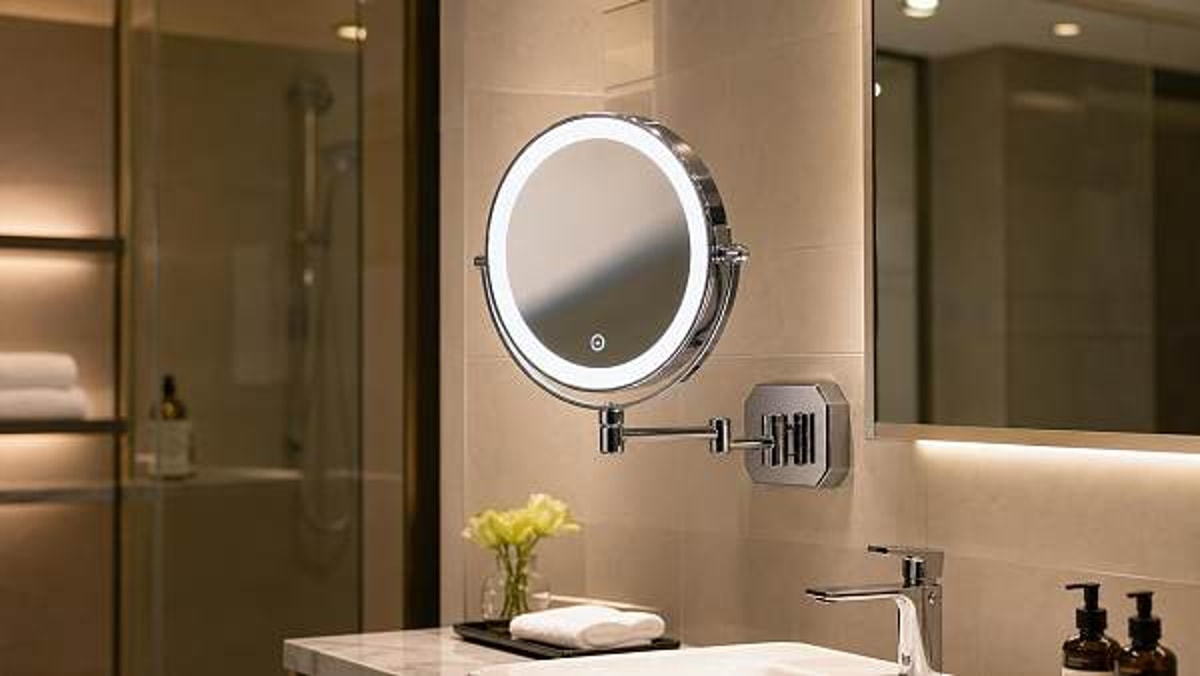
When sourcing illuminated makeup mirrors hotel buyers often focus on unit price and finish, but overlook the details that shape guest satisfaction, maintenance efficiency, and long-term brand value. From lighting accuracy and anti-fog performance to safety compliance and installation flexibility, small specification gaps can create costly problems. This guide highlights what procurement teams should evaluate before making a commercial purchasing decision.
Why scenario differences matter more than the catalog description
For procurement teams, illuminated makeup mirrors hotel projects rarely fail because the product looks unattractive in a brochure. Problems usually appear after installation, when a mirror performs differently across room types, climates, guest profiles, and maintenance routines. A boutique city hotel, a five-star resort, an airport business property, and an extended-stay brand may all buy illuminated mirrors, but their operational realities are not the same.
That is why scenario-based sourcing matters. The right decision is not simply choosing a mirror with LED lighting and a polished frame. It is matching lighting quality, magnification, mounting style, corrosion resistance, electrical safety, spare parts availability, and cleaning practicality to the actual use case. In the world of illuminated makeup mirrors hotel purchasing, the hidden cost is often not the invoice price. It is replacement labor, guest complaints, maintenance calls, inconsistent room standards, and poor alignment with brand positioning.
Commercial buyers should therefore assess mirrors as part of the guest-room ecosystem: vanity lighting, bathroom humidity, housekeeping workflow, wall construction, energy goals, and visual identity. This is especially important for hotels managing multi-property rollouts or refurbishment programs where one weak specification can multiply across hundreds of rooms.
Where illuminated makeup mirrors hotel applications differ most
The same mirror does not suit every hospitality setting. Before comparing suppliers, buyers should define the primary operating scenario.
This comparison shows why illuminated makeup mirrors hotel sourcing should start with context, not product aesthetics alone. Procurement managers who define the operating scenario early can narrow specifications faster and avoid rework later.
Scenario 1: Luxury and upscale hotels need more than decorative lighting
In premium properties, guests expect mirrors to support grooming, makeup application, and shaving with precision. Here, lighting quality matters more than the simple presence of LEDs. Buyers should check color temperature consistency, color rendering, glare control, and shadow reduction. A mirror that looks bright but distorts skin tone can quickly weaken perceived room quality.
For this scenario, finish quality also deserves close review. Chrome, brushed nickel, matte black, champagne gold, and custom PVD finishes may all work, but they must match the broader bathroom hardware package. Luxury buyers often overlook whether the supplier can maintain finish consistency across different batches, which becomes critical in phased rollouts or replacement orders.
Another missed point is movement stability. If the arm extension feels loose or the swivel mechanism weakens after repeated guest use, the mirror immediately feels cheap, even if the visual design is elegant. Ask for cycle testing data, hospitality references, and details on hinge construction. In premium applications, tactile quality is part of the brand experience.
Scenario 2: Resort, spa, and coastal projects should prioritize environment resistance
Resort procurement teams often invest heavily in visual appeal while underestimating environmental exposure. In humid bathrooms, spa-adjacent suites, and coastal destinations, illuminated makeup mirrors hotel installations face constant moisture, cleaning chemicals, and in some cases salt-laden air. This changes the sourcing logic completely.
The right questions include whether the mirror housing resists corrosion, whether anti-fog performance is reliable, whether seals protect the internal LED components, and whether the finish has been validated for high-humidity conditions. Stainless steel grade, plating quality, and ingress protection become more meaningful than trendy styling details alone.
Housekeeping compatibility is another practical issue. Some mirrors collect residue around touch sensors, joints, or decorative edges, making daily cleaning slower. In a high-turnover resort environment, even a small maintenance burden scales quickly. Buyers should request cleaning guidance and examine whether mirror geometry supports fast wipe-down routines without trapping moisture.
Scenario 3: Business hotels need standardization and low-friction maintenance
For business and midscale hotel groups, the most successful illuminated makeup mirrors hotel strategy is often not the most feature-rich one. It is the one that balances guest usability with standardization. Procurement teams in this segment should prioritize dependable illumination, robust wall mounting, easy replacement parts, and stable lead times across multiple properties.
One frequent mistake is choosing a mirror that looks premium in a sample room but creates service complexity across a chain. If replacement drivers, switches, or mounting components are proprietary and slow to source, downtime rises. A mirror may cost less upfront yet become expensive through maintenance disruption. Ask suppliers about spare part policy, SKU continuity, and warranty response for commercial hospitality accounts.
Business hotels also benefit from simpler user interfaces. A clear on/off switch or intuitive touch control generally performs better than multi-mode systems that confuse guests or fail under heavy turnover. In this scenario, operational clarity usually beats novelty.
Scenario 4: Renovation projects require installation flexibility
New-build buyers can align mirror specifications with early MEP planning. Renovation teams rarely have that luxury. In retrofit settings, illuminated makeup mirrors hotel procurement should focus on mounting footprint, power supply format, concealed versus exposed wiring options, and compatibility with existing wall substrates.
A common oversight is assuming all guest-room walls can support the same extension arm design. Older properties may have tile layouts, backing positions, cavity conditions, or electrical points that make the originally selected model difficult to install. This leads to site modification costs, schedule delays, and inconsistent room appearance. Buyers should request technical drawings early and involve engineering teams before final approval.
For renovation scenarios, flexibility can be more valuable than appearance alone. Products with adaptable mounting plates, dual voltage options, and installer-friendly access often deliver better total project value than highly customized models with narrow tolerance requirements.
What hotels often miss in specification review
Across these scenarios, several details are repeatedly overlooked during illuminated makeup mirrors hotel sourcing:
- Lighting accuracy: lumen output alone does not guarantee useful grooming light. Color rendering and glare matter.
- Magnification suitability: 3x, 5x, or 7x each suits different guest preferences; excessive magnification can frustrate general users.
- Electrical compliance: certifications must match destination market requirements, not only factory claims.
- Maintenance access: replacing LED drivers or switches should not require major wall disassembly.
- Arm reach and fold profile: a mirror that extends well but does not fold neatly can interfere with bathroom circulation.
- Consistency in OEM or ODM orders: custom branding or finishes must not compromise tested performance.
These points may seem technical, but they directly affect guest reviews, housekeeping efficiency, and lifecycle cost. For commercial buyers, specification discipline is a brand protection tool.
A practical decision framework for procurement teams
To evaluate illuminated makeup mirrors hotel offers more effectively, procurement teams can use a simple scenario-based filter before negotiating price.
This framework helps buyers move the conversation from “What is the lowest unit cost?” to “Which solution best fits our operating scenario?” That shift usually leads to better procurement outcomes.
Common misjudgments when comparing suppliers
Procurement teams evaluating illuminated makeup mirrors hotel vendors should be careful not to overvalue showroom presentation and undervalue execution capability. A supplier may present attractive renderings and customized finish options, but commercial performance depends on much more: quality control, certification documentation, packaging for international transport, production consistency, and after-sales responsiveness.
Another common mistake is approving by sample only. A single sample may not reveal batch-to-batch variance in LED color, plating tone, switch sensitivity, or mechanical stability. For chain projects and branded hospitality groups, it is wise to review pilot-room feedback and define acceptable tolerances before mass ordering.
Finally, buyers sometimes separate sourcing from operations too completely. Engineering, housekeeping, interior design, and brand teams often see different risks. Bringing those voices into the evaluation stage can prevent downstream conflict and reduce total cost of ownership.
How to align the right mirror with the right hotel use case
The strongest illuminated makeup mirrors hotel decisions come from matching product specifications to actual guest usage and property conditions. If the project is luxury-led, prioritize lighting realism, tactile build quality, and finish integrity. If the property is coastal or wellness-focused, put environmental durability first. If the rollout covers business hotels, simplify maintenance and standardization. If the project is a renovation, verify installation constraints before locking the model.
For commercial sourcing organizations such as Global Commercial Trade’s audience, the goal is not just to buy a mirror. It is to source a reliable commercial solution that protects guest satisfaction, supports efficient operations, and reinforces the intended brand experience across every room where it is installed.
Before issuing the final purchase order, ask suppliers for technical drawings, compliance records, environmental performance details, finish samples, warranty terms, and spare-parts commitments. Then evaluate those materials against your real application scenario, not just the product photo. That is the step many hotels miss—and the one that often separates short-term savings from long-term procurement success.
Search News
Hot Articles
Popular Tags
Need ExpertConsultation?
Connect with our specialized leisureengineering team for procurementstrategies.
Recommended News
 May 03, 2026Hotel room minibar fridges: silent operation is not enoughHotel room minibar fridges now require more than silent operation. Explore how energy efficiency, design fit, compliance, and lifecycle value shape smarter hotel sourcing.● Hospitality Sourcing Dir
 May 03, 2026HVAC systems for hotels: poor zoning raises energy bills quietlyHVAC systems for hotels can silently inflate energy bills when zoning is weak. Learn how smarter controls cut costs, improve guest comfort, and protect long-term hotel asset value.● Hospitality Sourcing Dir
 May 03, 2026Wooden coat hangers hotel projects should not overlook finish qualityWooden coat hangers hotel buyers should not ignore finish quality. Learn how smoothness, coating safety, and color consistency reduce complaints, protect brand image, and lower replacement costs.● Hospitality Sourcing Dir
 May 03, 2026Artificial plants for hotels: where they look premium, not fakeArtificial plants for hotels that look premium, not fake—discover how luxury properties use realistic faux greenery to elevate ambiance, cut maintenance, and protect brand consistency.● Hospitality Sourcing Dir
 May 03, 2026Commercial hand dryers can lower waste, but noise still mattersCommercial hand dryers reduce paper waste and maintenance costs, but noise can shape comfort and brand perception. Discover how to choose the right model for every commercial space.● Hospitality Sourcing Dir
 May 03, 2026Hotel hair dryers wall mounted: safety features worth checkingHotel hair dryers wall mounted: discover the safety features buyers should check first, from overheat protection to tamper resistance, for safer, smarter hotel sourcing.● Hospitality Sourcing Dir
 May 03, 2026Smart hotel room controls work best when systems talk to each otherSmart hotel room controls work best when HVAC, lighting, access, and service platforms connect seamlessly. Learn how interoperability improves efficiency, guest experience, and long-term scalability.● Hospitality Sourcing Dir
 May 03, 2026Automatic soap dispensers: battery life is not the only issueAutomatic soap dispensers are about more than battery life. Discover how sensor accuracy, refill compatibility, maintenance, and durability impact hygiene, cost, and user experience.● Hospitality Sourcing Dir
 May 03, 2026What hotels often miss when sourcing illuminated makeup mirrorsIlluminated makeup mirrors hotel buyers often miss key specs that affect guest satisfaction, maintenance, and brand value. Discover what to check before sourcing.● Hospitality Sourcing Dir
 May 03, 2026Commercial air purifiers: HEPA ratings that matter in hotelsCommercial air purifiers for hotels: learn which HEPA ratings truly matter for guest rooms, lobbies, and wellness zones to improve comfort, compliance, and smarter buying.● Hospitality Sourcing Dir
 May 03, 2026Wholesale toilet paper rolls: what affects true cost per useWholesale toilet paper rolls are not just about low case price. Learn what affects true cost per use, from sheet strength to dispenser fit, and source smarter for long-term savings.● Hospitality Sourcing Dir
 May 02, 2026Memory foam hotel mattresses: when soft comfort leads to faster saggingMemory foam hotel mattresses may feel luxurious at first, but can soft comfort cause faster sagging? Discover how buyers can reduce risk, improve durability, and protect hotel ROI.● Hospitality Sourcing Dir
 May 02, 2026Electronic hotel door locks: battery alerts are often less simple than they seemElectronic hotel door locks battery alerts are more complex than they appear. Learn how firmware, usage, and environment affect reliability, maintenance efficiency, and smarter sourcing.● Hospitality Sourcing Dir
 May 02, 2026Hotel housekeeping carts: the layout detail that saves minutes on every floorHotel housekeeping carts can save minutes on every floor. Discover how smarter cart layout improves workflow, reduces labor strain, and supports faster, more consistent room turnover.● Hospitality Sourcing Dir
 May 02, 2026Wholesale hotel safes: keypad reliability matters more than extra featuresWholesale hotel safes should be judged by keypad reliability first. Discover the checklist that helps buyers reduce lockouts, maintenance costs, and guest complaints.● Hospitality Sourcing Dir
 May 02, 2026Hotel lobby chandeliers: how size mistakes affect the whole arrival experienceHotel lobby chandeliers can make or break first impressions. Learn how sizing mistakes affect luxury, circulation, and brand value—and how to choose the right scale.● Hospitality Sourcing Dir
 May 02, 2026Industrial ironing machines: steam output is not the only thing to compareIndustrial ironing machines should be compared by more than steam output. Discover how temperature control, pressure stability, efficiency, and durability affect real commercial performance.● Hospitality Sourcing Dir
 May 02, 2026Blackout curtains for hotels that block light without trapping heatBlackout curtains for hotels that block light without trapping heat—discover smarter fabrics, thermal comfort benefits, and sourcing tips for better guest sleep and hotel performance.● Hospitality Sourcing Dir
 May 02, 2026Hotel luggage carts: why wheel quality matters more than frame finishHotel luggage carts perform best when wheel quality comes first. Discover how better casters reduce noise, protect floors, improve handling, and lower long-term hotel maintenance costs.● Hospitality Sourcing Dir
 May 02, 2026Custom printed hotel key cards: PVC or wood for a better guest feel?Custom printed hotel key cards: compare PVC and wood to find the best mix of guest feel, durability, sustainability, and brand impact for smarter hotel sourcing.● Hospitality Sourcing Dir
 May 02, 2026Commercial laundry equipment sizing mistakes that raise utility billsCommercial laundry equipment sizing mistakes can quietly drive up water, energy, and labor costs. Learn the biggest planning errors and how smarter sizing protects budgets and efficiency.● Hospitality Sourcing Dir
 May 02, 2026Why some wholesale bath towels for hotels wear out too fastWholesale bath towels for hotels can wear out fast due to fiber quality, GSM, weave, and laundering mismatch. Learn how to choose durable towels that cut replacement costs and protect guest experience.● Hospitality Sourcing Dir
 May 01, 2026Hotel Desks That Work for Both Business Guests and Small RoomsHotel desks for compact rooms: learn how to choose durable, space-saving, business-friendly designs that improve guest satisfaction and simplify hotel procurement.● Hospitality Sourcing Dir
 May 01, 2026Hotel Slippers in Bulk: Cheap Pairs Can Hurt Guest PerceptionHotel slippers bulk choices affect more than cost. Discover how cheap pairs can damage guest perception, comfort, and brand value—and how smarter sourcing improves reviews.● Hospitality Sourcing Dir