Hotel luggage carts: why wheel quality matters more than frame finish
When evaluating hotel luggage carts, buyers often focus on polished frames and premium finishes first. Yet in daily hotel operations, wheel quality has a far greater impact on noise control, floor protection, maneuverability, and long-term maintenance costs. For technical evaluators, understanding how casters perform under real guest-service conditions is essential to selecting carts that deliver both operational reliability and a refined hospitality experience.
What hotel luggage carts are really judged by in operation
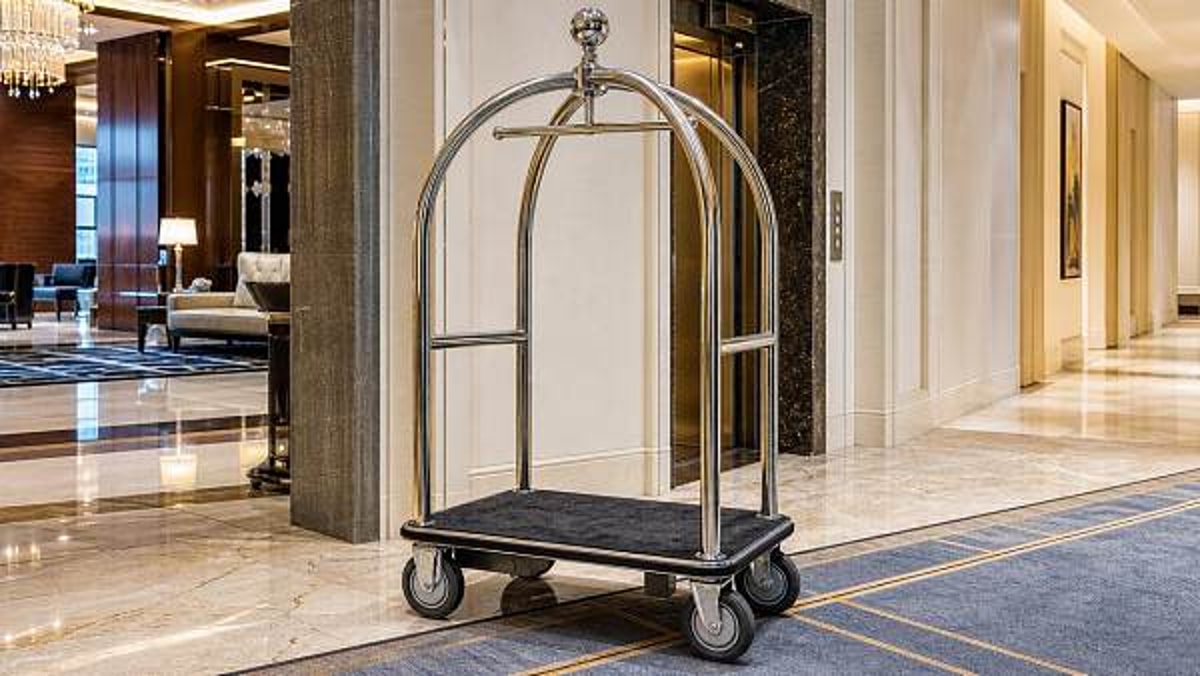
In specification sheets and showroom displays, hotel luggage carts are often presented as visual symbols of service quality. Brass-tone finishes, stainless steel frames, carpeted decks, and elegant handle shapes all contribute to a premium first impression. In actual hotel use, however, the cart is not judged by appearance alone. It is judged by how quietly it moves through corridors at night, how smoothly it turns in elevators, how safely it crosses thresholds, and how often engineering teams must repair or replace worn components.
For technical evaluation personnel, this shifts the focus from decorative finish to performance architecture. The frame matters, but the wheels define the daily user experience. If the caster system is poorly designed, even a visually impressive unit can create rolling resistance, mark expensive floors, generate vibration, and increase staff fatigue. In contrast, well-engineered hotel luggage carts with high-quality wheels can preserve flooring, reduce guest complaints, support housekeeping efficiency, and extend service life.
This is why wheel quality deserves a higher weighting in commercial assessment. In hospitality environments where service perception is shaped by small operational details, the wheel is not a minor accessory. It is a core performance component.
Why the industry pays close attention to wheel quality
Across global hospitality projects, operators are under pressure to combine luxury presentation with operational durability. Hotels now manage a more complex mix of surfaces, including polished stone, hardwood-look vinyl, carpet transitions, and back-of-house service routes. At the same time, labor efficiency, guest comfort, acoustic control, and maintenance budgets are under closer review than ever before.
In this context, the performance of hotel luggage carts becomes part of a broader commercial experience strategy. A cart with inferior wheels may still pass an initial visual review, but over time it can contribute to noise in premium guest zones, premature floor wear in lobbies, and unstable handling during peak check-in periods. For luxury and upper-upscale properties, these operational weaknesses directly affect brand perception.
From a sourcing perspective, wheel quality also reflects supply chain seriousness. Reliable manufacturers typically provide more transparent information on caster material, bearing type, load rating, tread hardness, swivel performance, and replacement availability. This aligns with the E-E-A-T expectations that commercial buyers increasingly apply to equipment sourcing: technical clarity, proven field performance, and long-term support.
The practical difference between frame finish and wheel performance
Frame finish mainly affects appearance, corrosion resistance, and ease of cleaning. These are important, especially in properties that emphasize visual consistency. However, frame finish usually has a limited effect on how the cart behaves under movement. Wheel performance, by contrast, influences nearly every daily interaction.
The most important wheel-related performance outcomes include:
- Noise reduction in corridors, guest floors, and lobby areas
- Lower push and pull effort for bell staff and service teams
- Improved directional stability when carrying heavy luggage
- Reduced risk of scratching, denting, or marking floor surfaces
- Less vibration transferred to luggage and cart structure
- Better durability under repeated starts, stops, and turns
A polished frame can enhance visual impact, but it cannot compensate for poor caster compound, weak bearings, or inconsistent wheel geometry. For this reason, technical evaluators should regard premium finish as a secondary layer of value after mobility performance has been verified.
Core wheel factors that determine real-world performance
Wheel material
Material selection has direct implications for floor protection, noise, and wear resistance. Soft non-marking compounds such as premium thermoplastic rubber or polyurethane blends often perform better in guest-facing environments than hard plastic wheels. They absorb vibration more effectively and reduce rolling noise. However, the exact compound should match the hotel’s flooring profile and cleaning routine.
Bearing quality
Bearings affect smoothness and long-term rolling efficiency. Precision bearings reduce friction and help carts move evenly under load. Lower-grade bearing assemblies may degrade quickly in high-use hotels, leading to wobble, drag, and noise. In technical reviews, bearing design should never be treated as a hidden or insignificant specification.
Wheel diameter and tread width
Larger wheels generally roll more easily over thresholds, grout lines, and minor uneven surfaces. Wider tread can improve weight distribution and reduce point pressure on sensitive floors. For hotel luggage carts, this often means smoother movement with less operator effort, especially when the cart is fully loaded.
Swivel design and tracking stability
A cart must turn easily without becoming unstable. Poor swivel performance causes caster flutter, erratic tracking, and awkward steering in narrow corridors or elevators. Good wheel quality includes controlled swivel action that balances maneuverability with directional confidence.
Load capacity with service margin
Static load ratings are not enough. Hotel luggage carts face dynamic loads during starts, turns, and transitions between flooring types. Technical evaluators should verify that wheel systems are rated not only for average luggage weight but also for impact loads and intensive daily cycles.
Industry overview table for technical assessment
The table below summarizes how key wheel characteristics compare with frame finish in practical hotel environments.
Where wheel quality creates the most value
Not all hospitality environments place the same stress on hotel luggage carts. Technical evaluators should relate caster performance to the property’s service model, building layout, and guest expectations. The value of better wheels becomes especially visible in several common scenarios.
In each of these cases, visual frame finish may support branding, but wheel performance determines whether the cart consistently meets service expectations. This is especially relevant for technical teams responsible for balancing operational quality with lifecycle cost.
How to evaluate hotel luggage carts beyond brochure claims
A strong technical review should include more than static specification comparison. Because hotel luggage carts are mobile service assets, real-world testing is essential. Evaluators should request or perform movement checks under representative conditions rather than relying only on cosmetic inspection.
Useful evaluation methods include rolling the cart across hard flooring and carpet transitions, testing turns in confined spaces, loading the platform near expected service weight, and listening for vibration or caster chatter. It is also valuable to examine wheel mounting integrity, axle protection, and the ease of future replacement. Even premium carts can become problematic if replacement wheels are proprietary, delayed, or difficult to source globally.
For buyers working with sourcing intelligence platforms such as Global Commercial Trade, a practical advantage lies in comparing not just product visuals but manufacturing depth. Suppliers that clearly document OEM or ODM capability, component traceability, material standards, and after-sales support are more likely to deliver reliable hotel luggage carts for demanding commercial environments.
Common specification mistakes to avoid
One frequent mistake is giving too much weight to surface finish because it is easy to compare visually. Another is accepting basic wheel descriptions such as “silent caster” without supporting information about compound, hardness, bearing construction, or endurance testing. Technical evaluators should also avoid selecting wheels solely by load capacity while ignoring floor type, route length, and acoustic expectations.
A further issue is failing to consider maintenance reality. If a cart looks elegant on delivery but develops wheel flat spots, swivel looseness, or axle corrosion within a short period, the total cost of ownership rises quickly. In hospitality operations, repeated minor failures can become more disruptive than a major one-time equipment issue because they affect guest-facing service every day.
Practical selection guidance for technical evaluators
For most projects, the best approach is to rank wheel system quality as a primary specification category alongside structural stability and finish durability. Ask suppliers to provide detailed caster information, recommended use conditions, replacement plans, and test data where available. Match wheel material to the actual flooring mix, not to a generic hospitality label. Confirm that the cart remains quiet and stable when loaded, and review whether staff can replace wear components without excessive downtime.
When comparing hotel luggage carts from different manufacturers, it is often useful to build a weighted scoring model. Appearance should remain part of the evaluation because guest perception matters. Still, mobility performance, noise behavior, floor compatibility, and serviceability should account for a larger share of the final decision. This reflects how the product will be judged over years of operation rather than on the day it is installed.
Conclusion: performance starts at floor level
In the commercial hospitality sector, hotel luggage carts do more than transport bags. They shape arrival experience, support staff efficiency, and interact constantly with expensive interior environments. While frame finish contributes to visual quality, wheel quality has a deeper and more continuous effect on performance. It influences noise, control, floor care, maintenance frequency, and long-term value.
For technical evaluators, the takeaway is clear: assess hotel luggage carts from the floor up. Prioritize caster engineering, verify real-use behavior, and work with sourcing partners that provide transparent technical detail. In a market where commercial experiences matter as much as equipment durability, better wheels are not a hidden upgrade. They are the foundation of a better cart.
Search News
Hot Articles
- Commercial KitchenStainless steel GN pans with reinforced corners last longer in busy kitchensMay 02, 2026
- Hotel Room AmenitiesMemory foam hotel mattresses: when soft comfort leads to faster saggingMay 02, 2026
- Hotel Room AmenitiesElectronic hotel door locks: battery alerts are often less simple than they seemMay 02, 2026
Popular Tags
Need ExpertConsultation?
Connect with our specialized leisureengineering team for procurementstrategies.
Recommended News
 May 02, 2026Memory foam hotel mattresses: when soft comfort leads to faster saggingMemory foam hotel mattresses may feel luxurious at first, but can soft comfort cause faster sagging? Discover how buyers can reduce risk, improve durability, and protect hotel ROI.● Hospitality Sourcing Dir
 May 02, 2026Electronic hotel door locks: battery alerts are often less simple than they seemElectronic hotel door locks battery alerts are more complex than they appear. Learn how firmware, usage, and environment affect reliability, maintenance efficiency, and smarter sourcing.● Hospitality Sourcing Dir
 May 02, 2026Hotel housekeeping carts: the layout detail that saves minutes on every floorHotel housekeeping carts can save minutes on every floor. Discover how smarter cart layout improves workflow, reduces labor strain, and supports faster, more consistent room turnover.● Hospitality Sourcing Dir
 May 02, 2026Wholesale hotel safes: keypad reliability matters more than extra featuresWholesale hotel safes should be judged by keypad reliability first. Discover the checklist that helps buyers reduce lockouts, maintenance costs, and guest complaints.● Hospitality Sourcing Dir
 May 02, 2026Hotel lobby chandeliers: how size mistakes affect the whole arrival experienceHotel lobby chandeliers can make or break first impressions. Learn how sizing mistakes affect luxury, circulation, and brand value—and how to choose the right scale.● Hospitality Sourcing Dir
 May 02, 2026Industrial ironing machines: steam output is not the only thing to compareIndustrial ironing machines should be compared by more than steam output. Discover how temperature control, pressure stability, efficiency, and durability affect real commercial performance.● Hospitality Sourcing Dir
 May 02, 2026Blackout curtains for hotels that block light without trapping heatBlackout curtains for hotels that block light without trapping heat—discover smarter fabrics, thermal comfort benefits, and sourcing tips for better guest sleep and hotel performance.● Hospitality Sourcing Dir
 May 02, 2026Hotel luggage carts: why wheel quality matters more than frame finishHotel luggage carts perform best when wheel quality comes first. Discover how better casters reduce noise, protect floors, improve handling, and lower long-term hotel maintenance costs.● Hospitality Sourcing Dir
 May 02, 2026Custom printed hotel key cards: PVC or wood for a better guest feel?Custom printed hotel key cards: compare PVC and wood to find the best mix of guest feel, durability, sustainability, and brand impact for smarter hotel sourcing.● Hospitality Sourcing Dir
 May 02, 2026Commercial laundry equipment sizing mistakes that raise utility billsCommercial laundry equipment sizing mistakes can quietly drive up water, energy, and labor costs. Learn the biggest planning errors and how smarter sizing protects budgets and efficiency.● Hospitality Sourcing Dir
 May 02, 2026Why some wholesale bath towels for hotels wear out too fastWholesale bath towels for hotels can wear out fast due to fiber quality, GSM, weave, and laundering mismatch. Learn how to choose durable towels that cut replacement costs and protect guest experience.● Hospitality Sourcing Dir
 May 01, 2026Hotel Desks That Work for Both Business Guests and Small RoomsHotel desks for compact rooms: learn how to choose durable, space-saving, business-friendly designs that improve guest satisfaction and simplify hotel procurement.● Hospitality Sourcing Dir
 May 01, 2026Hotel Slippers in Bulk: Cheap Pairs Can Hurt Guest PerceptionHotel slippers bulk choices affect more than cost. Discover how cheap pairs can damage guest perception, comfort, and brand value—and how smarter sourcing improves reviews.● Hospitality Sourcing Dir
 May 01, 2026Hotel Room Furniture Sets That Balance Style and Replacement CostHotel room furniture sets that combine style, durability, and lower replacement cost. Discover a practical checklist for smarter sourcing, better lifecycle value, and reliable hospitality project results.● Hospitality Sourcing Dir
 May 01, 2026Hotel Bed Linens Wholesale Quality Checks Before Large OrdersHotel bed linens wholesale quality checks: learn how to verify fabric strength, shrinkage, stitching, wash durability, and supplier reliability before placing large hotel bedding orders.● Hospitality Sourcing Dir
 May 01, 2026Hotel Bathroom Amenities That Shape First Impressions FastHotel bathroom amenities shape guest first impressions fast. Discover how the right choices improve brand image, efficiency, and perceived quality from day one.● Hospitality Sourcing Dir
 Apr 30, 2026Hotel cabinets that look custom without custom lead timesHotel cabinets that look custom without long custom lead times. Learn how to balance brand style, durability, and faster installation for hotel projects.● Hospitality Sourcing Dir
 Apr 30, 2026Hotel sofas that hold shape better in high turnover roomsHotel sofas that keep their shape longer in high-turnover rooms. Learn what frame, cushion, and upholstery specs improve durability, guest appeal, and lifecycle value.● Hospitality Sourcing Dir
 Apr 30, 2026Hotel wardrobes that save space without looking budgetHotel wardrobes that save space without looking budget: discover premium, durable designs, smart specs, and sourcing tips to maximize guestroom value.● Hospitality Sourcing Dir
 Apr 30, 2026Hotel room furniture mistakes that quietly hurt guest comfortHotel room furniture mistakes can quietly damage guest comfort, reviews, and brand value. Learn how smarter layout, sizing, and material choices improve hotel room performance.● Hospitality Sourcing Dir
 Apr 30, 2026What makes hotel outdoor furniture easier to maintainHotel outdoor furniture is easier to maintain when it uses weather-resistant materials, smart construction, and replaceable parts. Learn how to cut upkeep and improve long-term value.● Hospitality Sourcing Dir
 Apr 30, 2026Hotel lobby furniture trends shifting guest first impressionsHotel lobby furniture trends are redefining first impressions with modular comfort, brand storytelling, tech integration, and durable style that elevates guest experience.● Hospitality Sourcing Dir
 Apr 30, 2026Why some hotel nightstands wear out faster than expectedHotel nightstands wear out faster when materials, edge sealing, and hardware are underspecified. Learn how to spot durable options, reduce lifecycle costs, and source smarter for hospitality projects.● Hospitality Sourcing Dir
 Apr 28, 2026Iranian Delegation at Sanya Asian Beach Games Spurs Halal-Certified Hardware DemandHalal-certified hardware demand surges after Iranian delegation’s cultural showcase at Sanya Asian Beach Games—key for GCC event tech exporters.● Hospitality Sourcing Dir