Hotel lobby furniture trends shifting guest first impressions
Hotel lobby furniture is no longer a decorative afterthought. It has become a strategic tool that shapes guest expectations within the first few seconds of arrival, influences how a property is photographed and shared, and affects how comfortably people wait, work, socialize, or transition through the space. For researchers studying hospitality design, the key shift is clear: current hotel lobby furniture trends are moving away from static, formal layouts and toward flexible, experience-driven environments that combine visual identity, operational durability, and measurable business value.
In practical terms, that means the best-performing lobby furniture today does more than look upscale. It supports multiple guest behaviors, reflects brand positioning, withstands heavy traffic, integrates power and technology, and helps hotels deliver a memorable first impression without creating maintenance burdens. The strongest trend is not one singular style. It is the convergence of comfort, adaptability, and brand storytelling.
For information-stage readers, the real question is not simply which pieces are popular. It is why these shifts are happening, how they affect guest perception, and what criteria matter when evaluating furniture for different hotel categories. This article focuses on those decision points, helping readers understand where the market is moving and how to judge whether a trend carries lasting value or short-term visual appeal.
Why hotel lobby furniture now matters more to first impressions than ever
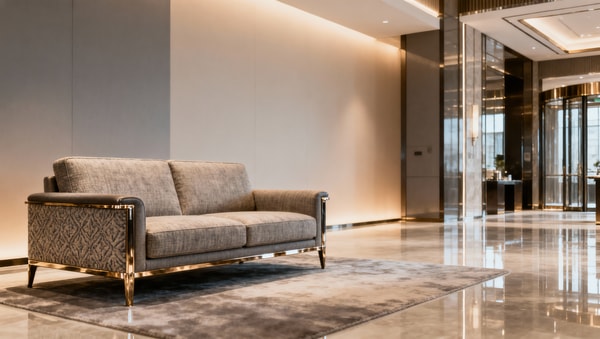
Guests form opinions about a property before they reach the front desk. The lobby acts as a compressed expression of the hotel’s promise: luxury, efficiency, local character, creativity, wellness, or business readiness. Because of that, hotel lobby furniture now carries more communicative weight than in previous design cycles. A seating group, a communal table, or a sculptural lounge chair can signal whether a hotel is contemporary, premium, welcoming, exclusive, or outdated.
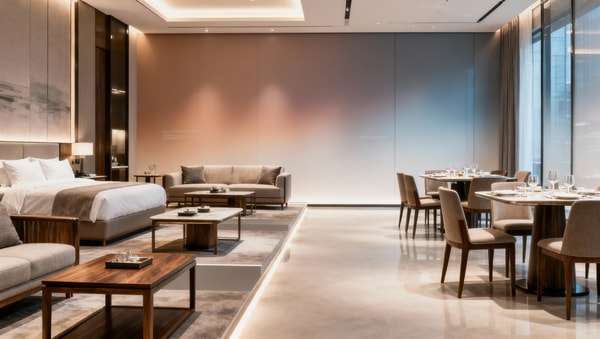
This matters because the modern hotel lobby is no longer used only for check-in and waiting. It often functions as a social hub, remote work zone, informal meeting area, beverage destination, and content backdrop for social media. Furniture must therefore perform across multiple uses while still preserving a coherent design language. A beautiful lobby that is uncomfortable, impractical, or visibly worn can quickly weaken brand credibility.
For operators and specifiers, the value of hotel lobby furniture lies in its influence on both perception and operations. Better layouts can improve traffic flow. More versatile seating can extend dwell time in revenue-generating zones. High-quality materials can reduce replacement cycles. In other words, the first impression created by furniture is emotional, but the consequences are commercial.
What trends are actually reshaping hotel lobby furniture design
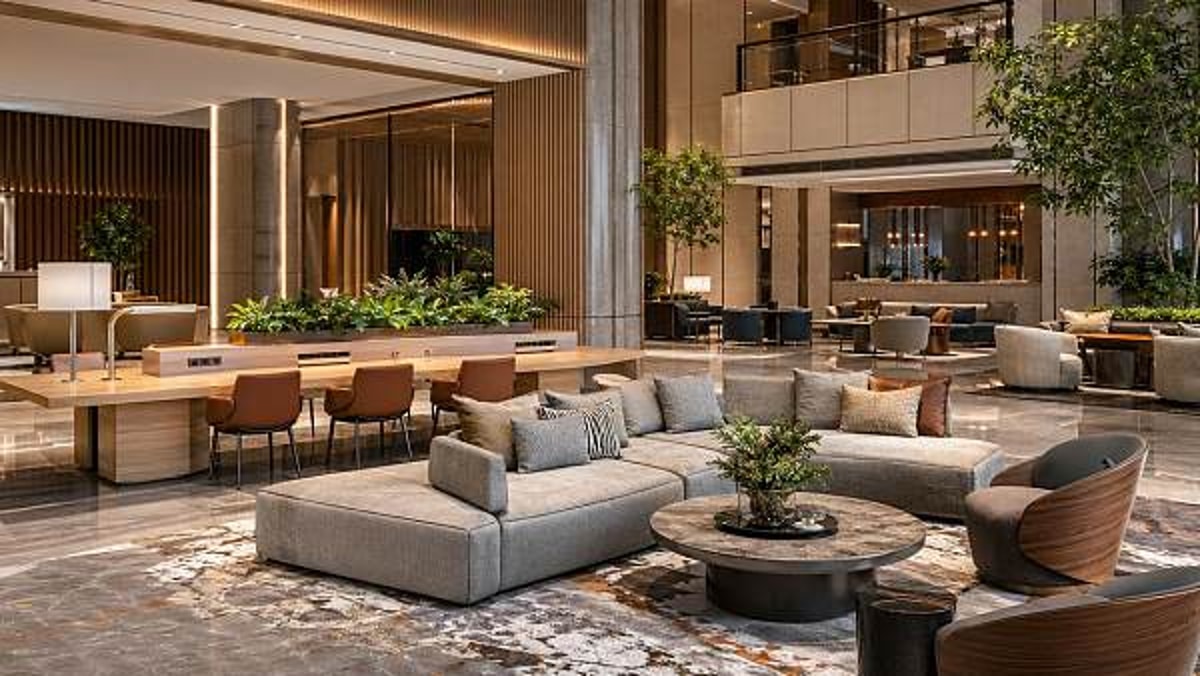
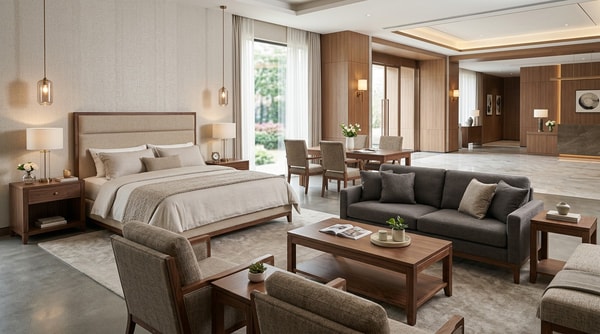
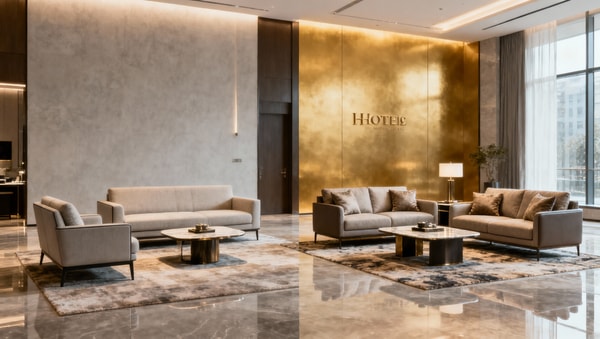
One of the most visible shifts is the move from rigid, symmetrical furniture plans to layered, residential-style compositions. Instead of lining up identical armchairs around a central table, many hotels are using mixed seating types, softer silhouettes, and smaller conversational zones. This makes the space feel more relaxed and approachable, especially for guests who expect hospitality environments to feel less institutional and more personalized.
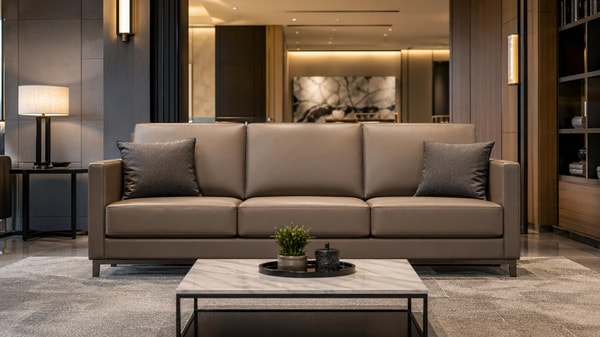
Modular furniture is another major development. Sectional sofas, movable ottomans, nesting tables, and reconfigurable lounge pieces allow lobbies to adapt throughout the day. A morning coffee zone can become an afternoon coworking area or an evening social setting with minimal disruption. For hotels seeking long-term flexibility, modularity is not just a design trend. It is a risk-management strategy that helps the space evolve with guest behavior.
There is also growing demand for statement pieces that create instant visual identity. These may include oversized lounge chairs, custom banquettes, sculptural benches, or artisan-crafted tables. However, the trend is not about spectacle alone. The most successful statement furniture anchors the brand narrative while remaining practical enough for daily use. Researchers should note that durable uniqueness, not decorative excess, is defining the strongest projects.
How comfort and usability are becoming as important as visual style
Hospitality designers increasingly recognize that guests judge furniture with their bodies as much as with their eyes. A stunning chair that feels awkward, too low, too firm, or unstable can undermine the perceived quality of the entire property. This is why ergonomic comfort is becoming central to hotel lobby furniture selection, especially in mixed-use lobbies where guests may spend longer periods working, waiting, or socializing.
Seat height, cushion density, back support, arm placement, and table proportions all matter more than they once did. Hotels are also balancing privacy and openness more carefully. High-back chairs, semi-enclosed banquettes, and small-scale partitions can create pockets of calm in busy lobbies without making the space feel closed off. These details improve comfort while supporting different user needs, from solo travelers checking email to families regrouping before departure.
Usability also extends to accessibility and circulation. Furniture cannot obstruct pathways, crowd check-in areas, or create confusion about how the lobby should be used. Well-planned pieces guide movement naturally and make the environment feel intuitive. For information researchers, this is an important lens: the best trends are not only visually current, but operationally intelligent.
Why modular and multi-functional furniture is gaining so much traction
Among all hotel lobby furniture trends, flexibility may be the most commercially significant. Hotels face changing occupancy patterns, evolving guest expectations, and pressure to get more value from public space. As a result, fixed-purpose furniture is giving way to pieces that can support multiple functions without sacrificing design quality.
Communal tables with integrated charging, benches with concealed storage, mobile side tables, and modular upholstered systems are all part of this shift. They help hotels make better use of square footage, especially in urban properties where every meter has economic importance. A lobby that can host brief meetings, casual dining, laptop work, and social interaction becomes more than an arrival zone. It becomes a productive asset.
This trend is especially relevant for researchers evaluating long-term sourcing value. Multi-functional furniture may carry a higher upfront cost, but it can reduce the need for future reconfiguration and help properties remain relevant across changing usage patterns. In that sense, flexibility should be assessed not only as a design feature, but as a lifecycle advantage.
How biophilic and locally influenced furniture choices affect brand perception
Another important shift is the rise of biophilic and place-based design in hotel lobbies. Guests increasingly respond to environments that feel grounded, calming, and authentic. Furniture plays a major role in delivering that effect through natural materials, organic forms, earthy palettes, and craftsmanship that connects the property to its geographic context.
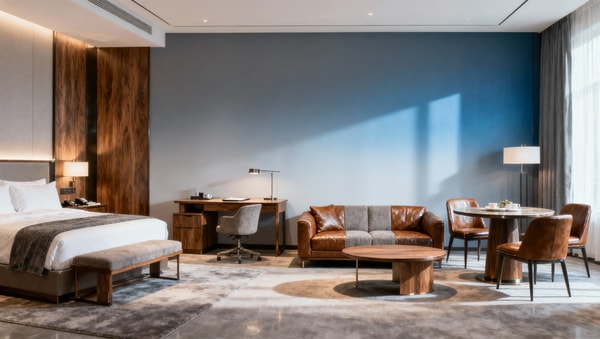
Wood finishes, woven textures, stone accents, and upholstery in nature-inspired tones are being used to soften commercial spaces and create a more restorative mood. This is especially effective in hotels positioning themselves around wellness, slow travel, or premium lifestyle experiences. Biophilic furniture does not have to be rustic. In many upscale projects, it appears in refined, contemporary forms that balance calmness with sophistication.
Local identity is equally powerful. Custom furniture informed by regional materials, artisanal traditions, or cultural motifs can make a lobby feel distinct rather than generic. For global hotel groups, this creates an opportunity to maintain brand standards while giving each property a more memorable sense of place. Researchers should pay attention to this trend because it reflects a larger hospitality shift: standardized quality is still important, but localized emotional resonance is becoming a competitive differentiator.
Where technology is showing up in hotel lobby furniture
Technology integration is becoming less visible but more expected. Guests may not praise a side table for having built-in power, but they notice quickly when charging options are absent. For that reason, tech-enabled hotel lobby furniture is increasingly standard in business hotels, mixed-use properties, and upscale lifestyle brands.
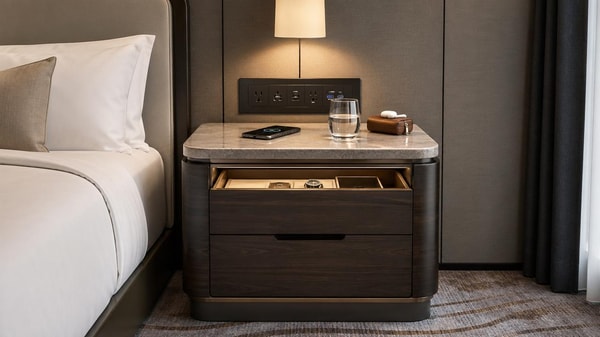
Integrated USB ports, wireless charging pads, concealed power access, and laptop-friendly surfaces are now common considerations. In some cases, furniture is also being selected to support digital check-in, mobile work, or hybrid social-business use. The design challenge is to incorporate these functions without making the lobby feel overly corporate or cluttered with visible hardware.
From a sourcing perspective, the key issue is balance. Technology should enhance convenience without shortening furniture lifespan or complicating maintenance. Replaceable components, concealed cable management, and compliance with electrical standards are critical evaluation points. For researchers, this is a useful distinction: successful tech integration is not flashy innovation, but durable, discreet functionality.
Why durability and maintenance are now part of the luxury conversation
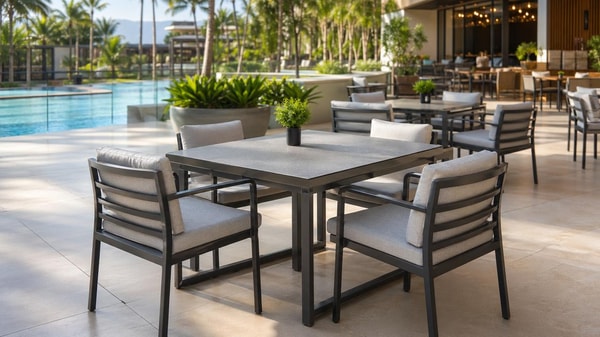
In the past, luxury and durability were sometimes treated as competing priorities. Today, high-performing hospitality projects demand both. Hotel lobby furniture must maintain its appearance under constant use, exposure to luggage impact, food and beverage spills, frequent cleaning, and varied climate conditions. As a result, the market is favoring materials and construction methods that deliver premium aesthetics with commercial resilience.
Performance fabrics, stain-resistant finishes, scratch-tolerant surfaces, reinforced frames, and contract-grade joinery are all gaining importance. The goal is not to make furniture look industrial, but to preserve elegance over time. A lobby that looks immaculate after months of heavy traffic sends a powerful message about brand quality and operational discipline.
This is one of the most practical areas for research and comparison. Trend relevance should be judged alongside maintenance realities. A highly photogenic piece may fail if it soils easily, loosens under use, or requires specialist care that strains hotel operations. The strongest hotel lobby furniture solutions are those that support the desired image while reducing hidden ownership costs.
How different hotel segments are interpreting these furniture trends
Not every trend applies equally across all hotel categories. Luxury hotels often prioritize custom-made statement furniture, layered material richness, and elevated comfort that supports a sense of exclusivity. Boutique and lifestyle properties may lean more heavily into local storytelling, mixed materials, and visually memorable lounge compositions that encourage social media visibility and informal gathering.
Business hotels tend to emphasize efficient layouts, versatile seating, integrated power, and furniture that supports short stays as well as mobile work. Resorts may favor relaxed silhouettes, indoor-outdoor continuity, and biophilic materials that reinforce escape and wellness. Extended-stay properties often blend residential comfort with durable practicality, focusing on furniture that helps guests feel temporarily at home.
For information researchers, segment context is essential. A trend should never be evaluated in isolation from brand positioning, guest profile, and operational model. The same modular sofa that works beautifully in a creative urban hotel may feel too casual in a formal luxury property. Good judgment comes from matching trend direction with business context.
What researchers should look for when evaluating hotel lobby furniture trends
If the goal is to understand whether a trend is commercially meaningful, several criteria help separate lasting value from visual novelty. First, assess behavioral relevance. Does the furniture respond to how guests actually use lobbies today, including waiting, working, socializing, and moving through the space? Trends that solve real behavioral needs usually endure longer than purely stylistic ones.
Second, evaluate lifecycle performance. This includes material durability, cleanability, warranty support, replacement-part availability, and compatibility with hospitality traffic levels. Third, look at brand alignment. The furniture should strengthen the hotel’s positioning rather than merely follow current aesthetics. A trend has value when it helps a property feel more distinctly itself.
Finally, consider sourcing practicality. Customization options, lead times, compliance standards, logistics reliability, and after-sales support all matter in commercial furnishing decisions. For B2B audiences, this is often where trend enthusiasm meets operational reality. The most useful market insight comes from understanding both the design appeal and the execution demands behind each furniture direction.
The bigger takeaway: first impressions are now designed through experience, not display
The shift in hotel lobby furniture reflects a broader change in hospitality itself. Guests no longer read the lobby as a static showcase of prestige. They read it as an experience setting that should feel welcoming, functional, memorable, and aligned with the brand’s promise. Furniture has become one of the clearest tools for delivering that experience immediately.
That is why the current trends matter. Modular layouts show responsiveness. Comfortable seating signals care. Biophilic materials suggest calm and quality. Technology integration supports convenience. Durable finishes preserve credibility over time. Together, these elements influence how guests perceive value before they even enter their room.
For researchers tracking hotel lobby furniture, the central insight is this: the most important trend is not a color, shape, or material. It is the movement toward furniture that performs across emotional, practical, and commercial dimensions at once. Properties that understand this are creating stronger first impressions and building lobbies that work harder for both guests and the business.
In summary, hotel lobby furniture trends are shifting from ornamental selection to strategic specification. The winning choices are flexible, comfortable, brand-aware, technologically relevant, and built for sustained use. For anyone studying the category, these are the criteria that best explain how first impressions are changing and why those changes carry long-term value in modern hospitality.
Search News
Hot Articles
Popular Tags
Need ExpertConsultation?
Connect with our specialized leisureengineering team for procurementstrategies.
Recommended News
 Apr 30, 2026Hotel cabinets that look custom without custom lead timesHotel cabinets that look custom without long custom lead times. Learn how to balance brand style, durability, and faster installation for hotel projects.● Hospitality Sourcing Dir
 Apr 30, 2026Hotel sofas that hold shape better in high turnover roomsHotel sofas that keep their shape longer in high-turnover rooms. Learn what frame, cushion, and upholstery specs improve durability, guest appeal, and lifecycle value.● Hospitality Sourcing Dir
 Apr 30, 2026Hotel wardrobes that save space without looking budgetHotel wardrobes that save space without looking budget: discover premium, durable designs, smart specs, and sourcing tips to maximize guestroom value.● Hospitality Sourcing Dir
 Apr 30, 2026Hotel room furniture mistakes that quietly hurt guest comfortHotel room furniture mistakes can quietly damage guest comfort, reviews, and brand value. Learn how smarter layout, sizing, and material choices improve hotel room performance.● Hospitality Sourcing Dir
 Apr 30, 2026What makes hotel outdoor furniture easier to maintainHotel outdoor furniture is easier to maintain when it uses weather-resistant materials, smart construction, and replaceable parts. Learn how to cut upkeep and improve long-term value.● Hospitality Sourcing Dir
 Apr 30, 2026Hotel lobby furniture trends shifting guest first impressionsHotel lobby furniture trends are redefining first impressions with modular comfort, brand storytelling, tech integration, and durable style that elevates guest experience.● Hospitality Sourcing Dir
 Apr 30, 2026Why some hotel nightstands wear out faster than expectedHotel nightstands wear out faster when materials, edge sealing, and hardware are underspecified. Learn how to spot durable options, reduce lifecycle costs, and source smarter for hospitality projects.● Hospitality Sourcing Dir
 Apr 28, 2026Iranian Delegation at Sanya Asian Beach Games Spurs Halal-Certified Hardware DemandHalal-certified hardware demand surges after Iranian delegation’s cultural showcase at Sanya Asian Beach Games—key for GCC event tech exporters.● Hospitality Sourcing Dir
 Apr 27, 2026Iranian Delegation’s Ritual Gesture at Sanya ASG Sparks Mideast Hospitality Procurement ShiftIranian delegation's ritual gesture at Sanya ASG sparks Middle East hospitality procurement shift—key for hotel amenities, travel services & cultural compliance.● Hospitality Sourcing Dir
 Apr 28, 2026Hotel Beds in 2026 Are Being Chosen for Sleep Quality, Not Just StyleHotel beds, hotel furniture, and custom furniture in 2026 are defined by sleep quality, durability, and guest value—see how luxury furniture buyers source smarter.● Hospitality Sourcing Dir
 Apr 28, 2026Cheap Hotel Furniture Can Raise Costs Later in Unexpected WaysHotel furniture buying guide: compare hotel beds, hotel chairs, hotel tables, custom furniture and luxury furniture to avoid hidden costs and choose durable hotel equipment.● Hospitality Sourcing Dir
 Apr 28, 2026Hotel Furniture Replacement Cycles Are Changing in 2026Hotel furniture trends for 2026: discover smarter replacement cycles for hotel beds, hotel chairs, hotel tables, luxury furniture, and custom furniture to boost ROI and guest appeal.● Hospitality Sourcing Dir
 Apr 28, 2026Why Do Some Hotel Beds Get Complaints Faster Than Others?Hotel beds complaints often start with poor specs, not looks. Learn how hotel furniture, custom furniture, luxury furniture, hotel chairs, hotel tables, and hotel equipment affect guest satisfaction.● Hospitality Sourcing Dir
 Apr 28, 2026Hotel Beds: Which Frame and Mattress Setup Lasts Longer?Hotel beds guide: compare frame and mattress setups that last longer, with insights on hotel furniture, custom furniture, luxury furniture, hotel chairs and hotel tables.● Hospitality Sourcing Dir
 Apr 27, 2026Is Luxury Jewelry for Hotels a Smart Investment?Luxury jewelry for hotels: see how a custom jewelry manufacturer helps hotels turn custom luxury jewelry into brand value, guest appeal, and profitable luxury jewelry B2B growth.● Hospitality Sourcing Dir
 Apr 21, 2026Open or closed hotel wardrobes for easier housekeeping?Hotel wardrobes affect housekeeping speed, guest appeal, and hospitality procurement. Compare open vs closed designs for hotel furniture, luxury furniture, and hotel room furniture planning.● Hospitality Sourcing Dir
 Apr 21, 2026Hotel wardrobes that fit luggage without wasting spaceHotel wardrobes that fit luggage smartly without wasting space—explore hotel furniture solutions that elevate hotel room furniture, support hospitality procurement, and enhance guest comfort.● Hospitality Sourcing Dir
 Apr 21, 2026Why hotel room furniture wears unevenly after openingHotel furniture wear starts unevenly from day one. Learn how hotel beds, hotel chairs, hotel desks and hotel room furniture perform in real use, with smart hospitality procurement tips.● Hospitality Sourcing Dir
 Apr 21, 2026Hotel room furniture packages that cut design mismatchHotel room furniture packages align hotel furniture, hotel beds, hotel chairs, hotel tables, and hotel desks with luxury furniture standards—reducing design mismatch and speeding hospitality procurement.● Hospitality Sourcing Dir
 Apr 21, 2026Low seat or deep seat hotel sofas for modern lobbies?Hotel furniture buyers compare low seat and deep seat hotel sofas for modern lobbies. Explore luxury furniture choices that improve comfort, traffic flow, brand image, and hospitality procurement value.● Hospitality Sourcing Dir
 Apr 21, 2026Hotel sofas that keep their shape in high traffic areasHotel sofas, hotel furniture, and hospitality furniture that keep shape in high-traffic areas—discover luxury furniture sourcing tips, durable commercial furniture specs, and smarter hospitality procurement.● Hospitality Sourcing Dir
 Apr 21, 2026Why hospitality furniture needs different specs by zoneHospitality furniture specs vary by zone. Learn how hotel furniture, hotel beds, hotel chairs, hotel tables, and hotel desks improve durability, ROI, and luxury guest experience.● Hospitality Sourcing Dir
 Apr 21, 2026Hospitality furniture that supports faster room turnoverHospitality furniture that speeds room turnover: compare hotel beds, hotel chairs, hotel tables, hotel desks and hotel sofas for easier cleaning, durability, and smarter hospitality procurement.● Hospitality Sourcing Dir
 Apr 21, 2026Where hotel equipment budgets usually go off trackHotel furniture and hotel equipment budgets often fail from hidden scope, logistics, and lifecycle costs. Learn smarter hospitality procurement for hotel beds, chairs, tables, and luxury furniture.● Hospitality Sourcing Dir