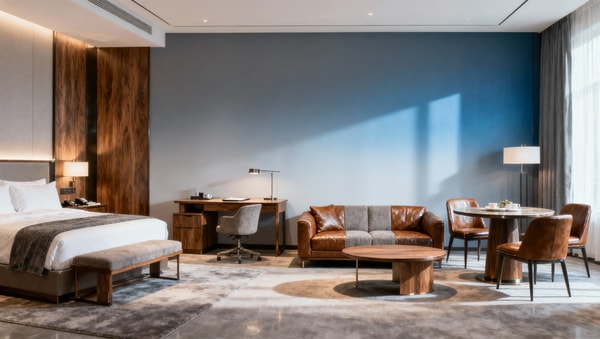
Hotel room furniture mistakes that quietly hurt guest comfort
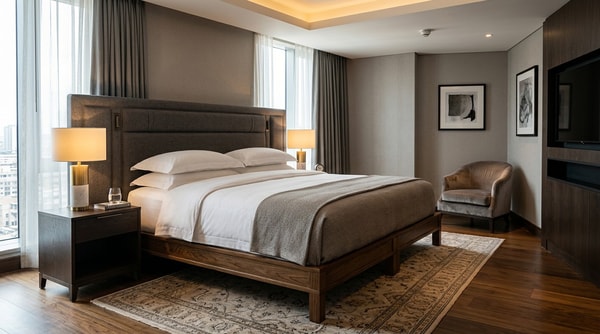
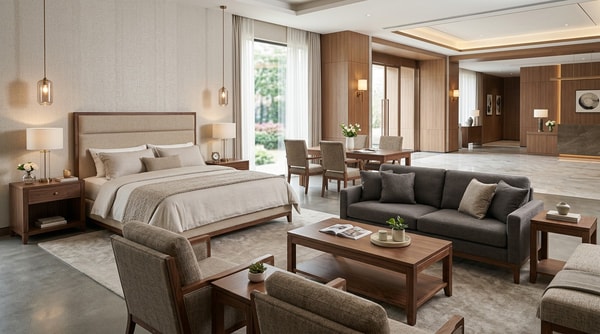
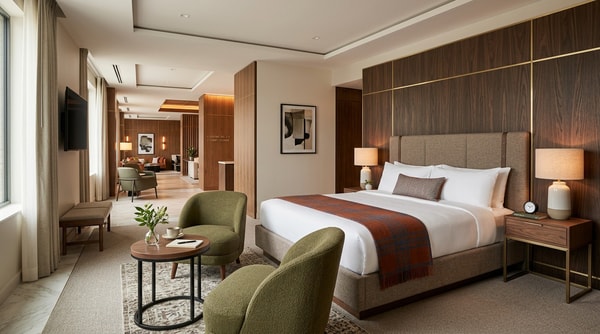
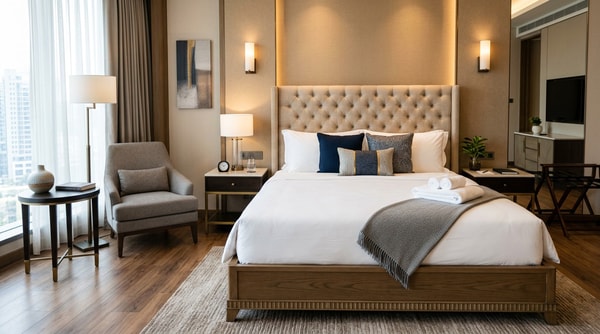
Even the most stylish guest room can underperform when hotel room furniture choices overlook how people actually rest, work, and move. Small design mistakes—poor layout, awkward dimensions, or materials that age badly—can quietly reduce comfort, trigger complaints, and weaken brand perception. Understanding these issues helps hotels create rooms that feel effortless, functional, and genuinely welcoming.
Why small hotel room furniture mistakes create outsized guest discomfort
For information researchers, the challenge is not identifying attractive hotel room furniture. It is understanding which choices perform well under real guest behavior, housekeeping routines, and long replacement cycles. In hospitality procurement, furniture often stays in service for 5–10 years, so a mistake made during specification can quietly affect thousands of room nights.
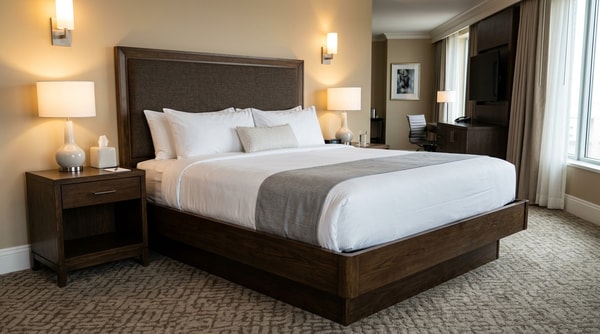
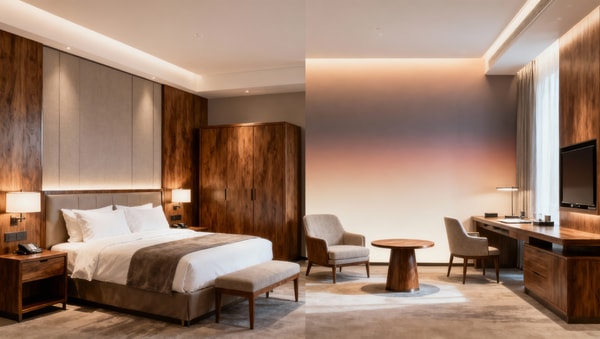
A guest room is a compressed environment. Within roughly 20–40 square meters in many business and urban properties, guests sleep, unpack, work, eat light meals, charge devices, and move luggage. When hotel room furniture ignores these overlapping uses, discomfort appears in subtle ways: bruised shins on oversized bed bases, blocked circulation around desks, unstable luggage benches, or chairs that look refined but fail after 20 minutes of use.
These are not only design issues. They influence review sentiment, maintenance frequency, cleaning labor, and brand consistency across properties. In upper-upscale and premium segments, furniture is also part of the guest’s quality judgment. If the room feels cramped, noisy, hard to use, or visually worn within 12–24 months, the hotel may lose the premium effect it intended to create.
Global Commercial Trade (GCT) addresses this problem from a sourcing intelligence angle. Instead of treating furniture as isolated pieces, GCT evaluates hotel room furniture through design practicality, material durability, supplier reliability, and fit-for-project execution. That broader commercial view matters when buyers compare OEM, ODM, custom fabrication, and multi-property rollout plans.
The most common comfort failures start with four overlooked assumptions
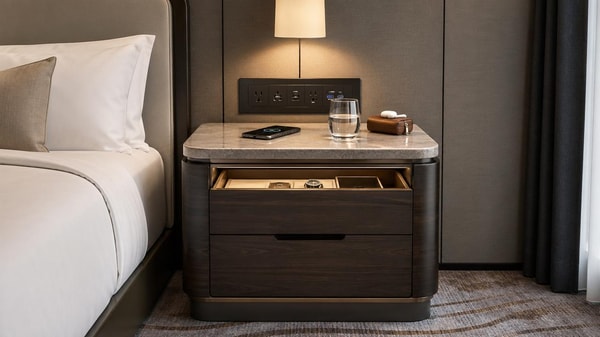
- Assuming visual appeal equals usability. A sleek nightstand may look premium but fail if the top surface cannot hold a phone, water bottle, and reading light at the same time.
- Assuming residential standards fit hospitality use. Guest turnover, luggage abrasion, and daily cleaning create a harsher environment than private homes.
- Assuming one room type fits all travelers. Solo business guests, couples, and family travelers use the same hotel room furniture in very different ways.
- Assuming replacement cost is the only cost. Poor choices also increase complaints, repair visits, housekeeping friction, and premature renovation pressure.
For procurement teams, the practical question is simple: which furniture decisions improve guest comfort while still supporting compliance, durability, and scalable sourcing? The rest of this guide focuses on that decision path.
Which hotel room furniture mistakes show up first in real guest use?
The first failures are usually spatial, not decorative. Guests notice when they cannot walk naturally around the bed, open a suitcase without blocking a path, or sit at a desk without twisting sideways. In many layouts, maintaining a circulation path of about 600–900 mm around key furniture zones is a practical baseline. When that clearance disappears, comfort drops immediately.
Scale mismatch is another recurring issue. A lounge chair may suit a suite but overwhelm a standard king room. A desk depth that looks compact in drawings may become unusable once a lamp, kettle tray, and guest laptop occupy the surface. Hotel room furniture should be assessed as a system, not as independent SKUs approved from finish samples alone.
Height relationships matter just as much. If the bedside table sits too low relative to the mattress top, guests struggle to reach devices or personal items at night. If the luggage bench is too narrow or unstable, guests place baggage on the bed, which increases linen wear and cleaning complexity. These details seem minor in procurement meetings, but they shape everyday room experience.
Material aging creates the next wave of discomfort. Edgebanding that peels after repeated cleaning, laminates that chip at corners, glossy surfaces that show scratches within weeks, or upholstery that traps odor can make even new rooms feel tired. In hospitality, visual aging often matters within the first 6–18 months, long before structural failure appears.
A practical comparison of high-risk mistakes and their operational impact
The table below helps information-stage buyers connect guest comfort problems with specification mistakes and sourcing consequences. This is especially useful when reviewing hotel room furniture proposals from multiple suppliers.
This comparison shows why hotel room furniture cannot be approved on appearance alone. A room may photograph well during handover yet underperform after the first quarter of occupancy, once guest behavior and cleaning routines begin exposing weak specifications.
Three room zones where comfort risk is highest
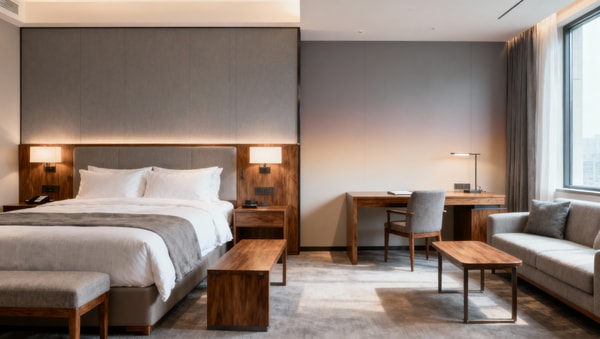
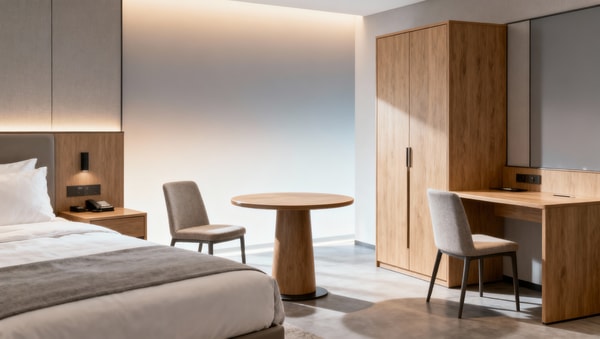
First is the sleep zone. Bed base dimensions, bedside surface area, reading light position, and outlet access interact within a radius of less than 1 meter. A failure here affects rest directly. Second is the work zone, where desk depth, seating ergonomics, and cable management determine whether the room supports a 15-minute email check or a 3-hour remote work session.
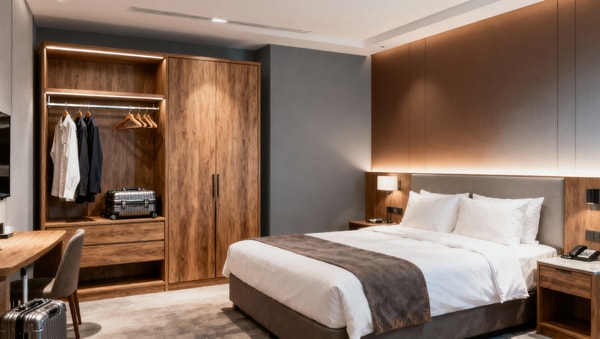
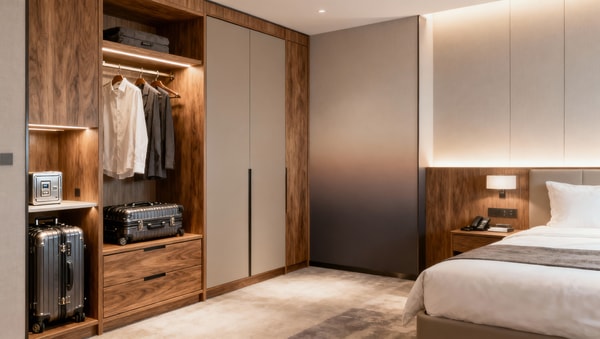
Third is the luggage and transition zone near the entry. Guests need intuitive places for baggage, shoes, outerwear, and short-stay clutter. If hotel room furniture does not support this flow, the room feels disorganized even when the square meter count is acceptable.
How should buyers evaluate hotel room furniture before approving a project?
A strong buying process starts by translating guest needs into measurable review points. Instead of asking whether a furniture package looks premium, ask whether it supports 3 core functions: rest, movement, and short-duration living. In project terms, that means checking dimensions, finishes, usability, and replacement practicality before mass production begins.
For most projects, buyers should assess hotel room furniture across at least 5 dimensions: layout compatibility, ergonomic suitability, material durability, maintenance burden, and supplier execution capability. This is where many sourcing teams benefit from cross-functional input from design, procurement, operations, and housekeeping rather than relying on design approval alone.
Sample review is essential. A finish chip set cannot reveal how a desk edge feels after repeated contact, how a drawer behaves after frequent use, or how a chair performs after 30–60 minutes of sitting. Mock-up rooms or at minimum a furniture prototype review cycle often prevent expensive replication of small mistakes across 100–500 rooms.
Lead time should also be part of the comfort discussion. If a project is rushed into production without prototype adjustment, the buyer may accept avoidable compromises. Typical custom hospitality furniture timelines can range from 6–12 weeks for development and production depending on scope, material sourcing, and shipping method. Early specification discipline reduces downstream pressure.
A hotel room furniture selection checklist for information-stage research
- Confirm room type usage: business, resort, extended stay, luxury, or mixed traveler profile. Each changes furniture priorities.
- Review circulation and door swing conflicts in plan view and in-room mock-up, not only on furniture schedules.
- Check contact surfaces and edges for cleaning resistance, visible wear risk, and impact points around corners.
- Evaluate whether repairable components, replaceable hardware, and finish consistency are practical for multi-year operation.
- Ask suppliers to clarify production sequence, sample timing, packaging protection, and installation coordination.
Recommended procurement review criteria
The next table organizes hotel room furniture evaluation into practical decision categories. It helps buyers compare bids more intelligently, especially when suppliers offer similar visuals but different execution quality.
Using a structured matrix like this prevents overreliance on price-per-room comparisons. The lowest quote may not be the lowest total cost if hotel room furniture begins showing damage or usability failures shortly after opening.
Where GCT adds value during early research
GCT supports commercial buyers who need more than product browsing. Because hospitality sourcing intersects with design, logistics, compliance, and supplier qualification, buyers often need help narrowing options before requesting final quotations. GCT’s sector-focused intelligence helps teams compare manufacturing capabilities, identify common risk points, and align furniture decisions with broader commercial project goals.
That is especially relevant for groups managing multi-region supply chains, renovation schedules, or custom hotel room furniture programs where finish consistency, packaging resilience, and repeat production matter as much as the original concept board.
What materials, compliance points, and lifecycle issues are often underestimated?
One frequent mistake is selecting materials based on showroom appearance rather than lifecycle behavior. In hotel room furniture, common options include laminate-faced panels, veneer, solid wood components, metal frames, stone accents, and performance upholstery. None is automatically better. The right choice depends on guest segment, cleaning methods, target lifespan, and the hotel’s maintenance capacity.
Corners, seams, and hardware are usually more vulnerable than large surfaces. A beautiful veneer top may still fail visually if edge transitions chip during luggage contact. Upholstered headboards may look inviting but require thought about stain resistance, dust retention, and cleaning access. For high-turnover properties, buyers should consider not only first installation quality but also how the furniture appears after daily use over 12, 24, and 36 months.
Compliance should not be treated as a separate checklist added at the end. Depending on project location and specification, buyers may need to review general fire safety expectations, material emission considerations, electrical integration for charging modules, and local commercial furnishing requirements. Even when exact standards vary by market, the discipline of early compliance review helps avoid redesign, delayed approvals, or rejected materials.
Packaging and transport are part of lifecycle quality too. Hotel room furniture often crosses long international routes, and damage can happen before installation if corners, stone pieces, or high-gloss panels are underprotected. For overseas hospitality projects, buyers should ask how items are packed, labeled, and sequenced for phased installation over several days or several floors.
Material and lifecycle trade-offs buyers should compare
The table below outlines common hotel room furniture material decisions and the trade-offs they create in guest comfort, visual longevity, and project practicality.
No material is universally correct. The better question is whether the specification matches operating reality. That is why hotel room furniture decisions should be validated against occupancy profile, turnover speed, maintenance staffing, and renovation strategy rather than image references alone.
A simple 4-step risk review before final approval
- Review contact points: corners, edges, handles, legs, and upholstery seams.
- Test cleaning compatibility with the hotel’s real housekeeping chemicals and cloth routines.
- Check component replaceability for hardware, glides, and high-damage panels.
- Confirm packaging and installation sequencing for project delivery in stages or room blocks.
This review often reveals that seemingly minor specification choices can change total ownership cost significantly over a 3–7 year operating window.
FAQ and next-step guidance for sourcing better hotel room furniture
Many researchers reach the same point: they understand the risks, but they need a clearer path from concept to supplier shortlist. The questions below address the most common procurement concerns around hotel room furniture in commercial hospitality projects.
How do I know whether hotel room furniture is too large for a room?
Start with movement, not aesthetics. If guests cannot open luggage, access both sides of the bed, sit at the desk comfortably, and move from entry to bathroom without repeated obstruction, the furniture is probably oversized. A mock-up review using real suitcases and common guest actions over 20–30 minutes is more revealing than a plan drawing alone.
What matters more: premium finish or durability?
In hospitality, the answer is controlled balance. A premium finish that looks worn after 6 months damages brand perception, while an overly utilitarian finish may weaken rate positioning. The better approach is to identify which surfaces are guest-facing, high-touch, and impact-prone, then assign materials accordingly rather than upgrading every component equally.
How long should buyers allow for custom hotel room furniture sourcing?
For many commercial projects, a realistic range is 6–12 weeks for development and production before shipping, though complexity, approval cycles, and shipping routes can extend that. If the project includes prototype revisions, compliance review, or phased installation, buyers should plan additional buffer time instead of compressing all decisions into the final procurement stage.
What are the biggest mistakes in furniture procurement for guest rooms?
The most common mistakes are approving by appearance only, failing to test usability in mock-up conditions, ignoring housekeeping impact, and comparing suppliers only on unit price. Hotel room furniture performs inside a system of guest movement, cleaning, turnover, and maintenance. Procurement works better when these conditions are reviewed before purchase orders are finalized.
Why consult a sourcing intelligence platform instead of contacting factories one by one?
Direct outreach can work, but it often creates fragmented information. Commercial buyers usually need comparable insight on supplier capability, customization fit, production risk, compliance awareness, and market positioning. GCT helps consolidate this early-stage intelligence so teams can move faster from broad research to focused evaluation and quote discussions.
Why choose us for hotel room furniture research and sourcing support?
Global Commercial Trade is built for commercial buyers who need more than general product listings. Our hospitality-focused intelligence environment helps procurement teams, hotel developers, and design-led buyers evaluate hotel room furniture with a clearer view of comfort performance, sourcing risk, supplier capability, and project practicality across multiple commercial sectors.
You can consult GCT when you need support with room-by-room furniture selection logic, material and finish comparison, custom or OEM/ODM sourcing paths, expected lead time ranges, packaging and installation considerations, and common compliance checkpoints for international hospitality projects. This is particularly useful during concept validation, supplier shortlisting, and pre-quotation alignment.
If you are reviewing a renovation package, a new-build room standard, or a multi-property sourcing plan, contact GCT to discuss specification checks, sample strategy, customization scope, delivery timing, and quote communication priorities. A well-informed hotel room furniture decision reduces discomfort quietly—but powerfully—before guests ever describe the room as disappointing.
Search News
Hot Articles
Popular Tags
Need ExpertConsultation?
Connect with our specialized leisureengineering team for procurementstrategies.
Recommended News
 Apr 30, 2026Hotel cabinets that look custom without custom lead timesHotel cabinets that look custom without long custom lead times. Learn how to balance brand style, durability, and faster installation for hotel projects.● Hospitality Sourcing Dir
 Apr 30, 2026Hotel sofas that hold shape better in high turnover roomsHotel sofas that keep their shape longer in high-turnover rooms. Learn what frame, cushion, and upholstery specs improve durability, guest appeal, and lifecycle value.● Hospitality Sourcing Dir
 Apr 30, 2026Hotel wardrobes that save space without looking budgetHotel wardrobes that save space without looking budget: discover premium, durable designs, smart specs, and sourcing tips to maximize guestroom value.● Hospitality Sourcing Dir
 Apr 30, 2026Hotel room furniture mistakes that quietly hurt guest comfortHotel room furniture mistakes can quietly damage guest comfort, reviews, and brand value. Learn how smarter layout, sizing, and material choices improve hotel room performance.● Hospitality Sourcing Dir
 Apr 30, 2026What makes hotel outdoor furniture easier to maintainHotel outdoor furniture is easier to maintain when it uses weather-resistant materials, smart construction, and replaceable parts. Learn how to cut upkeep and improve long-term value.● Hospitality Sourcing Dir
 Apr 30, 2026Hotel lobby furniture trends shifting guest first impressionsHotel lobby furniture trends are redefining first impressions with modular comfort, brand storytelling, tech integration, and durable style that elevates guest experience.● Hospitality Sourcing Dir
 Apr 30, 2026Why some hotel nightstands wear out faster than expectedHotel nightstands wear out faster when materials, edge sealing, and hardware are underspecified. Learn how to spot durable options, reduce lifecycle costs, and source smarter for hospitality projects.● Hospitality Sourcing Dir
 Apr 28, 2026Iranian Delegation at Sanya Asian Beach Games Spurs Halal-Certified Hardware DemandHalal-certified hardware demand surges after Iranian delegation’s cultural showcase at Sanya Asian Beach Games—key for GCC event tech exporters.● Hospitality Sourcing Dir
 Apr 27, 2026Iranian Delegation’s Ritual Gesture at Sanya ASG Sparks Mideast Hospitality Procurement ShiftIranian delegation's ritual gesture at Sanya ASG sparks Middle East hospitality procurement shift—key for hotel amenities, travel services & cultural compliance.● Hospitality Sourcing Dir
 Apr 28, 2026Hotel Beds in 2026 Are Being Chosen for Sleep Quality, Not Just StyleHotel beds, hotel furniture, and custom furniture in 2026 are defined by sleep quality, durability, and guest value—see how luxury furniture buyers source smarter.● Hospitality Sourcing Dir
 Apr 28, 2026Cheap Hotel Furniture Can Raise Costs Later in Unexpected WaysHotel furniture buying guide: compare hotel beds, hotel chairs, hotel tables, custom furniture and luxury furniture to avoid hidden costs and choose durable hotel equipment.● Hospitality Sourcing Dir
 Apr 28, 2026Hotel Furniture Replacement Cycles Are Changing in 2026Hotel furniture trends for 2026: discover smarter replacement cycles for hotel beds, hotel chairs, hotel tables, luxury furniture, and custom furniture to boost ROI and guest appeal.● Hospitality Sourcing Dir
 Apr 28, 2026Why Do Some Hotel Beds Get Complaints Faster Than Others?Hotel beds complaints often start with poor specs, not looks. Learn how hotel furniture, custom furniture, luxury furniture, hotel chairs, hotel tables, and hotel equipment affect guest satisfaction.● Hospitality Sourcing Dir
 Apr 28, 2026Hotel Beds: Which Frame and Mattress Setup Lasts Longer?Hotel beds guide: compare frame and mattress setups that last longer, with insights on hotel furniture, custom furniture, luxury furniture, hotel chairs and hotel tables.● Hospitality Sourcing Dir
 Apr 27, 2026Is Luxury Jewelry for Hotels a Smart Investment?Luxury jewelry for hotels: see how a custom jewelry manufacturer helps hotels turn custom luxury jewelry into brand value, guest appeal, and profitable luxury jewelry B2B growth.● Hospitality Sourcing Dir
 Apr 21, 2026Open or closed hotel wardrobes for easier housekeeping?Hotel wardrobes affect housekeeping speed, guest appeal, and hospitality procurement. Compare open vs closed designs for hotel furniture, luxury furniture, and hotel room furniture planning.● Hospitality Sourcing Dir
 Apr 21, 2026Hotel wardrobes that fit luggage without wasting spaceHotel wardrobes that fit luggage smartly without wasting space—explore hotel furniture solutions that elevate hotel room furniture, support hospitality procurement, and enhance guest comfort.● Hospitality Sourcing Dir
 Apr 21, 2026Why hotel room furniture wears unevenly after openingHotel furniture wear starts unevenly from day one. Learn how hotel beds, hotel chairs, hotel desks and hotel room furniture perform in real use, with smart hospitality procurement tips.● Hospitality Sourcing Dir
 Apr 21, 2026Hotel room furniture packages that cut design mismatchHotel room furniture packages align hotel furniture, hotel beds, hotel chairs, hotel tables, and hotel desks with luxury furniture standards—reducing design mismatch and speeding hospitality procurement.● Hospitality Sourcing Dir
 Apr 21, 2026Low seat or deep seat hotel sofas for modern lobbies?Hotel furniture buyers compare low seat and deep seat hotel sofas for modern lobbies. Explore luxury furniture choices that improve comfort, traffic flow, brand image, and hospitality procurement value.● Hospitality Sourcing Dir
 Apr 21, 2026Hotel sofas that keep their shape in high traffic areasHotel sofas, hotel furniture, and hospitality furniture that keep shape in high-traffic areas—discover luxury furniture sourcing tips, durable commercial furniture specs, and smarter hospitality procurement.● Hospitality Sourcing Dir
 Apr 21, 2026Why hospitality furniture needs different specs by zoneHospitality furniture specs vary by zone. Learn how hotel furniture, hotel beds, hotel chairs, hotel tables, and hotel desks improve durability, ROI, and luxury guest experience.● Hospitality Sourcing Dir
 Apr 21, 2026Hospitality furniture that supports faster room turnoverHospitality furniture that speeds room turnover: compare hotel beds, hotel chairs, hotel tables, hotel desks and hotel sofas for easier cleaning, durability, and smarter hospitality procurement.● Hospitality Sourcing Dir
 Apr 21, 2026Where hotel equipment budgets usually go off trackHotel furniture and hotel equipment budgets often fail from hidden scope, logistics, and lifecycle costs. Learn smarter hospitality procurement for hotel beds, chairs, tables, and luxury furniture.● Hospitality Sourcing Dir