Blackout curtains for hotels that block light without trapping heat
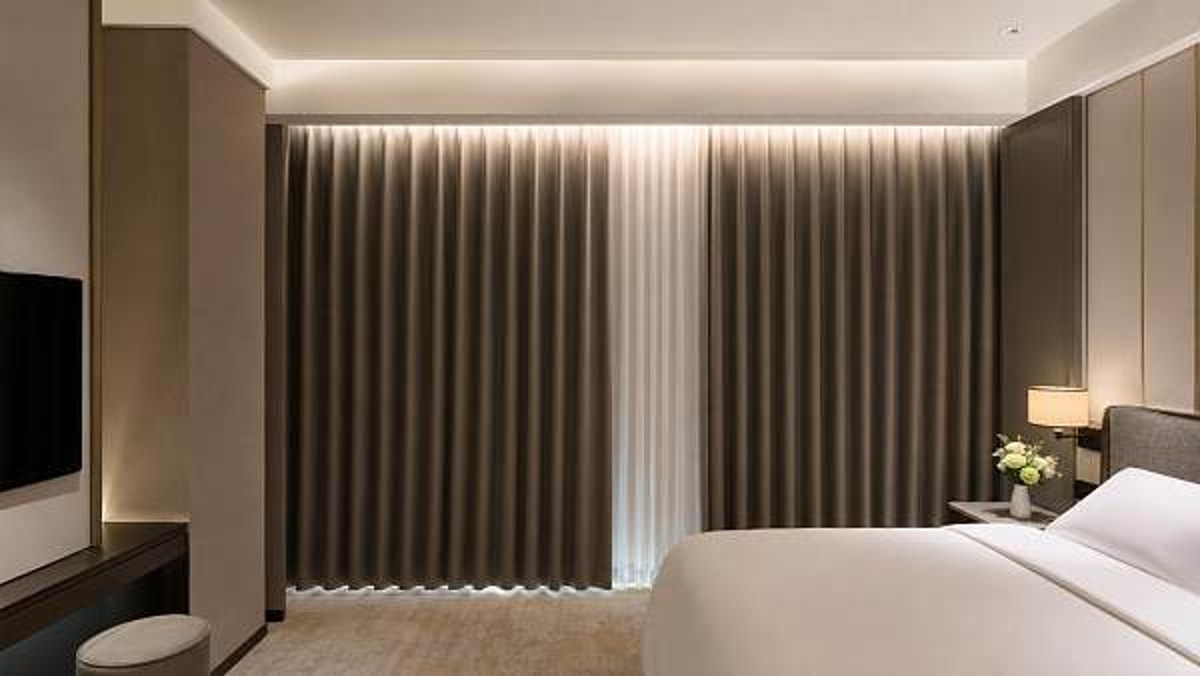
Choosing blackout curtains for hotels is no longer just about blocking sunlight. Today’s buyers also need fabrics and constructions that reduce glare, support guest comfort, and help rooms stay cooler without trapping heat. This guide explores what matters most when selecting high-performance hotel blackout curtains for modern hospitality projects.
What blackout curtains for hotels mean in modern hospitality
In hospitality, blackout curtains are no longer viewed as simple decorative window treatments. They are part of the total guest-room performance package, influencing sleep quality, thermal comfort, acoustic feel, room appearance, and even operating efficiency. For hotel operators, the best blackout curtains for hotels must block exterior light effectively while avoiding the common problem of making rooms feel stuffy or overheated during the day.
That shift matters because guest expectations have changed. Business travelers want restorative sleep after late arrivals, leisure guests expect premium comfort at all hours, and brand standards increasingly include wellness, sustainability, and energy-conscious design. As a result, specifiers now evaluate blackout curtains through a broader lens: fabric technology, lining structure, breathability, installation quality, compliance, and lifecycle performance.
For information researchers, this category sits at the intersection of textiles, interior design, engineering, and procurement. A curtain that achieves total darkness but traps heat may negatively affect HVAC load, guest satisfaction, and room usability. A fabric that stays cooler but allows light leakage around edges can undermine the room’s core purpose. The goal is balance, not a single-feature solution.
Why the industry is paying closer attention
Hotels operate in a more demanding environment than residential properties. Curtains are opened and closed daily, exposed to UV radiation, cleaning cycles, and changing occupancy patterns, and expected to maintain appearance across hundreds of rooms. At the same time, room design is becoming more guest-centric. Better sleep environments are now tied to online reviews, repeat bookings, and brand perception.
This is one reason blackout curtains for hotels are now discussed alongside glazing, insulation, lighting control, and sustainability targets. In warmer climates or sun-exposed façades, poor curtain choices can increase radiant heat buildup near the window zone. In premium properties, that leads to an uncomfortable contradiction: a room may look luxurious, yet feel warm and poorly controlled. For hotel groups and project developers sourcing globally, this has made material performance data more important than generic marketing claims.
Platforms such as Global Commercial Trade help buyers interpret these decisions in a broader sourcing context. The right curtain program is not only about finding a supplier; it is about verifying manufacturing consistency, flame-retardant standards, customization capabilities, and long-term suitability for commercial use.
How light blocking and heat control work together
Many people assume that a heavier curtain always performs better. In reality, effective blackout performance comes from a combination of opacity, weave density, backing or lining technology, and installation design. Heat behavior depends on different but related factors, including reflectivity, color, coating type, air circulation behind the fabric, and how much solar energy is absorbed rather than reflected.
Blackout curtains for hotels that block light without trapping heat often use layered construction. The face fabric supports visual design and durability, while the middle or rear layer improves opacity and can help reflect solar gain. Some advanced textiles use lighter technical backings rather than extremely heavy foam coatings. This can improve drape and maintain a more breathable feel in the room environment.
Installation also matters. A curtain mounted too close to the glass with insufficient airflow may create a warmer pocket between the window and fabric. Conversely, a well-designed track position, proper fullness, and suitable side overlap can improve both blackout effect and comfort. This is why product evaluation should include system design, not just fabric samples.
Core performance criteria buyers should evaluate
A useful way to assess blackout curtains for hotels is to break the decision into measurable performance categories. This helps researchers compare products beyond visual appeal and list pricing.
For commercial projects, the most reliable specification process combines lab data with mock-up testing in representative guest rooms. A product that looks excellent in a showroom may perform differently on a west-facing elevation or in a humid coastal market.
Where these curtains create the most value
Not every hotel room has the same performance priorities. The value of blackout curtains for hotels becomes clearer when viewed by property type and guest use case.
This segmentation is useful for sourcing teams because it prevents over-specification in one area and underperformance in another. A beachfront resort may need stronger UV and heat-control performance than an urban conference hotel, while a city property may place more emphasis on acoustics and compact room layouts.
Material and construction options worth understanding
The most common blackout curtain constructions in hospitality include coated fabrics, laminated blackout fabrics, and lined decorative drapery systems. Coated options can deliver strong opacity, but some lower-grade versions retain more heat and may become stiff over time. Laminated structures can offer a better balance between blackout performance and tactile quality when properly engineered. Lined systems allow designers to separate visual fabric from blackout functionality, which is especially useful in branded interiors.
Color also influences heat behavior. Dark interior-facing colors may absorb more radiant energy, while lighter or reflective backing surfaces can help moderate solar gain. However, color should never be assessed alone. The complete fabric system, including backing composition and air movement around the curtain, determines real-world comfort.
Another point often overlooked is track and heading configuration. Ripplefold, pleated, and wave systems can all work in hotel settings, but fullness ratio, return edges, and overlap carriers will affect darkness levels. Small specification details can be the difference between a genuine blackout experience and a room with visible dawn light leaking at the sides.
Practical evaluation steps for project teams
Information researchers and project stakeholders should evaluate blackout curtains for hotels through a structured process. First, define the room performance objective clearly. Is the main challenge early morning sunlight, strong afternoon heat, irregular guest sleep schedules, or a combination of all three? The answer shapes the specification path.
Second, request technical documentation rather than relying on generic catalog language. Look for flame-retardant compliance, composition details, care recommendations, and available thermal or solar performance testing. Third, review sample installations under actual lighting conditions. Fabric appearance under artificial showroom lighting can be misleading, especially for blackout evaluation.
Fourth, consider operational realities. Housekeeping teams need products that move smoothly, resist snagging, and tolerate frequent handling. Engineering teams may prioritize curtain systems that integrate cleanly with HVAC performance and window design. Brand teams will care about finish consistency across regions and property types. The strongest sourcing decisions align these interests early.
Finally, assess supplier capability. In global hospitality projects, manufacturing reliability is as important as product design. Buyers should confirm lead times, batch consistency, customization support, and project references in commercial environments. This is especially relevant for groups managing multi-property rollouts or renovation programs across markets.
Common mistakes that weaken results
One frequent mistake is selecting blackout curtains for hotels based only on fabric swatches. A fabric may appear fully opaque in hand, but still allow significant light leakage once installed without proper returns and overlap. Another mistake is assuming that thicker always means better. Excessively heavy constructions can compromise drape, increase handling wear, and contribute to a warmer window zone if the material absorbs more heat than it reflects.
A third issue is ignoring cleaning and maintenance from the start. Beautiful curtains that require difficult care protocols may lose their appearance faster in high-turnover properties. Lastly, some teams overlook regional compliance requirements. Fire codes, textile standards, and sustainability expectations vary by destination, so international sourcing must be matched with local due diligence.
A strategic view for hospitality sourcing
As hospitality procurement becomes more data-driven, blackout curtains for hotels should be treated as strategic interior infrastructure rather than a purely decorative line item. They affect guest sleep, thermal perception, room ambiance, maintenance planning, and brand consistency. For developers, operators, and sourcing professionals, the most effective approach is to evaluate curtains as part of the wider room-performance ecosystem.
That is where specialized B2B intelligence becomes valuable. A sourcing platform with verified industry insight can help decision-makers compare capabilities, understand technical claims, and identify suppliers that combine aesthetics, compliance, and commercial readiness. In a market shaped by guest expectations and operational pressure, informed specification is the real advantage.
If your team is researching blackout curtains for hotels, prioritize solutions that deliver darkness, comfort, and long-term reliability together. The best results come from aligning fabric technology, installation design, and supplier credibility before the project moves into full procurement.
Search News
Hot Articles
- Commercial KitchenStainless steel GN pans with reinforced corners last longer in busy kitchensMay 02, 2026
- Hotel Room AmenitiesMemory foam hotel mattresses: when soft comfort leads to faster saggingMay 02, 2026
- Hotel Room AmenitiesElectronic hotel door locks: battery alerts are often less simple than they seemMay 02, 2026
Popular Tags
Need ExpertConsultation?
Connect with our specialized leisureengineering team for procurementstrategies.
Recommended News
 May 02, 2026Memory foam hotel mattresses: when soft comfort leads to faster saggingMemory foam hotel mattresses may feel luxurious at first, but can soft comfort cause faster sagging? Discover how buyers can reduce risk, improve durability, and protect hotel ROI.● Hospitality Sourcing Dir
 May 02, 2026Electronic hotel door locks: battery alerts are often less simple than they seemElectronic hotel door locks battery alerts are more complex than they appear. Learn how firmware, usage, and environment affect reliability, maintenance efficiency, and smarter sourcing.● Hospitality Sourcing Dir
 May 02, 2026Hotel housekeeping carts: the layout detail that saves minutes on every floorHotel housekeeping carts can save minutes on every floor. Discover how smarter cart layout improves workflow, reduces labor strain, and supports faster, more consistent room turnover.● Hospitality Sourcing Dir
 May 02, 2026Wholesale hotel safes: keypad reliability matters more than extra featuresWholesale hotel safes should be judged by keypad reliability first. Discover the checklist that helps buyers reduce lockouts, maintenance costs, and guest complaints.● Hospitality Sourcing Dir
 May 02, 2026Hotel lobby chandeliers: how size mistakes affect the whole arrival experienceHotel lobby chandeliers can make or break first impressions. Learn how sizing mistakes affect luxury, circulation, and brand value—and how to choose the right scale.● Hospitality Sourcing Dir
 May 02, 2026Industrial ironing machines: steam output is not the only thing to compareIndustrial ironing machines should be compared by more than steam output. Discover how temperature control, pressure stability, efficiency, and durability affect real commercial performance.● Hospitality Sourcing Dir
 May 02, 2026Blackout curtains for hotels that block light without trapping heatBlackout curtains for hotels that block light without trapping heat—discover smarter fabrics, thermal comfort benefits, and sourcing tips for better guest sleep and hotel performance.● Hospitality Sourcing Dir
 May 02, 2026Hotel luggage carts: why wheel quality matters more than frame finishHotel luggage carts perform best when wheel quality comes first. Discover how better casters reduce noise, protect floors, improve handling, and lower long-term hotel maintenance costs.● Hospitality Sourcing Dir
 May 02, 2026Custom printed hotel key cards: PVC or wood for a better guest feel?Custom printed hotel key cards: compare PVC and wood to find the best mix of guest feel, durability, sustainability, and brand impact for smarter hotel sourcing.● Hospitality Sourcing Dir
 May 02, 2026Commercial laundry equipment sizing mistakes that raise utility billsCommercial laundry equipment sizing mistakes can quietly drive up water, energy, and labor costs. Learn the biggest planning errors and how smarter sizing protects budgets and efficiency.● Hospitality Sourcing Dir
 May 02, 2026Why some wholesale bath towels for hotels wear out too fastWholesale bath towels for hotels can wear out fast due to fiber quality, GSM, weave, and laundering mismatch. Learn how to choose durable towels that cut replacement costs and protect guest experience.● Hospitality Sourcing Dir
 May 01, 2026Hotel Desks That Work for Both Business Guests and Small RoomsHotel desks for compact rooms: learn how to choose durable, space-saving, business-friendly designs that improve guest satisfaction and simplify hotel procurement.● Hospitality Sourcing Dir
 May 01, 2026Hotel Slippers in Bulk: Cheap Pairs Can Hurt Guest PerceptionHotel slippers bulk choices affect more than cost. Discover how cheap pairs can damage guest perception, comfort, and brand value—and how smarter sourcing improves reviews.● Hospitality Sourcing Dir
 May 01, 2026Hotel Room Furniture Sets That Balance Style and Replacement CostHotel room furniture sets that combine style, durability, and lower replacement cost. Discover a practical checklist for smarter sourcing, better lifecycle value, and reliable hospitality project results.● Hospitality Sourcing Dir
 May 01, 2026Hotel Bed Linens Wholesale Quality Checks Before Large OrdersHotel bed linens wholesale quality checks: learn how to verify fabric strength, shrinkage, stitching, wash durability, and supplier reliability before placing large hotel bedding orders.● Hospitality Sourcing Dir
 May 01, 2026Hotel Bathroom Amenities That Shape First Impressions FastHotel bathroom amenities shape guest first impressions fast. Discover how the right choices improve brand image, efficiency, and perceived quality from day one.● Hospitality Sourcing Dir
 Apr 30, 2026Hotel cabinets that look custom without custom lead timesHotel cabinets that look custom without long custom lead times. Learn how to balance brand style, durability, and faster installation for hotel projects.● Hospitality Sourcing Dir
 Apr 30, 2026Hotel sofas that hold shape better in high turnover roomsHotel sofas that keep their shape longer in high-turnover rooms. Learn what frame, cushion, and upholstery specs improve durability, guest appeal, and lifecycle value.● Hospitality Sourcing Dir
 Apr 30, 2026Hotel wardrobes that save space without looking budgetHotel wardrobes that save space without looking budget: discover premium, durable designs, smart specs, and sourcing tips to maximize guestroom value.● Hospitality Sourcing Dir
 Apr 30, 2026Hotel room furniture mistakes that quietly hurt guest comfortHotel room furniture mistakes can quietly damage guest comfort, reviews, and brand value. Learn how smarter layout, sizing, and material choices improve hotel room performance.● Hospitality Sourcing Dir
 Apr 30, 2026What makes hotel outdoor furniture easier to maintainHotel outdoor furniture is easier to maintain when it uses weather-resistant materials, smart construction, and replaceable parts. Learn how to cut upkeep and improve long-term value.● Hospitality Sourcing Dir
 Apr 30, 2026Hotel lobby furniture trends shifting guest first impressionsHotel lobby furniture trends are redefining first impressions with modular comfort, brand storytelling, tech integration, and durable style that elevates guest experience.● Hospitality Sourcing Dir
 Apr 30, 2026Why some hotel nightstands wear out faster than expectedHotel nightstands wear out faster when materials, edge sealing, and hardware are underspecified. Learn how to spot durable options, reduce lifecycle costs, and source smarter for hospitality projects.● Hospitality Sourcing Dir
 Apr 28, 2026Iranian Delegation at Sanya Asian Beach Games Spurs Halal-Certified Hardware DemandHalal-certified hardware demand surges after Iranian delegation’s cultural showcase at Sanya Asian Beach Games—key for GCC event tech exporters.● Hospitality Sourcing Dir