Industrial ironing machines: steam output is not the only thing to compare
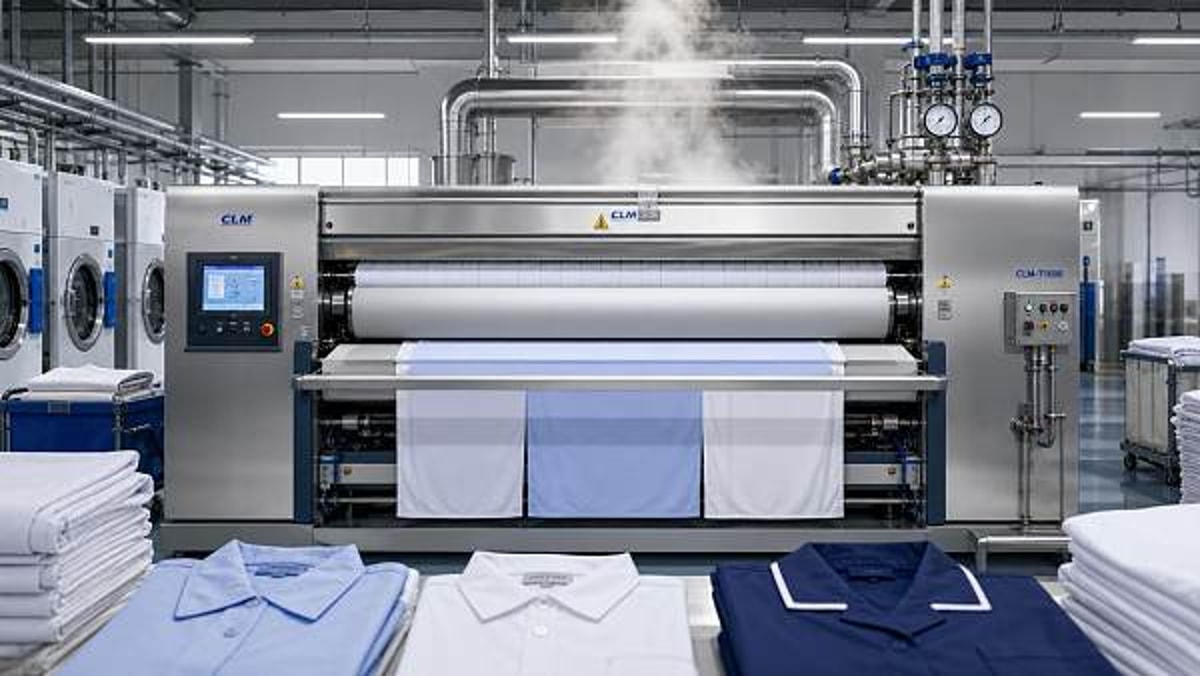
When evaluating industrial ironing machines, steam output is only one part of the performance equation. For technical assessors, factors such as temperature stability, pressure consistency, energy efficiency, fabric adaptability, maintenance demands, and system durability often determine long-term value far more accurately. This guide explores the key metrics that matter in real-world commercial operations, helping buyers compare equipment with greater precision and sourcing confidence.
Why application context matters more than headline specifications
In commercial sourcing, the same industrial ironing machines can perform very differently depending on workload pattern, fabric mix, operator skill, utility conditions, and service expectations. A hotel laundry processing high volumes of bed linen does not judge performance the same way as a garment manufacturer handling tailored jackets, nor does a healthcare laundry that prioritizes hygiene control over cosmetic finishing speed. For technical evaluators, this means one machine’s “best” specification sheet may be irrelevant if it does not match the operating scenario.
This is especially important in global procurement, where sourcing teams often compare industrial ironing machines across regions, energy standards, and supplier capability levels. A machine with high steam capacity but weak pressure regulation may underperform in premium hospitality. A unit with excellent finish quality but slow recovery time may become a bottleneck in uniform rental operations. The correct comparison method is therefore scenario-based: define the use case first, then judge the machine against performance variables that influence total operating value.
Where industrial ironing machines are commonly used
Technical assessment becomes easier when buyers map equipment to the business environment. The most common application scenarios for industrial ironing machines include:
- Hotel and resort laundries handling sheets, pillowcases, table linen, uniforms, and guest-facing textiles
- Commercial laundries serving restaurants, hospitals, and institutional clients with strict throughput targets
- Garment factories and finishing workshops processing fashion items, formalwear, knitwear, and shaped garments
- Uniform and workwear rental services that require repeatable crease quality and robust uptime
- Dry-cleaning plants and premium textile care providers working with mixed fibers and delicate fabrics
- Educational, military, or public-sector laundry operations balancing budget control with heavy daily usage
Although all of these users may search for industrial ironing machines, their buying logic is not the same. Some prioritize finish consistency on large flatwork. Others need precision on shaped garments. Some sites have abundant steam infrastructure; others need integrated boiler systems or lower power loads. This variation is why technical assessors should resist single-metric comparisons.
Scenario comparison: what each operation should evaluate first
The table below shows how evaluation priorities shift across common commercial use cases.
Scenario 1: hotels and hospitality laundries need balanced productivity
In hospitality operations, industrial ironing machines are judged by their ability to produce a clean, guest-visible finish without creating excess energy cost or labor dependency. Large hotels often process a predictable stream of flat linen, but demand can fluctuate with occupancy, event schedules, and banquet turnover. For this reason, technical evaluators should examine warm-up time, recovery rate, operator simplicity, and part-load efficiency—not just maximum steam performance.
A machine that performs well in this setting typically offers stable roller temperature, even pressure distribution, and straightforward controls that reduce quality variation between shifts. If the site also processes staff uniforms or food-and-beverage textiles, flexibility becomes more valuable than absolute top speed. In premium hotels, the visual finish directly affects brand perception, so surface uniformity and crease control deserve close inspection during trials.
Scenario 2: healthcare and institutional users should prioritize control and uptime
Hospitals, care facilities, and institutional laundries care deeply about continuity and process reliability. Here, industrial ironing machines should be assessed as part of a broader textile handling system rather than as standalone devices. Downtime has wider consequences because replacement capacity may be limited and linen demand is non-negotiable.
For these buyers, critical questions include: How stable is operating temperature across long runs? Are contact surfaces easy to inspect and clean? How quickly can wear items be replaced? Is there remote diagnostics support? What is the real preventive maintenance interval under continuous use? Steam output matters, but not as much as sustained operational reliability. Machines used in institutional settings should also be reviewed for safety interlocks, service access, and compatibility with the site’s utility quality, especially where water hardness or voltage fluctuations are known issues.
Scenario 3: garment finishing requires precision over volume
In apparel manufacturing and finishing workshops, industrial ironing machines are often expected to handle many fabric weights, seam structures, and silhouette requirements. That changes the evaluation model significantly. A technical assessor in this scenario should focus on pressure modulation, steam penetration control, vacuum performance, buck shape options, and ergonomic suitability for skilled operators.
For example, lightweight synthetics can be damaged by unstable heat, while structured jackets may require controlled pressure and shaping support. If the operation handles short production runs or many style changes, machine adaptability becomes essential. In practice, this means programmable settings, quick changeovers, and repeatable results matter more than headline throughput. Suppliers that understand OEM or custom finishing requirements may offer a better fit than vendors focused only on standard laundry applications.
Scenario 4: high-cycle uniform operations should compare lifecycle cost carefully
Uniform rental and workwear services present a different challenge. The textile load is repetitive, but cycle frequency is extremely high. Industrial ironing machines in this environment must tolerate constant use, repetitive operator actions, and demanding maintenance schedules. Technical evaluators should therefore place strong weight on bearing life, belt durability, pressure system robustness, and accessibility of consumable components.
A lower purchase price can become expensive if spare parts are difficult to source globally or if maintenance requires long shutdown windows. Total cost of ownership should include utility use, expected service labor, downtime impact, and production losses from inconsistent finish quality. In this scenario, resilience often beats sophistication. The best machine is the one that maintains stable output over years of repetitive production, not the one with the most impressive brochure claim.
Key technical factors that deserve comparison across all scenarios
Regardless of use case, technical assessors should compare industrial ironing machines across a broader set of performance indicators:
- Temperature stability: essential for finish consistency and fabric protection during long operating periods.
- Pressure consistency: critical for crease quality, shaping performance, and repeatability.
- Steam quality and recovery: not just output volume, but dryness, response speed, and sustained delivery.
- Energy efficiency: includes insulation quality, standby behavior, heat retention, and load matching.
- Fabric adaptability: the ability to switch between cotton, blends, synthetics, and delicate materials without excessive manual adjustment.
- Maintenance demand: service access, replacement intervals, cleaning requirements, and fault diagnosis capability.
- Durability: frame strength, control reliability, wear resistance, and expected operating life under commercial duty.
These factors create a more realistic basis for sourcing comparison than steam output alone, especially when evaluating offers from multiple international manufacturers.
Common misjudgments when comparing industrial ironing machines
One frequent mistake is assuming the highest-capacity model is automatically the safest investment. Oversized systems may increase idle losses, operator complexity, and maintenance burden. Another mistake is failing to test with the actual textile mix. A machine that looks excellent on standard cotton may behave differently with blended uniforms, coated fabrics, or delicate garments.
Technical teams also sometimes separate equipment evaluation from utility conditions. Yet steam pressure quality, water treatment, drainage, electrical stability, and ventilation can all affect real performance. Finally, some buyers focus heavily on initial technical features while giving too little weight to supplier responsiveness, training quality, documentation, and parts support. In commercial environments, support capability is part of machine value.
A practical assessment framework for technical evaluators
To make comparisons more objective, technical assessors can apply a structured sequence when sourcing industrial ironing machines. First, define the dominant application scenario: hospitality flatwork, healthcare linen, garment finishing, mixed commercial laundry, or specialty textile care. Second, quantify the textile profile, daily volume, peak load, and acceptable finish standard. Third, match these requirements to machine architecture and control features rather than to a single advertised metric.
Next, request evidence. This may include test reports, client references in similar sectors, maintenance records, utility consumption data, and spare parts lead times. If possible, conduct sample trials using representative textiles and normal operating staff. The most credible sourcing decisions come from observed fit in a real usage context, not from feature comparison alone.
Frequently asked questions from buyers comparing application fit
Are industrial ironing machines with higher steam output always better?
No. Higher steam output can help certain high-volume tasks, but without temperature control, pressure uniformity, and efficient recovery, it may not improve finishing quality or operating economy.
Which scenario is most sensitive to fabric adaptability?
Garment finishing, premium dry-cleaning, and mixed hospitality operations usually benefit most from adaptable settings because they process more varied textiles and require more precise finishing outcomes.
What should buyers verify before shortlisting suppliers?
Check application references, utility compatibility, maintenance access, control stability, operator training support, and spare parts availability in your target market. These often determine long-term performance more than brochure specifications.
Final sourcing guidance: match the machine to the commercial reality
The smartest way to compare industrial ironing machines is to begin with the operating scenario, not the catalog headline. Technical assessors should ask which textiles dominate the workload, what finish standard is required, how variable demand will be, what maintenance resources are available, and how costly downtime would be. From there, performance metrics such as steam quality, heat stability, pressure consistency, fabric compatibility, and lifecycle durability become much easier to judge.
For sourcing teams working across hospitality, institutional, apparel, or specialty commercial environments, a scenario-based evaluation reduces procurement risk and improves long-term return. If your organization is comparing industrial ironing machines for a new project or replacement plan, the next step should be to define your usage profile in detail and align supplier discussions around measurable, application-specific performance criteria. That is how commercial buyers move from broad product comparison to confident technical selection.
Search News
Hot Articles
- Commercial KitchenStainless steel GN pans with reinforced corners last longer in busy kitchensMay 02, 2026
- Hotel Room AmenitiesMemory foam hotel mattresses: when soft comfort leads to faster saggingMay 02, 2026
- Hotel Room AmenitiesElectronic hotel door locks: battery alerts are often less simple than they seemMay 02, 2026
Popular Tags
Need ExpertConsultation?
Connect with our specialized leisureengineering team for procurementstrategies.
Recommended News
 May 02, 2026Memory foam hotel mattresses: when soft comfort leads to faster saggingMemory foam hotel mattresses may feel luxurious at first, but can soft comfort cause faster sagging? Discover how buyers can reduce risk, improve durability, and protect hotel ROI.● Hospitality Sourcing Dir
 May 02, 2026Electronic hotel door locks: battery alerts are often less simple than they seemElectronic hotel door locks battery alerts are more complex than they appear. Learn how firmware, usage, and environment affect reliability, maintenance efficiency, and smarter sourcing.● Hospitality Sourcing Dir
 May 02, 2026Hotel housekeeping carts: the layout detail that saves minutes on every floorHotel housekeeping carts can save minutes on every floor. Discover how smarter cart layout improves workflow, reduces labor strain, and supports faster, more consistent room turnover.● Hospitality Sourcing Dir
 May 02, 2026Wholesale hotel safes: keypad reliability matters more than extra featuresWholesale hotel safes should be judged by keypad reliability first. Discover the checklist that helps buyers reduce lockouts, maintenance costs, and guest complaints.● Hospitality Sourcing Dir
 May 02, 2026Hotel lobby chandeliers: how size mistakes affect the whole arrival experienceHotel lobby chandeliers can make or break first impressions. Learn how sizing mistakes affect luxury, circulation, and brand value—and how to choose the right scale.● Hospitality Sourcing Dir
 May 02, 2026Industrial ironing machines: steam output is not the only thing to compareIndustrial ironing machines should be compared by more than steam output. Discover how temperature control, pressure stability, efficiency, and durability affect real commercial performance.● Hospitality Sourcing Dir
 May 02, 2026Blackout curtains for hotels that block light without trapping heatBlackout curtains for hotels that block light without trapping heat—discover smarter fabrics, thermal comfort benefits, and sourcing tips for better guest sleep and hotel performance.● Hospitality Sourcing Dir
 May 02, 2026Hotel luggage carts: why wheel quality matters more than frame finishHotel luggage carts perform best when wheel quality comes first. Discover how better casters reduce noise, protect floors, improve handling, and lower long-term hotel maintenance costs.● Hospitality Sourcing Dir
 May 02, 2026Custom printed hotel key cards: PVC or wood for a better guest feel?Custom printed hotel key cards: compare PVC and wood to find the best mix of guest feel, durability, sustainability, and brand impact for smarter hotel sourcing.● Hospitality Sourcing Dir
 May 02, 2026Commercial laundry equipment sizing mistakes that raise utility billsCommercial laundry equipment sizing mistakes can quietly drive up water, energy, and labor costs. Learn the biggest planning errors and how smarter sizing protects budgets and efficiency.● Hospitality Sourcing Dir
 May 02, 2026Why some wholesale bath towels for hotels wear out too fastWholesale bath towels for hotels can wear out fast due to fiber quality, GSM, weave, and laundering mismatch. Learn how to choose durable towels that cut replacement costs and protect guest experience.● Hospitality Sourcing Dir
 May 01, 2026Hotel Desks That Work for Both Business Guests and Small RoomsHotel desks for compact rooms: learn how to choose durable, space-saving, business-friendly designs that improve guest satisfaction and simplify hotel procurement.● Hospitality Sourcing Dir
 May 01, 2026Hotel Slippers in Bulk: Cheap Pairs Can Hurt Guest PerceptionHotel slippers bulk choices affect more than cost. Discover how cheap pairs can damage guest perception, comfort, and brand value—and how smarter sourcing improves reviews.● Hospitality Sourcing Dir
 May 01, 2026Hotel Room Furniture Sets That Balance Style and Replacement CostHotel room furniture sets that combine style, durability, and lower replacement cost. Discover a practical checklist for smarter sourcing, better lifecycle value, and reliable hospitality project results.● Hospitality Sourcing Dir
 May 01, 2026Hotel Bed Linens Wholesale Quality Checks Before Large OrdersHotel bed linens wholesale quality checks: learn how to verify fabric strength, shrinkage, stitching, wash durability, and supplier reliability before placing large hotel bedding orders.● Hospitality Sourcing Dir
 May 01, 2026Hotel Bathroom Amenities That Shape First Impressions FastHotel bathroom amenities shape guest first impressions fast. Discover how the right choices improve brand image, efficiency, and perceived quality from day one.● Hospitality Sourcing Dir
 Apr 30, 2026Hotel cabinets that look custom without custom lead timesHotel cabinets that look custom without long custom lead times. Learn how to balance brand style, durability, and faster installation for hotel projects.● Hospitality Sourcing Dir
 Apr 30, 2026Hotel sofas that hold shape better in high turnover roomsHotel sofas that keep their shape longer in high-turnover rooms. Learn what frame, cushion, and upholstery specs improve durability, guest appeal, and lifecycle value.● Hospitality Sourcing Dir
 Apr 30, 2026Hotel wardrobes that save space without looking budgetHotel wardrobes that save space without looking budget: discover premium, durable designs, smart specs, and sourcing tips to maximize guestroom value.● Hospitality Sourcing Dir
 Apr 30, 2026Hotel room furniture mistakes that quietly hurt guest comfortHotel room furniture mistakes can quietly damage guest comfort, reviews, and brand value. Learn how smarter layout, sizing, and material choices improve hotel room performance.● Hospitality Sourcing Dir
 Apr 30, 2026What makes hotel outdoor furniture easier to maintainHotel outdoor furniture is easier to maintain when it uses weather-resistant materials, smart construction, and replaceable parts. Learn how to cut upkeep and improve long-term value.● Hospitality Sourcing Dir
 Apr 30, 2026Hotel lobby furniture trends shifting guest first impressionsHotel lobby furniture trends are redefining first impressions with modular comfort, brand storytelling, tech integration, and durable style that elevates guest experience.● Hospitality Sourcing Dir
 Apr 30, 2026Why some hotel nightstands wear out faster than expectedHotel nightstands wear out faster when materials, edge sealing, and hardware are underspecified. Learn how to spot durable options, reduce lifecycle costs, and source smarter for hospitality projects.● Hospitality Sourcing Dir
 Apr 28, 2026Iranian Delegation at Sanya Asian Beach Games Spurs Halal-Certified Hardware DemandHalal-certified hardware demand surges after Iranian delegation’s cultural showcase at Sanya Asian Beach Games—key for GCC event tech exporters.● Hospitality Sourcing Dir