Hotel lobby chandeliers: how size mistakes affect the whole arrival experience
Hotel lobby chandeliers do more than light a space—they define first impressions, influence perceived luxury, and affect how smoothly guests move through the arrival zone. For project managers and engineering leads, getting the size wrong can disrupt scale, sightlines, and even installation efficiency. This article explains how chandelier sizing mistakes can undermine the entire hotel arrival experience.
Why do hotel lobby chandeliers matter so much to the arrival experience?
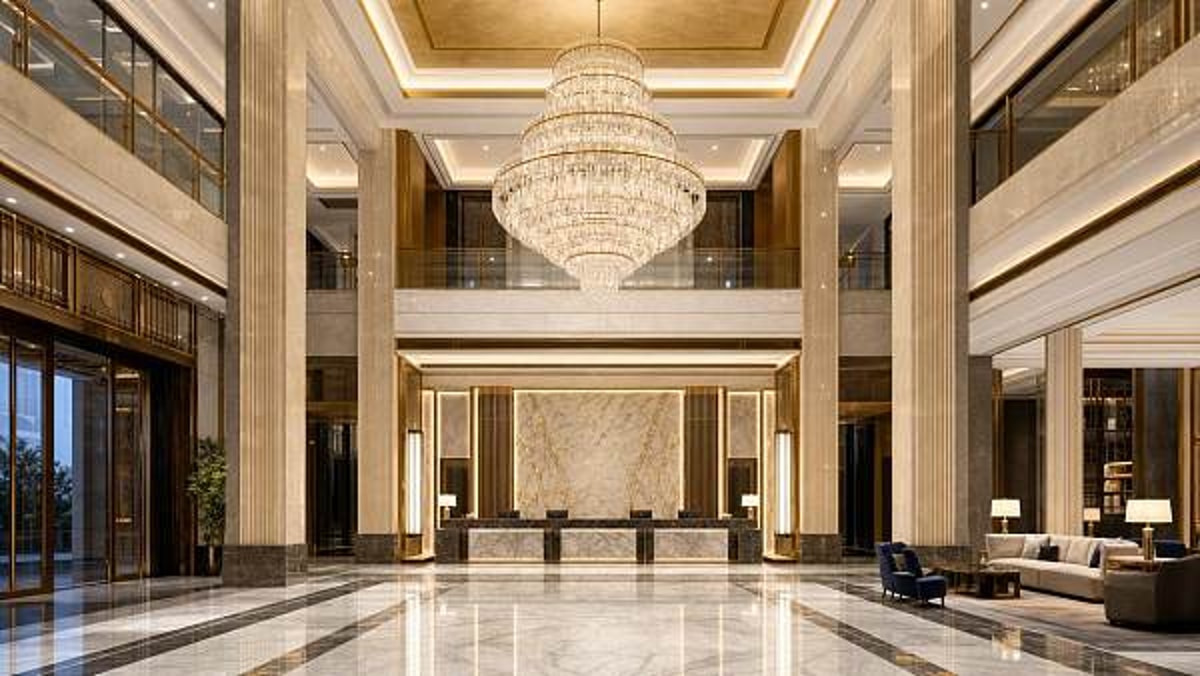
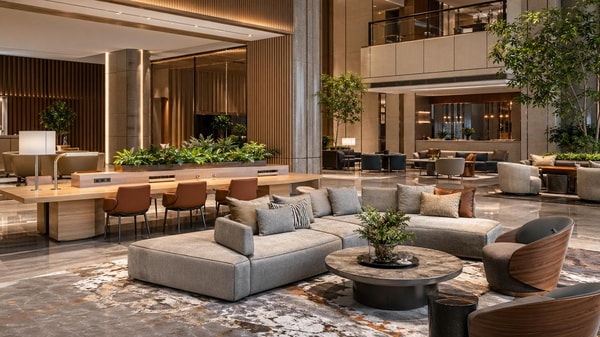
In hotel development, the lobby is not simply a circulation space. It is the stage where guests form their first emotional judgment about brand level, service quality, and property value. That is why hotel lobby chandeliers carry more responsibility than decorative lighting in many other commercial interiors. They influence visual hierarchy, spatial orientation, mood, and guest behavior within seconds of entry.
For project managers, the issue is not only aesthetics. The chandelier must fit architecture, support wayfinding, align with ceiling engineering, and work with the overall lighting plan. If the fixture is oversized, the lobby can feel compressed, theatrical in the wrong way, or even operationally awkward. If it is undersized, the space may appear unfinished, budget-driven, or lacking confidence. In both cases, the arrival experience weakens because the visual anchor no longer supports the intended brand story.
This is especially important in premium hospitality, mixed-use developments, and international hotel projects where investors expect every design decision to contribute to positioning. A chandelier that is incorrectly sized can diminish expensive finishes, confuse circulation, and create tension between front desk placement, seating clusters, and vertical volume. In practical terms, hotel lobby chandeliers are often one of the few elements that guests remember in detail, which makes sizing a strategic decision rather than a decorative afterthought.
What are the most common chandelier sizing mistakes in hotel lobbies?
The most common mistake is relying on simple residential rules in a commercial hospitality setting. Hotel lobbies have more complex proportions, layered sightlines, brand requirements, and code constraints. A fixture that looks acceptable on a mood board can fail once it is viewed from the porte-cochere, reception approach, mezzanine edge, or elevator bank.
Another frequent mistake is sizing the chandelier only by ceiling height. While vertical clearance is critical, diameter, drop length, visual density, and material reflectivity matter just as much. A narrow but very dense fixture may visually dominate a space more than a wider open-frame design. Likewise, a transparent crystal form may read lighter than a bronze-and-stone fixture of the same dimensions.
Project teams also underestimate the impact of viewpoint diversity. Guests do not experience hotel lobby chandeliers from one fixed position. They see them from vehicle arrival, revolving doors, lounge seating, check-in queues, and upper-floor corridors. A chandelier that appears balanced from the center of the lobby may feel too low from one angle or too small against a double-height wall from another.
A final mistake is separating chandelier selection from MEP coordination and structural planning. In many projects, the decorative concept is approved before final load data, maintenance access, dimming requirements, and ceiling integration are fully resolved. This often leads to late-stage compromises that change the apparent scale of the fixture or force awkward installation positions.
How does the wrong size affect guest perception, circulation, and brand value?
When hotel lobby chandeliers are too large, the first risk is psychological compression. Even in a tall lobby, a chandelier with excessive drop or diameter can reduce the feeling of openness that luxury hospitality depends on. Guests may not consciously identify the cause, but they often describe the space as heavy, crowded, or less refined. This weakens the premium impression that owners and operators are trying to create.
Oversized fixtures can also interfere with circulation logic. If a chandelier visually blocks the natural path from entry to reception, guests may hesitate or drift toward lounge zones before understanding where to go. In busy hotels, this can affect queue management, sightlines to signage, and staff visibility. The arrival experience becomes less intuitive, which is a major operational issue during peak check-in periods.
When hotel lobby chandeliers are too small, the problem is different but equally damaging. The space loses its focal point. Large lobby volumes need a clear visual center to feel intentional. Without it, expensive stone floors, feature walls, and custom furniture may seem disconnected. Guests may interpret this as a lack of design coherence rather than a simple sizing miscalculation.
Brand value is also at stake. In luxury and upper-upscale properties, arrival design communicates confidence. A chandelier that feels timid in scale can make the entire development appear conservative or value-engineered. For hotel groups competing in experience-led markets, that subtle perception can affect guest reviews, event bookings, and even owner satisfaction with the finished asset.
How should project managers judge the right size for hotel lobby chandeliers?
The best approach is to evaluate size through a combination of architecture, operations, and brand intent rather than a single formula. Start with the true role of the chandelier in the lobby. Is it the main focal point above a central void, a reception marker, a sculptural element for a lounge zone, or part of a multi-fixture composition? The answer changes what “right size” means.
Next, assess the room volume and the proportion of visible ceiling plane. A chandelier in a wide, low lobby should be judged differently from one in a narrow but tall atrium. Diameter must respond to the horizontal field, while suspended height and composition must respond to vertical drama and human clearance. This is why hotel lobby chandeliers should always be reviewed in section and perspective, not just reflected ceiling plans.
It is also critical to map key sightlines. Review the fixture from the main entrance, check-in queue, concierge point, seating groups, escalators, and upper-level overlooks. If the chandelier appears disconnected, too low, or visually weak from any primary guest viewpoint, the size is probably not yet resolved. Mockups, 3D renders with realistic furniture scales, and on-site laser reference points can significantly improve decision quality.
Finally, involve engineering early. Weight, suspension method, maintenance access, dimming control, emergency lighting interaction, and cleaning strategy all affect what is feasible. In large hospitality projects, the ideal decorative scale must survive real-world installation logic. The most successful hotel lobby chandeliers are those that balance visual ambition with operational realism.
Quick judging table for hotel lobby chandeliers
The table below can help project leaders review common sizing signals before final approval.
Which technical and procurement issues are often overlooked when sizing chandeliers?
Many teams focus on appearance first and discover technical limits too late. One of the biggest hidden issues is structural loading. Large hotel lobby chandeliers may require reinforcement, secondary support systems, vibration control, or customized anchoring methods. If these are not considered during early design coordination, the final installed fixture may be downsized or repositioned, compromising the concept.
Maintenance access is another common blind spot. A dramatic chandelier may look perfect in renderings, but if lamps, drivers, crystal elements, or cleaning points cannot be reached safely, operations become costly and disruptive. Engineering leads should ask whether maintenance will require lift access, hoist systems, modular lowering mechanisms, or closure of guest areas. These realities often influence the acceptable size and complexity of the fixture.
Lead time and fabrication tolerance also matter. Bespoke hotel lobby chandeliers often involve custom metalwork, glass, crystal, stone, or integrated controls. Larger sizes increase packaging demands, site handling complexity, and installation sequence risk. For global sourcing teams, that means approvals should include shop drawings, segment dimensions, material finish samples, and clear logistical planning for delivery into restricted hotel construction sites.
Compliance cannot be ignored either. Depending on the market, project teams may need to verify fire performance, electrical certification, emergency interface compatibility, seismic restraint, and local code acceptance. In international hospitality procurement, the right-sized fixture is not just the one that looks best; it is the one that can be approved, shipped, installed, and maintained without surprise redesign.
How can teams avoid expensive mistakes before final selection?
The most effective method is to treat chandelier sizing as a cross-functional checkpoint instead of a late decorative decision. Bring together interior design, lighting design, architecture, engineering, procurement, and hotel operations before issuing the final order. Each group sees risks that others may miss, and hotel lobby chandeliers perform best when these perspectives are aligned early.
Use full-context visualization. A fixture should be reviewed with actual lobby materials, front desk scale, seating layouts, signage, and daylight conditions. Isolated product renders rarely tell the truth. If possible, compare at least two or three scale options in the same model. Small percentage differences in diameter or drop can dramatically change perception in hospitality spaces.
Ask practical scenario questions. Will the chandelier still feel balanced during a crowded group check-in? Does it support photography and social sharing? Does it interfere with Christmas installations, floral displays, or seasonal branding activations? Can it coexist with acoustic requirements and sprinkler locations? These are not secondary details; they directly affect whether hotel lobby chandeliers succeed over the life of the property.
It is also wise to validate supplier capability, especially for custom hospitality lighting. Review similar completed projects, fabrication controls, finish consistency, packaging methods, and after-sales support. A competent sourcing partner should help optimize scale, not just manufacture a requested dimension. In complex commercial environments, that collaborative intelligence often prevents costly redesign and protects schedule certainty.
What should project managers confirm before procurement and installation begin?
Before approving hotel lobby chandeliers for production, project managers should confirm several points in writing. First, verify the intended visual role of the fixture and the exact reference drawings used for approval. Second, confirm finished dimensions, weight, hanging points, and required clearances from all architectural and MEP elements. Third, review control systems, lighting output expectations, and maintenance procedures so there is no gap between design intent and operating reality.
It is equally important to confirm installation sequencing. Large chandeliers may need to be installed before certain finishes, after scaffolding removal, or in coordination with ceiling closure. Access routes, lifting strategy, protective wrapping, and site storage conditions should all be defined early. For international projects, customs timing and local assembly supervision can also affect schedule reliability.
If you need to move forward with a sourcing, specification, or supplier review process, the most useful questions to discuss first are these: What guest impression should the lobby create in the first five seconds? Which sightlines are non-negotiable? What size range is structurally realistic? What maintenance approach is acceptable for operations? What compliance standards must the chandelier meet in the destination market? And what evidence can the supplier provide from comparable hotel projects? Those questions help transform hotel lobby chandeliers from a risky decorative purchase into a controlled commercial decision.
Search News
Hot Articles
- Commercial KitchenStainless steel GN pans with reinforced corners last longer in busy kitchensMay 02, 2026
- Hotel Room AmenitiesMemory foam hotel mattresses: when soft comfort leads to faster saggingMay 02, 2026
- Hotel Room AmenitiesElectronic hotel door locks: battery alerts are often less simple than they seemMay 02, 2026
Popular Tags
Need ExpertConsultation?
Connect with our specialized leisureengineering team for procurementstrategies.
Recommended News
 May 02, 2026Memory foam hotel mattresses: when soft comfort leads to faster saggingMemory foam hotel mattresses may feel luxurious at first, but can soft comfort cause faster sagging? Discover how buyers can reduce risk, improve durability, and protect hotel ROI.● Hospitality Sourcing Dir
 May 02, 2026Electronic hotel door locks: battery alerts are often less simple than they seemElectronic hotel door locks battery alerts are more complex than they appear. Learn how firmware, usage, and environment affect reliability, maintenance efficiency, and smarter sourcing.● Hospitality Sourcing Dir
 May 02, 2026Hotel housekeeping carts: the layout detail that saves minutes on every floorHotel housekeeping carts can save minutes on every floor. Discover how smarter cart layout improves workflow, reduces labor strain, and supports faster, more consistent room turnover.● Hospitality Sourcing Dir
 May 02, 2026Wholesale hotel safes: keypad reliability matters more than extra featuresWholesale hotel safes should be judged by keypad reliability first. Discover the checklist that helps buyers reduce lockouts, maintenance costs, and guest complaints.● Hospitality Sourcing Dir
 May 02, 2026Hotel lobby chandeliers: how size mistakes affect the whole arrival experienceHotel lobby chandeliers can make or break first impressions. Learn how sizing mistakes affect luxury, circulation, and brand value—and how to choose the right scale.● Hospitality Sourcing Dir
 May 02, 2026Industrial ironing machines: steam output is not the only thing to compareIndustrial ironing machines should be compared by more than steam output. Discover how temperature control, pressure stability, efficiency, and durability affect real commercial performance.● Hospitality Sourcing Dir
 May 02, 2026Blackout curtains for hotels that block light without trapping heatBlackout curtains for hotels that block light without trapping heat—discover smarter fabrics, thermal comfort benefits, and sourcing tips for better guest sleep and hotel performance.● Hospitality Sourcing Dir
 May 02, 2026Hotel luggage carts: why wheel quality matters more than frame finishHotel luggage carts perform best when wheel quality comes first. Discover how better casters reduce noise, protect floors, improve handling, and lower long-term hotel maintenance costs.● Hospitality Sourcing Dir
 May 02, 2026Custom printed hotel key cards: PVC or wood for a better guest feel?Custom printed hotel key cards: compare PVC and wood to find the best mix of guest feel, durability, sustainability, and brand impact for smarter hotel sourcing.● Hospitality Sourcing Dir
 May 02, 2026Commercial laundry equipment sizing mistakes that raise utility billsCommercial laundry equipment sizing mistakes can quietly drive up water, energy, and labor costs. Learn the biggest planning errors and how smarter sizing protects budgets and efficiency.● Hospitality Sourcing Dir
 May 02, 2026Why some wholesale bath towels for hotels wear out too fastWholesale bath towels for hotels can wear out fast due to fiber quality, GSM, weave, and laundering mismatch. Learn how to choose durable towels that cut replacement costs and protect guest experience.● Hospitality Sourcing Dir
 May 01, 2026Hotel Desks That Work for Both Business Guests and Small RoomsHotel desks for compact rooms: learn how to choose durable, space-saving, business-friendly designs that improve guest satisfaction and simplify hotel procurement.● Hospitality Sourcing Dir
 May 01, 2026Hotel Slippers in Bulk: Cheap Pairs Can Hurt Guest PerceptionHotel slippers bulk choices affect more than cost. Discover how cheap pairs can damage guest perception, comfort, and brand value—and how smarter sourcing improves reviews.● Hospitality Sourcing Dir
 May 01, 2026Hotel Room Furniture Sets That Balance Style and Replacement CostHotel room furniture sets that combine style, durability, and lower replacement cost. Discover a practical checklist for smarter sourcing, better lifecycle value, and reliable hospitality project results.● Hospitality Sourcing Dir
 May 01, 2026Hotel Bed Linens Wholesale Quality Checks Before Large OrdersHotel bed linens wholesale quality checks: learn how to verify fabric strength, shrinkage, stitching, wash durability, and supplier reliability before placing large hotel bedding orders.● Hospitality Sourcing Dir
 May 01, 2026Hotel Bathroom Amenities That Shape First Impressions FastHotel bathroom amenities shape guest first impressions fast. Discover how the right choices improve brand image, efficiency, and perceived quality from day one.● Hospitality Sourcing Dir
 Apr 30, 2026Hotel cabinets that look custom without custom lead timesHotel cabinets that look custom without long custom lead times. Learn how to balance brand style, durability, and faster installation for hotel projects.● Hospitality Sourcing Dir
 Apr 30, 2026Hotel sofas that hold shape better in high turnover roomsHotel sofas that keep their shape longer in high-turnover rooms. Learn what frame, cushion, and upholstery specs improve durability, guest appeal, and lifecycle value.● Hospitality Sourcing Dir
 Apr 30, 2026Hotel wardrobes that save space without looking budgetHotel wardrobes that save space without looking budget: discover premium, durable designs, smart specs, and sourcing tips to maximize guestroom value.● Hospitality Sourcing Dir
 Apr 30, 2026Hotel room furniture mistakes that quietly hurt guest comfortHotel room furniture mistakes can quietly damage guest comfort, reviews, and brand value. Learn how smarter layout, sizing, and material choices improve hotel room performance.● Hospitality Sourcing Dir
 Apr 30, 2026What makes hotel outdoor furniture easier to maintainHotel outdoor furniture is easier to maintain when it uses weather-resistant materials, smart construction, and replaceable parts. Learn how to cut upkeep and improve long-term value.● Hospitality Sourcing Dir
 Apr 30, 2026Hotel lobby furniture trends shifting guest first impressionsHotel lobby furniture trends are redefining first impressions with modular comfort, brand storytelling, tech integration, and durable style that elevates guest experience.● Hospitality Sourcing Dir
 Apr 30, 2026Why some hotel nightstands wear out faster than expectedHotel nightstands wear out faster when materials, edge sealing, and hardware are underspecified. Learn how to spot durable options, reduce lifecycle costs, and source smarter for hospitality projects.● Hospitality Sourcing Dir
 Apr 28, 2026Iranian Delegation at Sanya Asian Beach Games Spurs Halal-Certified Hardware DemandHalal-certified hardware demand surges after Iranian delegation’s cultural showcase at Sanya Asian Beach Games—key for GCC event tech exporters.● Hospitality Sourcing Dir