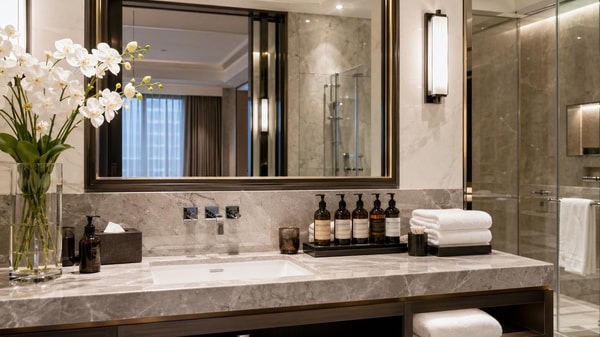
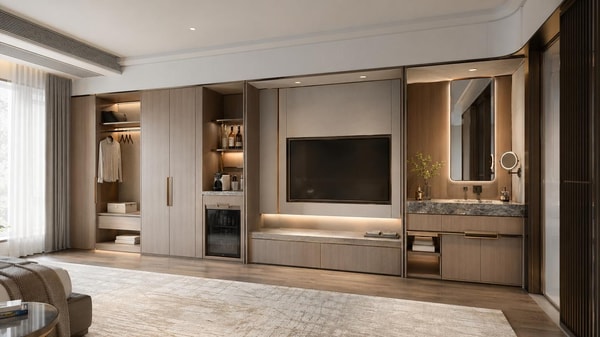
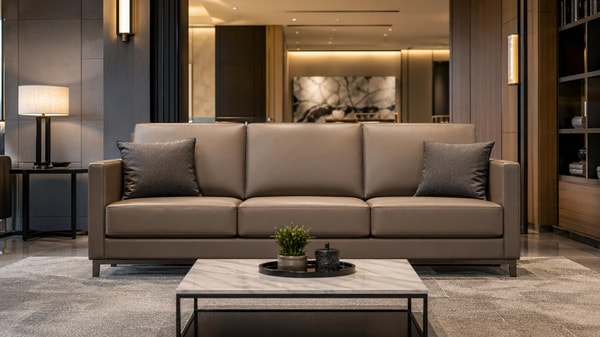
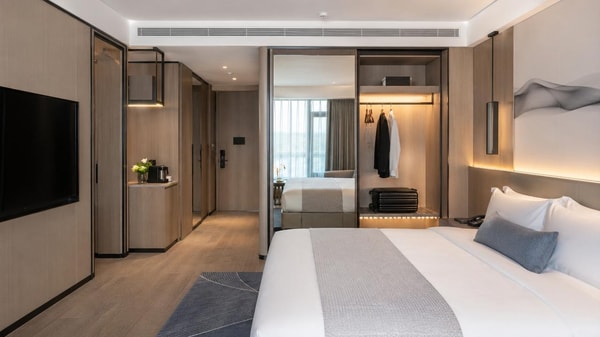
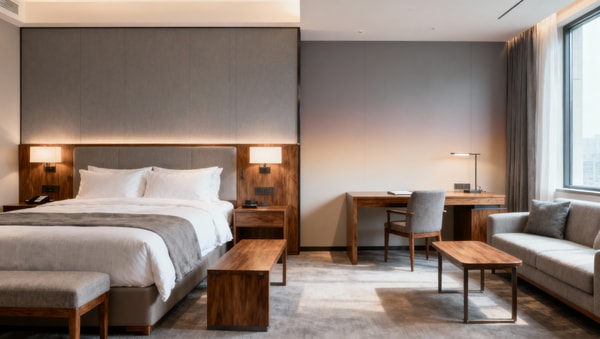
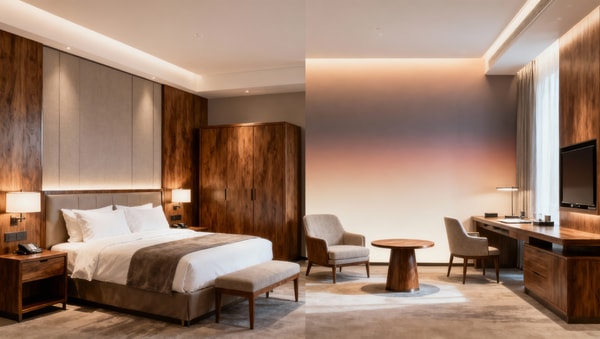
Hotel Room Furniture Sets That Balance Style and Replacement Cost
Choosing hotel room furniture sets is a strategic decision for project managers balancing guest experience, brand image, and long-term replacement cost. The right solution must combine durable materials, consistent design, and procurement efficiency to support both operational performance and budget control. This guide explores how to evaluate furniture sets that deliver style, lifecycle value, and sourcing reliability for modern hospitality projects.
Why a checklist approach works better for hotel furniture decisions
For project managers, hotel room furniture sets are never just a design purchase. They affect installation timelines, room turnover, maintenance frequency, replacement planning, guest reviews, and owner expectations. A visually attractive package can still become expensive if finishes chip early, dimensions complicate housekeeping, or replacement parts are difficult to source across multiple properties.
A checklist-based evaluation helps decision-makers compare suppliers and product lines on the factors that matter most: durability, design consistency, standardization, compliance, logistics, and total lifecycle cost. It also reduces subjective decisions during brand presentations and keeps cross-functional stakeholders aligned, especially when procurement, design, operations, and ownership teams have different priorities.
Start with these priority checks before comparing styles
Before discussing colors, wood grains, or decorative details, project teams should confirm the basic commercial fit of the hotel room furniture sets under review. These first-step checks prevent costly rework later in the process.
- Confirm the room category mix. Standard rooms, suites, extended-stay rooms, and serviced apartments may require different bed bases, storage volumes, work surfaces, and seating layouts.
- Define the expected replacement cycle. A budget hotel may prioritize easy swap-out components, while an upscale property may invest in higher-grade materials with longer refurbishment intervals.
- Check operational traffic and use patterns. Furniture in airport hotels, convention hotels, and resort properties experiences different wear conditions.
- Review local compliance needs. Fire performance, low-emission materials, edge safety, and electrical integration requirements vary by market.
- Validate repeat-order capability. Hotel room furniture sets should remain available or reproducible for future expansion phases and replacement programs.
Core checklist: how to judge style and replacement cost together
1. Material durability should support the brand promise
Material choice has the biggest impact on long-term replacement cost. Veneer, laminate, solid wood components, engineered board, powder-coated metal, upholstered panels, and stone-look surfaces each perform differently. For high-turnover guest rooms, the goal is not the most expensive material, but the most appropriate one for the operating environment.
Ask suppliers to specify substrate density, edge banding method, scratch resistance, moisture performance, and finish repairability. Hotel room furniture sets with reinforced corners, sealed edges, and replaceable high-contact surfaces usually perform better over time than visually similar sets with lighter construction.
2. Design consistency matters more than one standout piece
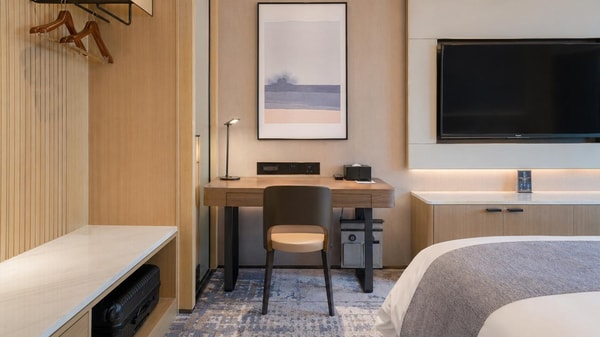
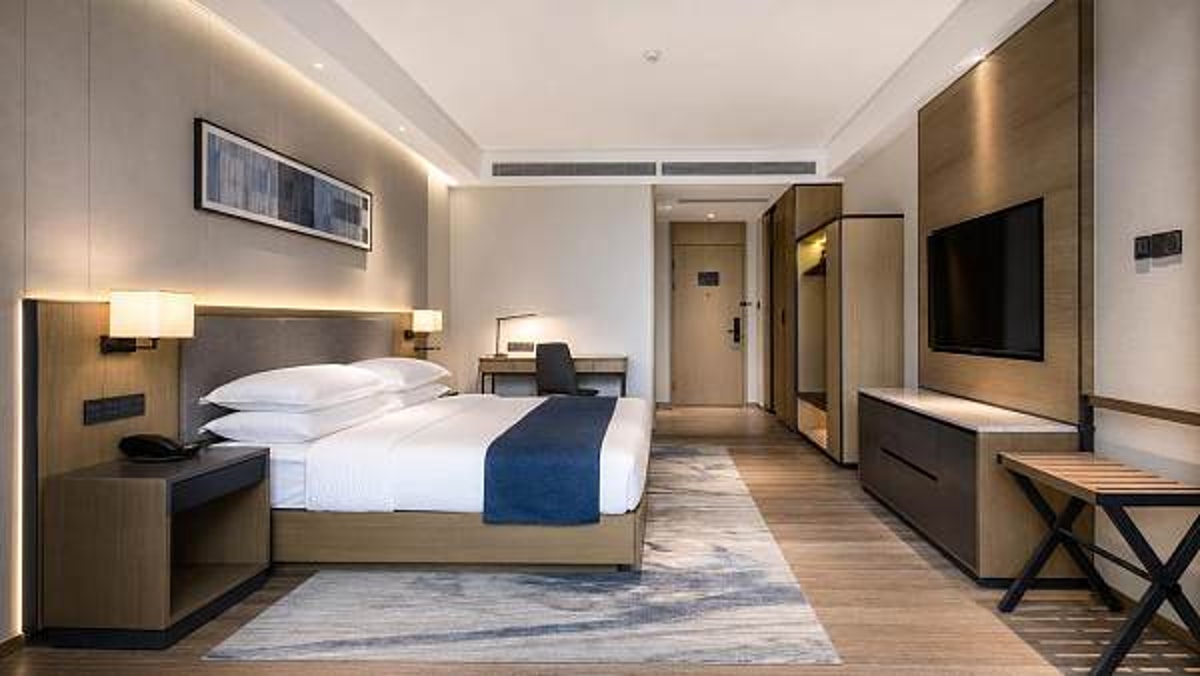
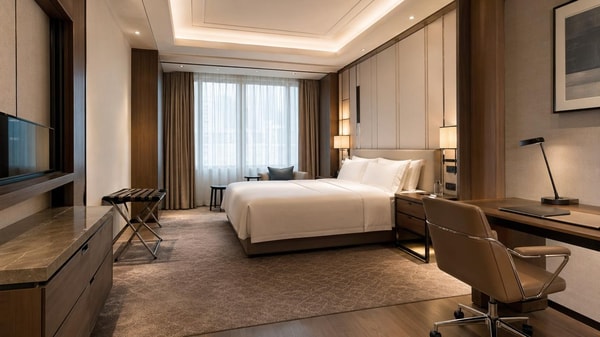
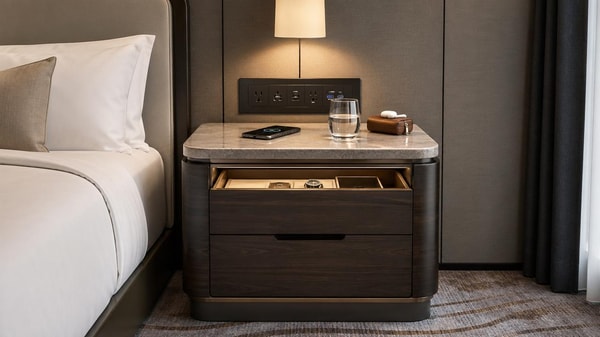
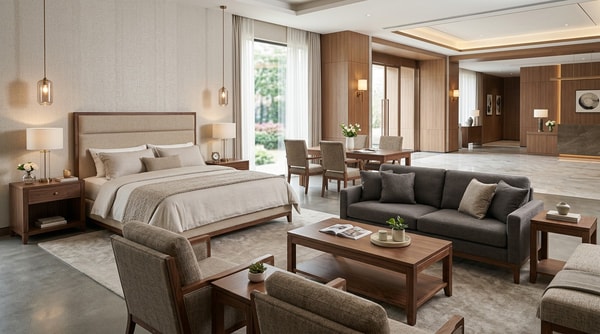
A coordinated set should create a coherent guest experience across the bed base, headboard, nightstand, desk, luggage bench, media unit, wardrobe, and accent seating. Project managers should evaluate whether the collection can maintain finish consistency across batches and across properties, not just in a showroom sample.
The most cost-effective hotel room furniture sets often use a repeatable design language with selective premium accents. This approach preserves the visual identity of the brand while reducing the risk of expensive custom replacements when one item is discontinued.
3. Standardization lowers future replacement cost
Furniture sets that share common hardware, modular dimensions, and interchangeable panels simplify maintenance. Standard drawer runners, hinges, pull handles, and upholstery specifications make room repairs faster and reduce spare part inventory complexity.
When reviewing hotel room furniture sets, check whether the supplier can provide component maps, part codes, and standard tolerance ranges. The ability to replace a damaged door panel or top surface instead of the whole casegood can significantly improve lifecycle value.
4. Cleaning and maintenance should be designed in
Housekeeping teams interact with guest room furniture every day, so maintenance friendliness directly affects labor cost and appearance retention. Surfaces that trap dust, open grain finishes that absorb stains, and deeply recessed detailing may look impressive at handover but become operational problems later.
Good hotel room furniture sets should support easy wiping, practical under-clearance, protected kick areas, and stain-resistant upholstery where seating is included. These details reduce visible wear and help rooms stay inspection-ready.
5. Replacement logistics must be realistic
Even well-built furniture will eventually require replacement. The real question is how efficiently that process can happen. Project managers should confirm lead times for repeat orders, packaging protection standards, minimum reorder quantities, and the supplier’s ability to ship partial replacement lots.
If a supplier only supports large-volume production runs, replacement cost can rise sharply for small maintenance orders. The best hotel room furniture sets are backed by a sourcing program that supports both initial fit-out and long-term replenishment.
Quick comparison table for project evaluation
Scenario-based checks: what changes by hotel type
Luxury and upscale properties
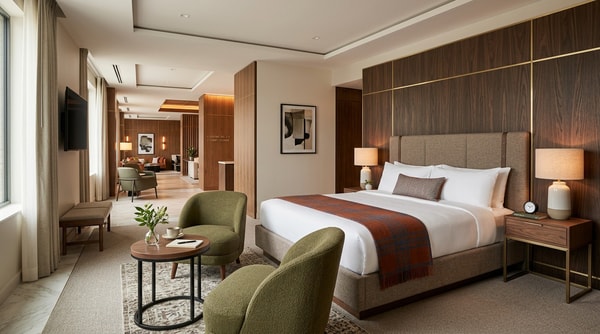
In premium segments, style has stronger influence on guest perception and ADR positioning, but replacement cost still matters. Focus on tactile quality, finish depth, integrated lighting details, and custom accents that can be reproduced later. For these projects, hotel room furniture sets should include a documented strategy for matching veneer, stone-effect surfaces, metal finishes, and upholstery lots over time.
Midscale and business hotels
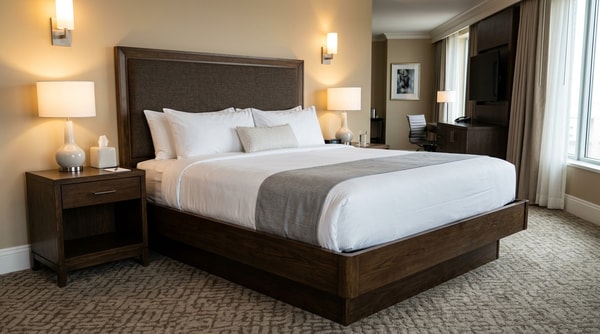
Here, the balance typically shifts toward robustness, cleaning efficiency, and standardization. Desks, bedside units, and luggage benches should be compact, durable, and easy to replace. Hotel room furniture sets for this segment often perform best when they use simple geometries, protected edges, and hardware that local maintenance teams can service without specialist tools.
Extended-stay and serviced accommodation
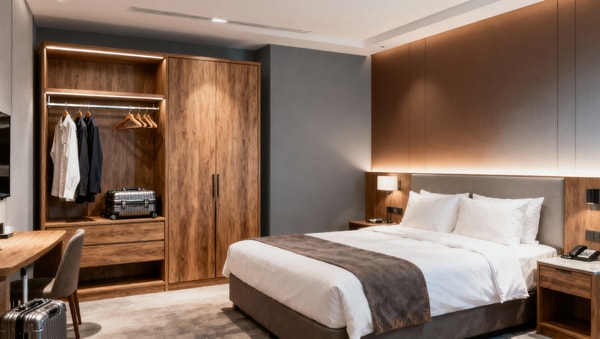
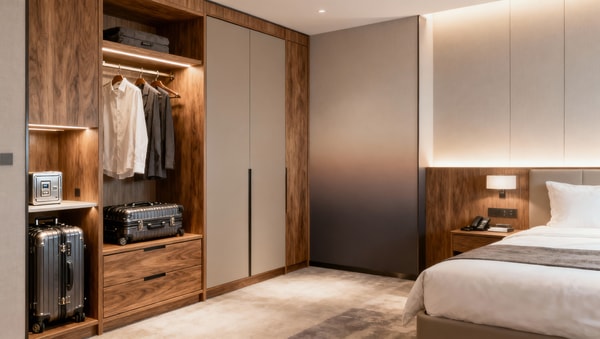
Longer guest stays increase wear on wardrobes, seating, tables, and storage components. In these rooms, hotel room furniture sets should be reviewed for functional ergonomics, drawer capacity, upholstery durability, and adaptability to mixed work-and-rest use. Replacement cost rises quickly if furniture fails under residential-style usage patterns.
Common oversights that raise replacement cost later
- Choosing a highly customized finish without confirming future material availability.
- Approving prototypes without reviewing full-room mock-up ergonomics and housekeeping access.
- Ignoring packaging quality, which leads to damage during international transport or site handling.
- Using non-standard electrical integrations in headboards or desks without replacement planning.
- Comparing initial purchase price only, instead of total installed and replacement cost over the refurbishment cycle.
- Failing to align furniture specifications with local contractor installation capability.
Execution advice for sourcing teams and project managers
To move from concept approval to reliable procurement, project managers should organize furniture evaluation into clear decision stages. This is where commercial sourcing expertise becomes critical. A supplier or sourcing partner should be able to support technical documentation, commercial comparison, and long-term supply continuity, not just sample production.
- Create a room-by-room furniture matrix covering dimensions, materials, usage intensity, and target replacement cycle.
- Ask for finish boards, hardware specifications, and construction details for each furniture category.
- Run a total cost review that includes freight, installation, spare parts, warranty response, and phased reorder pricing.
- Inspect mock-up rooms under real operating conditions, including housekeeping movement and guest luggage interaction points.
- Negotiate a post-installation support plan for replacement parts, finish matching, and minimum reorder terms.
What to prepare before requesting quotations for hotel room furniture sets
Better RFQs produce better pricing and fewer delays. Before approaching manufacturers or sourcing platforms, prepare the information that allows accurate technical and commercial assessment.
- Room types and quantities by phase
- Brand positioning and target guest profile
- Material preferences and restricted finishes
- Required standards for fire safety, emissions, and electrical integration
- Target lead time, installation window, and site access conditions
- Expected warranty terms and spare part support period
FAQ: practical questions project teams often ask
Should hotel room furniture sets be fully custom or semi-standard?
For most projects, semi-standard solutions with targeted customization offer the best balance. They preserve brand character while improving production efficiency and lowering future replacement cost.
How can teams protect design quality in phased hotel openings?
Use approved finish references, sample retention, documented tolerances, and a supplier commitment to repeatability. This is especially important when hotel room furniture sets are installed in multiple phases or across multiple properties.
What is the biggest warning sign during supplier evaluation?
If a supplier can show attractive samples but cannot explain replacement part strategy, packaging performance, or repeat-order capability, the long-term risk is high. Commercial furniture sourcing must be supported by process, not presentation alone.
Final decision guide and next step
The most effective hotel room furniture sets are not simply stylish or low priced. They are operationally smart, commercially repeatable, and engineered for a realistic replacement cycle. For project managers, the winning choice usually combines durable materials, controlled customization, easy maintenance, and dependable reorder support.
If your team is moving into concept validation, supplier shortlisting, or tender preparation, the next conversation should focus on specifications, room mix, target budget, compliance requirements, production lead time, and future replacement planning. Clarifying those items early will make it easier to source hotel room furniture sets that protect both guest experience and long-term project value.
Search News
Hot Articles
- Musical InstrumentsChina Table Tennis Team Departs for London; BS EN 14904:2021 Takes EffectMay 01, 2026
- Outdoor RidesSanya Asian Beach Games Closure Triggers Halal Certification Demand for Sand Sports EquipmentMay 01, 2026
- Outdoor RidesAI Football Training Robots Export Surge After Man Utd MatchMay 01, 2026
Popular Tags
Need ExpertConsultation?
Connect with our specialized leisureengineering team for procurementstrategies.
Recommended News
 May 01, 2026Hotel Desks That Work for Both Business Guests and Small RoomsHotel desks for compact rooms: learn how to choose durable, space-saving, business-friendly designs that improve guest satisfaction and simplify hotel procurement.● Hospitality Sourcing Dir
 May 01, 2026Hotel Slippers in Bulk: Cheap Pairs Can Hurt Guest PerceptionHotel slippers bulk choices affect more than cost. Discover how cheap pairs can damage guest perception, comfort, and brand value—and how smarter sourcing improves reviews.● Hospitality Sourcing Dir
 May 01, 2026Hotel Room Furniture Sets That Balance Style and Replacement CostHotel room furniture sets that combine style, durability, and lower replacement cost. Discover a practical checklist for smarter sourcing, better lifecycle value, and reliable hospitality project results.● Hospitality Sourcing Dir
 May 01, 2026Hotel Bed Linens Wholesale Quality Checks Before Large OrdersHotel bed linens wholesale quality checks: learn how to verify fabric strength, shrinkage, stitching, wash durability, and supplier reliability before placing large hotel bedding orders.● Hospitality Sourcing Dir
 May 01, 2026Hotel Bathroom Amenities That Shape First Impressions FastHotel bathroom amenities shape guest first impressions fast. Discover how the right choices improve brand image, efficiency, and perceived quality from day one.● Hospitality Sourcing Dir
 Apr 30, 2026Hotel cabinets that look custom without custom lead timesHotel cabinets that look custom without long custom lead times. Learn how to balance brand style, durability, and faster installation for hotel projects.● Hospitality Sourcing Dir
 Apr 30, 2026Hotel sofas that hold shape better in high turnover roomsHotel sofas that keep their shape longer in high-turnover rooms. Learn what frame, cushion, and upholstery specs improve durability, guest appeal, and lifecycle value.● Hospitality Sourcing Dir
 Apr 30, 2026Hotel wardrobes that save space without looking budgetHotel wardrobes that save space without looking budget: discover premium, durable designs, smart specs, and sourcing tips to maximize guestroom value.● Hospitality Sourcing Dir
 Apr 30, 2026Hotel room furniture mistakes that quietly hurt guest comfortHotel room furniture mistakes can quietly damage guest comfort, reviews, and brand value. Learn how smarter layout, sizing, and material choices improve hotel room performance.● Hospitality Sourcing Dir
 Apr 30, 2026What makes hotel outdoor furniture easier to maintainHotel outdoor furniture is easier to maintain when it uses weather-resistant materials, smart construction, and replaceable parts. Learn how to cut upkeep and improve long-term value.● Hospitality Sourcing Dir
 Apr 30, 2026Hotel lobby furniture trends shifting guest first impressionsHotel lobby furniture trends are redefining first impressions with modular comfort, brand storytelling, tech integration, and durable style that elevates guest experience.● Hospitality Sourcing Dir
 Apr 30, 2026Why some hotel nightstands wear out faster than expectedHotel nightstands wear out faster when materials, edge sealing, and hardware are underspecified. Learn how to spot durable options, reduce lifecycle costs, and source smarter for hospitality projects.● Hospitality Sourcing Dir
 Apr 28, 2026Iranian Delegation at Sanya Asian Beach Games Spurs Halal-Certified Hardware DemandHalal-certified hardware demand surges after Iranian delegation’s cultural showcase at Sanya Asian Beach Games—key for GCC event tech exporters.● Hospitality Sourcing Dir
 Apr 27, 2026Iranian Delegation’s Ritual Gesture at Sanya ASG Sparks Mideast Hospitality Procurement ShiftIranian delegation's ritual gesture at Sanya ASG sparks Middle East hospitality procurement shift—key for hotel amenities, travel services & cultural compliance.● Hospitality Sourcing Dir
 Apr 28, 2026Hotel Beds in 2026 Are Being Chosen for Sleep Quality, Not Just StyleHotel beds, hotel furniture, and custom furniture in 2026 are defined by sleep quality, durability, and guest value—see how luxury furniture buyers source smarter.● Hospitality Sourcing Dir
 Apr 28, 2026Cheap Hotel Furniture Can Raise Costs Later in Unexpected WaysHotel furniture buying guide: compare hotel beds, hotel chairs, hotel tables, custom furniture and luxury furniture to avoid hidden costs and choose durable hotel equipment.● Hospitality Sourcing Dir
 Apr 28, 2026Hotel Furniture Replacement Cycles Are Changing in 2026Hotel furniture trends for 2026: discover smarter replacement cycles for hotel beds, hotel chairs, hotel tables, luxury furniture, and custom furniture to boost ROI and guest appeal.● Hospitality Sourcing Dir
 Apr 28, 2026Why Do Some Hotel Beds Get Complaints Faster Than Others?Hotel beds complaints often start with poor specs, not looks. Learn how hotel furniture, custom furniture, luxury furniture, hotel chairs, hotel tables, and hotel equipment affect guest satisfaction.● Hospitality Sourcing Dir
 Apr 28, 2026Hotel Beds: Which Frame and Mattress Setup Lasts Longer?Hotel beds guide: compare frame and mattress setups that last longer, with insights on hotel furniture, custom furniture, luxury furniture, hotel chairs and hotel tables.● Hospitality Sourcing Dir
 Apr 27, 2026Is Luxury Jewelry for Hotels a Smart Investment?Luxury jewelry for hotels: see how a custom jewelry manufacturer helps hotels turn custom luxury jewelry into brand value, guest appeal, and profitable luxury jewelry B2B growth.● Hospitality Sourcing Dir
 Apr 21, 2026Open or closed hotel wardrobes for easier housekeeping?Hotel wardrobes affect housekeeping speed, guest appeal, and hospitality procurement. Compare open vs closed designs for hotel furniture, luxury furniture, and hotel room furniture planning.● Hospitality Sourcing Dir
 Apr 21, 2026Hotel wardrobes that fit luggage without wasting spaceHotel wardrobes that fit luggage smartly without wasting space—explore hotel furniture solutions that elevate hotel room furniture, support hospitality procurement, and enhance guest comfort.● Hospitality Sourcing Dir
 Apr 21, 2026Why hotel room furniture wears unevenly after openingHotel furniture wear starts unevenly from day one. Learn how hotel beds, hotel chairs, hotel desks and hotel room furniture perform in real use, with smart hospitality procurement tips.● Hospitality Sourcing Dir
 Apr 21, 2026Hotel room furniture packages that cut design mismatchHotel room furniture packages align hotel furniture, hotel beds, hotel chairs, hotel tables, and hotel desks with luxury furniture standards—reducing design mismatch and speeding hospitality procurement.● Hospitality Sourcing Dir