Hotel Slippers in Bulk: Cheap Pairs Can Hurt Guest Perception
Choosing hotel slippers bulk may seem like a simple cost decision, but low-quality pairs can quietly damage guest perception, comfort, and brand standards. For procurement teams balancing budget, consistency, and supplier reliability, the real question is not just price per pair, but how slipper quality influences reviews, repeat stays, and overall hospitality experience.
Understanding the real role of hotel slippers bulk in hospitality
In many properties, slippers are treated as a low-value consumable. They are ordered in volume, stored with other room amenities, and evaluated mainly by unit cost. Yet in practice, hotel slippers bulk is not just an inventory line. It is a guest-contact product that sits at the intersection of hygiene, comfort, presentation, and brand experience.
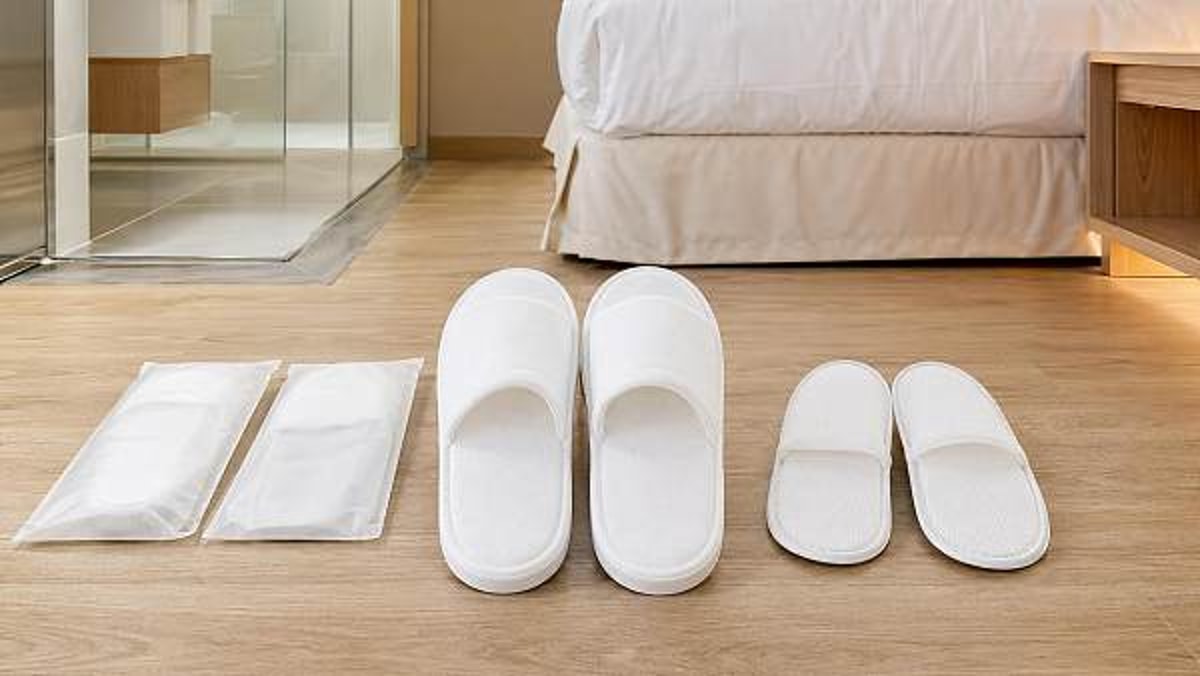
Unlike back-of-house supplies, slippers are physically worn, visually inspected, and often associated with relaxation. Guests notice whether a pair feels soft or flimsy, whether the sole is quiet on the floor, whether sizing is practical, and whether packaging looks clean and intentional. A cheap pair may save cents at purchase, but it can create a low-end impression that is out of step with a hotel’s room rate, design concept, or service promise.
For procurement professionals, this makes hotel slippers bulk a quality-sensitive category rather than a purely cost-sensitive one. The best sourcing decisions are based on lifecycle value: guest satisfaction, complaint reduction, replenishment efficiency, and alignment with overall brand standards.
Why the industry pays closer attention to slipper quality today
Hospitality has entered an era where small details are amplified. Online reviews, social content, brand comparison, and premiumization trends have made minor room amenities more visible than before. A guest may never mention a technically acceptable towel, but they often remember details that feel unexpectedly cheap in an otherwise premium room.
Several trends explain why hotel slippers bulk now matters more. First, guest expectations have risen across both luxury and midscale segments. Second, wellness, cleanliness, and in-room comfort are now stronger decision factors. Third, many hotel groups are standardizing procurement across regions, so consistency of amenity quality has become strategically important. Finally, supply chain volatility has taught buyers that the cheapest offer can bring hidden risks in material inconsistency, late delivery, and compliance gaps.
This is where a sourcing intelligence platform such as Global Commercial Trade becomes relevant. In commercial categories tied to experience, buyers increasingly need more than catalog pricing. They need visibility into supplier capability, material standards, customization options, and reliability signals that support confident, repeatable decisions.
What cheap slippers can do to guest perception
Low-cost slippers rarely fail in dramatic ways. More often, they weaken perception through a series of subtle disappointments. The upper material may feel rough, the insole may flatten instantly, the stitching may appear uneven, or the sole may be too thin for bathroom and room movement. These signals tell guests that the property cut corners in places they can physically feel.
That perception matters because guests interpret amenities as evidence of management priorities. If slippers feel disposable in a room marketed as premium, guests may question the quality of other invisible standards, from housekeeping discipline to linen replacement policies. In upscale hospitality, perception and trust are closely linked.
There is also a branding issue. Hotels invest heavily in interiors, scent, bedding, lighting, and bathroom amenities to create coherence. Poor hotel slippers bulk choices interrupt that coherence. A visually generic, uncomfortable pair can cheapen a carefully designed guest journey. For luxury, resort, spa, and boutique properties especially, the mismatch is often more damaging than the direct product cost suggests.
A practical industry overview for procurement teams
When evaluating hotel slippers bulk, buyers should understand that the category is shaped by both commercial and experiential factors. The table below summarizes the areas that typically deserve attention during sourcing and supplier review.
Where hotel slippers bulk creates the most value
The value of better hotel slippers bulk extends beyond luxury positioning. Different property types benefit in different ways. Full-service city hotels may use slippers to reinforce comfort after travel. Resorts and spas rely on them as part of a leisure and wellness experience. Extended-stay properties use them to create a homelike atmosphere. Serviced apartments and premium clinics may use them to communicate cleanliness and care.
For chain operators, the value is also operational. Standardized quality reduces room-to-room variability and makes guest experience more predictable. For independent hotels, slippers offer a relatively affordable way to add perceived value without major room renovation. For procurement managers, this means the category can contribute to both guest-facing outcomes and internal efficiency.
Typical product categories and suitable use cases
Not all slippers should be sourced the same way. The right specification depends on property type, climate, target guest, and room positioning. A structured view helps procurement teams avoid overbuying or under-specifying.
Common sourcing mistakes that weaken outcomes
One common mistake is evaluating hotel slippers bulk only by ex-factory price. This narrow lens ignores reordering frequency, packaging damage, defect rates, and reputational cost. Another mistake is approving samples without testing them in real operating conditions. Slippers that look acceptable in a showroom may perform poorly in humid bathrooms, on polished flooring, or after extended wear.
Buyers also sometimes overlook the importance of visual alignment. A high-end room may still receive an unbranded, thin, generic slipper because the item was inherited from an older procurement list. Over time, these small inconsistencies dilute brand identity. Finally, some teams fail to verify whether a supplier can maintain the same material and finishing quality across large runs. Batch inconsistency is one of the most frequent hidden problems in hospitality amenity sourcing.
How to evaluate hotel slippers bulk more effectively
A stronger evaluation process starts with defining the intended guest experience. Procurement should ask what the slipper is expected to communicate: basic hygiene, comfort, luxury, wellness, or eco-consciousness. That positioning should guide material choice, packaging, and customization level.
Next, involve more than one function in assessment. Housekeeping can comment on storage, handling, and replenishment. Brand or design teams can assess fit with room presentation. Operations can check guest feedback patterns. This cross-functional approach produces better decisions than price-led sourcing in isolation.
Sample testing should include touch, fit, durability, slip resistance, packaging integrity, and visual consistency. It is also wise to compare landed cost rather than quote price alone. Freight efficiency, carton configuration, reorder flexibility, and lead-time reliability all influence the true value of hotel slippers bulk.
The importance of supplier intelligence and long-term consistency
In commercial hospitality sourcing, product specification is only half the decision. The other half is supplier capability. A qualified supplier should be able to explain material options clearly, document production consistency, support custom requirements, and scale across multiple property needs. For buyers managing groups, owners, or regional portfolios, consistency matters as much as cost control.
This is why strategic sourcing platforms and B2B intelligence channels are increasingly valuable. Rather than relying on fragmented quotes, procurement teams benefit from access to supplier benchmarking, manufacturing context, and market-backed insight. In categories that shape commercial experiences, such intelligence reduces risk and supports better vendor shortlisting.
Practical guidance for procurement teams moving forward
The most effective hotel slippers bulk strategy is not about buying the most expensive pair. It is about matching product quality to property promise. Start by classifying your portfolio by service level and guest expectation. Build separate specifications for budget, business, upscale, spa, and luxury environments. Establish non-negotiable standards for comfort, hygiene presentation, and construction quality. Then review suppliers based on both product and delivery reliability.
Where possible, track guest comments related to room comfort and amenities. Even if slippers are not mentioned often, patterns in perceived room quality can indicate whether amenity standards are helping or hurting the experience. Procurement teams that connect spend decisions to experience outcomes are better positioned to defend quality-led sourcing.
Ultimately, hotel slippers bulk is a small item with disproportionate signaling power. In hospitality, guests remember how a room made them feel. When slippers feel cheap, the room feels less thoughtful. When they feel clean, comfortable, and aligned with the brand, they quietly reinforce trust. For buyers seeking smarter commercial sourcing, that difference is worth measuring carefully.
Search News
Hot Articles
- Musical InstrumentsChina Table Tennis Team Departs for London; BS EN 14904:2021 Takes EffectMay 01, 2026
- Outdoor RidesSanya Asian Beach Games Closure Triggers Halal Certification Demand for Sand Sports EquipmentMay 01, 2026
- Outdoor RidesAI Football Training Robots Export Surge After Man Utd MatchMay 01, 2026
Popular Tags
Need ExpertConsultation?
Connect with our specialized leisureengineering team for procurementstrategies.
Recommended News
 May 01, 2026Hotel Desks That Work for Both Business Guests and Small RoomsHotel desks for compact rooms: learn how to choose durable, space-saving, business-friendly designs that improve guest satisfaction and simplify hotel procurement.● Hospitality Sourcing Dir
 May 01, 2026Hotel Slippers in Bulk: Cheap Pairs Can Hurt Guest PerceptionHotel slippers bulk choices affect more than cost. Discover how cheap pairs can damage guest perception, comfort, and brand value—and how smarter sourcing improves reviews.● Hospitality Sourcing Dir
 May 01, 2026Hotel Room Furniture Sets That Balance Style and Replacement CostHotel room furniture sets that combine style, durability, and lower replacement cost. Discover a practical checklist for smarter sourcing, better lifecycle value, and reliable hospitality project results.● Hospitality Sourcing Dir
 May 01, 2026Hotel Bed Linens Wholesale Quality Checks Before Large OrdersHotel bed linens wholesale quality checks: learn how to verify fabric strength, shrinkage, stitching, wash durability, and supplier reliability before placing large hotel bedding orders.● Hospitality Sourcing Dir
 May 01, 2026Hotel Bathroom Amenities That Shape First Impressions FastHotel bathroom amenities shape guest first impressions fast. Discover how the right choices improve brand image, efficiency, and perceived quality from day one.● Hospitality Sourcing Dir
 Apr 30, 2026Hotel cabinets that look custom without custom lead timesHotel cabinets that look custom without long custom lead times. Learn how to balance brand style, durability, and faster installation for hotel projects.● Hospitality Sourcing Dir
 Apr 30, 2026Hotel sofas that hold shape better in high turnover roomsHotel sofas that keep their shape longer in high-turnover rooms. Learn what frame, cushion, and upholstery specs improve durability, guest appeal, and lifecycle value.● Hospitality Sourcing Dir
 Apr 30, 2026Hotel wardrobes that save space without looking budgetHotel wardrobes that save space without looking budget: discover premium, durable designs, smart specs, and sourcing tips to maximize guestroom value.● Hospitality Sourcing Dir
 Apr 30, 2026Hotel room furniture mistakes that quietly hurt guest comfortHotel room furniture mistakes can quietly damage guest comfort, reviews, and brand value. Learn how smarter layout, sizing, and material choices improve hotel room performance.● Hospitality Sourcing Dir
 Apr 30, 2026What makes hotel outdoor furniture easier to maintainHotel outdoor furniture is easier to maintain when it uses weather-resistant materials, smart construction, and replaceable parts. Learn how to cut upkeep and improve long-term value.● Hospitality Sourcing Dir
 Apr 30, 2026Hotel lobby furniture trends shifting guest first impressionsHotel lobby furniture trends are redefining first impressions with modular comfort, brand storytelling, tech integration, and durable style that elevates guest experience.● Hospitality Sourcing Dir
 Apr 30, 2026Why some hotel nightstands wear out faster than expectedHotel nightstands wear out faster when materials, edge sealing, and hardware are underspecified. Learn how to spot durable options, reduce lifecycle costs, and source smarter for hospitality projects.● Hospitality Sourcing Dir
 Apr 28, 2026Iranian Delegation at Sanya Asian Beach Games Spurs Halal-Certified Hardware DemandHalal-certified hardware demand surges after Iranian delegation’s cultural showcase at Sanya Asian Beach Games—key for GCC event tech exporters.● Hospitality Sourcing Dir
 Apr 27, 2026Iranian Delegation’s Ritual Gesture at Sanya ASG Sparks Mideast Hospitality Procurement ShiftIranian delegation's ritual gesture at Sanya ASG sparks Middle East hospitality procurement shift—key for hotel amenities, travel services & cultural compliance.● Hospitality Sourcing Dir
 Apr 28, 2026Hotel Beds in 2026 Are Being Chosen for Sleep Quality, Not Just StyleHotel beds, hotel furniture, and custom furniture in 2026 are defined by sleep quality, durability, and guest value—see how luxury furniture buyers source smarter.● Hospitality Sourcing Dir
 Apr 28, 2026Cheap Hotel Furniture Can Raise Costs Later in Unexpected WaysHotel furniture buying guide: compare hotel beds, hotel chairs, hotel tables, custom furniture and luxury furniture to avoid hidden costs and choose durable hotel equipment.● Hospitality Sourcing Dir
 Apr 28, 2026Hotel Furniture Replacement Cycles Are Changing in 2026Hotel furniture trends for 2026: discover smarter replacement cycles for hotel beds, hotel chairs, hotel tables, luxury furniture, and custom furniture to boost ROI and guest appeal.● Hospitality Sourcing Dir
 Apr 28, 2026Why Do Some Hotel Beds Get Complaints Faster Than Others?Hotel beds complaints often start with poor specs, not looks. Learn how hotel furniture, custom furniture, luxury furniture, hotel chairs, hotel tables, and hotel equipment affect guest satisfaction.● Hospitality Sourcing Dir
 Apr 28, 2026Hotel Beds: Which Frame and Mattress Setup Lasts Longer?Hotel beds guide: compare frame and mattress setups that last longer, with insights on hotel furniture, custom furniture, luxury furniture, hotel chairs and hotel tables.● Hospitality Sourcing Dir
 Apr 27, 2026Is Luxury Jewelry for Hotels a Smart Investment?Luxury jewelry for hotels: see how a custom jewelry manufacturer helps hotels turn custom luxury jewelry into brand value, guest appeal, and profitable luxury jewelry B2B growth.● Hospitality Sourcing Dir
 Apr 21, 2026Open or closed hotel wardrobes for easier housekeeping?Hotel wardrobes affect housekeeping speed, guest appeal, and hospitality procurement. Compare open vs closed designs for hotel furniture, luxury furniture, and hotel room furniture planning.● Hospitality Sourcing Dir
 Apr 21, 2026Hotel wardrobes that fit luggage without wasting spaceHotel wardrobes that fit luggage smartly without wasting space—explore hotel furniture solutions that elevate hotel room furniture, support hospitality procurement, and enhance guest comfort.● Hospitality Sourcing Dir
 Apr 21, 2026Why hotel room furniture wears unevenly after openingHotel furniture wear starts unevenly from day one. Learn how hotel beds, hotel chairs, hotel desks and hotel room furniture perform in real use, with smart hospitality procurement tips.● Hospitality Sourcing Dir
 Apr 21, 2026Hotel room furniture packages that cut design mismatchHotel room furniture packages align hotel furniture, hotel beds, hotel chairs, hotel tables, and hotel desks with luxury furniture standards—reducing design mismatch and speeding hospitality procurement.● Hospitality Sourcing Dir