Wholesale hotel safes: keypad reliability matters more than extra features
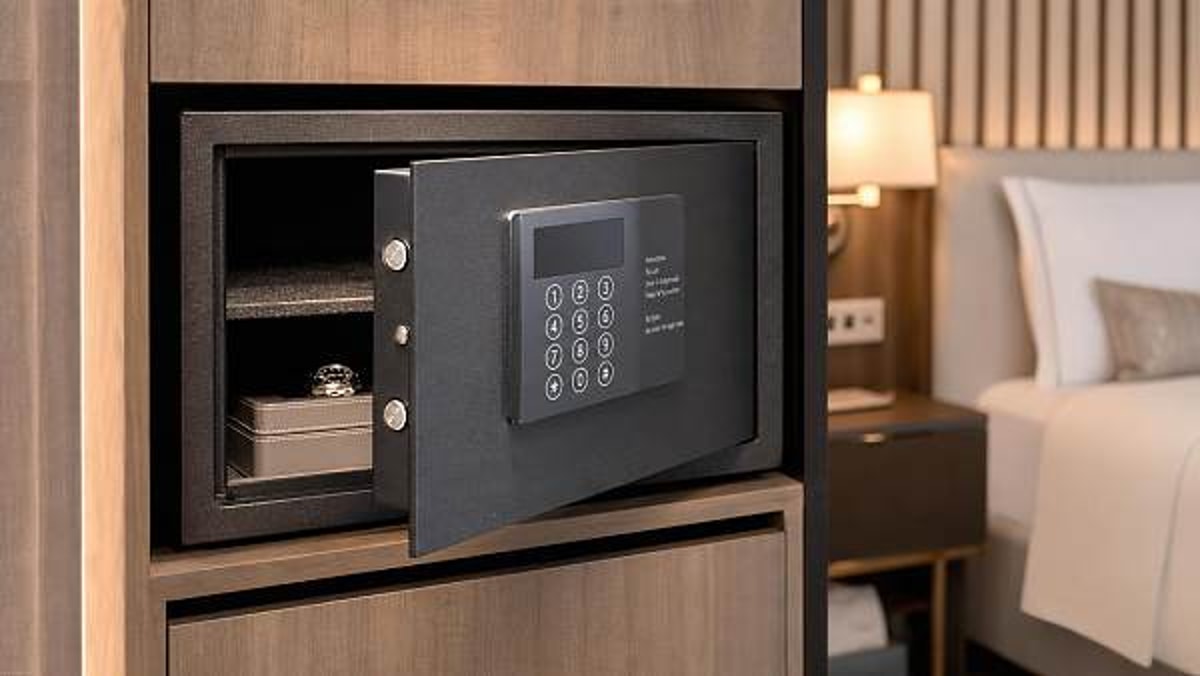
When evaluating wholesale hotel safes, flashy extras often distract from the feature that matters most in daily operation: keypad reliability. For technical assessment teams, a safe that performs consistently under heavy guest turnover, varied user behavior, and long service cycles delivers more value than add-ons that rarely improve security or maintenance efficiency. This article examines why dependable keypad performance should lead procurement decisions.
Why a checklist approach works better for technical evaluation
For buyers comparing wholesale hotel safes across multiple suppliers, specification sheets can be misleading. Many models present long feature lists—USB charging, interior lighting, laptop compatibility, audit trail options, decorative finishes, and emergency override variations. Yet in real hotel environments, the most frequent service issue is not whether a safe has premium extras. It is whether the keypad continues to accept input accurately, respond quickly, and recover from repeated daily use without guest complaints.
A checklist method helps technical assessment teams separate operational essentials from marketing noise. Instead of asking which model looks most advanced, the better question is which unit will maintain stable access performance over thousands of open-close cycles, battery changes, cleaning routines, and accidental misuse. That is especially important in hospitality, where room turnover is fast, staff time is limited, and any lockout incident can affect guest satisfaction, front desk workload, and security procedures at the same time.
First priority: confirm what “keypad reliability” actually means
In wholesale hotel safes, keypad reliability should be treated as a measurable operational standard, not a vague quality claim. Technical teams should define it across several performance dimensions before requesting quotations or samples.
- Consistent key recognition: each button press should register accurately without requiring unusual force or repeated attempts.
- Durability under high-frequency use: the keypad should maintain responsiveness after extended guest turnover, housekeeping exposure, and regular service handling.
- Stable response speed: there should be no noticeable delay between input and system acknowledgment, especially during code entry and reset procedures.
- Resistance to wear and contamination: key labels, tactile function, and contact quality should remain stable despite skin oils, dust, cleaning chemicals, and humidity.
- Low false-failure rate: the system should avoid random lockouts, ghost inputs, or intermittent non-response that create unnecessary maintenance calls.
- Reliable low-battery behavior: the keypad should provide clear warning signals and maintain safe operation within the stated battery depletion range.
If a supplier cannot explain keypad construction, expected cycle life, failure modes, and environmental testing, their feature-rich model may still perform poorly in the field. For wholesale hotel safes, this is often where long-term ownership costs begin.
Core checklist: the most important tests before approving wholesale hotel safes
1. Check keypad mechanism type and material quality
Not all keypads are built the same. Membrane-style keypads may offer a clean appearance and lower cost, but long-term tactile consistency can vary widely by supplier. Mechanical button designs may provide clearer feedback, though sealing quality becomes critical. Ask what material covers the key surface, how symbols are applied, and whether frequent use can wear through the printed numerals. In hospitality, faded buttons reduce usability and increase guest error rates.
2. Verify cycle testing, not just general durability claims
A common sourcing mistake is accepting broad statements such as “durable design” or “hotel-grade construction.” Technical evaluators should request cycle-test data for keypad inputs and lock operations separately. A safe body may be structurally solid while the keypad fails long before the enclosure does. Reliable wholesale hotel safes should come with documented test standards or internal validation records covering repeated code entry, reset functions, and operational continuity after extended use.
3. Evaluate responsiveness with gloved, wet, and hurried use scenarios
Guest use is not controlled laboratory use. Some users press too lightly, some too hard, and some enter codes quickly in poor room lighting. Housekeeping or engineering staff may interact with the unit while moving fast or wearing gloves. Test samples under realistic pressure. Slow response or inconsistent recognition is a warning sign, even if the model looks premium.
4. Inspect low-battery alert behavior and emergency access logic
Battery-powered wholesale hotel safes depend heavily on keypad logic during low-power conditions. Ask when the warning begins, how the alert appears, whether code input remains fully stable near depletion, and what backup procedure is available. A weak low-battery design can create false failures that appear to be keypad defects. Technical teams should also examine whether emergency override access is secure, traceable, and simple enough for trained staff to execute without damaging the unit.
5. Confirm moisture, cleaning, and chemical resistance
Hotel rooms are cleaned frequently, and keypads are touched by many users. Exposure to disinfectants, cleaning sprays, humidity, and accidental liquid contact is normal. The best wholesale hotel safes are not only secure; they are also built to handle frontline maintenance realities. Ask suppliers which cleaning agents are approved, what sealing protections are used, and whether the keypad face can warp, peel, crack, or lose sensitivity over time.
6. Review failure reporting and replacement practicality
Even good products can fail occasionally. The procurement question is how easy they are to diagnose and restore. Can the keypad module be replaced without removing the whole safe? Does the supplier provide spare parts support? Is there a fault code system, service manual, or remote troubleshooting guide? On large hospitality projects, maintainability is often more valuable than one extra convenience feature.
A practical comparison standard: essentials vs extras
To keep sourcing decisions objective, technical teams can score wholesale hotel safes by separating core operational value from optional features.
Scenario-based checks: what changes by hotel type and project scale
Although keypad reliability should remain the top criterion, the evaluation detail can vary depending on the property profile.
Luxury hotels
In high-end properties, guests expect immediate, intuitive operation. Even a minor keypad delay can be interpreted as poor room quality. Technical teams should prioritize tactile clarity, quiet operation, durable aesthetics, and low visible wear. Here, reliability and premium user perception must work together.
Business hotels and high-turnover urban properties
These sites often experience frequent short stays, meaning more reset cycles and more varied user behavior. For wholesale hotel safes serving this segment, maintenance simplicity and high cycle endurance should carry extra weight. Fast battery replacement and standardized staff procedures become especially important.
Resorts and humid environments
Humidity, salt air, and cleaning exposure can accelerate keypad degradation. Technical assessment should include environmental sealing, corrosion resistance around the keypad interface, and long-term tactile retention. Attractive appearance alone is not enough in these conditions.
Large chain procurement
When a brand is sourcing wholesale hotel safes for multiple properties, consistency matters as much as individual unit quality. The supplier should demonstrate stable manufacturing control, component traceability, spare parts continuity, and batch-to-batch keypad performance. A single inconsistent keypad generation can create network-wide service issues.
Commonly overlooked risks that distort buying decisions
- Overvaluing appearance-based features while under-testing user input performance.
- Assuming lock strength automatically means keypad reliability.
- Ignoring battery behavior until late-stage trials or post-installation complaints.
- Failing to include housekeeping and engineering teams in sample testing.
- Accepting showroom demonstrations instead of repeated-use field simulations.
- Not checking whether replacement keypad parts are stocked regionally.
- Treating guest misuse as an exception rather than a routine design condition.
These gaps often lead buyers to select wholesale hotel safes that seem competitive at purchase stage but generate hidden costs through service labor, guest interruptions, room downtime, and reputation impact.
Execution guide: how to run a stronger supplier evaluation
- Create a weighted scorecard where keypad reliability factors account for a major share of the technical score.
- Request component-level information, including keypad material, switch type, sealing approach, and cycle test evidence.
- Run repeated guest-use simulations with fast code entry, incorrect input correction, and low-battery scenarios.
- Ask for service documentation covering override procedures, replacement parts, and troubleshooting steps.
- Validate environmental resistance against the actual property context, especially for humid or high-cleaning-frequency sites.
- Review warranty scope carefully to see whether keypad issues are treated as standard service items or excluded wear components.
- Pilot the chosen unit in representative rooms before full rollout.
What to prepare before contacting suppliers
If your team is moving forward with wholesale hotel safes, prepare a short technical brief before asking for proposals. Include expected room count, installation format, target service life, battery replacement workflow, environmental conditions, preferred override policy, and any brand-level maintenance standard. Most importantly, specify that keypad reliability data is required, not optional. This shifts supplier conversations from generic selling points to evidence-based comparison.
Final decision rule: choose fewer features, but fewer failures
The most effective procurement decisions in wholesale hotel safes usually come from disciplined prioritization. A safe that opens reliably, accepts input consistently, survives routine cleaning, and stays serviceable over time will outperform a more feature-loaded model that creates repeated support issues. For technical assessment professionals, keypad reliability is not a minor component detail. It is one of the clearest predictors of long-term operating value.
If you need to move from initial screening to vendor comparison, the next discussion should focus on test data, failure rates, sample validation methods, spare parts strategy, project lead time, and property-specific operating conditions. Those questions will reveal far more about the real quality of wholesale hotel safes than any extra feature list ever will.
Search News
Hot Articles
- Commercial KitchenStainless steel GN pans with reinforced corners last longer in busy kitchensMay 02, 2026
- Hotel Room AmenitiesMemory foam hotel mattresses: when soft comfort leads to faster saggingMay 02, 2026
- Hotel Room AmenitiesElectronic hotel door locks: battery alerts are often less simple than they seemMay 02, 2026
Popular Tags
Need ExpertConsultation?
Connect with our specialized leisureengineering team for procurementstrategies.
Recommended News
 May 02, 2026Memory foam hotel mattresses: when soft comfort leads to faster saggingMemory foam hotel mattresses may feel luxurious at first, but can soft comfort cause faster sagging? Discover how buyers can reduce risk, improve durability, and protect hotel ROI.● Hospitality Sourcing Dir
 May 02, 2026Electronic hotel door locks: battery alerts are often less simple than they seemElectronic hotel door locks battery alerts are more complex than they appear. Learn how firmware, usage, and environment affect reliability, maintenance efficiency, and smarter sourcing.● Hospitality Sourcing Dir
 May 02, 2026Hotel housekeeping carts: the layout detail that saves minutes on every floorHotel housekeeping carts can save minutes on every floor. Discover how smarter cart layout improves workflow, reduces labor strain, and supports faster, more consistent room turnover.● Hospitality Sourcing Dir
 May 02, 2026Wholesale hotel safes: keypad reliability matters more than extra featuresWholesale hotel safes should be judged by keypad reliability first. Discover the checklist that helps buyers reduce lockouts, maintenance costs, and guest complaints.● Hospitality Sourcing Dir
 May 02, 2026Hotel lobby chandeliers: how size mistakes affect the whole arrival experienceHotel lobby chandeliers can make or break first impressions. Learn how sizing mistakes affect luxury, circulation, and brand value—and how to choose the right scale.● Hospitality Sourcing Dir
 May 02, 2026Industrial ironing machines: steam output is not the only thing to compareIndustrial ironing machines should be compared by more than steam output. Discover how temperature control, pressure stability, efficiency, and durability affect real commercial performance.● Hospitality Sourcing Dir
 May 02, 2026Blackout curtains for hotels that block light without trapping heatBlackout curtains for hotels that block light without trapping heat—discover smarter fabrics, thermal comfort benefits, and sourcing tips for better guest sleep and hotel performance.● Hospitality Sourcing Dir
 May 02, 2026Hotel luggage carts: why wheel quality matters more than frame finishHotel luggage carts perform best when wheel quality comes first. Discover how better casters reduce noise, protect floors, improve handling, and lower long-term hotel maintenance costs.● Hospitality Sourcing Dir
 May 02, 2026Custom printed hotel key cards: PVC or wood for a better guest feel?Custom printed hotel key cards: compare PVC and wood to find the best mix of guest feel, durability, sustainability, and brand impact for smarter hotel sourcing.● Hospitality Sourcing Dir
 May 02, 2026Commercial laundry equipment sizing mistakes that raise utility billsCommercial laundry equipment sizing mistakes can quietly drive up water, energy, and labor costs. Learn the biggest planning errors and how smarter sizing protects budgets and efficiency.● Hospitality Sourcing Dir
 May 02, 2026Why some wholesale bath towels for hotels wear out too fastWholesale bath towels for hotels can wear out fast due to fiber quality, GSM, weave, and laundering mismatch. Learn how to choose durable towels that cut replacement costs and protect guest experience.● Hospitality Sourcing Dir
 May 01, 2026Hotel Desks That Work for Both Business Guests and Small RoomsHotel desks for compact rooms: learn how to choose durable, space-saving, business-friendly designs that improve guest satisfaction and simplify hotel procurement.● Hospitality Sourcing Dir
 May 01, 2026Hotel Slippers in Bulk: Cheap Pairs Can Hurt Guest PerceptionHotel slippers bulk choices affect more than cost. Discover how cheap pairs can damage guest perception, comfort, and brand value—and how smarter sourcing improves reviews.● Hospitality Sourcing Dir
 May 01, 2026Hotel Room Furniture Sets That Balance Style and Replacement CostHotel room furniture sets that combine style, durability, and lower replacement cost. Discover a practical checklist for smarter sourcing, better lifecycle value, and reliable hospitality project results.● Hospitality Sourcing Dir
 May 01, 2026Hotel Bed Linens Wholesale Quality Checks Before Large OrdersHotel bed linens wholesale quality checks: learn how to verify fabric strength, shrinkage, stitching, wash durability, and supplier reliability before placing large hotel bedding orders.● Hospitality Sourcing Dir
 May 01, 2026Hotel Bathroom Amenities That Shape First Impressions FastHotel bathroom amenities shape guest first impressions fast. Discover how the right choices improve brand image, efficiency, and perceived quality from day one.● Hospitality Sourcing Dir
 Apr 30, 2026Hotel cabinets that look custom without custom lead timesHotel cabinets that look custom without long custom lead times. Learn how to balance brand style, durability, and faster installation for hotel projects.● Hospitality Sourcing Dir
 Apr 30, 2026Hotel sofas that hold shape better in high turnover roomsHotel sofas that keep their shape longer in high-turnover rooms. Learn what frame, cushion, and upholstery specs improve durability, guest appeal, and lifecycle value.● Hospitality Sourcing Dir
 Apr 30, 2026Hotel wardrobes that save space without looking budgetHotel wardrobes that save space without looking budget: discover premium, durable designs, smart specs, and sourcing tips to maximize guestroom value.● Hospitality Sourcing Dir
 Apr 30, 2026Hotel room furniture mistakes that quietly hurt guest comfortHotel room furniture mistakes can quietly damage guest comfort, reviews, and brand value. Learn how smarter layout, sizing, and material choices improve hotel room performance.● Hospitality Sourcing Dir
 Apr 30, 2026What makes hotel outdoor furniture easier to maintainHotel outdoor furniture is easier to maintain when it uses weather-resistant materials, smart construction, and replaceable parts. Learn how to cut upkeep and improve long-term value.● Hospitality Sourcing Dir
 Apr 30, 2026Hotel lobby furniture trends shifting guest first impressionsHotel lobby furniture trends are redefining first impressions with modular comfort, brand storytelling, tech integration, and durable style that elevates guest experience.● Hospitality Sourcing Dir
 Apr 30, 2026Why some hotel nightstands wear out faster than expectedHotel nightstands wear out faster when materials, edge sealing, and hardware are underspecified. Learn how to spot durable options, reduce lifecycle costs, and source smarter for hospitality projects.● Hospitality Sourcing Dir
 Apr 28, 2026Iranian Delegation at Sanya Asian Beach Games Spurs Halal-Certified Hardware DemandHalal-certified hardware demand surges after Iranian delegation’s cultural showcase at Sanya Asian Beach Games—key for GCC event tech exporters.● Hospitality Sourcing Dir