Panini presses commercial models: smooth plate or grooved plate?
Choosing between smooth and grooved plates can directly affect speed, presentation, and cleaning efficiency when sourcing panini presses commercial buyers can rely on. For procurement teams in hospitality, catering, and foodservice, the right model is not just about grill marks—it also impacts consistency, menu versatility, and long-term operating costs. This guide helps you compare both options with practical commercial buying criteria in mind.
Why plate style matters more in some commercial scenarios than others
For a procurement professional, the smooth versus grooved decision should never be treated as a cosmetic preference. In real operating environments, the plate surface affects output speed, product appearance, grease handling, crumb buildup, labor time, menu flexibility, and even customer expectations. A boutique hotel café serving premium breakfast sandwiches may value a clean, even finish, while a quick-service sandwich counter may want the visual cue of grill marks to reinforce a fresh-pressed identity.
This is why panini presses commercial buyers evaluate should be matched to use cases, not purchased as generic countertop grills. The same machine can perform very differently depending on whether the kitchen produces high-volume lunch traffic, plated room-service items, grab-and-go snacks, or multi-shift institutional meals. The most cost-effective buying decision is the one that aligns plate design with service model, food type, cleaning routine, and operator skill level.
A quick scenario-based comparison of smooth and grooved plates
Before looking at individual applications, it helps to compare the two plate styles through the lens of daily commercial use.
Scenario 1: Hotel breakfast stations and all-day lobby cafés
Hotels often need panini presses commercial teams can place in front-of-house or semi-open kitchens without adding operational complexity. In this setting, smooth plates are frequently the safer choice because they support broader menu use. Breakfast sandwiches, warmed croissants, flatbreads, quesadillas, and bakery items all benefit from even contact and a tidy appearance.
For hotels, presentation consistency matters. Smooth plates reduce the risk of uneven grill lines on soft breads and help preserve a premium look for plated service. They are also easier for rotating staff to maintain, which is important in properties where breakfast, lounge, and room-service teams may all use the same equipment throughout the day.
Grooved plates can still work in lifestyle hotels or urban properties where the menu intentionally emphasizes artisan grilled sandwiches. However, procurement should confirm whether the culinary concept truly benefits from grill marks or whether a more versatile smooth surface will create better long-term value.
Best fit in hospitality
- Smooth plate: buffet support, premium café menus, mixed breakfast and snack use
- Grooved plate: concept-driven sandwich bars with visual grilling appeal
Scenario 2: High-volume quick-service sandwich outlets
In fast-paced sandwich operations, the decision often shifts toward customer perception and throughput rhythm. Many quick-service brands prefer grooved models because grill marks communicate freshness and speed at the point of sale. If the menu is centered on paninis, melts, or hot deli sandwiches, grooved plates can strengthen brand identity and support a familiar product look.
That said, not every high-volume operation should automatically choose grooves. If the line handles multiple item types, including wraps, breakfast breads, sweet bakery products, or thin pressed snacks, smooth plates may reduce product damage and simplify staff training. In chains with tight labor budgets, cleaning time between peak periods can be a decisive factor. Grooves trap more crumbs, cheese runoff, and carbonized residue, which can increase downtime if not managed well.
For panini presses commercial sourcing in quick service, buyers should compare not only peak output but also end-of-shift sanitation labor. A machine that looks attractive during service but extends nightly cleaning time can cost more than expected over a year of daily use.
Scenario 3: Catering kitchens and event production
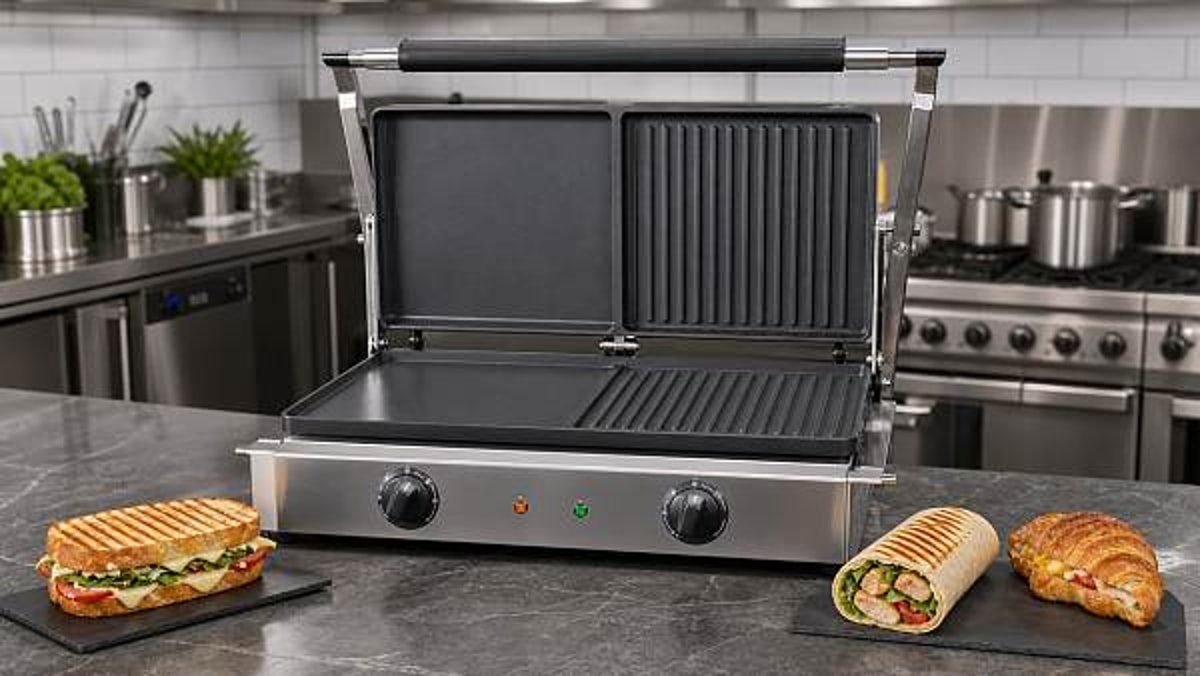
Catering operations have a different priority set: flexibility, speed under changing menus, and ease of recovery between service waves. In many event kitchens, smooth-plate panini presses commercial teams purchase are more practical because they can handle varied products without leaving strong visual markings that may not suit every event style.
A catering menu may include pressed vegetable wraps at lunch, warm focaccia for coffee breaks, and late-night snack sandwiches for corporate functions. Smooth plates adapt better to this kind of variation. They also simplify quick wipe-downs when the team is moving between prep cycles. For off-site service or temporary back-of-house setups, fewer cleaning complications usually mean better workflow reliability.
Grooved plates make sense when the caterer promotes a live grilled-sandwich station or wants a stronger visual cue for made-to-order service. In those cases, the procurement team should verify whether the unit has removable drip management features and durable plate coatings that can withstand repeated event turnover.
Scenario 4: Institutional foodservice in schools, offices, and healthcare
Institutional buyers usually prioritize standardization, cleaning efficiency, food safety routines, and broad user accessibility. In these environments, smooth plate models often outperform grooved alternatives because they are easier to clean thoroughly and more forgiving across different operators. This matters in school canteens, office dining, and healthcare support kitchens where menu items must be reproduced consistently by teams with varying skill levels.
For example, a smart campus food court may use a press for sandwiches during lunch, then warm flatbread snacks later in the day. A smooth plate supports this rotation without forcing staff to manage grill-line expectations or scrape buildup from grooves after every rush. In healthcare or senior dining, the cleaner finish can also better suit menus where gentle texture and controlled browning are preferred.
When institutional procurement reviews panini presses commercial suppliers offer, it is wise to ask about plate material, hinge durability, cleaning access, and recovery time rather than focusing only on surface style. Still, in most standardized foodservice environments, smooth models remain the lower-risk choice.
Scenario 5: Specialty cafés, delis, and premium retail food concepts
This is the category where grooved plates often have the strongest business case. In delis, artisan sandwich bars, and premium food counters, visible grill marks can be part of the product story. Customers associate that look with handcrafted preparation, heat-sealed flavor, and made-to-order quality. If the concept relies on that perception, grooved plates may support merchandising value beyond pure cooking function.
However, premium retail concepts must also protect ingredient appearance. Delicate breads, seeded crusts, cheese-forward fillings, and laminated pastries can suffer if pressure distribution is inconsistent. In these cases, buyers may consider whether a smooth-top and grooved-bottom configuration, or vice versa, better suits the actual menu. Hybrid setups can sometimes offer a better balance than choosing one style for every item.
Key differences procurement teams should evaluate beyond surface texture
When comparing panini presses commercial options, plate style should be one parameter within a broader sourcing framework. The right buying process includes:
- Menu profile: breads only, mixed snacks, proteins, or all-day use
- Peak volume: batch demand, rush-hour intensity, and recovery speed
- Cleaning protocol: between-order wipe-down versus end-of-shift deep cleaning
- Operator profile: trained culinary staff or general service workers
- Brand presentation: premium smooth finish or obvious grilled identity
- Lifecycle cost: labor, wear, spare parts, and coating longevity
A common mistake is selecting grooved plates because they “look more commercial.” In reality, a smooth-plate unit may deliver better total value if the menu is broad and the staff needs simpler maintenance. The opposite is also true: a smooth plate may underdeliver in a concept where grill marks are central to customer expectations.
Common buying mistakes by scenario
Several procurement errors appear repeatedly across foodservice segments:
- Choosing based on appearance instead of workflow: A stylish grooved unit may create unnecessary cleaning burden in institutional or hotel settings.
- Ignoring menu drift: Operations often expand menus over time. A press bought for sandwiches may later need to handle wraps, pastries, or breakfast items.
- Overlooking staff turnover: Equipment that performs well with skilled cooks may become inconsistent under multi-shift or temporary labor.
- Failing to test real products: Bread thickness, fillings, and cheese runoff all affect how smooth or grooved plates perform in actual service.
- Underestimating sanitation time: In busy operations, labor saved during cleaning can outweigh small differences in product appearance.
How to make the final plate choice for your operation
If your business serves varied products, values a polished finish, and needs easy cleaning, smooth plates are usually the best starting point. If your concept depends on classic grill marks, sandwiches are the clear menu hero, and your team can support more detailed cleaning, grooved plates can be the stronger fit. If both conditions apply, shortlist hybrid or mixed-surface models and request application testing.
For sourcing teams, the smartest path is to define the operating scenario first and only then compare panini presses commercial manufacturers supply. Build the decision around menu mix, labor realities, sanitation standards, and presentation goals. That approach reduces misbuying risk and improves total equipment value across the life of the unit.
FAQ for procurement teams evaluating panini presses commercial models
Are grooved plates always better for sandwiches?
No. They are often better for visual branding, but smooth plates may be better when sandwiches vary widely in bread type, filling moisture, or desired finish.
Which plate style is easier to clean in high-use kitchens?
Smooth plates are generally easier and faster to clean, especially in operations with frequent product changes and limited labor time.
Do hotel and catering buyers usually prefer smooth plates?
Often yes, because these environments value versatility, controlled presentation, and easier maintenance across different menu formats.
Should buyers request product tests before placing bulk orders?
Yes. Testing your actual breads, fillings, and service conditions is one of the most reliable ways to choose between smooth and grooved commercial plate configurations.
In the end, the best plate style is the one that fits your operating context, not the one that sounds more professional on paper. By matching panini presses commercial requirements to real application scenarios, procurement teams can improve output consistency, reduce cleaning friction, and support stronger long-term equipment performance.
Search News
Hot Articles
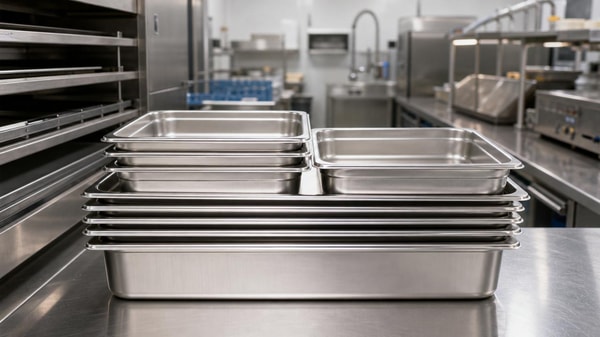
- Commercial KitchenStainless steel GN pans with reinforced corners last longer in busy kitchensMay 02, 2026
- Hotel Room AmenitiesMemory foam hotel mattresses: when soft comfort leads to faster saggingMay 02, 2026
- Hotel Room AmenitiesElectronic hotel door locks: battery alerts are often less simple than they seemMay 02, 2026
Popular Tags
Need ExpertConsultation?
Connect with our specialized leisureengineering team for procurementstrategies.
Recommended News
 May 02, 2026Stainless steel GN pans with reinforced corners last longer in busy kitchensStainless steel GN pans with reinforced corners help busy kitchens reduce warping, improve hygiene, and cut replacement costs. See why buyers choose longer-lasting performance.● Hospitality Sourcing Dir
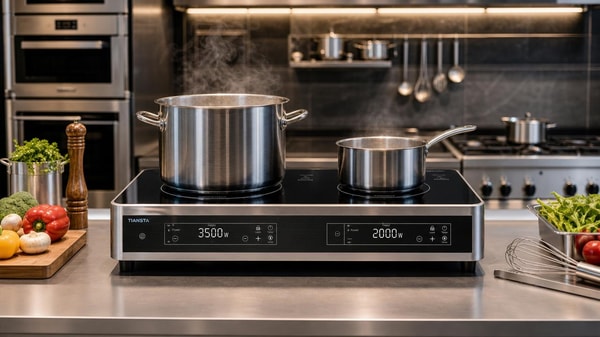
 May 02, 2026Commercial induction cookers: power ratings that mislead first-time buyersCommercial induction cookers are not as simple as wattage labels suggest. Learn how to compare real performance, efficiency, pan fit, and reliability before you buy.● Hospitality Sourcing Dir
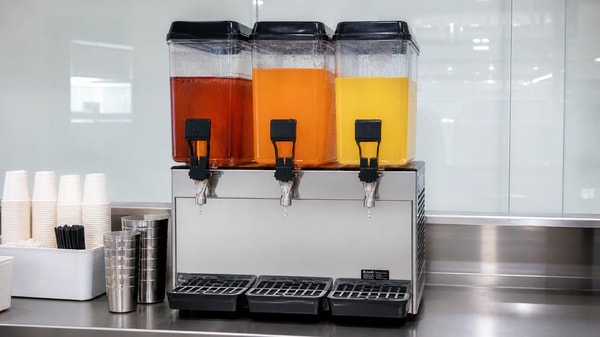
 May 02, 2026Beverage dispensers wholesale: what causes dripping after heavy useBeverage dispensers wholesale guide: learn what causes dripping after heavy use, how to spot seal, valve, and pressure issues, and choose durable suppliers with confidence.● Hospitality Sourcing Dir
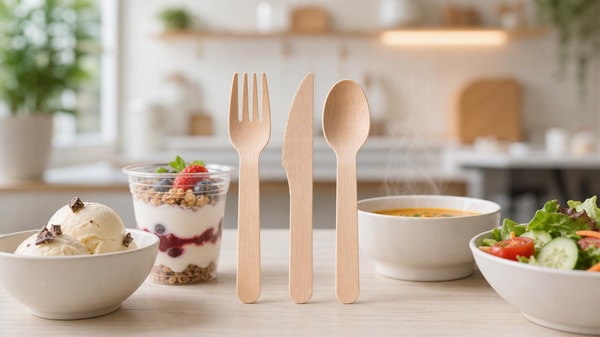
 May 02, 2026Disposable wooden cutlery and the taste issue customers noticeDisposable wooden cutlery can affect taste, texture, and customer perception. Learn what causes woody aftertaste, how to test suppliers, and how to choose better options.● Hospitality Sourcing Dir
 May 02, 2026Sushi display cases: curved glass looks better, but is it practical?Sushi display cases with curved glass look premium, but are they practical? Compare visibility, cleaning, temperature control, and ROI before you buy.● Hospitality Sourcing Dir
 May 02, 2026Vacuum sealing machines food businesses can scale withVacuum sealing machines food businesses can scale with improve shelf life, workflow, and cost control. Explore reliable, compliant solutions for growing food operations.● Hospitality Sourcing Dir
 May 02, 2026Chafing fuel gel bulk: storage and burn-time issues to check firstChafing fuel gel bulk buyers should check storage stability, seal integrity, and real burn-time performance first. Reduce waste, avoid service disruption, and source with more confidence.● Hospitality Sourcing Dir
 May 02, 2026Custom printed napkins that keep logos sharp after unfoldingCustom printed napkins that keep logos sharp after unfolding help hotels, restaurants, and event brands protect presentation quality. Learn what to check before you buy.● Hospitality Sourcing Dir
 May 02, 2026Panini presses commercial models: smooth plate or grooved plate?Panini presses commercial buyers: compare smooth vs. grooved plates for hotels, cafés, catering, and foodservice. Learn which style boosts speed, cleaning, presentation, and value.● Hospitality Sourcing Dir
 May 02, 2026Catering transport carts: how much insulation is actually enough?Catering transport carts: discover how much insulation is truly enough to protect food quality, meet compliance goals, and improve service efficiency across real catering operations.● Hospitality Sourcing Dir
 May 02, 2026What slows down commercial bone saw machines during peak prep hoursCommercial bone saw machines slow down from blade wear, workflow bottlenecks, raw material variation, and cleaning delays. Learn what really cuts throughput and how to choose higher-efficiency equipment.● Hospitality Sourcing Dir
 May 02, 2026Refrigerated display cabinets: glass fogging problems and how to avoid themRefrigerated display cabinets often face glass fogging in humid settings. Learn key causes, smart anti-fog solutions, and how to choose reliable cabinets for clear visibility.● Hospitality Sourcing Dir
 May 02, 2026Commercial food processors: the attachment issue many kitchens overlookCommercial food processors are only as effective as their attachments. Learn how the right system improves consistency, safety, workflow, and ROI before you buy.● Hospitality Sourcing Dir
 May 02, 2026Biodegradable takeout containers that leak less with hot foodsBiodegradable takeout containers that leak less with hot foods: compare materials, heat resistance, grease barriers, and sourcing factors to choose reliable eco packaging.● Hospitality Sourcing Dir
 May 02, 2026Hotel & Catering Equipment checklist for new venue openingsHotel & Catering Equipment checklist for new venue openings: discover must-have items, common planning gaps, compliance checks, and sourcing tips to launch on time and with confidence.● Hospitality Sourcing Dir
 May 02, 2026Commercial waffle makers: flip or fixed plate for busy breakfast serviceCommercial waffle makers: compare flip vs fixed plate models for busy breakfast service. Learn which option improves speed, consistency, labor efficiency, and guest satisfaction.● Hospitality Sourcing Dir
 May 02, 2026Paper coffee cups wholesale: which lid fit causes the most complaintsPaper coffee cups wholesale buyers face the most complaints from loose lids that seem sealed but leak in use. Learn key fit risks, root causes, and sourcing checks before bulk orders.● Hospitality Sourcing Dir
 May 02, 2026Blast chillers commercial buyers regret choosing too smallBlast chillers commercial buyers often regret going too small. Learn how proper sizing protects food safety, peak throughput, compliance, and long-term operating efficiency.● Hospitality Sourcing Dir
 May 02, 2026Commercial wine coolers with dual zones: when are they worth it?Commercial wine coolers with dual zones: learn when the added cost pays off for hospitality, retail, and event venues through better temperature control, display, and service efficiency.● Hospitality Sourcing Dir
 May 02, 2026How to compare stainless steel GN pans by gauge and depthStainless steel GN pans compared by gauge and depth: learn how thickness, capacity, and workflow fit affect durability, heat performance, and smarter catering purchases.● Hospitality Sourcing Dir
 May 01, 2026Hotel and Catering Equipment Trends Shaping 2026 RenovationsHotel & Catering Equipment trends for 2026 renovations reveal smarter, cleaner, and more flexible solutions that cut risk, improve efficiency, and elevate guest experience.● Hospitality Sourcing Dir
 May 01, 2026Outdoor Patio Heaters: What Changes in Windy Dining AreasOutdoor patio heaters in windy dining areas need more than high output. Learn how wind changes comfort, efficiency, safety, and placement to choose smarter commercial heating solutions.● Hospitality Sourcing Dir
 May 01, 2026Food Warmers Commercial Models That Keep Texture, Not Just HeatFood warmers commercial buyers trust do more than hold heat—they preserve crispness, moisture, and presentation. Discover how to reduce waste and improve service quality.● Hospitality Sourcing Dir
 May 01, 2026Bakery Dough Mixers Sized Right for Batch ConsistencyBakery dough mixers sized right improve batch consistency, dough quality, and efficiency. Learn how to match capacity, torque, and dough type for reliable bakery performance.● Hospitality Sourcing Dir