Refrigerated display cabinets: glass fogging problems and how to avoid them
Glass fogging can quickly undermine the performance, visibility, and product appeal of refrigerated display cabinets, especially in high-humidity commercial settings. For technical evaluators, understanding the root causes behind condensation is essential to assessing cabinet efficiency, thermal stability, and long-term operating reliability. This article explores why fogging happens and how to prevent it through smarter design, component selection, and maintenance strategies.
In hotels, cafés, bakeries, convenience formats, institutional dining areas, and specialty retail environments, refrigerated display cabinets are expected to do more than hold temperature. They must preserve product visibility, support merchandising, and maintain stable operation over 12 to 24 hours of daily use. When glass fogging appears, the issue is rarely cosmetic alone. It often points to a mismatch between ambient humidity, door opening frequency, airflow design, glass specification, or maintenance quality.
For technical assessment teams evaluating new equipment or replacement programs, fog resistance should be treated as a measurable performance indicator. A cabinet that looks acceptable in a showroom may perform poorly in a coastal hotel lobby, a high-turnover grab-and-go area, or a foodservice line with ambient conditions above 26°C and relative humidity above 60%. The real evaluation question is not whether condensation can occur, but under which operating thresholds it begins and how effectively the cabinet design controls it.
Why Refrigerated Display Cabinets Develop Glass Fogging
Glass fogging forms when the glass surface temperature falls below the dew point of the surrounding air. In practical terms, warm humid air contacts a colder glass surface, and moisture condenses into a visible film or droplets. In refrigerated display cabinets, this happens most often on doors, front viewing panels, or side glass exposed to traffic-heavy commercial interiors.
The dew point problem in commercial settings
A technical evaluator should begin with ambient psychrometric conditions. At 24°C and 50% relative humidity, the dew point is much lower than at 30°C and 75% relative humidity. That difference matters. The same refrigerated display cabinets may remain clear in a climate-controlled retail corridor but fog repeatedly near a kitchen pass, mall entrance, or resort buffet zone where moisture load changes hour by hour.
Typical triggers include 20 to 60 door openings per hour, unstable HVAC supply, direct air drafts, and product loading practices that disrupt internal circulation. Even a well-built cabinet can experience intermittent fogging when site conditions exceed the original design assumptions. This is why lab performance and field performance often diverge.
Key technical causes behind condensation
- Single-pane or low-insulation glass that transfers cold rapidly to the exterior surface
- Insufficient anti-condensation heating around the door frame or glass perimeter
- Weak or unbalanced air curtain design in open-front or semi-open refrigerated display cabinets
- Damaged gaskets allowing humid air infiltration during every compressor cycle
- Defrost settings that create temperature swings instead of stable moisture control
- Improper cabinet leveling, causing poor door closure and continuous air leakage
The most common technical mistake is evaluating fogging as a single-component issue. In reality, it is usually a system interaction problem involving glass package, frame heating, evaporator control, fan performance, and installation environment. For procurement and engineering teams, this means vendor comparison should focus on cabinet architecture, not just nominal temperature range.
Open-front units versus glass-door units
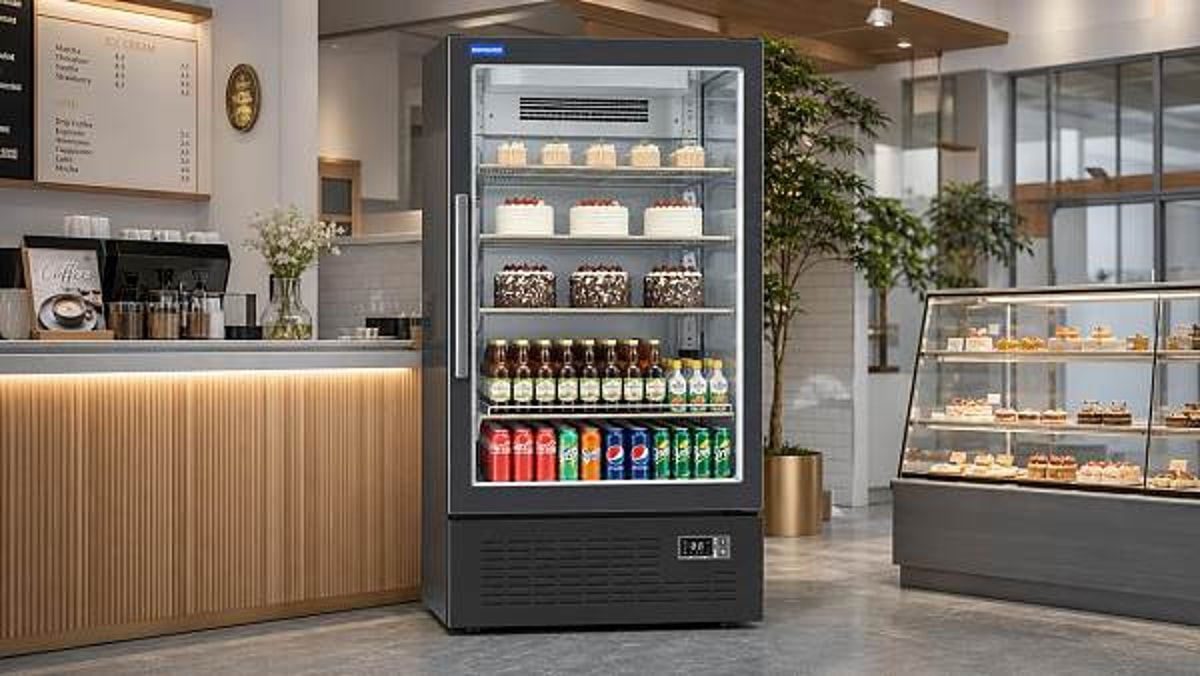
Open-front refrigerated display cabinets face a different risk profile from closed-door units. Open models rely heavily on an air curtain, which can be disrupted by foot traffic, cross-ventilation, or poor shelf loading. Glass-door models have better isolation but are more dependent on insulated glazing, heater wire design, and sealing performance. In high-humidity applications, the difference in lifecycle stability can be significant over 3 to 5 years of operation.
The table below outlines the main fogging drivers technical evaluators should compare during specification review.
This comparison shows that condensation risk is rarely random. It can usually be predicted by reviewing four variables: surface temperature, ambient dew point, infiltration rate, and airflow stability. Technical evaluators who score refrigerated display cabinets across these variables will make better sourcing decisions than teams that focus only on cooling capacity or exterior aesthetics.
How to Specify Refrigerated Display Cabinets That Resist Fogging
Avoiding fogging starts at the specification stage. Once cabinets are installed in humid trading environments, operational fixes become more costly and less reliable. A stronger approach is to define anti-condensation performance requirements before procurement, especially for projects in hospitality, food retail, educational campuses, and mixed-use commercial spaces where ambient conditions vary throughout the day.
Prioritize the right glass and frame design
For most enclosed refrigerated display cabinets, double-glazed low-emissivity glass offers a practical baseline. In more demanding settings, evaluators may also consider heated glass or perimeter anti-condensation circuits. The goal is to keep the outer surface temperature above the site dew point under normal operation. As a rule, the more humidity exposure a cabinet faces, the less suitable basic single-pane designs become.
Frame construction also matters. Thermal breaks reduce cold transfer from the refrigerated interior to exposed metal edges, where fogging often begins first. If the design includes aluminum framing, assess whether the assembly isolates cold paths effectively. A visually attractive frame with poor thermal separation can become a persistent service issue within the first 6 to 12 months.
Evaluate anti-condensation heating carefully
Many refrigerated display cabinets use heater wires, warm edge systems, or low-watt perimeter heating to prevent visible moisture buildup. These systems should not be judged only by presence or absence. Review watt density, control logic, and service accessibility. A poorly controlled heater may reduce fogging but increase energy use unnecessarily, while an underpowered system may fail during peak humidity periods.
Three specification checkpoints
- Confirm whether anti-condensation heating is continuous or demand-based.
- Check if the heating circuit is easy to replace without dismantling major glass assemblies.
- Ask for expected performance under ambient conditions such as 25°C/60% RH and 30°C/75% RH.
These checkpoints help distinguish a cabinet built for true commercial use from one optimized mainly for entry-level pricing. In projects with 30 to 100 units, even small differences in fog resistance can translate into meaningful savings in service calls, customer complaints, and visual merchandising losses.
The table below summarizes practical specification options for technical teams comparing refrigerated display cabinets across different operating conditions.
For technical evaluators, the key conclusion is that no single specification suits every site. Refrigerated display cabinets should be matched to humidity profile, opening frequency, and merchandising sensitivity. A luxury pastry display, for example, may justify a higher anti-fog specification than a back-of-house beverage cabinet because visibility directly affects sales conversion.
Installation and Operating Conditions That Influence Fogging
Even high-quality refrigerated display cabinets can fog if installation and operating conditions are not controlled. Technical evaluation should therefore continue beyond the factory specification sheet. Site acceptance, commissioning quality, and operator routines all affect whether anti-condensation features work as intended over time.
Placement, airflow, and HVAC interaction
One of the most overlooked variables is cabinet placement relative to HVAC discharge, entrance doors, and heat-producing equipment. A cold air jet from ceiling supply can lower local glass temperature abruptly, while humid outside air entering from an adjacent door can raise dew point within minutes. The result is repeated surface fogging even if the refrigeration system itself is functioning normally.
As a practical guideline, avoid placing refrigerated display cabinets directly beside ovens, dishwashing stations, coffee steam output, or unbuffered external entries. A clearance review within 1 to 3 meters is often enough to identify obvious risk points. In open merchandising zones, smoke-pencil or airflow visualization tests can reveal disruptive drafts before complaints begin.
Commissioning steps that reduce early-stage problems
- Verify cabinet level so doors self-close and gaskets seal evenly on all sides.
- Check fan operation and vent clearance after product loading, not only when empty.
- Measure interior and exterior temperature stability across at least 2 full operating cycles.
- Confirm defrost intervals do not create unnecessary temperature spikes near the glass.
- Record site humidity during acceptance, especially in summer or rainy seasons.
These steps are simple, but they prevent many disputes between buyer, installer, and operator. In procurement projects covering multiple branches or franchise outlets, a standardized 5-point commissioning checklist often delivers more value than relying on visual inspection alone.
Loading practices also matter
Overloading shelves, blocking discharge vents, or placing warm products into the cabinet too quickly can increase moisture load and disturb circulation. In display-led environments, staff may push products to the front edge for visual impact, unintentionally restricting airflow. Technical evaluators should ask whether the cabinet design tolerates real merchandising behavior, not ideal behavior only.
Maintenance Strategies for Long-Term Fog Control
Fogging that appears after months of stable performance often indicates maintenance drift rather than original design failure. Refrigerated display cabinets operate continuously, and small issues accumulate: gasket deformation, dust on condenser coils, fan imbalance, sensor inaccuracy, or defrost controls drifting out of practical range. A preventive service plan is essential for preserving both efficiency and glass clarity.
Routine inspection points for technical teams
A sensible maintenance cycle may include weekly visual checks, monthly seal and drainage inspection, and quarterly performance review. High-humidity installations may require shorter intervals. The most useful approach is to link maintenance frequency to operating stress: longer opening hours, higher moisture load, and heavier staff interaction usually justify more frequent inspection.
The table below provides a practical maintenance framework for refrigerated display cabinets used in commercial environments.
This schedule is not excessive. It reflects the reality that refrigerated display cabinets in hospitality and retail applications often run under variable loading and frequent human contact. Without routine checks, a minor gasket gap or blocked return vent can create recurring fogging that operators mistake for a refrigeration defect.
Common misdiagnoses to avoid
Not every fogging complaint should lead to immediate component replacement. In many cases, the root cause is external humidity, poor placement, or maintenance neglect rather than failed glass. Replacing a door assembly without correcting the ambient condition often results in repeat service calls within weeks. Technical evaluators should insist on a structured fault sequence: measure ambient RH, inspect seals, review defrost behavior, verify airflow, then consider parts replacement.
Questions for supplier and service partner review
- What operating humidity range is realistic for this cabinet design?
- How quickly can heater, gasket, or fan components be serviced on site?
- Are spare parts standardized across multiple cabinet sizes?
- Can performance diagnostics be documented during warranty and post-warranty visits?
These questions are especially important for multi-site buyers sourcing through global commercial channels. Standardized parts, predictable service procedures, and clear technical documentation reduce lifecycle risk far more effectively than focusing on initial unit price alone.
Procurement Guidance for Technical Evaluators and Commercial Buyers
When comparing refrigerated display cabinets, technical teams should create a scorecard that combines anti-fog capability, thermal stability, maintenance accessibility, and site fit. A 4-factor evaluation model is often enough: cabinet construction, environmental compatibility, serviceability, and operating cost. This keeps procurement decisions aligned with real commercial use rather than brochure-level claims.
What decision-makers should request before approval
- Ambient condition recommendations with clear temperature and humidity ranges
- Glass and frame construction details, including insulation approach
- Service access notes for heaters, fans, sensors, and gaskets
- Commissioning requirements and operator usage guidance
- Expected maintenance intervals for high-use commercial sites
For buyers working across hotel, catering, campus, or specialty retail projects, this procurement discipline helps avoid a common mismatch: premium display expectations combined with under-specified cabinet technology. Clear glass is not a luxury feature in these environments. It is part of product visibility, brand presentation, and day-to-day commercial performance.
Glass fogging in refrigerated display cabinets is best managed through a combination of correct specification, site-aware installation, and disciplined maintenance. Technical evaluators who examine dew point exposure, glass package, heating strategy, airflow design, and service access will identify risks earlier and source equipment more confidently. If you are reviewing cabinet options for hospitality, institutional, or specialty retail projects, contact us to discuss application requirements, compare sourcing solutions, and get a tailored recommendation for your operating environment.
Search News
Hot Articles
- Commercial KitchenStainless steel GN pans with reinforced corners last longer in busy kitchensMay 02, 2026
- Hotel Room AmenitiesMemory foam hotel mattresses: when soft comfort leads to faster saggingMay 02, 2026
- Hotel Room AmenitiesElectronic hotel door locks: battery alerts are often less simple than they seemMay 02, 2026
Popular Tags
Need ExpertConsultation?
Connect with our specialized leisureengineering team for procurementstrategies.
Recommended News
 May 02, 2026Stainless steel GN pans with reinforced corners last longer in busy kitchensStainless steel GN pans with reinforced corners help busy kitchens reduce warping, improve hygiene, and cut replacement costs. See why buyers choose longer-lasting performance.● Hospitality Sourcing Dir
 May 02, 2026Commercial induction cookers: power ratings that mislead first-time buyersCommercial induction cookers are not as simple as wattage labels suggest. Learn how to compare real performance, efficiency, pan fit, and reliability before you buy.● Hospitality Sourcing Dir
 May 02, 2026Beverage dispensers wholesale: what causes dripping after heavy useBeverage dispensers wholesale guide: learn what causes dripping after heavy use, how to spot seal, valve, and pressure issues, and choose durable suppliers with confidence.● Hospitality Sourcing Dir
 May 02, 2026Disposable wooden cutlery and the taste issue customers noticeDisposable wooden cutlery can affect taste, texture, and customer perception. Learn what causes woody aftertaste, how to test suppliers, and how to choose better options.● Hospitality Sourcing Dir
 May 02, 2026Sushi display cases: curved glass looks better, but is it practical?Sushi display cases with curved glass look premium, but are they practical? Compare visibility, cleaning, temperature control, and ROI before you buy.● Hospitality Sourcing Dir
 May 02, 2026Vacuum sealing machines food businesses can scale withVacuum sealing machines food businesses can scale with improve shelf life, workflow, and cost control. Explore reliable, compliant solutions for growing food operations.● Hospitality Sourcing Dir
 May 02, 2026Chafing fuel gel bulk: storage and burn-time issues to check firstChafing fuel gel bulk buyers should check storage stability, seal integrity, and real burn-time performance first. Reduce waste, avoid service disruption, and source with more confidence.● Hospitality Sourcing Dir
 May 02, 2026Custom printed napkins that keep logos sharp after unfoldingCustom printed napkins that keep logos sharp after unfolding help hotels, restaurants, and event brands protect presentation quality. Learn what to check before you buy.● Hospitality Sourcing Dir
 May 02, 2026Panini presses commercial models: smooth plate or grooved plate?Panini presses commercial buyers: compare smooth vs. grooved plates for hotels, cafés, catering, and foodservice. Learn which style boosts speed, cleaning, presentation, and value.● Hospitality Sourcing Dir
 May 02, 2026Catering transport carts: how much insulation is actually enough?Catering transport carts: discover how much insulation is truly enough to protect food quality, meet compliance goals, and improve service efficiency across real catering operations.● Hospitality Sourcing Dir
 May 02, 2026What slows down commercial bone saw machines during peak prep hoursCommercial bone saw machines slow down from blade wear, workflow bottlenecks, raw material variation, and cleaning delays. Learn what really cuts throughput and how to choose higher-efficiency equipment.● Hospitality Sourcing Dir
 May 02, 2026Refrigerated display cabinets: glass fogging problems and how to avoid themRefrigerated display cabinets often face glass fogging in humid settings. Learn key causes, smart anti-fog solutions, and how to choose reliable cabinets for clear visibility.● Hospitality Sourcing Dir
 May 02, 2026Commercial food processors: the attachment issue many kitchens overlookCommercial food processors are only as effective as their attachments. Learn how the right system improves consistency, safety, workflow, and ROI before you buy.● Hospitality Sourcing Dir
 May 02, 2026Biodegradable takeout containers that leak less with hot foodsBiodegradable takeout containers that leak less with hot foods: compare materials, heat resistance, grease barriers, and sourcing factors to choose reliable eco packaging.● Hospitality Sourcing Dir
 May 02, 2026Hotel & Catering Equipment checklist for new venue openingsHotel & Catering Equipment checklist for new venue openings: discover must-have items, common planning gaps, compliance checks, and sourcing tips to launch on time and with confidence.● Hospitality Sourcing Dir
 May 02, 2026Commercial waffle makers: flip or fixed plate for busy breakfast serviceCommercial waffle makers: compare flip vs fixed plate models for busy breakfast service. Learn which option improves speed, consistency, labor efficiency, and guest satisfaction.● Hospitality Sourcing Dir
 May 02, 2026Paper coffee cups wholesale: which lid fit causes the most complaintsPaper coffee cups wholesale buyers face the most complaints from loose lids that seem sealed but leak in use. Learn key fit risks, root causes, and sourcing checks before bulk orders.● Hospitality Sourcing Dir
 May 02, 2026Blast chillers commercial buyers regret choosing too smallBlast chillers commercial buyers often regret going too small. Learn how proper sizing protects food safety, peak throughput, compliance, and long-term operating efficiency.● Hospitality Sourcing Dir
 May 02, 2026Commercial wine coolers with dual zones: when are they worth it?Commercial wine coolers with dual zones: learn when the added cost pays off for hospitality, retail, and event venues through better temperature control, display, and service efficiency.● Hospitality Sourcing Dir
 May 02, 2026How to compare stainless steel GN pans by gauge and depthStainless steel GN pans compared by gauge and depth: learn how thickness, capacity, and workflow fit affect durability, heat performance, and smarter catering purchases.● Hospitality Sourcing Dir
 May 01, 2026Hotel and Catering Equipment Trends Shaping 2026 RenovationsHotel & Catering Equipment trends for 2026 renovations reveal smarter, cleaner, and more flexible solutions that cut risk, improve efficiency, and elevate guest experience.● Hospitality Sourcing Dir
 May 01, 2026Outdoor Patio Heaters: What Changes in Windy Dining AreasOutdoor patio heaters in windy dining areas need more than high output. Learn how wind changes comfort, efficiency, safety, and placement to choose smarter commercial heating solutions.● Hospitality Sourcing Dir
 May 01, 2026Food Warmers Commercial Models That Keep Texture, Not Just HeatFood warmers commercial buyers trust do more than hold heat—they preserve crispness, moisture, and presentation. Discover how to reduce waste and improve service quality.● Hospitality Sourcing Dir
 May 01, 2026Bakery Dough Mixers Sized Right for Batch ConsistencyBakery dough mixers sized right improve batch consistency, dough quality, and efficiency. Learn how to match capacity, torque, and dough type for reliable bakery performance.● Hospitality Sourcing Dir