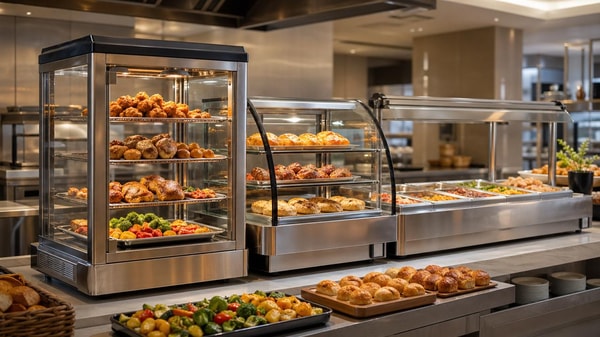
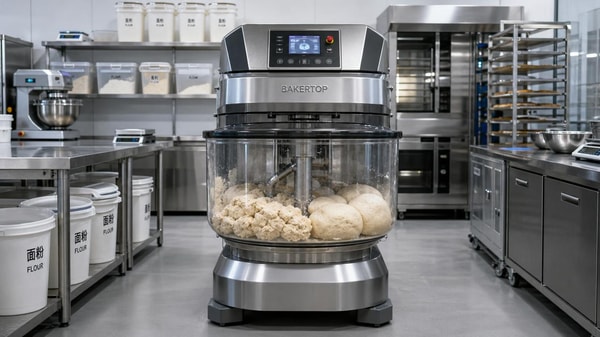
Hotel & Catering Equipment checklist for new venue openings
Opening a new hospitality venue demands more than great design—it requires a precise Hotel & Catering Equipment checklist that keeps timelines, budgets, compliance, and guest experience aligned. For project managers and site leaders, this guide highlights the essential categories, sourcing priorities, and operational details needed to equip a venue efficiently and avoid costly gaps before launch.
What should a Hotel & Catering Equipment checklist include before a new venue opens?
A practical Hotel & Catering Equipment checklist should cover every asset that affects food service, guest comfort, hygiene, safety, and operational readiness. For project managers, the checklist is not just a buying list. It is a control document that links design drawings, procurement packages, installation sequencing, testing, staff training, and soft opening milestones.
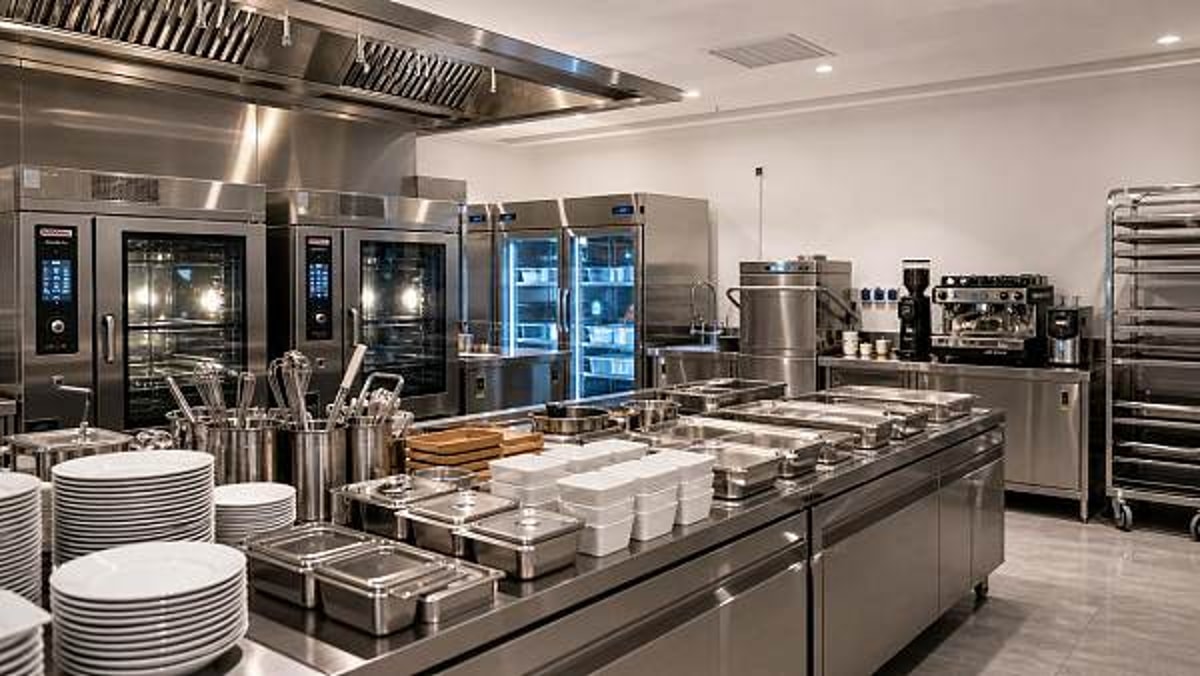
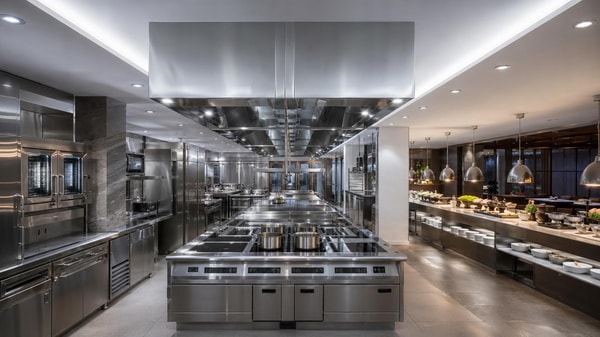
At minimum, the checklist should be divided into front-of-house, back-of-house, storage, cleaning, beverage service, banqueting, and support systems. In a hotel opening, this often means coordinating kitchen lines, refrigeration, dishwashing, buffet stations, bar equipment, housekeeping support items, waste handling, and service trolleys alongside MEP requirements such as drainage, gas, power loads, extraction, and ventilation.
A strong checklist also identifies the status of each line item: specified, approved, ordered, delivered, installed, commissioned, and handed over. This is especially important when several suppliers, contractors, and consultants are involved. Without this tracking logic, even experienced teams can overlook small but critical items such as undercounter fridges, shelving, heat lamps, ice bins, food holding cabinets, or backup smallwares that directly affect day-one operations.
Core categories most teams should map early
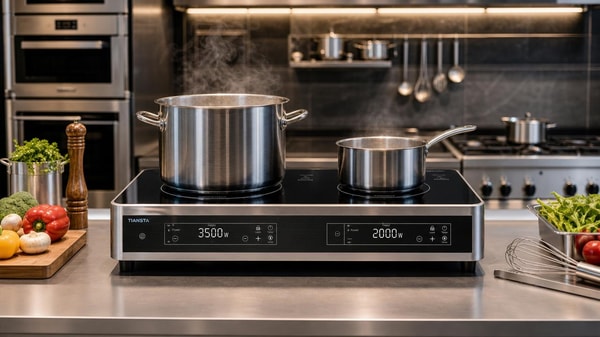
- Cooking equipment: ranges, ovens, combi ovens, fryers, grills, steamers, salamanders
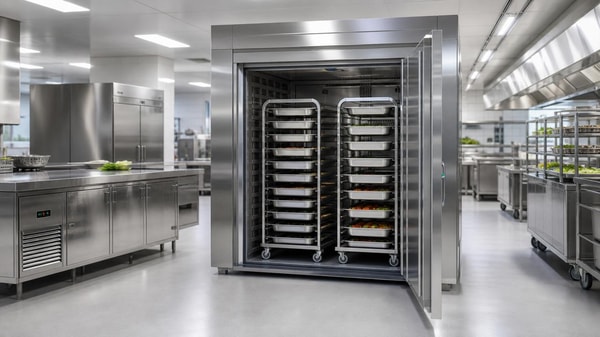
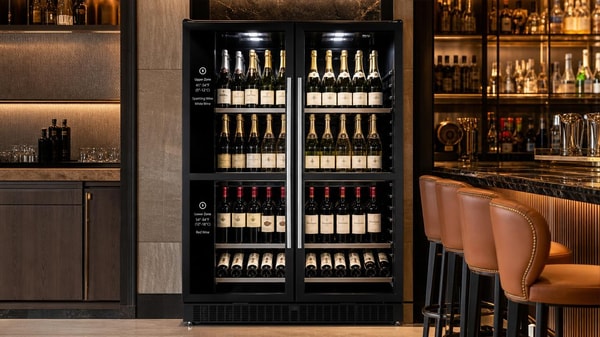
- Cold storage: walk-in chillers, freezers, reach-ins, blast chillers, wine storage
- Preparation stations: worktables, sinks, mixers, slicers, food processors
- Warewashing: dishwashers, glasswashers, pot wash stations, drying racks
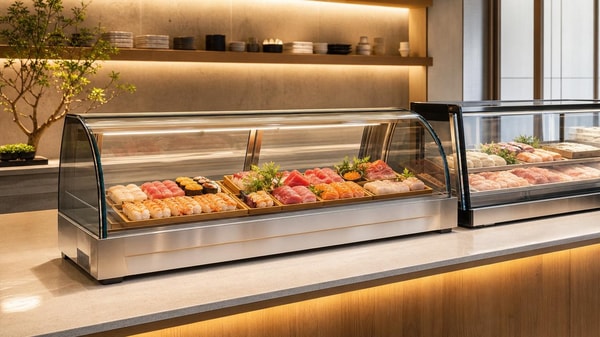
- Service equipment: buffet counters, bain-maries, hot holding, serving trolleys, POS-adjacent units
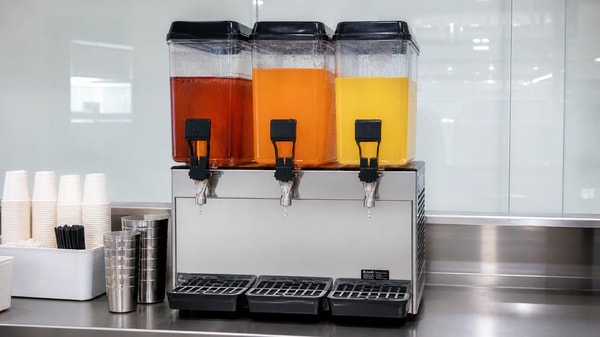
- Beverage systems: coffee machines, grinders, ice makers, dispensers, bar blenders
- Storage and logistics: shelving, bins, ingredient containers, mobile racks
- Cleaning and hygiene: grease management, waste bins, janitorial sinks, sanitizer systems
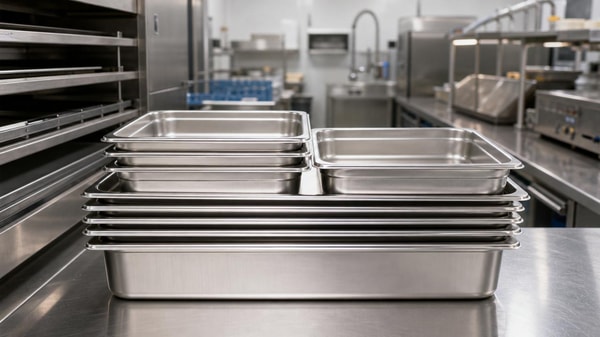
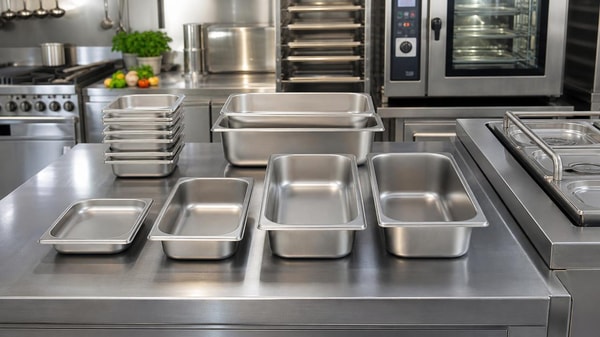
- Smallwares and operating tools: pans, utensils, GN containers, trays, thermometers
Which Hotel & Catering Equipment items are most often missed during project planning?
The most common misses are not usually the headline items. Teams rarely forget combi ovens or freezers. They often miss support equipment, utility interfaces, and operational accessories that sit between design intent and real kitchen workflow. This is where delays, change orders, and rework costs grow.
Examples include water filtration for coffee machines and ice makers, floor drains aligned with dishwashing zones, wall protection behind heavy-use areas, shelving for dry stores, grease traps sized for menu volume, and pass counters with the correct heated or refrigerated holding capacity. In banquet-heavy venues, another frequent gap is transport equipment: plate carts, linen trolleys, mobile hot boxes, and insulated beverage carriers.
Project leaders should also check operational consumables and startup quantities. A venue can be technically complete but still not open smoothly if it lacks enough gastronorm pans, prep containers, knives, trays, racks, refuse bins, or backup glasswashing baskets. These are low-cost compared with major equipment, yet highly disruptive when missing.
How should project managers choose Hotel & Catering Equipment for different venue formats?
The right Hotel & Catering Equipment checklist changes with the service model. A luxury hotel with all-day dining, banqueting, rooftop bar, room service, and pastry production requires a different planning structure from a limited-service hotel, quick-service concept, resort beach club, or mixed-use event venue.
Start with menu, volume, and service speed. Equipment must fit production reality, not just available floor space. For example, a venue with high breakfast turnover may need faster warewashing, multiple coffee stations, and hot holding capacity more than it needs specialty cooking stations. A fine-dining outlet may prioritize precision cooking, plating space, wine refrigeration, and quieter front-visible equipment finishes. A banquet kitchen typically needs bulk production, hot holding, transport, and regeneration capability.
Project teams should compare equipment choices against five filters: throughput, footprint, utility demand, cleaning burden, and staff skill level. A highly advanced piece of equipment may look efficient on paper but underperform if the operating team is not trained to use or maintain it. Likewise, compact equipment can save space but become a bottleneck during peak service.
A quick venue-based decision guide
What procurement and compliance checks should happen before ordering?
Before placing any order, the Hotel & Catering Equipment schedule should be checked against local codes, consultant drawings, utility provisions, and lead-time risk. This step is essential for avoiding equipment that cannot be installed, certified, or serviced on time.
Project managers should confirm electrical voltage, phase, gas type, extraction duty, heat rejection, water inlet quality, drainage points, and access paths. It is not enough for a machine to fit in the kitchen. It must also fit through loading routes, service lifts, and door openings, and be maintainable after installation. In many openings, maintenance clearance is forgotten until the commissioning stage.
Compliance checks should include food-contact materials, sanitation standards, fire safety requirements, and any regional certifications relevant to commercial hospitality use. For international sourcing, this is where buyers need disciplined documentation from manufacturers and distributors. A lower unit price can become expensive if certification gaps delay occupancy approvals or insurance acceptance.
A sourcing hub like Global Commercial Trade can add value by helping buyers compare not just product features, but OEM and supplier capability, after-sales support, production consistency, export readiness, and project references. For engineering and rollout teams, these trust indicators matter as much as specifications.
How can teams control budget and lead time without compromising launch readiness?
Cost control in Hotel & Catering Equipment procurement is not achieved by cutting random items. It comes from ranking equipment into critical-path assets, high-impact operational assets, and deferrable enhancements. This helps teams protect the opening date while still managing capital expenditure responsibly.
Begin by identifying long-lead items such as custom stainless fabrication, walk-in cold rooms, imported specialty ovens, bar systems, and integrated buffet counters. These often require early technical sign-off. Next, standardize where possible. Using repeatable models across multiple outlets can simplify spare parts, training, and maintenance contracts.
Another effective method is phased operational readiness. Some venues do not need every equipment zone live on day one. If a banquet hall opens after the main restaurant, procurement and installation can be sequenced accordingly, provided this is intentional and reflected in staffing and service plans. What must be avoided is accidental phasing caused by poor ordering discipline.
Budget protection also depends on comparing total cost of ownership rather than purchase price alone. Energy use, durability, cleaning time, service response, and spare parts availability directly affect the first two years of operation. For project owners, a cheaper unit with weak support can create hidden operating losses long after the fit-out budget is closed.
What are the biggest mistakes when using a Hotel & Catering Equipment checklist?
The first mistake is treating the checklist as a static spreadsheet rather than a live coordination tool. Openings are dynamic. Menus evolve, operators adjust workflows, and site conditions change. The checklist should be updated through design development, procurement, site progress, and pre-opening verification.
The second mistake is separating equipment procurement from operations input. Chefs, F&B managers, stewards, and engineering teams all see different risks. If only one function signs off, blind spots remain. Cross-functional review is one of the simplest ways to improve launch readiness.
The third mistake is underestimating commissioning. Equipment delivered is not equipment ready. Teams need startup testing, calibration, extraction balancing, temperature verification, water checks, and staff familiarization. A rushed handover often causes early failures that damage both service quality and supplier relationships.
The final mistake is ignoring future scalability. If the venue expects demand growth, seasonal peaks, or expansion into catering and events, the Hotel & Catering Equipment plan should leave room for additional storage, power, or modular add-ons. Building in flexibility early is usually cheaper than retrofitting after launch.
What should be confirmed in the final pre-opening review?
The final review should verify that every critical item is physically present, installed correctly, tested, and supported by the right documents. This includes manuals, warranties, certificates, maintenance contacts, and training records. Project managers should walk each service area with the operator, consultant, and contractor using the same issue log.
A strong final checklist review should confirm four things: the equipment works, the team can use it, the site can maintain it, and the opening stock supports real operating volume. If one of these four is weak, launch risk remains high even if the project appears visually complete.
For complex hospitality projects, Hotel & Catering Equipment planning is where design ambition meets commercial reality. The best outcomes come from early coordination, disciplined sourcing, and supplier selection based on capability, compliance, and service support rather than price alone.
Which questions should you raise first with suppliers or sourcing partners?
If you need to confirm a practical sourcing path, start with the questions that shape delivery risk and operational fit. Ask whether the supplier has relevant project references, verified compliance documents, realistic production lead times, spare parts coverage, and local or regional technical support. Then confirm utility requirements, installation responsibility, commissioning scope, training provision, and warranty response times.
It is also wise to ask which items can be standardized, which require customization, and which have substitute models if schedules slip. For project managers and engineering leaders, these early conversations reduce surprises and turn a general Hotel & Catering Equipment checklist into a launch-ready execution plan. If a venue team needs deeper support on specifications, sourcing direction, rollout timing, or supplier comparison, those are the priorities to align before any final purchase commitment.
Search News
Hot Articles
- Commercial KitchenStainless steel GN pans with reinforced corners last longer in busy kitchensMay 02, 2026
- Hotel Room AmenitiesMemory foam hotel mattresses: when soft comfort leads to faster saggingMay 02, 2026
- Hotel Room AmenitiesElectronic hotel door locks: battery alerts are often less simple than they seemMay 02, 2026
Popular Tags
Need ExpertConsultation?
Connect with our specialized leisureengineering team for procurementstrategies.
Recommended News
 May 02, 2026Stainless steel GN pans with reinforced corners last longer in busy kitchensStainless steel GN pans with reinforced corners help busy kitchens reduce warping, improve hygiene, and cut replacement costs. See why buyers choose longer-lasting performance.● Hospitality Sourcing Dir
 May 02, 2026Commercial induction cookers: power ratings that mislead first-time buyersCommercial induction cookers are not as simple as wattage labels suggest. Learn how to compare real performance, efficiency, pan fit, and reliability before you buy.● Hospitality Sourcing Dir
 May 02, 2026Beverage dispensers wholesale: what causes dripping after heavy useBeverage dispensers wholesale guide: learn what causes dripping after heavy use, how to spot seal, valve, and pressure issues, and choose durable suppliers with confidence.● Hospitality Sourcing Dir
 May 02, 2026Disposable wooden cutlery and the taste issue customers noticeDisposable wooden cutlery can affect taste, texture, and customer perception. Learn what causes woody aftertaste, how to test suppliers, and how to choose better options.● Hospitality Sourcing Dir
 May 02, 2026Sushi display cases: curved glass looks better, but is it practical?Sushi display cases with curved glass look premium, but are they practical? Compare visibility, cleaning, temperature control, and ROI before you buy.● Hospitality Sourcing Dir
 May 02, 2026Vacuum sealing machines food businesses can scale withVacuum sealing machines food businesses can scale with improve shelf life, workflow, and cost control. Explore reliable, compliant solutions for growing food operations.● Hospitality Sourcing Dir
 May 02, 2026Chafing fuel gel bulk: storage and burn-time issues to check firstChafing fuel gel bulk buyers should check storage stability, seal integrity, and real burn-time performance first. Reduce waste, avoid service disruption, and source with more confidence.● Hospitality Sourcing Dir
 May 02, 2026Custom printed napkins that keep logos sharp after unfoldingCustom printed napkins that keep logos sharp after unfolding help hotels, restaurants, and event brands protect presentation quality. Learn what to check before you buy.● Hospitality Sourcing Dir
 May 02, 2026Panini presses commercial models: smooth plate or grooved plate?Panini presses commercial buyers: compare smooth vs. grooved plates for hotels, cafés, catering, and foodservice. Learn which style boosts speed, cleaning, presentation, and value.● Hospitality Sourcing Dir
 May 02, 2026Catering transport carts: how much insulation is actually enough?Catering transport carts: discover how much insulation is truly enough to protect food quality, meet compliance goals, and improve service efficiency across real catering operations.● Hospitality Sourcing Dir
 May 02, 2026What slows down commercial bone saw machines during peak prep hoursCommercial bone saw machines slow down from blade wear, workflow bottlenecks, raw material variation, and cleaning delays. Learn what really cuts throughput and how to choose higher-efficiency equipment.● Hospitality Sourcing Dir
 May 02, 2026Refrigerated display cabinets: glass fogging problems and how to avoid themRefrigerated display cabinets often face glass fogging in humid settings. Learn key causes, smart anti-fog solutions, and how to choose reliable cabinets for clear visibility.● Hospitality Sourcing Dir
 May 02, 2026Commercial food processors: the attachment issue many kitchens overlookCommercial food processors are only as effective as their attachments. Learn how the right system improves consistency, safety, workflow, and ROI before you buy.● Hospitality Sourcing Dir
 May 02, 2026Biodegradable takeout containers that leak less with hot foodsBiodegradable takeout containers that leak less with hot foods: compare materials, heat resistance, grease barriers, and sourcing factors to choose reliable eco packaging.● Hospitality Sourcing Dir
 May 02, 2026Hotel & Catering Equipment checklist for new venue openingsHotel & Catering Equipment checklist for new venue openings: discover must-have items, common planning gaps, compliance checks, and sourcing tips to launch on time and with confidence.● Hospitality Sourcing Dir
 May 02, 2026Commercial waffle makers: flip or fixed plate for busy breakfast serviceCommercial waffle makers: compare flip vs fixed plate models for busy breakfast service. Learn which option improves speed, consistency, labor efficiency, and guest satisfaction.● Hospitality Sourcing Dir
 May 02, 2026Paper coffee cups wholesale: which lid fit causes the most complaintsPaper coffee cups wholesale buyers face the most complaints from loose lids that seem sealed but leak in use. Learn key fit risks, root causes, and sourcing checks before bulk orders.● Hospitality Sourcing Dir
 May 02, 2026Blast chillers commercial buyers regret choosing too smallBlast chillers commercial buyers often regret going too small. Learn how proper sizing protects food safety, peak throughput, compliance, and long-term operating efficiency.● Hospitality Sourcing Dir
 May 02, 2026Commercial wine coolers with dual zones: when are they worth it?Commercial wine coolers with dual zones: learn when the added cost pays off for hospitality, retail, and event venues through better temperature control, display, and service efficiency.● Hospitality Sourcing Dir
 May 02, 2026How to compare stainless steel GN pans by gauge and depthStainless steel GN pans compared by gauge and depth: learn how thickness, capacity, and workflow fit affect durability, heat performance, and smarter catering purchases.● Hospitality Sourcing Dir
 May 01, 2026Hotel and Catering Equipment Trends Shaping 2026 RenovationsHotel & Catering Equipment trends for 2026 renovations reveal smarter, cleaner, and more flexible solutions that cut risk, improve efficiency, and elevate guest experience.● Hospitality Sourcing Dir
 May 01, 2026Outdoor Patio Heaters: What Changes in Windy Dining AreasOutdoor patio heaters in windy dining areas need more than high output. Learn how wind changes comfort, efficiency, safety, and placement to choose smarter commercial heating solutions.● Hospitality Sourcing Dir
 May 01, 2026Food Warmers Commercial Models That Keep Texture, Not Just HeatFood warmers commercial buyers trust do more than hold heat—they preserve crispness, moisture, and presentation. Discover how to reduce waste and improve service quality.● Hospitality Sourcing Dir
 May 01, 2026Bakery Dough Mixers Sized Right for Batch ConsistencyBakery dough mixers sized right improve batch consistency, dough quality, and efficiency. Learn how to match capacity, torque, and dough type for reliable bakery performance.● Hospitality Sourcing Dir