HVAC systems for hotels: poor zoning raises energy bills quietly
In hotel projects, HVAC systems for hotels can quietly become a major cost driver when zoning is poorly planned. Uneven temperatures, unnecessary runtime, and guest comfort complaints often signal deeper control and design issues that inflate energy bills over time. For project managers, understanding these hidden inefficiencies is essential to balancing operating costs, system performance, and long-term asset value.
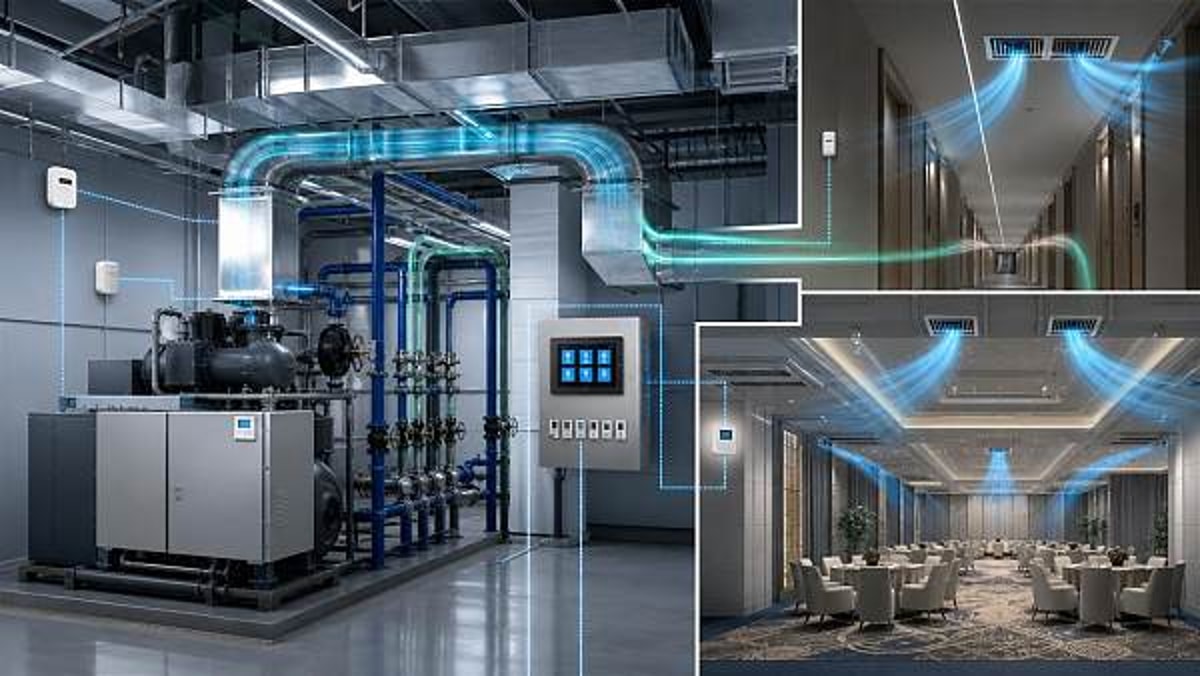
For hospitality developments, zoning is not a minor controls detail. It shapes how guest rooms, corridors, lobbies, meeting areas, kitchens, spas, and back-of-house spaces actually consume energy across 24 hours, 7 days a week. A hotel may have efficient chillers or heat pumps on paper, yet still underperform if the building is divided into zones that are too broad, poorly scheduled, or disconnected from real occupancy patterns.
This matters even more for project managers and engineering leads overseeing new builds, renovations, or multi-property upgrades. Procurement choices made during design development, value engineering, and commissioning can lock in operating behavior for 10 to 20 years. In that context, evaluating HVAC systems for hotels means looking beyond equipment capacity and first cost toward zoning logic, controls integration, maintenance access, and lifecycle risk.
Why poor zoning quietly drives hotel energy costs upward
In many hotel projects, energy waste does not come from one dramatic failure. It comes from small daily inefficiencies: oversized zones, simultaneous heating and cooling, stale schedules, and rooms conditioned even when unoccupied for 8 to 12 hours. These issues rarely trigger immediate alarms, but over a full year they can add a meaningful burden to utility budgets and guest satisfaction metrics.
Typical zoning mistakes in mixed-use hospitality buildings
Hotels are operationally diverse buildings. Guest floors may follow predictable nighttime loads, while banquet halls can shift from near-zero occupancy to peak demand within 30 minutes. Restaurants, laundry areas, and fitness spaces add very different sensible and latent loads. When these functions are grouped into only 2 or 3 large control zones, HVAC systems for hotels often run longer than necessary and respond too slowly to actual load changes.
- Guest room clusters sharing one control logic despite different solar exposure
- Lobby and retail frontage tied to the same schedule as interior circulation areas
- Meeting rooms served without occupancy-based setback control
- Kitchen-adjacent areas lacking pressure and ventilation separation
- Back-of-house spaces treated as comfort zones instead of process-driven zones
The cost pattern is gradual, not obvious
A poorly zoned system may increase fan runtime by 10% to 25%, force reheat in shoulder seasons, and create temperature drift of 2°C to 4°C between rooms on the same floor. None of these symptoms alone seems catastrophic. Together, they raise bills quietly, generate repeat maintenance tickets, and reduce the practical value of premium mechanical equipment.
For project teams, this is where lifecycle thinking becomes essential. A lower upfront controls scope can translate into years of manual overrides, higher service calls, and reduced guest review scores. In premium hospitality environments, even a small rise in comfort complaints can influence repeat bookings, event reputation, and facility management workload.
The table below shows how common zoning flaws translate into operational consequences in hotel settings. It is a practical lens for early design review and procurement discussions.
The key point is that poor zoning affects three budgets at once: energy, maintenance, and brand experience. That is why HVAC systems for hotels should be reviewed as an operational platform rather than a standalone equipment package.
How project managers should evaluate zoning during design and sourcing
When selecting HVAC systems for hotels, project managers should test the zoning concept before finalizing equipment lists. A good review process usually happens across 3 stages: concept design, coordinated engineering, and pre-commissioning validation. If zoning questions are postponed until site installation, corrective work often becomes expensive and slow.
Start with operational profiles, not only floor plans
The most useful zoning map begins with how each area operates over time. Guest rooms may need occupancy response within minutes. Corridors may tolerate wider deadbands. Conference spaces need rapid load adaptation for 20, 80, or 200 people. Restaurants may require separate ventilation logic during breakfast, lunch, and dinner peaks. These use patterns should drive zone boundaries more than architectural symmetry.
Four questions to ask during design review
- Can each major hotel function be controlled according to its own schedule and occupancy pattern?
- Are perimeter and interior loads separated where solar gain differs for more than 3 hours per day?
- Is humidity-sensitive space isolated from standard comfort zones?
- Can the system be adjusted without shutting down adjacent zones or disrupting guests?
These questions help teams avoid a common procurement trap: buying advanced equipment while accepting overly simple control architecture. In practice, even a well-specified central plant can underdeliver if terminal zoning, sensing strategy, or BMS integration is incomplete.
The matrix below can support early-stage comparison among zoning approaches typically considered for hospitality projects.
For most hotels, no single zoning method fits the entire building. The strongest outcomes usually come from combining room-level control, function-based scheduling, and dedicated treatment of high-moisture or high-ventilation areas.
Key specification points before procurement approval
A project manager reviewing HVAC systems for hotels should confirm at least 6 specification items before issuing final purchase approval. First, zone temperature sensing points should match actual occupancy and not be placed only for installation convenience. Second, scheduling and override logic should be clearly documented for normal, peak, and low-season operation. Third, room occupancy data should integrate with the HVAC sequence where commercially feasible.
Fourth, controls should support trend logs for at least 30 days, enabling post-occupancy tuning. Fifth, humidity control strategy should be defined for climates where indoor RH regularly exceeds 60%. Sixth, service access should be reviewed early, because inaccessible dampers, actuators, or terminal devices often turn minor issues into persistent inefficiencies.
Implementation, commissioning, and long-term control of hotel HVAC zones
Even a sound design can fail in delivery if commissioning is rushed. In hotel projects, zoning performance should be validated in real operating modes, not only in static handover tests. This means checking guest-room setbacks, event-area response, morning ramp-up, and low-occupancy behavior over several days rather than one short inspection window.
A practical 5-step commissioning sequence
- Verify sensor locations, naming, and calibration before functional testing.
- Check each zone schedule against hotel operations, including weekends and event days.
- Test occupied and unoccupied setpoint shifts in a sample group of 10 to 20 rooms.
- Trend temperature, humidity, valve position, and runtime for 72 hours or longer.
- Adjust deadbands, overrides, and alarm thresholds before final acceptance.
This sequence is particularly valuable during phased openings, where some hotel wings may operate while others are still being finished. In those conditions, temporary schedules and manual overrides can become permanent habits unless clearly managed and later reset.
Common post-handover issues that signal weak zoning
Within the first 3 to 6 months of operation, facility teams should watch for recurring comfort tickets in the same stack of rooms, simultaneous hot and cold complaints on one floor, event rooms requiring manual pre-cooling every time, or unusual runtime during shoulder seasons. These are often zoning or sequence issues rather than equipment failure.
- Guest complaints concentrated on east- or west-facing rooms
- Meeting spaces that take more than 45 to 60 minutes to recover
- Frequent thermostat tampering or staff overrides
- High humidity near spa or pool-related support spaces
- Unexpected night load in public areas with low occupancy
Why this affects asset value
Hotels trade on comfort consistency. If HVAC systems for hotels produce unstable room conditions, the effect reaches far beyond energy use. Recurrent complaints increase labor time, shorten component life through excessive cycling, and can undermine renovation ROI. A system expected to operate effectively for 15 years may require premature controls upgrades in 3 to 5 years if zoning was weak from the start.
For sourcing and project delivery teams working across regions, the strongest procurement strategy is to align design intent, controls capability, installation quality, and operator training in one framework. That means evaluating not only equipment vendors, but also integration scope, commissioning resources, spare-part availability, and post-handover support. In hospitality, the real performance of HVAC systems for hotels is proven after opening, when occupancy patterns, climate exposure, and guest expectations meet daily operations.
Global Commercial Trade supports buyers and project leaders who need clearer sourcing intelligence for complex hospitality environments, from hotel and catering equipment planning to supplier evaluation across commercial-grade systems. If you are reviewing zoning strategy, retrofit priorities, or procurement options for HVAC systems for hotels, now is the right time to compare lifecycle performance instead of first cost alone. Contact us to discuss your project requirements, request a tailored sourcing plan, or explore more commercial solutions for hotel development and renovation.
Search News
Hot Articles
Popular Tags
Need ExpertConsultation?
Connect with our specialized leisureengineering team for procurementstrategies.
Recommended News
 May 03, 2026Hotel room minibar fridges: silent operation is not enoughHotel room minibar fridges now require more than silent operation. Explore how energy efficiency, design fit, compliance, and lifecycle value shape smarter hotel sourcing.● Hospitality Sourcing Dir
 May 03, 2026HVAC systems for hotels: poor zoning raises energy bills quietlyHVAC systems for hotels can silently inflate energy bills when zoning is weak. Learn how smarter controls cut costs, improve guest comfort, and protect long-term hotel asset value.● Hospitality Sourcing Dir
 May 03, 2026Wooden coat hangers hotel projects should not overlook finish qualityWooden coat hangers hotel buyers should not ignore finish quality. Learn how smoothness, coating safety, and color consistency reduce complaints, protect brand image, and lower replacement costs.● Hospitality Sourcing Dir
 May 03, 2026Artificial plants for hotels: where they look premium, not fakeArtificial plants for hotels that look premium, not fake—discover how luxury properties use realistic faux greenery to elevate ambiance, cut maintenance, and protect brand consistency.● Hospitality Sourcing Dir
 May 03, 2026Commercial hand dryers can lower waste, but noise still mattersCommercial hand dryers reduce paper waste and maintenance costs, but noise can shape comfort and brand perception. Discover how to choose the right model for every commercial space.● Hospitality Sourcing Dir
 May 03, 2026Hotel hair dryers wall mounted: safety features worth checkingHotel hair dryers wall mounted: discover the safety features buyers should check first, from overheat protection to tamper resistance, for safer, smarter hotel sourcing.● Hospitality Sourcing Dir
 May 03, 2026Smart hotel room controls work best when systems talk to each otherSmart hotel room controls work best when HVAC, lighting, access, and service platforms connect seamlessly. Learn how interoperability improves efficiency, guest experience, and long-term scalability.● Hospitality Sourcing Dir
 May 03, 2026Automatic soap dispensers: battery life is not the only issueAutomatic soap dispensers are about more than battery life. Discover how sensor accuracy, refill compatibility, maintenance, and durability impact hygiene, cost, and user experience.● Hospitality Sourcing Dir
 May 03, 2026What hotels often miss when sourcing illuminated makeup mirrorsIlluminated makeup mirrors hotel buyers often miss key specs that affect guest satisfaction, maintenance, and brand value. Discover what to check before sourcing.● Hospitality Sourcing Dir
 May 03, 2026Commercial air purifiers: HEPA ratings that matter in hotelsCommercial air purifiers for hotels: learn which HEPA ratings truly matter for guest rooms, lobbies, and wellness zones to improve comfort, compliance, and smarter buying.● Hospitality Sourcing Dir
 May 03, 2026Wholesale toilet paper rolls: what affects true cost per useWholesale toilet paper rolls are not just about low case price. Learn what affects true cost per use, from sheet strength to dispenser fit, and source smarter for long-term savings.● Hospitality Sourcing Dir
 May 02, 2026Memory foam hotel mattresses: when soft comfort leads to faster saggingMemory foam hotel mattresses may feel luxurious at first, but can soft comfort cause faster sagging? Discover how buyers can reduce risk, improve durability, and protect hotel ROI.● Hospitality Sourcing Dir
 May 02, 2026Electronic hotel door locks: battery alerts are often less simple than they seemElectronic hotel door locks battery alerts are more complex than they appear. Learn how firmware, usage, and environment affect reliability, maintenance efficiency, and smarter sourcing.● Hospitality Sourcing Dir
 May 02, 2026Hotel housekeeping carts: the layout detail that saves minutes on every floorHotel housekeeping carts can save minutes on every floor. Discover how smarter cart layout improves workflow, reduces labor strain, and supports faster, more consistent room turnover.● Hospitality Sourcing Dir
 May 02, 2026Wholesale hotel safes: keypad reliability matters more than extra featuresWholesale hotel safes should be judged by keypad reliability first. Discover the checklist that helps buyers reduce lockouts, maintenance costs, and guest complaints.● Hospitality Sourcing Dir
 May 02, 2026Hotel lobby chandeliers: how size mistakes affect the whole arrival experienceHotel lobby chandeliers can make or break first impressions. Learn how sizing mistakes affect luxury, circulation, and brand value—and how to choose the right scale.● Hospitality Sourcing Dir
 May 02, 2026Industrial ironing machines: steam output is not the only thing to compareIndustrial ironing machines should be compared by more than steam output. Discover how temperature control, pressure stability, efficiency, and durability affect real commercial performance.● Hospitality Sourcing Dir
 May 02, 2026Blackout curtains for hotels that block light without trapping heatBlackout curtains for hotels that block light without trapping heat—discover smarter fabrics, thermal comfort benefits, and sourcing tips for better guest sleep and hotel performance.● Hospitality Sourcing Dir
 May 02, 2026Hotel luggage carts: why wheel quality matters more than frame finishHotel luggage carts perform best when wheel quality comes first. Discover how better casters reduce noise, protect floors, improve handling, and lower long-term hotel maintenance costs.● Hospitality Sourcing Dir
 May 02, 2026Custom printed hotel key cards: PVC or wood for a better guest feel?Custom printed hotel key cards: compare PVC and wood to find the best mix of guest feel, durability, sustainability, and brand impact for smarter hotel sourcing.● Hospitality Sourcing Dir
 May 02, 2026Commercial laundry equipment sizing mistakes that raise utility billsCommercial laundry equipment sizing mistakes can quietly drive up water, energy, and labor costs. Learn the biggest planning errors and how smarter sizing protects budgets and efficiency.● Hospitality Sourcing Dir
 May 02, 2026Why some wholesale bath towels for hotels wear out too fastWholesale bath towels for hotels can wear out fast due to fiber quality, GSM, weave, and laundering mismatch. Learn how to choose durable towels that cut replacement costs and protect guest experience.● Hospitality Sourcing Dir
 May 01, 2026Hotel Desks That Work for Both Business Guests and Small RoomsHotel desks for compact rooms: learn how to choose durable, space-saving, business-friendly designs that improve guest satisfaction and simplify hotel procurement.● Hospitality Sourcing Dir
 May 01, 2026Hotel Slippers in Bulk: Cheap Pairs Can Hurt Guest PerceptionHotel slippers bulk choices affect more than cost. Discover how cheap pairs can damage guest perception, comfort, and brand value—and how smarter sourcing improves reviews.● Hospitality Sourcing Dir