Biometric Time Attendance Systems: Where Accuracy Gains Fade
Biometric time attendance systems promise precise workforce tracking, stronger accountability, and reduced buddy punching. Yet for technical evaluators, the real question is where those accuracy gains begin to fade under real-world conditions such as poor fingerprint quality, environmental interference, integration limits, and privacy concerns. This article examines the hidden trade-offs behind performance claims to help buyers make more reliable deployment decisions.
Why are biometric time attendance systems still seen as a high-accuracy option?
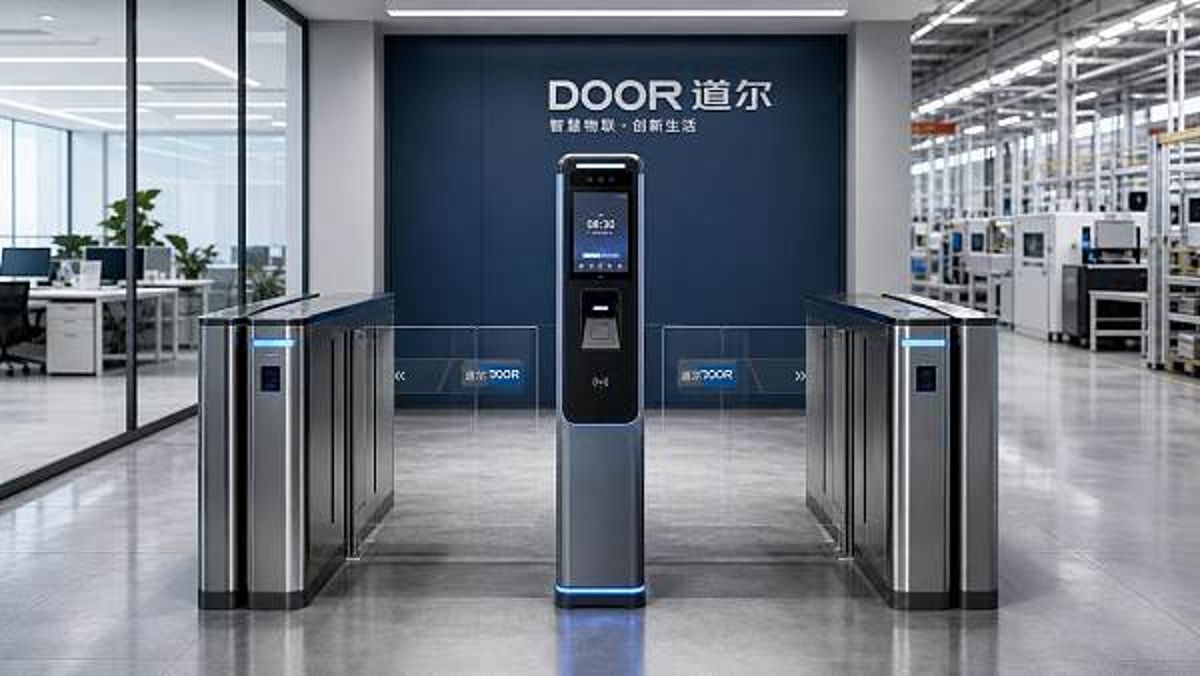
Biometric time attendance systems remain attractive because they tie clock-in events to a physical trait rather than a badge, PIN, or shared login. In theory, this creates stronger identity assurance, cleaner attendance records, and less payroll leakage. For technical evaluation teams, that sounds compelling in multi-shift factories, hotels, campuses, logistics centers, and retail operations where labor movement is constant and proxy punching can be costly.
The most common promise is measurable accuracy. Fingerprint, face, iris, or palm-based attendance devices can reduce duplicate identities, force real-user verification, and generate a more auditable event trail. Compared with manual registers or card-based systems, biometric time attendance systems often improve compliance visibility and shorten exception handling for HR and operations teams.
However, technical evaluators should distinguish between identity accuracy in controlled conditions and attendance reliability in live environments. A low false acceptance rate on a datasheet does not automatically mean stable throughput at a loading dock, a hotel back entrance, or a dusty workshop. The value of the system depends not only on biometric matching quality, but also on sensor placement, user behavior, network resilience, software integration, and exception policies.
Where do accuracy gains from biometric time attendance systems begin to fade in real use?
Accuracy gains usually fade when biological variability and environmental variability collide with operational pressure. In fingerprint systems, dry skin, worn fingerprints, moisture, grease, or cuts can lower read quality. This is especially common in catering, manufacturing, cleaning, warehousing, and field-heavy roles. A system that performs well in a lab may produce frequent retries when staff arrive quickly, hands are dirty, or queues form during shift changes.
Face recognition systems face a different set of limits. Strong backlighting, masks, glasses, aging, camera angle, crowded entrances, and low-light conditions can reduce matching consistency. In leisure parks, hospitality properties, and educational sites, uneven traffic flows and varying ambient light often affect practical performance more than the algorithm vendor admits in marketing material.
Another point where performance fades is enrollment quality. If the initial biometric template is captured poorly, even a strong matching engine has little to work with later. Technical evaluators should treat enrollment as part of system performance, not as a separate administrative task. Bad enrollment creates persistent downstream failure, higher support demand, and frustration that eventually pushes teams to bypass the intended control process.
Finally, there is a throughput trade-off. A stricter matching threshold may improve security but slow down clock-in speed and increase rejection events. A looser threshold may reduce queues but weaken identity assurance. In many real deployments, biometric time attendance systems are not limited by matching science alone; they are limited by the organization’s tolerance for friction at scale.
Which biometric modality is most practical for different commercial environments?
There is no universal best modality. The right choice depends on workforce conditions, hygiene expectations, user acceptance, and infrastructure maturity. Technical teams should compare not only accuracy claims but also failure modes. In premium hospitality, office, and education settings, face recognition may offer a smoother user experience because it is contactless and fast. In industrial or back-of-house contexts, fingerprints may be cheaper, but they may also suffer more from skin condition and contamination.
Palm or vein-based systems can offer stronger consistency in some cases, but cost, hardware availability, maintenance complexity, and integration support may narrow their appeal. Iris systems can be highly accurate, yet they often exceed the practical requirements or budget of standard attendance management.
For mixed-use commercial environments, the most practical decision is often not the most technically advanced one. It is the modality that preserves acceptable accuracy under local conditions while keeping adoption friction low. That is why pilot testing in the actual entry area matters more than a polished product demonstration.
What should technical evaluators verify beyond the vendor’s accuracy rate?
The first thing to verify is how the vendor defines accuracy. Ask whether the number refers to false acceptance rate, false rejection rate, equal error rate, or another benchmark. These are not interchangeable. A headline figure without testing conditions has limited procurement value. Technical evaluators should request scenario-specific data: user volume, indoor or outdoor use, lighting range, failed read handling, and performance during peak entry windows.
Second, examine integration depth. Biometric time attendance systems create business value only when attendance events sync reliably with HR software, payroll rules, scheduling tools, access control layers, and reporting dashboards. If the system exports delayed, inconsistent, or incomplete records, then the organization may replace one source of inaccuracy with another. API maturity, event logging, offline buffering, and audit traceability are just as important as the biometric sensor.
Third, assess device lifecycle support. Commercial buyers should confirm firmware update policy, remote management capability, spare parts availability, template storage model, and cybersecurity maintenance. In cross-border operations, support quality can vary sharply by market. For global sourcing teams, this is where trusted supplier intelligence matters: a capable device maker without durable support infrastructure may become a long-term operational burden.
Fourth, ask about exception management. No biometric system is perfect. Employees may have unreadable fingerprints, temporary injuries, or legitimate identification issues. A robust deployment needs controlled fallback methods, supervisor approval workflows, and anti-abuse safeguards. The strongest systems are not those that never fail, but those that fail predictably and recover cleanly.
What are the most common mistakes companies make when selecting biometric time attendance systems?
A common mistake is assuming that stronger security automatically means better attendance management. Attendance is an operational process, not just an identity problem. If entry points are congested, staff are poorly trained, and the device location is inconvenient, even high-end biometric time attendance systems may generate resistance, delays, and manual corrections.
Another mistake is buying based on a single benchmark. Evaluators may focus too narrowly on recognition speed or false match rates while overlooking hygiene, privacy obligations, multilingual user interfaces, local labor requirements, or hardware durability. In sectors such as hospitality and education, user experience matters because visible friction at staff entrances can quickly undermine compliance.
Companies also underestimate data governance. Biometric data is sensitive. Depending on jurisdiction, collecting and storing biometric templates may require explicit consent, strict retention policies, encryption controls, and purpose limitation. If these legal and policy foundations are weak, the technical performance of the system becomes secondary to regulatory exposure.
One more mistake is skipping representative pilots. A short trial in a clean conference room reveals little about real usage. Pilot groups should include workers with difficult-to-read fingerprints, different heights and skin tones for face systems, peak-shift traffic, and locations with real environmental noise. Commercial procurement should treat pilot design as part of due diligence rather than a sales formality.
How do privacy, compliance, and trust affect deployment decisions?
Privacy concerns are often where technical performance loses strategic momentum. Even if biometric time attendance systems work well, employee acceptance may fall if the organization cannot explain what data is being captured, where templates are stored, how long they are retained, and who can access them. This is especially important for global enterprises operating across multiple legal regimes.
Technical evaluators should ask whether the system stores raw images or only encrypted templates, whether matching occurs on-device or in the cloud, and whether deletion requests can be processed cleanly. They should also confirm whether the vendor offers region-specific compliance support. For multinational buyers, one architecture may not suit every country or labor context.
Trust is not built by hardware alone. It is built by transparent governance, clear fallback options, and proportional deployment. In some settings, a contactless face system may improve hygiene and convenience. In others, staff may prefer a less intrusive smart card approach if attendance fraud risk is low. Technical evaluation should therefore include organizational acceptability, not just system capability.
How can buyers judge whether biometric time attendance systems are worth the investment?
The answer depends on where current losses come from. If payroll leakage, proxy attendance, or manual reconciliation is significant, biometric time attendance systems can create a clear return. If the existing process is already disciplined and the workforce is small, the cost and governance burden may outweigh the gains. Technical evaluators should frame the business case around measurable operational pain points rather than technology appeal.
A useful decision lens is to compare expected gains with deployment complexity:
In many cases, the smartest path is phased adoption. Start with one site, one user group, and one integration path. Measure exception rates, queue time, device uptime, and user complaints before scaling. This approach helps buyers separate headline promise from proven operational value.
What should be clarified before moving into sourcing, procurement, or implementation?
Before making a final decision, technical teams should prepare a practical question set for vendors and sourcing partners. Confirm the biometric modality recommendation by site type, target matching thresholds, offline operation behavior, template protection method, integration documentation, local support coverage, and pilot success criteria. These points reduce the risk of buying a system optimized for a showroom rather than a working commercial environment.
For organizations that source internationally, supplier credibility also matters. Buyers should verify manufacturing consistency, firmware maintenance, OEM or ODM flexibility, regulatory understanding, and documented project experience in comparable sectors such as hospitality, education, leisure, or specialty retail. Reliable sourcing intelligence is especially valuable when solutions must balance aesthetics, compliance, durability, and system interoperability.
Biometric time attendance systems can be powerful, but their value is conditional. Accuracy gains fade when real-world labor conditions, weak enrollment, poor integration, and fragile governance are ignored. If you need to confirm a specific deployment path, it is best to first discuss site environment, workforce profile, software stack, privacy obligations, support expectations, pilot scope, and total lifecycle cost. Those are the questions that turn a promising device into a reliable commercial solution.
Search News
Hot Articles
Popular Tags
Need ExpertConsultation?
Connect with our specialized leisureengineering team for procurementstrategies.
Recommended News
 May 04, 2026Ergonomic Office Chairs Wholesale: Comfort Claims vs Real SupportErgonomic office chairs wholesale: learn how to verify real support beyond comfort claims with fit, adjustability, durability, and compliance insights for smarter commercial buying.● Institutional Buyer
 May 04, 2026Modular Office Workstations: Flexibility Can Add Setup CostsModular office workstations can improve flexibility, but setup costs often rise through installation, power, data, and rework. Learn when the added investment truly pays off.● Institutional Buyer
 May 04, 2026Steel Filing Cabinets: Why Some Drawers Jam Too EarlySteel filing cabinets often jam early due to weak slides, poor leveling, overload, or lock issues. Discover what to check before buying and how to avoid costly drawer failures.● Institutional Buyer
 May 04, 2026Office Network Racks: Airflow Problems Start With Bad PlanningOffice network racks can fail early when airflow is ignored. Learn the key planning checklist to prevent overheating, reduce maintenance risks, and build a more reliable office network.● Institutional Buyer
 May 04, 2026Office Partitions Wholesale: Open Plan Savings, Closed Office NeedsOffice partitions wholesale helps project managers cut fit-out costs, speed delivery, and balance open-plan efficiency with private office performance. Explore smarter commercial workspace solutions.● Institutional Buyer
 May 04, 2026Conference Room Tables: Common Layout Mistakes to AvoidConference room tables can make or break meeting flow. Discover common layout mistakes to avoid and plan smarter spaces for collaboration, AV integration, and professional results.● Institutional Buyer
 May 04, 2026Mobile Pedestals Wholesale: Why Drawer Slides Matter MoreMobile pedestals wholesale buyers should look beyond price—drawer slides shape durability, load capacity, and maintenance costs. Learn what to compare before ordering.● Institutional Buyer
 May 04, 2026Height Adjustable Standing Desks: Stability Matters More Than SpeedHeight adjustable standing desks should be judged by stability, not just speed. Learn how stronger frames improve safety, user confidence, and long-term value in commercial spaces.● Institutional Buyer
 May 04, 2026Executive Office Desks: When Looks Start to Hurt FunctionExecutive office desks should do more than look impressive. Discover how to balance prestige, ergonomics, storage, and tech support for smarter office buying decisions.● Institutional Buyer
 May 04, 2026Server Cabinets Wholesale: How to Avoid Ordering the Wrong DepthServer cabinets wholesale guide: avoid costly depth mistakes by checking usable internal space, rail fit, cable clearance, and expansion needs before placing bulk orders.● Institutional Buyer
 May 04, 2026Commercial Paper Shredders and the Hidden Cost of DowntimeCommercial paper shredders do more than destroy documents—they protect uptime, compliance, and budgets. Discover how to avoid hidden downtime costs and choose smarter for busy workplaces.● Institutional Buyer
 May 04, 2026Mesh Office Chairs OEM Orders: Specs That Cause ReworkMesh office chairs OEM projects often face rework from vague specs, certification gaps, and component mismatches. Learn what to verify before production to avoid delays and protect budgets.● Institutional Buyer
 May 04, 2026Stackable Visitor Chairs That Save Space Without Looking CheapStackable visitor chairs that save space without looking cheap—discover how to choose stylish, durable seating for offices, schools, and hospitality spaces.● Institutional Buyer
 May 04, 2026What Makes Commercial Acoustic Panels Worth the Cost?Commercial acoustic panels help buyers balance cost with performance, compliance, durability, and design. Learn what makes them worth the investment across offices, schools, hotels, and more.● Institutional Buyer
 May 04, 2026Biometric Time Attendance Systems: Where Accuracy Gains FadeBiometric time attendance systems deliver stronger tracking, but where do accuracy gains fade? Explore real-world limits, privacy risks, and smarter deployment choices.● Institutional Buyer
 May 03, 2026Commercial trash cans: capacity, liners, and lid design all matterCommercial trash cans impact cleanliness, labor, and guest experience. Learn how capacity, liner fit, and lid design help buyers choose smarter, cleaner, cost-effective solutions.● Institutional Buyer
 May 03, 2026Wet and dry vacuum cleaners: when tank size slows teams downWet and dry vacuum cleaners can boost flexibility, but the wrong tank size cuts productivity. Learn how to choose capacity that reduces downtime, labor costs, and workflow friction.● Institutional Buyer
 May 03, 2026Commercial floor scrubbers: ride-on or walk-behind for large sitesCommercial floor scrubbers for large sites: compare ride-on and walk-behind models by productivity, maneuverability, labor efficiency, and cost to choose the best fit.● Institutional Buyer
 May 03, 2026Decorative room dividers that improve layout without blocking lightDecorative room dividers improve layout, define zones, and preserve natural light in modern interiors. Explore stylish, flexible solutions for commercial and hospitality spaces.● Institutional Buyer
 May 03, 2026Why wholesale ironing boards vary so much in frame qualityWholesale ironing boards vary in frame quality due to steel grade, weld strength, stability, coating, and QC. Learn what smart buyers should check before placing bulk orders.● Institutional Buyer
 Apr 30, 2026Contract furniture specs that reduce replacement cyclesContract furniture specs that cut replacement cycles: learn how durability, cleanability, compliance, and serviceable design help buyers lower lifecycle costs and protect brand standards.● Institutional Buyer
 Apr 28, 2026Luxury Furniture Materials That Age Well and Those That Do NotLuxury furniture guide for hotel furniture, custom furniture, hotel beds, hotel chairs, hotel tables, and park benches—learn which materials age well, cut lifecycle costs, and protect premium spaces.● Institutional Buyer
 Apr 28, 2026Custom Furniture Orders Go Wrong When Samples Skip Real TestingCustom furniture mistakes start when samples skip real testing. Learn how hotel furniture, hotel beds, hotel chairs, hotel tables, luxury furniture and park benches avoid costly failures.● Institutional Buyer
 Apr 28, 2026Are Park Benches With Backrests Always the Better Choice?Park benches with backrests are not always best. Explore how custom furniture choices align with luxury furniture, hotel furniture, hotel chairs, hotel tables, and hotel equipment needs.● Institutional Buyer