Kindergarten Furniture Bulk Orders and the Safety Details Missed
When planning kindergarten furniture bulk purchases, many procurement teams focus on price, lead time, and design, yet overlook critical safety details that directly affect compliance, durability, and child well-being. From edge protection and material toxicity to stability testing and classroom ergonomics, understanding these hidden factors is essential for making smarter sourcing decisions and reducing long-term risk.
For procurement professionals, the core search intent behind this topic is practical and risk-driven: how to evaluate bulk kindergarten furniture orders beyond surface-level specifications, avoid hidden safety failures, and choose suppliers that can support compliant, durable, and age-appropriate classroom environments. In most cases, buyers are not looking for general parenting advice or broad school design trends. They want a sourcing framework that helps them identify what suppliers often fail to disclose.
The most urgent concerns usually include whether the furniture meets safety standards, whether materials are genuinely child-safe, how the products perform under daily institutional use, and what documentation should be required before committing to volume. This means the most useful article is one that translates safety into procurement criteria, inspection points, and supplier questions rather than abstract discussion.
Why Safety Details Matter More in Kindergarten Furniture Bulk Orders
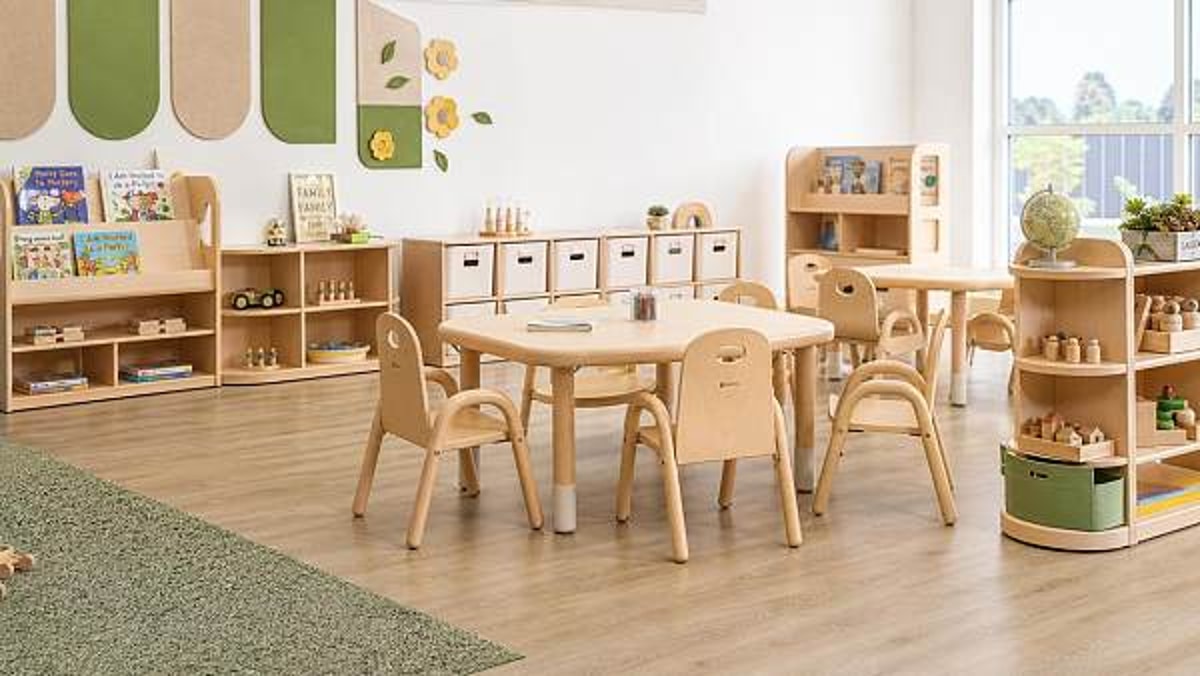
In kindergarten settings, furniture is not passive equipment. Children climb on it, drag it, lean on it, chew corners, spill liquids on it, and use it in ways adults do not predict. That is why bulk sourcing for early childhood spaces requires a different evaluation logic from office, hospitality, or even higher-grade educational furniture.
A single overlooked detail can multiply into a large-scale risk when hundreds of units are installed across classrooms. Sharp corners, unstable table legs, coatings with excessive volatile emissions, or poorly secured hardware may seem minor during sample review, but in real use they can lead to injuries, complaints, maintenance costs, and reputational damage for the school operator or project owner.
For procurement teams, the correct starting point is this: low unit cost does not equal low project cost. A cheaper order can become far more expensive if it triggers replacement cycles, post-installation repairs, failed inspections, or liability concerns. In kindergarten furniture bulk projects, safety is not just a compliance issue. It is a lifecycle cost issue.
Which Safety Risks Are Most Commonly Missed During Supplier Evaluation
Many buyers assume that if a supplier serves the education market, the products are automatically appropriate for kindergarten use. This is a costly assumption. Early childhood furniture has its own risk profile, and not all “school furniture” suppliers are equally capable of meeting it.
One of the most missed issues is edge and corner treatment. Catalog images may show smooth-looking products, but physical samples can reveal corners that are only minimally rounded. For kindergarten use, the radius, consistency, and finishing quality of exposed edges matter. Poor sanding or thin edge banding can create impact and abrasion risks.
Another overlooked issue is tip-over and stability performance. Lightweight furniture is often preferred for classroom flexibility, but if the center of gravity is poorly designed, shelves, storage cabinets, and even small tables can become unstable when children pull or climb. Procurement teams should ask not only whether stability testing was done, but under which standards and under what loading conditions.
Pinch points and accessible gaps are also commonly ignored. Folding mechanisms, movable storage lids, adjustable-height parts, and modular connectors can create finger-trap hazards. In early learning spaces, any moving component should be reviewed from the child’s perspective, not just from adult handling convenience.
A further blind spot is surface coating and substrate emissions. Wood-based panels, adhesives, paints, and laminates may all contribute to indoor air quality concerns. A product can appear visually premium while still carrying risks linked to formaldehyde emissions, heavy metals, phthalates, or poor chemical resistance. This is especially important in enclosed classrooms with long daily occupancy.
What Procurement Teams Should Check in Materials and Finishes
Materials are often presented in simple terms such as “solid wood,” “plywood,” “MDF,” “PP plastic,” or “water-based paint.” These labels are not enough for procurement decisions. The real question is whether the complete material system is suitable for intensive use by young children and supported by verifiable test data.
For wood and panel-based furniture, buyers should request information on substrate grade, edge sealing method, coating specification, and emissions testing. If a supplier uses engineered boards, ask for the exact formaldehyde classification relevant to the destination market. If the answer is vague, that is a warning sign. “Eco-friendly” without measurable standards should never be accepted in institutional purchasing.
For plastic parts, it is important to clarify impact resistance, brittleness under temperature changes, UV stability if used in bright spaces, and whether the material contains restricted substances. Injection-molded classroom chairs may look similar across suppliers, but resin quality and wall thickness can produce very different performance over time.
Textiles, cushions, and soft seating components require equal scrutiny. Flame behavior, stain resistance, cleanability, seam strength, and microbial resistance can all affect long-term safety and operating cost. In kindergarten environments, materials should support frequent cleaning without rapid cracking, peeling, or chemical degradation.
Procurement professionals should also examine finish durability. A child-safe coating is not enough if it chips easily and exposes substrate edges after six months. Ask suppliers for abrasion, scratch, and chemical resistance performance, especially against common cleaning agents used in schools. A finish that fails under routine sanitation creates both hygiene and maintenance problems.
How to Verify Compliance Instead of Trusting Marketing Claims
One of the biggest sourcing mistakes in kindergarten furniture bulk procurement is treating certificates as a formality. Compliance documents should be reviewed as evidence of product suitability, not as decorative attachments in a quotation package.
First, ask which standards apply in your destination market and intended use scenario. Depending on the region, requirements may involve furniture safety, mechanical testing, flammability, chemical restrictions, and emissions performance. The important point is alignment. A supplier may present a valid test report, but if it covers a different product type, an outdated revision, or a non-equivalent standard, it may not protect your project.
Second, confirm whether the testing was conducted on the actual product configuration you are buying. This is critical for custom or OEM orders. Changes in dimensions, hardware, material thickness, or finish systems can affect compliance outcomes. A report based on an older sample may not represent the current production version.
Third, review the source of the documentation. Independent third-party labs generally carry more value than internal declarations. Reports should identify the tested model, methods used, result thresholds, and date of issue. Procurement teams should also watch for incomplete pages, inconsistent model numbers, or reports that are too broad to verify.
Finally, compliance should be built into the purchasing contract. If a supplier promises conformance during negotiation but the purchase order and technical agreement do not state the required standards, the buyer has less protection if issues emerge later. The right time to define compliance responsibility is before production begins.
Why Ergonomics Is a Safety Issue, Not Just a Comfort Feature
In early childhood settings, ergonomics directly affects posture, concentration, movement, and accident risk. Yet it is often under-prioritized in large purchasing decisions because it is harder to compare than price or finish color. This is a mistake, especially for projects serving children across specific age bands.
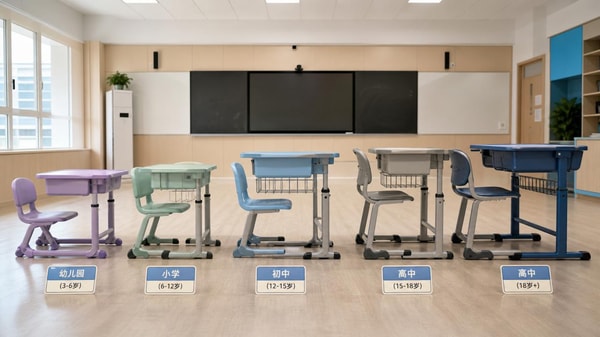
Chairs and tables that are too high can force shoulder elevation and unstable sitting positions. Furniture that is too low may encourage slouching, awkward kneeling, or children standing on chair frames. In active classrooms, poor height matching can also increase tipping, misuse, and circulation problems as children constantly reposition themselves.
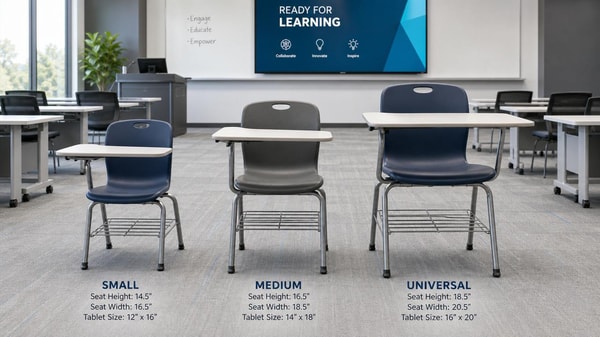
Procurement teams should ask suppliers for age-based dimensional recommendations, not just generic product names like “kids chair” or “preschool table.” Seat height, table height, back support geometry, and clearance dimensions should correspond to the target user group. Mixed-age facilities may require multiple size categories rather than a one-size-fits-all order.
Storage furniture should also be reviewed ergonomically. Open shelves, cubbies, and book displays should allow children to access items safely without excessive reaching, climbing, or pulling. When classroom independence is a design goal, ergonomic accessibility becomes part of the safety strategy.
How Durability and Safety Interact in Real Classroom Use
Safety is not limited to day-one compliance. A product may pass initial checks and still become unsafe after months of institutional use if the structure loosens, the coating fails, or the joints degrade. For buyers, this is where durability becomes a hidden safety factor.
Repeated movement is one of the biggest stressors in kindergarten furniture. Chairs are dragged, tables are rearranged, and storage units are opened constantly. Weak welds, low-grade fasteners, and under-engineered connectors tend to reveal themselves quickly in these environments. Once components loosen, sharp protrusions, wobble, and structural instability follow.
This is why procurement teams should request durability-related test information, including static load, fatigue, and joint strength where relevant. It is also wise to ask how the product is designed for maintenance. Can fasteners be retightened? Are replacement parts available? Can glides, hinges, or edge components be serviced without replacing the full unit?
In bulk buying, after-sales practicality matters. If a project includes hundreds of classroom pieces, even a small failure rate can become operationally disruptive. The safer supplier is often the one that has anticipated maintenance realities and designed for repairability, not just initial shipment.
Questions Buyers Should Ask Before Confirming a Kindergarten Furniture Bulk Order
Procurement decisions improve dramatically when buyers standardize their supplier evaluation questions. Instead of asking only for catalogs, prices, and lead times, ask questions that expose technical readiness and project reliability.
Start with product-specific safety evidence: What standards has this exact model been tested against? Can the supplier provide recent reports from recognized labs? Are all finishes and materials the same as those used in the tested sample?
Then move to manufacturing control: How are edge finishing, hardware installation, and coating consistency monitored during production? Is there an in-line quality control process for sharpness, wobble, and visual defects? For custom projects, how are engineering changes documented and approved?
Ask about chemical and material transparency: What adhesives, coatings, and panel types are used? Are restricted substances screened? What is the emissions classification? If soft materials are involved, how do they perform under cleaning and wear conditions?
Finally, ask operational questions: What is the warranty scope? Which failures are most common in previous kindergarten installations? Can the supplier share reference projects with similar usage intensity? Serious suppliers usually answer clearly and specifically. Weak suppliers often remain broad, promotional, or evasive.
A Practical Procurement Checklist for Smarter Bulk Decisions
For purchasing teams managing tenders, fit-outs, or international sourcing programs, a structured checklist can reduce risk significantly. The first layer is child-use safety: rounded edges, no dangerous gaps, anti-tip performance, secure joints, and age-appropriate dimensions.
The second layer is material safety: compliant emissions levels, restricted-substance control, durable and non-toxic finishes, and cleanable surfaces that do not degrade quickly under sanitation protocols.
The third layer is proof and traceability: valid third-party test reports, model-specific documentation, technical drawings, sample approval records, and clear purchase specifications linked to compliance requirements.
The fourth layer is commercial resilience: realistic lead times, packaging protection, spare parts policy, defect response terms, and supplier capacity to deliver consistent quality across the full order quantity.
When evaluating kindergarten furniture bulk options, this layered approach helps procurement teams compare suppliers on total project reliability, not just quoted price. That is where better long-term value usually emerges.
Conclusion: The Safest Bulk Order Is Usually the Best Business Decision
In kindergarten procurement, the details that seem small during sourcing are often the ones that matter most after installation. Rounded edges, low-emission materials, stable structures, tested finishes, and ergonomic sizing are not minor technical extras. They are central to compliance, child well-being, maintenance control, and project reputation.
For procurement professionals, the best approach is to treat safety as a measurable sourcing standard rather than a marketing promise. Review materials carefully, verify testing, question product design from a child-use perspective, and insist that documentation matches the exact goods being ordered. In practice, the most reliable kindergarten furniture bulk strategy is the one that balances price with evidence, durability, and real-world classroom performance.
When buyers apply that discipline, they reduce risk, improve lifecycle value, and build learning environments that are safer from day one and more dependable over time.
Search News
Hot Articles
Popular Tags
Need ExpertConsultation?
Connect with our specialized leisureengineering team for procurementstrategies.
Recommended News
 May 04, 2026Kindergarten Furniture Bulk Orders and the Safety Details MissedKindergarten furniture bulk buyers: discover the hidden safety checks suppliers often miss, from emissions and stability to ergonomics and compliance, before placing large orders.● Institutional Buyer
 May 04, 2026School Desks and Chairs Wholesale: Matching Age to Size CorrectlySchool desks and chairs wholesale guide: learn how to match age to size correctly for better comfort, safety, compliance, and smarter school furniture purchasing.● Institutional Buyer
 May 04, 2026Library Bookshelves Wholesale: How Much Load Is Really Enough?Library bookshelves wholesale guide: learn how much load is truly enough for safety, durability, and compliance. Compare ratings, avoid costly mistakes, and choose the right shelving with confidence.● Institutional Buyer
 May 04, 2026Smart Interactive Whiteboards: Which Features Get Used Daily?Smart interactive whiteboards: discover which features teams and teachers actually use daily, from touch accuracy and wireless casting to easy collaboration, ROI, and smarter buying decisions.● Institutional Buyer
 May 04, 2026Student Chairs With Writing Pad: Which Sizes Fit Best?Student chairs with writing pad: discover which sizes best support comfort, posture, room capacity, and tablet use. Compare fit options for schools, universities, and training spaces.● Institutional Buyer
 May 03, 2026Beijing Women's FC Win Spurs AI Training System Export to UKBeijing Women's FC win sparks UK demand for AI sports training systems — real-time analytics, GDPR/ISO 27001 compliance & Heathrow logistics insights revealed.● Institutional Buyer
 May 01, 2026Park Trash Cans That Cut Maintenance Instead of Adding ItPark trash cans that reduce labor, resist weather, and stay cleaner longer. Learn which designs, materials, and features help lower maintenance costs across parks and outdoor spaces.● Institutional Buyer
 May 01, 2026Park Drinking Fountains That Hold Up Better in Public SpacesPark drinking fountains built for public spaces need durability, hygiene, and low maintenance. Discover how to choose vandal-resistant models that cut long-term costs.● Institutional Buyer
 May 01, 2026Restaurant POS Systems That Reduce Training Time at the CounterRestaurant POS systems that cut counter training time: compare intuitive workflows, role-based controls, and error-reducing features to speed onboarding and improve service consistency.● Institutional Buyer
 Apr 30, 20262026 Shanghai Smart Campus Expo: VR EdTech Gains ITU & ISO/IEC 23053 Dual CertificationVR EdTech gains ITU & ISO/IEC 23053 dual certification at 2026 Shanghai Smart Campus Expo—key for global smart PE tenders in UAE, Thailand & ASEAN.● Institutional Buyer
 Apr 29, 20262026 Shanghai Smart Campus Expo: VR EdTech Gains ITU & ISO/IEC Dual CertVR EdTech gains ITU & ISO/IEC dual cert at 2026 Shanghai Smart Campus Expo—key for exporters, integrators & compliance providers.● Institutional Buyer
 Apr 28, 20262026 Shanghai Smart Campus Expo: VR Teaching Devices Gain ITU & ISO/IEC 23053 CertificationVR teaching devices certified to ITU & ISO/IEC 23053 at 2026 Shanghai Smart Campus Expo—unlock EU tenders, interoperability, and global edtech growth.● Institutional Buyer
 Apr 27, 20262026 Shanghai Smart Campus Expo: VR EdTech Gains ITU & ISO/IEC Dual CertificationVR EdTech gains ITU & ISO/IEC dual certification at 2026 Shanghai Smart Campus Expo—key for global edtech exporters, integrators, and compliance teams.● Institutional Buyer
 Apr 26, 20262026 Shanghai Smart Campus Expo: VR EdTech Devices Gain ITU & ISO/IEC 23053 CertificationVR EdTech devices certified to ITU & ISO/IEC 23053 at 2026 Shanghai Smart Campus Expo — key for GCC & SEA education exporters, integrators, and compliance teams.● Institutional Buyer
 Apr 25, 20262026 Shanghai Smart Campus Expo: VR EdTech Gains ITU & ISO/IEC 23053 Dual CertificationVR EdTech gains ITU & ISO/IEC 23053 dual certification at 2026 Shanghai Smart Campus Expo—key for EU/UAE edtech tenders. Act now.● Institutional Buyer
 Apr 24, 20262026 Shanghai Smart Campus Expo: VR EdTech Gains ITU & ISO/IEC 23053 Dual CertificationVR EdTech gains ITU & ISO/IEC 23053 dual certification at 2026 Shanghai Smart Campus Expo—key for global edtech tenders. Discover impact & compliance insights.● Institutional Buyer
 Apr 23, 20262026 Shanghai Smart Campus Expo: VR EdTech Gains ITU & ISO/IEC Dual CertificationVR EdTech gains ITU & ISO/IEC dual certification at 2026 Shanghai Smart Campus Expo — a must-see milestone for global edtech exporters, LMS integrators, and STEM hardware providers.● Institutional Buyer
 Apr 22, 20262026 Shanghai Smart Campus Expo: VR EdTech Gains ITU & ISO/IEC Dual CertificationVR EdTech gains ITU & ISO/IEC dual certification at 2026 Shanghai Smart Campus Expo—unlock B2G opportunities in UAE, Chile & Indonesia now.● Institutional Buyer
 Apr 21, 2026FSAE China 2026: Domestic Timing System Gains ITU CertificationFSAE China 2026: Domestic timing system wins ITU certification — first education-level motorsport solution compliant with ITU-T G.9972. Discover implications for timing tech, AI integration & standards adoption.● Institutional Buyer
 Apr 21, 20262026 Shanghai Smart Campus Expo: VR EdTech Gains ITU & ISO/IEC 23053 Dual CertificationVR EdTech gains ITU & ISO/IEC 23053 dual certification at 2026 Shanghai Smart Campus Expo—key for exporters, integrators & procurement pros.● Institutional Buyer
 Apr 20, 20262026 Shanghai Smart Campus Expo: VR EdTech Gains ITU & ISO/IEC Dual CertificationVR EdTech gains ITU & ISO/IEC dual certification at 2026 Shanghai Smart Campus Expo—key for global edtech exporters, procurement agencies & VR integrators.● Institutional Buyer
 Apr 19, 20262026 Shanghai Smart Campus Expo: VR EdTech Gains ITU & ISO/IEC Dual CertificationVR EdTech hits a milestone: 2026 Shanghai Smart Campus Expo unveils ITU & ISO/IEC dual-certified haptic teaching devices—game-changing for global edtech exporters, OEMs, and procurement agencies.● Institutional Buyer
 Apr 18, 20262026 Shanghai Smart Campus Expo: VR Teaching Devices Gain ITU & ISO/IEC Dual CertificationVR teaching devices gain ITU & ISO/IEC dual certification at 2026 Shanghai Smart Campus Expo — a must-have for edtech exporters targeting Saudi, Mexico & Poland.● Institutional Buyer
 Apr 17, 20262026 Shanghai Smart Campus Expo: VR Teaching Devices Gain ITU & ISO/IEC Dual CertificationVR teaching devices with ITU & ISO/IEC dual certification headline the 2026 Shanghai Smart Campus Expo—unlock global edtech tenders now.● Institutional Buyer