Library Bookshelves Wholesale: How Much Load Is Really Enough?
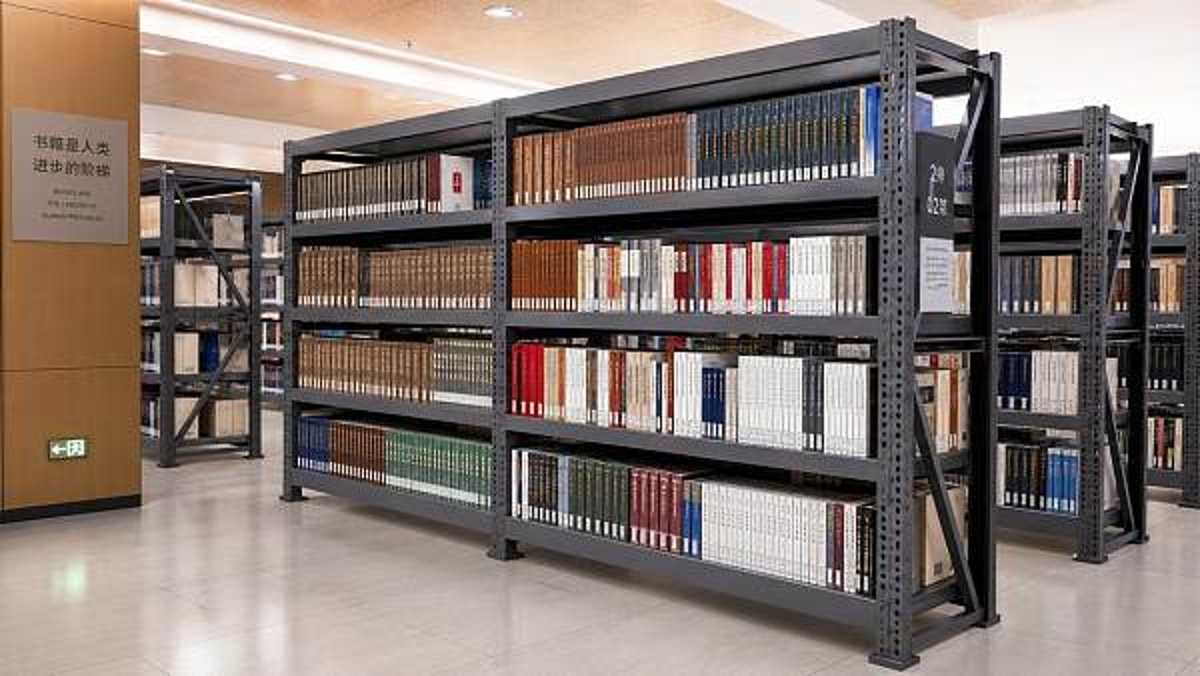
When evaluating library bookshelves wholesale options, load capacity is more than a spec sheet number—it directly affects safety, durability, and long-term project value. For technical assessors sourcing for schools, public libraries, or institutional spaces, the real question is not the maximum advertised weight, but how much load is truly sufficient under daily use, material limits, and compliance standards.
A checklist-based approach is the fastest and safest way to answer that question. In wholesale procurement, stated load ratings often look comparable, yet the real performance of one shelving system versus another depends on span length, shelf material, upright design, anchoring method, dynamic use, and local compliance requirements. For technical evaluation teams, the goal is not to buy the “strongest” unit on paper. It is to verify the most suitable library bookshelves wholesale solution for expected book density, user behavior, maintenance cycles, and installation conditions.
Start with the right question: what load is actually enough?
The phrase “enough load” should be translated into operational criteria, not marketing language. In most library bookshelves wholesale projects, technical assessors should define sufficiency through four practical tests: the shelf must carry expected book weight without visible deflection, remain stable under routine user interaction, preserve structural integrity over years of repeated loading, and comply with safety expectations for the specific institution.
That means a higher number is not always better if it creates unnecessary cost, excess material weight, more difficult installation, or design mismatch. Conversely, selecting a low-cost system with only a nominal static load figure can increase failure risk, maintenance expense, and liability exposure. The best specification is one aligned with realistic use conditions.
Core checklist for evaluating library bookshelves wholesale load capacity
Before comparing suppliers, use the following checklist to standardize your technical review. This helps separate true engineering suitability from incomplete catalog claims.
- Confirm whether the load rating is per shelf or per bay. Some suppliers quote total unit capacity, while others quote per shelf. Misreading this point can distort the entire comparison.
- Verify uniform distributed load versus point load. Books generally create a distributed load, but oversized reference books, archives, or media cases may introduce uneven pressure.
- Check shelf span and depth together. A shelf rated at one capacity over a short span may perform very differently at a longer span or greater depth.
- Review allowable deflection limits. A shelf may technically hold the weight but still sag beyond acceptable visual or service standards.
- Examine steel gauge, panel thickness, and reinforcement design. Load performance depends on material section and profile, not just overall dimensions.
- Assess upright stability and base construction. Shelf load means little if the whole unit is vulnerable to sway, torsion, or tip-over.
- Confirm anchoring or anti-tip strategy. This is critical in public institutions, child-access areas, and seismic regions.
- Request test method details. Ask whether the rating is based on internal testing, third-party testing, or compliance with recognized standards.
- Evaluate long-term fatigue resistance. Repeated loading and unloading matter more than a one-time static test.
- Match the rating to actual collection types. Textbooks, journals, periodicals, legal volumes, and archival binders create different weight densities.
How to estimate realistic shelf loads in library environments
For technical assessors working on library bookshelves wholesale procurement, a simple practical estimate is often more useful than an abstract maximum load figure. Standard bookshelves in educational and public settings usually carry a moderate but continuous distributed load. The critical issue is not occasional overload, but sustained load over long periods.
A useful method is to calculate expected linear book weight by collection type, then convert that into shelf load by shelf width. Dense academic collections and legal reference sections can be significantly heavier than general circulation fiction. Children’s libraries may require less shelf load per level, but more attention to impact resistance and anti-tip stability. Media libraries and mixed-format collections may create irregular loading patterns that justify reinforced shelf edges or additional dividers.
In practice, assessors should avoid specifying load capacity based only on average occupancy. Shelves are often temporarily overloaded during reshelving, collection shifts, inventory work, or seasonal intake. A reasonable engineering buffer is therefore essential. The aim is to identify a working load with a safety margin, not merely match average day-one conditions.
Key technical factors that affect whether the rating is trustworthy
1. Material and section design
Steel shelving generally offers more predictable structural performance for institutional projects than low-density engineered wood under sustained heavy loads, especially in high-use public spaces. However, not all steel shelves are equal. Folded edges, box profiles, underside stiffeners, and reinforced brackets can dramatically increase rigidity. For wood-based systems, core density, laminate quality, and moisture resistance become decisive.
2. Shelf span and support intervals
Longer shelves bend more easily under the same distributed load. If a supplier presents an attractive load rating, ask for the exact configuration tested. A short-span test result cannot be assumed for a longer shelf in the project schedule.
3. Connection quality
Boltless clip systems, welded frames, and modular knock-down structures all behave differently. Connection looseness over time can reduce effective capacity and increase sway. Technical review should include how the joints perform after repeated handling, relocation, and maintenance.
4. Environmental exposure
Humidity, cleaning chemicals, poor ventilation, and temperature swings influence corrosion resistance and material durability. In archive rooms, basement libraries, or coastal projects, environmental factors can reduce real-life performance long before nominal capacity is reached.
Use this decision table when comparing suppliers
Different project scenarios require different load priorities
Not every library project should apply the same threshold. When specifying library bookshelves wholesale packages, assessors should adjust priorities by use case.
- School libraries: prioritize anti-tip safety, edge protection, moderate shelf loads, and resistance to daily impact from frequent student use.
- Public libraries: focus on long service life, heavy circulation, easy shelf adjustment, and stable performance under mixed user behavior.
- University libraries: prepare for denser academic collections, oversized reference volumes, and sustained heavy distributed loads.
- Archive or special collections: verify higher static loads, tighter deflection control, and environmental durability for low-access but high-density storage.
- Children’s reading areas: load matters, but user safety, rounded details, reduced height, and anchoring often matter more.
Common mistakes that distort load evaluation
One of the most common mistakes in library bookshelves wholesale sourcing is treating all load ratings as directly comparable. They are not. Some figures are based on ideal laboratory conditions, fully even loading, and no allowance for installation variability. Another frequent error is ignoring shelf deflection because the shelf does not “collapse.” In real projects, visible sagging is often the first sign of premature failure and user dissatisfaction.
Technical teams also sometimes focus only on the shelf panel and overlook system stability. A bookshelf may hold the books but still become unsafe if the bay rocks, the floor is uneven, or the wall anchoring method is unsuitable. Finally, procurement teams may overvalue peak capacity while undervaluing serviceability: adjustability, replacement part availability, corrosion resistance, finish durability, and installation consistency all affect long-term value.
Execution checklist before placing a wholesale order
- Define the collection profile by area: standard books, archives, periodicals, children’s books, media, or mixed use.
- Set a target working load per shelf, not just a maximum theoretical number.
- Request technical drawings showing shelf span, depth, upright section, and reinforcement details.
- Ask for test evidence and clarify the basis of the stated load capacity.
- Check local or project-specific safety requirements, including anchoring or seismic considerations.
- Review finish quality and environmental suitability for the installation area.
- Confirm installation responsibility, tolerances, and post-install inspection method.
- Verify spare parts, shelf adjustability, and future expansion compatibility.
FAQ for technical assessors reviewing library bookshelves wholesale
Is the highest load capacity always the best choice?
No. The best choice is the system that meets the required working load with suitable safety margin, stable geometry, compliance support, and efficient lifecycle cost.
What is more important: load rating or anti-tip performance?
Both matter, but in public and educational settings, anti-tip performance is often just as critical as shelf load. A structurally strong shelf can still be unsafe if system stability is weak.
Should technical teams request third-party reports?
Yes, especially for larger institutional procurement. Independent verification improves comparability, reduces ambiguity, and strengthens internal approval.
Final recommendation: specify for real use, not brochure claims
For any library bookshelves wholesale project, “really enough” load means enough for the heaviest realistic collection, enough for years of continuous service, and enough to meet safety expectations without overspending on unnecessary overengineering. Technical assessors should prioritize verified working load, deflection control, structural stability, installation conditions, and scenario fit.
If your team is moving toward supplier comparison or project specification, the most useful next step is to prepare five items before discussion: expected book density by zone, preferred shelf dimensions, safety or compliance requirements, installation environment details, and target procurement budget. With those inputs, it becomes much easier to confirm whether a library bookshelves wholesale solution is merely rated for weight, or truly engineered for the demands of institutional use.
Search News
Hot Articles
Popular Tags
Need ExpertConsultation?
Connect with our specialized leisureengineering team for procurementstrategies.
Recommended News
 May 04, 2026Kindergarten Furniture Bulk Orders and the Safety Details MissedKindergarten furniture bulk buyers: discover the hidden safety checks suppliers often miss, from emissions and stability to ergonomics and compliance, before placing large orders.● Institutional Buyer
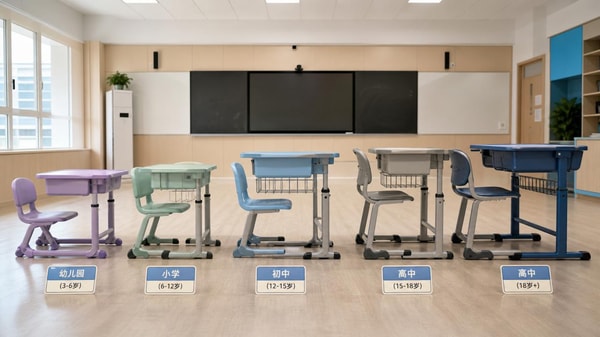
 May 04, 2026School Desks and Chairs Wholesale: Matching Age to Size CorrectlySchool desks and chairs wholesale guide: learn how to match age to size correctly for better comfort, safety, compliance, and smarter school furniture purchasing.● Institutional Buyer
 May 04, 2026Library Bookshelves Wholesale: How Much Load Is Really Enough?Library bookshelves wholesale guide: learn how much load is truly enough for safety, durability, and compliance. Compare ratings, avoid costly mistakes, and choose the right shelving with confidence.● Institutional Buyer
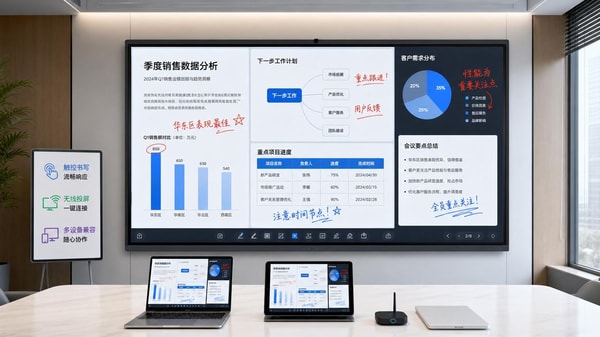
 May 04, 2026Smart Interactive Whiteboards: Which Features Get Used Daily?Smart interactive whiteboards: discover which features teams and teachers actually use daily, from touch accuracy and wireless casting to easy collaboration, ROI, and smarter buying decisions.● Institutional Buyer
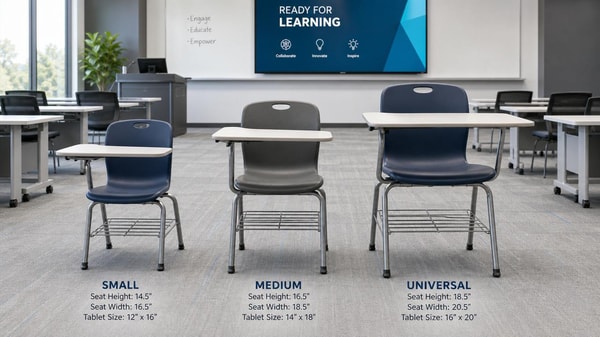
 May 04, 2026Student Chairs With Writing Pad: Which Sizes Fit Best?Student chairs with writing pad: discover which sizes best support comfort, posture, room capacity, and tablet use. Compare fit options for schools, universities, and training spaces.● Institutional Buyer
 May 03, 2026Beijing Women's FC Win Spurs AI Training System Export to UKBeijing Women's FC win sparks UK demand for AI sports training systems — real-time analytics, GDPR/ISO 27001 compliance & Heathrow logistics insights revealed.● Institutional Buyer
 May 01, 2026Park Trash Cans That Cut Maintenance Instead of Adding ItPark trash cans that reduce labor, resist weather, and stay cleaner longer. Learn which designs, materials, and features help lower maintenance costs across parks and outdoor spaces.● Institutional Buyer
 May 01, 2026Park Drinking Fountains That Hold Up Better in Public SpacesPark drinking fountains built for public spaces need durability, hygiene, and low maintenance. Discover how to choose vandal-resistant models that cut long-term costs.● Institutional Buyer
 May 01, 2026Restaurant POS Systems That Reduce Training Time at the CounterRestaurant POS systems that cut counter training time: compare intuitive workflows, role-based controls, and error-reducing features to speed onboarding and improve service consistency.● Institutional Buyer
 Apr 30, 20262026 Shanghai Smart Campus Expo: VR EdTech Gains ITU & ISO/IEC 23053 Dual CertificationVR EdTech gains ITU & ISO/IEC 23053 dual certification at 2026 Shanghai Smart Campus Expo—key for global smart PE tenders in UAE, Thailand & ASEAN.● Institutional Buyer
 Apr 29, 20262026 Shanghai Smart Campus Expo: VR EdTech Gains ITU & ISO/IEC Dual CertVR EdTech gains ITU & ISO/IEC dual cert at 2026 Shanghai Smart Campus Expo—key for exporters, integrators & compliance providers.● Institutional Buyer
 Apr 28, 20262026 Shanghai Smart Campus Expo: VR Teaching Devices Gain ITU & ISO/IEC 23053 CertificationVR teaching devices certified to ITU & ISO/IEC 23053 at 2026 Shanghai Smart Campus Expo—unlock EU tenders, interoperability, and global edtech growth.● Institutional Buyer
 Apr 27, 20262026 Shanghai Smart Campus Expo: VR EdTech Gains ITU & ISO/IEC Dual CertificationVR EdTech gains ITU & ISO/IEC dual certification at 2026 Shanghai Smart Campus Expo—key for global edtech exporters, integrators, and compliance teams.● Institutional Buyer
 Apr 26, 20262026 Shanghai Smart Campus Expo: VR EdTech Devices Gain ITU & ISO/IEC 23053 CertificationVR EdTech devices certified to ITU & ISO/IEC 23053 at 2026 Shanghai Smart Campus Expo — key for GCC & SEA education exporters, integrators, and compliance teams.● Institutional Buyer
 Apr 25, 20262026 Shanghai Smart Campus Expo: VR EdTech Gains ITU & ISO/IEC 23053 Dual CertificationVR EdTech gains ITU & ISO/IEC 23053 dual certification at 2026 Shanghai Smart Campus Expo—key for EU/UAE edtech tenders. Act now.● Institutional Buyer
 Apr 24, 20262026 Shanghai Smart Campus Expo: VR EdTech Gains ITU & ISO/IEC 23053 Dual CertificationVR EdTech gains ITU & ISO/IEC 23053 dual certification at 2026 Shanghai Smart Campus Expo—key for global edtech tenders. Discover impact & compliance insights.● Institutional Buyer
 Apr 23, 20262026 Shanghai Smart Campus Expo: VR EdTech Gains ITU & ISO/IEC Dual CertificationVR EdTech gains ITU & ISO/IEC dual certification at 2026 Shanghai Smart Campus Expo — a must-see milestone for global edtech exporters, LMS integrators, and STEM hardware providers.● Institutional Buyer
 Apr 22, 20262026 Shanghai Smart Campus Expo: VR EdTech Gains ITU & ISO/IEC Dual CertificationVR EdTech gains ITU & ISO/IEC dual certification at 2026 Shanghai Smart Campus Expo—unlock B2G opportunities in UAE, Chile & Indonesia now.● Institutional Buyer
 Apr 21, 2026FSAE China 2026: Domestic Timing System Gains ITU CertificationFSAE China 2026: Domestic timing system wins ITU certification — first education-level motorsport solution compliant with ITU-T G.9972. Discover implications for timing tech, AI integration & standards adoption.● Institutional Buyer
 Apr 21, 20262026 Shanghai Smart Campus Expo: VR EdTech Gains ITU & ISO/IEC 23053 Dual CertificationVR EdTech gains ITU & ISO/IEC 23053 dual certification at 2026 Shanghai Smart Campus Expo—key for exporters, integrators & procurement pros.● Institutional Buyer
 Apr 20, 20262026 Shanghai Smart Campus Expo: VR EdTech Gains ITU & ISO/IEC Dual CertificationVR EdTech gains ITU & ISO/IEC dual certification at 2026 Shanghai Smart Campus Expo—key for global edtech exporters, procurement agencies & VR integrators.● Institutional Buyer
 Apr 19, 20262026 Shanghai Smart Campus Expo: VR EdTech Gains ITU & ISO/IEC Dual CertificationVR EdTech hits a milestone: 2026 Shanghai Smart Campus Expo unveils ITU & ISO/IEC dual-certified haptic teaching devices—game-changing for global edtech exporters, OEMs, and procurement agencies.● Institutional Buyer
 Apr 18, 20262026 Shanghai Smart Campus Expo: VR Teaching Devices Gain ITU & ISO/IEC Dual CertificationVR teaching devices gain ITU & ISO/IEC dual certification at 2026 Shanghai Smart Campus Expo — a must-have for edtech exporters targeting Saudi, Mexico & Poland.● Institutional Buyer
 Apr 17, 20262026 Shanghai Smart Campus Expo: VR Teaching Devices Gain ITU & ISO/IEC Dual CertificationVR teaching devices with ITU & ISO/IEC dual certification headline the 2026 Shanghai Smart Campus Expo—unlock global edtech tenders now.● Institutional Buyer