Wholesale school backpacks: when low price leads to high returns
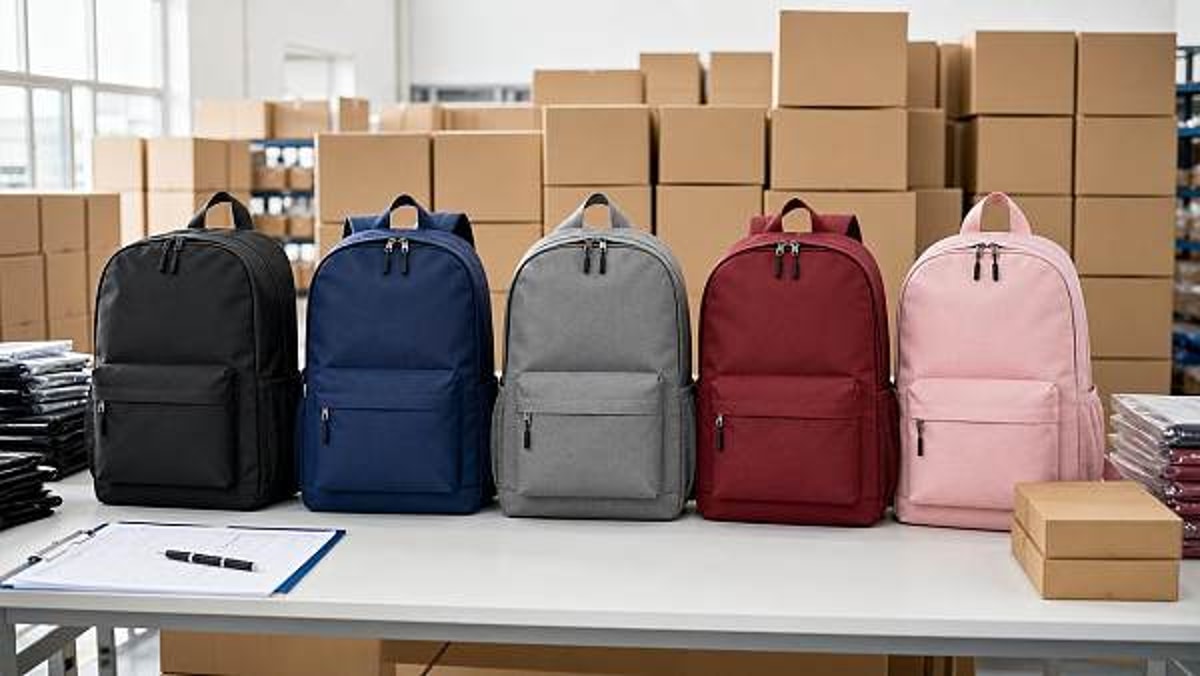
For procurement professionals, sourcing wholesale school backpacks at the lowest possible price can appear cost-effective at first glance. Yet poor material quality, weak stitching, and inconsistent supplier standards often result in product complaints, returns, and damaged buyer trust. This article explores why a low-price strategy can increase total procurement costs and how to evaluate suppliers more effectively.
Why do cheap wholesale school backpacks create expensive procurement problems?
In institutional buying, the unit price is only one part of the commercial equation. Buyers responsible for schools, distributors, campus projects, and promotional programs often compare wholesale school backpacks by carton price, MOQ, and lead time. However, once the products reach students, the true cost emerges through zipper failures, broken shoulder straps, fabric tearing, odor complaints, color inconsistency, and packaging damage.
These issues do not stay at product level. They affect warehouse handling, after-sales labor, replacement orders, contract credibility, and future tender opportunities. For procurement teams, the risk is not simply receiving a low-grade bag. The risk is buying avoidable returns at scale.
In the office and educational supplies segment, school backpacks are used frequently, loaded heavily, and exposed to rough daily handling. That means low-cost sourcing without technical verification can become a recurring liability. A supplier that looks competitive on paper may create downstream costs that exceed the initial savings by a wide margin.
- Higher return rates increase freight, inspection, and replacement expenses.
- Inconsistent quality between batches disrupts distributor planning and contract performance.
- Product complaints from schools or parents can damage brand reputation and reduce reorder confidence.
- Emergency replenishment often costs more than the original purchase savings.
The hidden cost categories buyers often underestimate
A low quote for wholesale school backpacks may look attractive when budgets are tight, but procurement performance is usually measured on total delivered value. That includes claim handling, compliance review, stock reliability, and product lifespan. The following comparison shows where low-price purchases often become high-cost decisions.
For buyers, the lesson is direct: the cheapest wholesale school backpacks may have the highest operational burden. Cost control is not about selecting the lowest price line; it is about reducing avoidable failure throughout the sourcing cycle.
What should procurement teams inspect before placing a backpack order?
A sound sourcing process starts with product definition. Procurement personnel should not approve wholesale school backpacks based only on photos, a basic spec sheet, or a sales promise that quality is “similar to sample.” Backpacks are functional textile products with multiple stress points. The inspection standard must go deeper than appearance.
Key technical checkpoints
- Fabric composition and density: confirm whether the outer fabric matches expected durability for student use, including resistance to tearing and abrasion.
- Stitching reinforcement: inspect shoulder strap joints, top handles, bottom corners, and zipper ends where failure commonly begins.
- Zipper and puller quality: repeated opening and closing under load reveals weak components quickly.
- Padding and structure: back panel foam, strap comfort, and load-bearing distribution matter for actual daily usability.
- Lining, coating, and odor control: poor chemical handling can trigger user complaints even when the bag looks acceptable.
Sample review must simulate real use
When reviewing wholesale school backpacks, a desk inspection is not enough. Procurement teams should load the sample, lift it repeatedly by the handle, test the zipper path under pressure, inspect seam regularity inside the bag, and verify that printing or branding does not crack, peel, or bleed. A practical sample test often reveals more than a polished presentation pack.
This is where market intelligence becomes valuable. GCT supports institutional buyers by organizing sourcing considerations across office and educational supplies with a sharper focus on commercial use conditions, supplier reliability, and project suitability. Instead of treating a school backpack as a generic commodity, buyers can assess it as a repeat-use product with measurable performance risk.
How to compare wholesale school backpacks beyond the unit price
Procurement decisions improve when teams compare supplier offers through a structured scorecard. This is especially important when three quotes look similar on paper but differ in hidden quality, service scope, and delivery discipline. A comparison model helps prevent emotional or purely price-driven decisions.
The table below can be used when evaluating wholesale school backpacks for school tenders, distributor imports, campus retail, or promotional projects.
This framework allows buyers to compare wholesale school backpacks using commercial logic rather than quote-sheet optics. In many cases, a mid-priced supplier with stronger consistency and documentation delivers a lower total cost than the lowest bidder.
Which standards and compliance points matter for school backpack sourcing?
Compliance requirements vary by destination market, buyer type, and product positioning. Procurement teams sourcing wholesale school backpacks for public institutions, import distribution, or branded retail should verify applicable textile, chemical, labeling, and packaging expectations before order confirmation. Waiting until shipment stage is too late.
Common areas to confirm with suppliers
- Restricted substance compliance for fabrics, coatings, inks, and accessories where destination market regulations require it.
- Label accuracy, including fiber content, care instructions, country of origin, and carton marks where applicable.
- Mechanical safety expectations for components such as buckles, drawcords, and detachable accessories, especially for younger student segments.
- Packaging suitability for bulk shipment, moisture protection, barcoding, and retailer or institutional receiving requirements.
For buyers working across regions, the challenge is not only understanding the rules but also aligning supplier capability with those rules. GCT’s strength lies in connecting sourcing decisions with broader commercial intelligence. Instead of treating compliance as a separate legal step, procurement teams can integrate it into supplier selection, sample approval, and delivery planning from the beginning.
What sourcing model reduces returns and protects procurement KPIs?
The most reliable approach to wholesale school backpacks is a layered sourcing model. It combines technical confirmation, supplier due diligence, production control, and logistics planning. This method is especially useful for buyers managing tender deadlines, seasonal intake windows, or back-to-school launches.
Recommended procurement workflow
- Define the use case clearly: student age group, daily load expectation, branding requirement, and target price band.
- Lock the specification: fabric, size, compartments, reinforcement points, zipper grade, logo method, and packaging details.
- Request pre-production samples that reflect actual materials, not substitute showroom versions.
- Verify supplier production discipline, lead time realism, and communication responsiveness.
- Establish an inspection plan for in-line checks and final random verification before shipment release.
- Prepare a claim-handling protocol in advance so defects, shortages, or labeling issues can be resolved quickly.
This process may appear more demanding than a fast price-based purchase, but it lowers uncertainty. Procurement success is often defined by predictable outcomes rather than aggressive quote cutting. In practical terms, fewer claims and fewer urgent replacements usually deliver better KPI results than a lower initial PO value.
How can buyers balance budget, durability, and delivery in different scenarios?
Not every project requires the same school backpack specification. A one-season promotional giveaway differs from a long-term educational supply contract. Procurement teams should match the product level to the usage scenario instead of applying one price target to every purchase.
The table below helps buyers align wholesale school backpacks with practical application needs.
Scenario-based sourcing creates better balance. Buyers do not always need the highest-grade backpack, but they do need the right-grade backpack. That distinction helps control both cost and return exposure.
Common misconceptions about wholesale school backpacks
“If the sample is fine, mass production will be fine.”
Not necessarily. Some suppliers produce display-quality samples but substitute materials or simplify workmanship during production. Buyers should confirm that the approved sample becomes the production benchmark and that critical materials are not changed without written approval.
“All backpacks in this price range are basically the same.”
They are not. Similar-looking wholesale school backpacks can differ greatly in fabric weight, internal structure, stitching density, zipper quality, and packing method. These differences are exactly what drive return performance in the field.
“Returns are manageable, so the low price is still worth it.”
Returns consume more than freight. They absorb staff time, complicate stock control, affect distributor relationships, and create friction with end users. For high-volume procurement, even a modest defect rate can erase expected savings quickly.
FAQ: what do procurement teams ask most about wholesale school backpacks?
How do I evaluate wholesale school backpacks if I cannot visit the factory?
Use a layered remote review. Ask for a detailed specification sheet, close-up material and seam photos, packed carton details, production sample confirmation, and a defined inspection process before shipment. A remote project can still be managed professionally when documentation is specific and approval checkpoints are clear.
What is the most common reason for backpack returns?
Early-stage functional failure is the most common issue in value-focused sourcing. This includes broken zippers, shoulder strap detachment, torn seams near load points, and shape collapse after short use. These problems usually come from weak materials or poor reinforcement, not from bad luck in logistics.
Should I prioritize lower MOQ or better consistency?
That depends on your sales cycle and risk profile, but for repeat institutional procurement, consistency is often more valuable than a very low MOQ. A supplier that delivers the same quality across orders helps stabilize inventory planning, claims handling, and reorder decisions.
How early should I discuss compliance and labeling?
As early as the quotation stage. If compliance expectations are discussed only after order confirmation, the supplier may need to change materials, revise labels, or adjust packing late in the process. That creates delay risk and budget uncertainty.
Why work with GCT when sourcing wholesale school backpacks?
Procurement teams do not just need product lists. They need sourcing intelligence that connects price, quality, compliance, application fit, and supplier discipline. GCT supports this need by focusing on commercial procurement environments where poor buying decisions have operational consequences. In the office and educational supplies segment, that means helping buyers evaluate wholesale school backpacks with more precision and less guesswork.
If you are comparing suppliers or preparing a new sourcing round, GCT can support practical discussions around specification confirmation, product selection, delivery timelines, custom branding options, sample review priorities, packaging expectations, and market-facing compliance considerations. This is particularly valuable for buyers managing tenders, distributor programs, campus outfitting, or multi-region procurement requirements.
- Need help defining the right specification for wholesale school backpacks within a fixed budget?
- Need to compare supplier quotations beyond unit price and MOQ?
- Need guidance on lead time planning,
Search News
Hot Articles
Popular Tags
Need ExpertConsultation?
Connect with our specialized leisureengineering team for procurementstrategies.
Recommended News
 May 05, 2026Custom promotional pens that get used instead of thrown awayCustom promotional pens that people actually keep: learn how to choose quality, comfortable, brand-right pens that boost visibility, reduce waste, and deliver better long-term value.● Institutional Buyer
 May 05, 2026Custom graduation gowns: why fabric choice changes event photosCustom graduation gowns look dramatically different on camera depending on fabric. Learn how sheen, drape, and wrinkle resistance shape photo quality and smarter sourcing.● Institutional Buyer
 May 05, 2026Ballpoint pens bulk: why writing distance changes buyer satisfactionBallpoint pens bulk buyers often overlook writing distance, yet it strongly shapes user satisfaction, brand perception, and reorder value across offices, schools, promotions, and service counters.● Institutional Buyer
 May 05, 2026Watercolor paints bulk: student use reveals quality fastWatercolor paints bulk for schools: see how student use quickly exposes pigment, packaging, and durability issues. Learn what buyers should check before sourcing at scale.● Institutional Buyer
 May 05, 2026Wholesale sticky notes: which paper grades actually stay putWholesale sticky notes buyers: learn which paper grades truly stay put. Compare economy, office, premium, and recycled options to improve adhesion, writing quality, and repeat orders.● Institutional Buyer
 May 05, 2026Highlighter markers wholesale: why ink consistency matters moreHighlighter markers wholesale buyers should look beyond price: consistent ink flow improves writing performance, reduces complaints, and supports stronger repeat orders. Learn what reliable sourcing really requires.● Institutional Buyer
 May 05, 2026Wholesale school backpacks: when low price leads to high returnsWholesale school backpacks may look cost-saving, but low prices often mean higher returns, complaints, and hidden procurement costs. Learn how to compare suppliers smarter.● Institutional Buyer
 May 05, 2026Art supplies wholesale trends schools are paying attention toArt supplies wholesale trends schools are watching now: safer materials, smarter bulk buying, sustainable options, and reliable suppliers that protect budgets and improve classroom outcomes.● Institutional Buyer
 May 05, 2026Colored pencils wholesale: which specs matter beyond color countColored pencils wholesale buyers should look beyond color count. Compare core strength, pigment quality, safety, wood, and packaging to source better products with confidence.● Institutional Buyer
 May 05, 2026School uniforms wholesale: what causes fit issues at scaleSchool uniforms wholesale fit issues often start with sizing gaps, fabric behavior, and weak supplier coordination. Learn the key causes and how buyers can reduce returns and protect uniform program quality.● Institutional Buyer
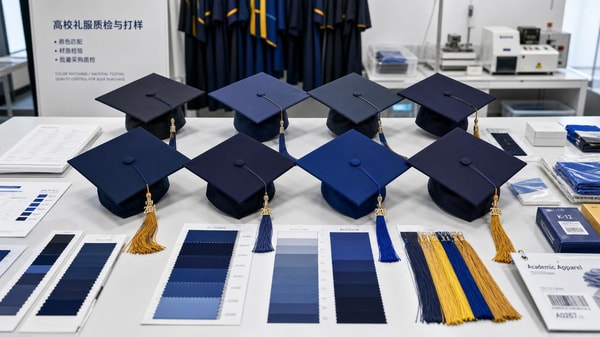
 May 05, 2026Graduation caps and tassels: matching colors is harder than it looksGraduation caps and tassels are harder to match than they seem. Learn how to control color standards, supplier quality, and bulk order accuracy for flawless ceremony delivery.● Institutional Buyer
 May 05, 2026Why some dry erase boards bulk orders fail in daily useDry erase boards bulk orders can fail fast in real use. Learn what causes ghosting, warping, weak mounting, and short lifespan—and how to source boards that truly fit schools, offices, hotels, and healthcare.● Institutional Buyer
 May 04, 2026PU Leather Journals: Why Some Covers Peel Too SoonPU leather journals can look elegant and affordable, but why do some peel so quickly? Discover the real causes, warning signs, and smarter buying tips before you choose.● Institutional Buyer
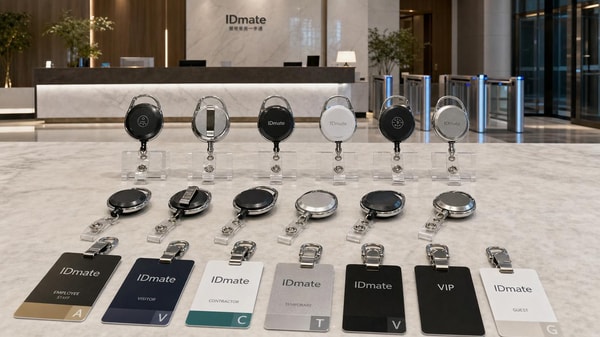
 May 04, 2026Retractable Badge Reels: The Small Item That Fails FirstRetractable badge reels fail faster than many workplace accessories. Learn what causes breakage, how to source durable options, and how to cut replacement costs.● Institutional Buyer
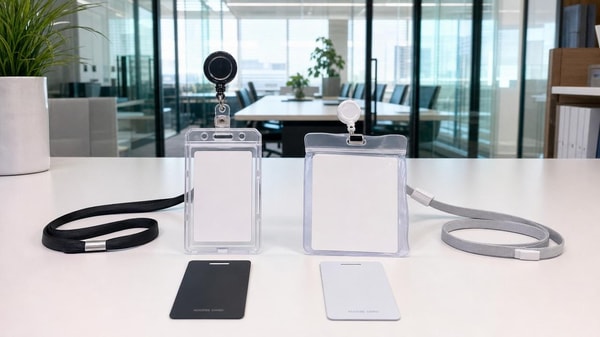
 May 04, 2026Id Card Holders Wholesale: Hard Shell or Soft Vinyl?Id card holders wholesale guide: compare hard shell vs soft vinyl for durability, cost, branding, and daily use to choose the best bulk option for offices, schools, events, and more.● Institutional Buyer
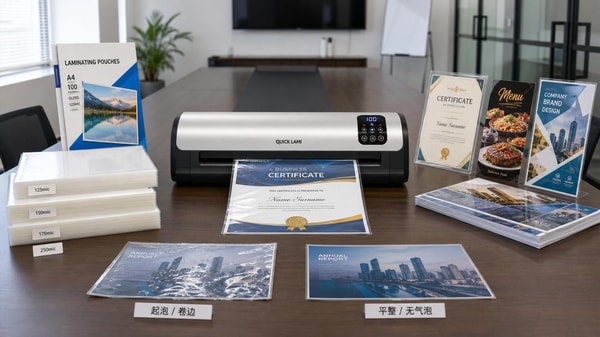
 May 04, 2026Office Laminating Machines: The Heat Settings People OverlookOffice laminating machines perform best when heat settings match pouch thickness, paper type, and speed. Learn how proper temperature control reduces bubbles, curl, waste, and rework.● Institutional Buyer
 May 04, 2026Custom Printed Lanyards: Which Material Holds Up Best?Custom printed lanyards: discover which materials last longest, keep logos sharp, and deliver better value for events, offices, schools, and premium commercial use.● Institutional Buyer
 May 04, 2026Why Wholesale Spiral Notebooks Vary So Much in Paper FeelWholesale spiral notebooks can look alike yet feel completely different. Learn what paper weight, fiber, coating, and sourcing standards mean for writing quality and smarter bulk buying.● Institutional Buyer
 May 04, 2026Binding Machines Wholesale: Small Price Gaps, Big Quality RisksBinding machines wholesale buyers face hidden quality risks behind small price gaps. Learn how to compare durability, compliance, and total cost before you order.● Institutional Buyer
 May 04, 2026Custom Printed Planners That People Actually Keep UsingCustom printed planners that people actually keep using—learn how to choose the right format, materials, and branding to boost retention, usability, and long-term brand value.● Institutional Buyer
 May 02, 2026Wholesale chef coats that hold shape after repeated industrial washingWholesale chef coats that stay sharp after repeated industrial washing. Compare fabrics, stitching, and supplier standards to choose durable uniforms that protect brand image and reduce replacement costs.● Institutional Buyer
 May 02, 2026What makes non slip chef shoes comfortable for 12-hour shiftsNon slip chef shoes for 12-hour shifts should deliver lasting support, cushioning, breathability, and grip. Learn what buyers and chefs should compare before choosing.● Institutional Buyer
 May 02, 2026Kenya Marathon Record Break Sparks Carbon-Plate Shoe Export Surge to AfricaKenya Marathon Record Break sparks surge in carbon-plate shoe exports to Africa—urgent bilingual labeling compliance needed for EAC markets.● Institutional Buyer
 May 01, 2026Custom Hotel Uniforms: Where Fit Problems Usually StartCustom hotel uniforms often fail at the fit-planning stage. Learn where sizing issues start, how to compare suppliers, and how to avoid costly reorders with smarter sourcing.● Institutional Buyer