Art supplies wholesale trends schools are paying attention to
As budgets tighten and classroom creativity evolves, schools are watching art supplies wholesale trends more closely than ever. From sustainable materials and bulk buying strategies to safety standards and supplier reliability, today’s purchasing decisions go far beyond price. This article explores the key shifts educational buyers are tracking to source smarter, support learning outcomes, and manage long-term procurement value.
Why scenario-based buying matters more than broad trend watching
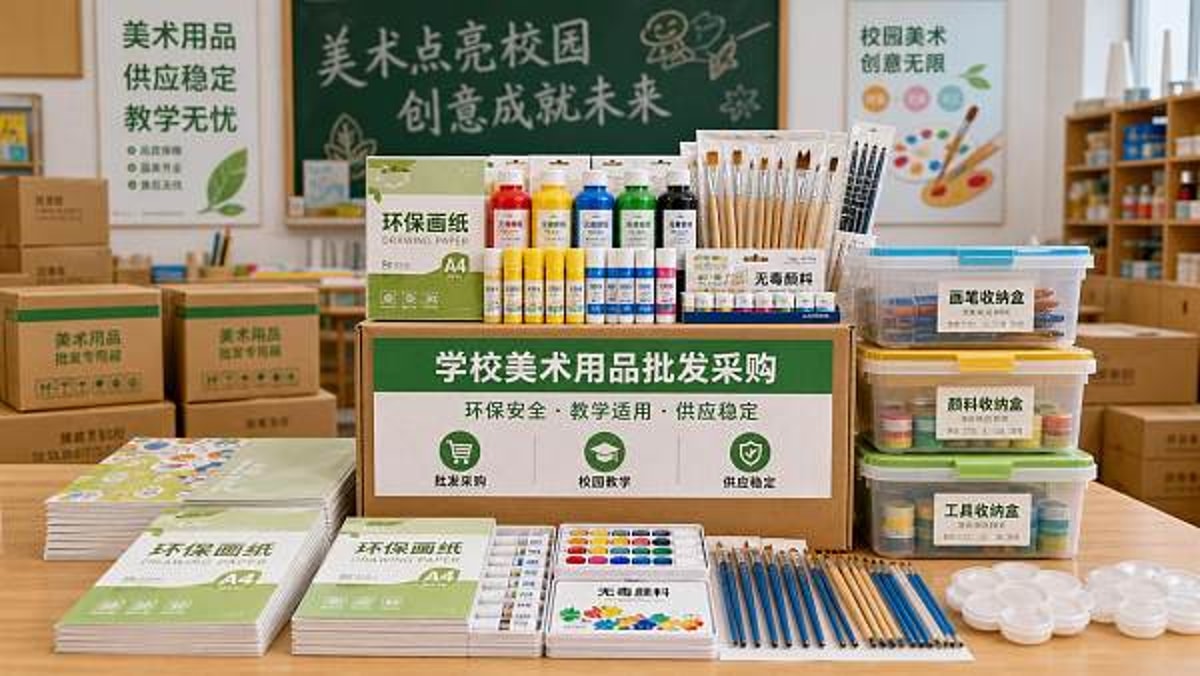
For school buyers, district administrators, academy operators, and institutional sourcing teams, the phrase art supplies wholesale no longer refers only to low unit cost. It now includes curriculum fit, age-appropriate safety, replenishment speed, storage practicality, and supplier transparency. A kindergarten art room, a high school design lab, and an after-school enrichment center may all buy paint, paper, brushes, and adhesives, but the decision criteria are not the same.
That is why educational purchasers are increasingly evaluating wholesale art sourcing by use case. The most useful market trends are not abstract forecasts but signals that help answer practical questions: Which products work best in heavy-use classrooms? Which sourcing model reduces waste across a district? Which vendors can meet compliance expectations for child-safe materials? Which wholesale programs support seasonal surges such as back-to-school, exhibitions, or STEM-art integration projects?
In the broader commercial landscape, this shift reflects a more disciplined procurement mindset. Schools are acting less like occasional retail buyers and more like professional B2B purchasers. They want reliable supply chains, clearer specifications, stronger documentation, and better lifecycle value. For information researchers comparing vendors, this means the most relevant art supplies wholesale trends are the ones tied to real educational scenarios.
The school settings where art supplies wholesale decisions differ most
Educational demand is highly segmented. The same wholesale catalog may serve multiple users, yet each setting prioritizes different outcomes. Before comparing suppliers, schools are paying attention to where and how materials will be used.
This kind of scenario comparison explains why schools are paying closer attention to segmentation within the art supplies wholesale market. A vendor strong in bulk crayons and construction paper may not be ideal for portfolio-level illustration markers or ceramics tools. Smart buyers begin by matching product architecture to educational use, not by assuming one wholesale source will fit every program equally well.
Scenario 1: Early learning classrooms are driving demand for safer, simpler materials
One of the strongest art supplies wholesale trends schools are tracking is the rise of safety-led purchasing in early learning environments. For nurseries, preschools, and lower elementary grades, procurement teams are putting greater emphasis on non-toxic labeling, allergy awareness, odor control, rounded tool design, and easy-wash formulas.
In this setting, premiumization does not necessarily mean luxury. It often means fewer classroom disruptions, lower spill risk, and materials that support teacher efficiency. Tempera paint with predictable washability, glue sticks that resist drying out, and crayons with stronger break resistance can deliver better value than cheaper alternatives that create waste and replacement frequency.
Schools in this scenario also favor wholesale packaging designed for shared use. Resealable containers, classroom packs, and color-sorted bundles reduce preparation time and simplify inventory control. Buyers researching art supplies wholesale providers for younger students often ask for safety documents upfront and prefer suppliers that present compliance details clearly rather than only highlighting price discounts.
Scenario 2: Secondary schools want broader creative range without losing budget discipline
Middle schools and high schools face a different challenge. Students are working across sketching, painting, mixed media, poster design, printmaking, and introductory digital-physical crossover projects. Here, the art supplies wholesale opportunity is not just scale, but assortment management.
Procurement teams are increasingly favoring tiered sourcing strategies. They may buy high-turn basics such as drawing paper, acrylic paint, canvas boards, and brushes in bulk while reserving a smaller budget for advanced media used in elective classes. This helps align spending with actual classroom frequency rather than purchasing all categories at the same quality level.
Another trend schools watch closely is refill efficiency. Instead of replacing full kits every semester, they look for wholesale partners that offer modular replenishment by color, brush size, paper weight, or adhesive type. This approach reduces leftover stock and supports tighter forecasting. For secondary education, the best art supplies wholesale programs are often those that combine range, availability, and reorder logic.
Scenario 3: Specialized art and design programs are paying attention to professional-grade consistency
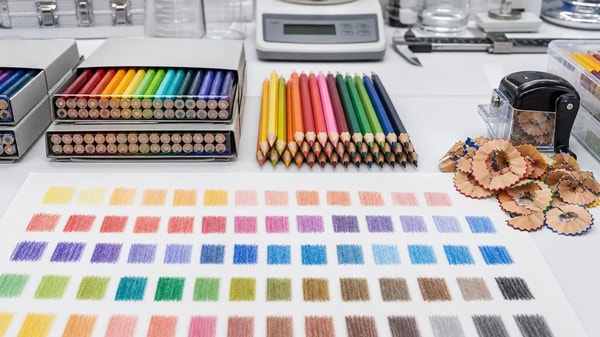
Schools with advanced visual arts, architecture, product design, or portfolio preparation programs typically evaluate art supplies wholesale suppliers through a more technical lens. In these settings, color accuracy, substrate quality, archival characteristics, and tool consistency matter more because student outcomes are tied to presentation quality and skill progression.
These buyers are often less interested in the lowest-priced general catalog and more interested in dependable specifications. They want paper GSM clarity, pigment information, brush fiber details, and material compatibility across media. A sourcing partner that can maintain consistent batches across semesters becomes more valuable than one that offers irregular promotional pricing.
In some regions, schools also explore OEM or custom-label options for institution-specific kits, especially where branding, scholarship programs, or standardized studio requirements are involved. This reflects a broader shift in art supplies wholesale from transactional supply toward strategic procurement support.
Scenario 4: District-level procurement is prioritizing standardization and supplier resilience
When decisions move from single-campus ordering to district-wide contracts, the concerns change again. Central procurement offices focus on supplier resilience, reporting visibility, and cross-site standardization. The goal is not merely buying more; it is buying more consistently and with fewer administrative interruptions.
This is where art supplies wholesale trends intersect directly with commercial sourcing best practices. Schools want vendors that can support annual forecasting, maintain core SKU continuity, provide substitution policies, and communicate lead times honestly. Unplanned product changes can disrupt lesson plans, teacher expectations, and budget approvals.
District buyers are also paying attention to digital procurement compatibility. Suppliers that integrate with purchasing systems, provide clear item coding, and simplify invoice matching gain an advantage. In practical terms, operational convenience has become part of value. A slightly cheaper supplier can become expensive if its catalog data is inconsistent or if fulfillment reliability is weak.
Which trends are most relevant across nearly all school use cases
Although needs vary by setting, several trends in art supplies wholesale are appearing across the education sector.
- Sustainability with practicality: Schools are interested in recycled paper content, lower-waste packaging, refillable formats, and responsibly sourced wood products, but only when performance remains classroom-ready.
- Safety documentation: Buyers increasingly expect easy access to certification and material safety information, especially for younger age groups.
- Bulk plus flexibility: Institutions want the savings of large-volume orders without being locked into poorly balanced assortments.
- Inventory efficiency: More schools are assessing pack size, shelf life, and storage burden before approving bulk purchases.
- Supplier reliability over headline discounts: On-time delivery and consistent quality are becoming stronger decision factors than temporary low pricing.
For information researchers, these cross-cutting trends provide a useful filter. If a supplier’s art supplies wholesale offer looks attractive but lacks documentation, continuity, or realistic educational packaging, it may not be the right long-term fit.
Common misjudgments schools make when comparing wholesale art sourcing
A frequent mistake is treating all art materials as interchangeable. In reality, classroom outcomes can be affected by drying time, opacity, bleed resistance, breakage rate, or surface compatibility. Another common error is overbuying mixed kits that include items teachers rarely use, simply because the bundle price appears efficient.
Schools also sometimes underestimate the cost of inconsistency. Switching between different formulas or paper standards mid-year can create curriculum disruption and student frustration. In large institutions, a fragmented supplier base can make accountability weaker and restocking slower.
A more disciplined approach to art supplies wholesale comparison includes pilot testing, teacher input, storage review, and reorder analysis. The best value often emerges from products that are used fully, restocked easily, and aligned with actual teaching plans.
How to evaluate fit before selecting an art supplies wholesale partner
Before moving forward, schools should define the usage scenario first and supplier shortlist second. A practical evaluation framework includes five checkpoints: user age group, teaching intensity, compliance requirements, replenishment pattern, and procurement workflow compatibility.
It is also wise to compare vendors beyond catalog breadth. Ask whether the supplier can maintain core items through peak seasons, whether substitutions are approved before shipment, whether pack sizes fit classroom consumption, and whether support is available for customized assortments. In many cases, the strongest art supplies wholesale partner is the one that understands institutional use rather than retail impulse demand.
FAQ: what information researchers usually want to know
Is the cheapest art supplies wholesale option usually the best for schools?
Not necessarily. Schools often gain better long-term value from products that reduce waste, last longer, and arrive consistently. Total procurement value matters more than unit price alone.
What should schools verify first with a wholesale supplier?
Start with safety compliance, age suitability, lead times, pack-size logic, and reorder reliability. These factors affect classroom use more directly than marketing claims.
Are sustainable products becoming standard in school art sourcing?
They are becoming more important, especially for paper products and packaging. However, schools still expect durability, usability, and cost control, so sustainability must be practical rather than symbolic.
Final takeaway for schools and sourcing researchers
The most important lesson in today’s art supplies wholesale market is that trends only become useful when matched to the right educational scenario. Early learning programs need safety and simplicity. Secondary classrooms need balanced variety and refill logic. Specialized studios need technical consistency. District buyers need standardization and dependable supply. Each setting rewards a different sourcing strategy.
For schools, academies, and procurement researchers evaluating options, the smartest next step is to map demand by use case, identify the highest-risk supply categories, and compare suppliers on performance as well as price. When art supplies wholesale decisions are guided by real classroom needs, institutions can support creativity, control budgets, and build a more resilient procurement system over time.
Search News
Hot Articles
Popular Tags
Need ExpertConsultation?
Connect with our specialized leisureengineering team for procurementstrategies.
Recommended News
 May 05, 2026Custom promotional pens that get used instead of thrown awayCustom promotional pens that people actually keep: learn how to choose quality, comfortable, brand-right pens that boost visibility, reduce waste, and deliver better long-term value.● Institutional Buyer
 May 05, 2026Custom graduation gowns: why fabric choice changes event photosCustom graduation gowns look dramatically different on camera depending on fabric. Learn how sheen, drape, and wrinkle resistance shape photo quality and smarter sourcing.● Institutional Buyer
 May 05, 2026Ballpoint pens bulk: why writing distance changes buyer satisfactionBallpoint pens bulk buyers often overlook writing distance, yet it strongly shapes user satisfaction, brand perception, and reorder value across offices, schools, promotions, and service counters.● Institutional Buyer
 May 05, 2026Watercolor paints bulk: student use reveals quality fastWatercolor paints bulk for schools: see how student use quickly exposes pigment, packaging, and durability issues. Learn what buyers should check before sourcing at scale.● Institutional Buyer
 May 05, 2026Wholesale sticky notes: which paper grades actually stay putWholesale sticky notes buyers: learn which paper grades truly stay put. Compare economy, office, premium, and recycled options to improve adhesion, writing quality, and repeat orders.● Institutional Buyer
 May 05, 2026Highlighter markers wholesale: why ink consistency matters moreHighlighter markers wholesale buyers should look beyond price: consistent ink flow improves writing performance, reduces complaints, and supports stronger repeat orders. Learn what reliable sourcing really requires.● Institutional Buyer
 May 05, 2026Wholesale school backpacks: when low price leads to high returnsWholesale school backpacks may look cost-saving, but low prices often mean higher returns, complaints, and hidden procurement costs. Learn how to compare suppliers smarter.● Institutional Buyer
 May 05, 2026Art supplies wholesale trends schools are paying attention toArt supplies wholesale trends schools are watching now: safer materials, smarter bulk buying, sustainable options, and reliable suppliers that protect budgets and improve classroom outcomes.● Institutional Buyer
 May 05, 2026Colored pencils wholesale: which specs matter beyond color countColored pencils wholesale buyers should look beyond color count. Compare core strength, pigment quality, safety, wood, and packaging to source better products with confidence.● Institutional Buyer
 May 05, 2026School uniforms wholesale: what causes fit issues at scaleSchool uniforms wholesale fit issues often start with sizing gaps, fabric behavior, and weak supplier coordination. Learn the key causes and how buyers can reduce returns and protect uniform program quality.● Institutional Buyer
 May 05, 2026Graduation caps and tassels: matching colors is harder than it looksGraduation caps and tassels are harder to match than they seem. Learn how to control color standards, supplier quality, and bulk order accuracy for flawless ceremony delivery.● Institutional Buyer
 May 05, 2026Why some dry erase boards bulk orders fail in daily useDry erase boards bulk orders can fail fast in real use. Learn what causes ghosting, warping, weak mounting, and short lifespan—and how to source boards that truly fit schools, offices, hotels, and healthcare.● Institutional Buyer
 May 04, 2026PU Leather Journals: Why Some Covers Peel Too SoonPU leather journals can look elegant and affordable, but why do some peel so quickly? Discover the real causes, warning signs, and smarter buying tips before you choose.● Institutional Buyer
 May 04, 2026Retractable Badge Reels: The Small Item That Fails FirstRetractable badge reels fail faster than many workplace accessories. Learn what causes breakage, how to source durable options, and how to cut replacement costs.● Institutional Buyer
 May 04, 2026Id Card Holders Wholesale: Hard Shell or Soft Vinyl?Id card holders wholesale guide: compare hard shell vs soft vinyl for durability, cost, branding, and daily use to choose the best bulk option for offices, schools, events, and more.● Institutional Buyer
 May 04, 2026Office Laminating Machines: The Heat Settings People OverlookOffice laminating machines perform best when heat settings match pouch thickness, paper type, and speed. Learn how proper temperature control reduces bubbles, curl, waste, and rework.● Institutional Buyer
 May 04, 2026Custom Printed Lanyards: Which Material Holds Up Best?Custom printed lanyards: discover which materials last longest, keep logos sharp, and deliver better value for events, offices, schools, and premium commercial use.● Institutional Buyer
 May 04, 2026Why Wholesale Spiral Notebooks Vary So Much in Paper FeelWholesale spiral notebooks can look alike yet feel completely different. Learn what paper weight, fiber, coating, and sourcing standards mean for writing quality and smarter bulk buying.● Institutional Buyer
 May 04, 2026Binding Machines Wholesale: Small Price Gaps, Big Quality RisksBinding machines wholesale buyers face hidden quality risks behind small price gaps. Learn how to compare durability, compliance, and total cost before you order.● Institutional Buyer
 May 04, 2026Custom Printed Planners That People Actually Keep UsingCustom printed planners that people actually keep using—learn how to choose the right format, materials, and branding to boost retention, usability, and long-term brand value.● Institutional Buyer
 May 02, 2026Wholesale chef coats that hold shape after repeated industrial washingWholesale chef coats that stay sharp after repeated industrial washing. Compare fabrics, stitching, and supplier standards to choose durable uniforms that protect brand image and reduce replacement costs.● Institutional Buyer
 May 02, 2026What makes non slip chef shoes comfortable for 12-hour shiftsNon slip chef shoes for 12-hour shifts should deliver lasting support, cushioning, breathability, and grip. Learn what buyers and chefs should compare before choosing.● Institutional Buyer
 May 02, 2026Kenya Marathon Record Break Sparks Carbon-Plate Shoe Export Surge to AfricaKenya Marathon Record Break sparks surge in carbon-plate shoe exports to Africa—urgent bilingual labeling compliance needed for EAC markets.● Institutional Buyer
 May 01, 2026Custom Hotel Uniforms: Where Fit Problems Usually StartCustom hotel uniforms often fail at the fit-planning stage. Learn where sizing issues start, how to compare suppliers, and how to avoid costly reorders with smarter sourcing.● Institutional Buyer