Why Wholesale Spiral Notebooks Vary So Much in Paper Feel
Why do wholesale spiral notebooks that look similar feel completely different on the page? The answer lies in a mix of paper weight, fiber quality, coating, smoothness, and manufacturing standards that directly affect writing comfort and brand perception. For buyers comparing sourcing options, understanding these differences is essential to choosing notebooks that match budget, performance, and end-user expectations.
Understanding Paper Feel in Wholesale Spiral Notebooks
In the office and educational supplies sector, paper feel is one of the most underestimated product variables. Many wholesale spiral notebooks appear almost identical in size, ruling format, cover design, and binding style, yet the writing experience can vary dramatically. That difference is not imaginary. It comes from measurable material and production choices that shape how the paper responds to pen pressure, absorbs ink, reflects light, and moves under the hand.
For information researchers, distributors, private-label buyers, and institutional sourcing teams, paper feel matters because it influences user satisfaction, return rates, and overall brand credibility. A notebook used in a school, hotel back office, training center, conference venue, or premium corporate gift program does more than hold notes. It reflects the standards of the organization that selected it. In this sense, wholesale spiral notebooks are not just commodity stationery. They are touchpoint products that communicate quality every time a page is turned.
At a market level, this is why B2B buyers increasingly ask deeper questions about GSM, bulk, opacity, coating, pulp source, and writing compatibility. Two notebooks can be listed under the same broad specification, but their end-use value may differ significantly depending on how the paper was engineered and converted.
Why the Industry Pays Attention to These Differences
The global commercial market has moved beyond basic low-cost sourcing. Buyers now serve more segmented environments: smart campuses, training institutions, hospitality groups, specialty retailers, and event operators. In these settings, stationery products are often selected with the same care applied to furnishings, tableware, or branded guest materials. A notebook that feels rough, feathers under ink, or shows heavy bleed-through can undermine an otherwise polished user experience.
This is especially relevant for organizations managing large-volume procurement across different regions. They need predictable quality, stable supply, and material consistency across batches. When wholesale spiral notebooks vary too much in paper feel, the issue is not only ergonomic. It also creates challenges in quality control, procurement benchmarking, and supplier evaluation.
For manufacturers and sourcing hubs such as Global Commercial Trade, the topic connects directly to E-E-A-T-driven content and B2B decision support. Commercial buyers need practical intelligence, not vague claims like “premium paper” or “smooth writing.” They need to understand what causes tactile variation and how to match paper characteristics to real use scenarios.
The Main Factors That Change Paper Feel
Several technical factors explain why wholesale spiral notebooks can feel very different even when they look similar on a screen or in a catalog.
Paper weight is only the beginning
Many buyers start with GSM, or grams per square meter. Heavier paper often feels more substantial and usually reduces show-through, but GSM alone does not determine writing comfort. A 70 GSM sheet with good fiber formation and surface treatment may feel better than an 80 GSM sheet made with lower consistency. Thickness, stiffness, and bulk all interact with weight, so paper with the same GSM can still feel softer, denser, or more rigid.
Fiber quality affects texture and durability
The paper pulp blend strongly influences surface feel. Longer and better-refined fibers tend to create a more uniform sheet, while lower-grade recycled content or inconsistent fiber mixes may produce a rougher or less stable writing surface. Recycled paper is not inherently inferior, but its performance depends on processing quality. In wholesale spiral notebooks targeted at schools or promotions, cost pressure sometimes leads to lower fiber consistency, which users notice immediately through drag, fuzziness, or uneven ink absorption.
Surface sizing and coating shape writing response
Sizing controls how paper absorbs liquids. A well-sized sheet allows pen ink to sit more cleanly on the surface, reducing feathering and bleed. Some notebook papers also receive light coatings or calendering treatments to improve smoothness. This can make ballpoint and gel pen writing feel cleaner and faster. However, too much smoothness may reduce control for pencil users or fountain pen users who prefer a slightly more tactile surface. That is why “smooth” is not always the same as “better.” It must fit the intended writing tool and user expectation.
Moisture and manufacturing conditions matter
Paper is sensitive to humidity and storage conditions. Even properly specified wholesale spiral notebooks can change feel if the paper is stored in unstable environments before conversion or shipment. Excess moisture can affect flatness and softness, while overly dry paper may feel brittle. Mill standards, conversion line settings, and warehouse handling all contribute to the final tactile result.
A Practical Industry Overview of Paper Feel Variables
The table below summarizes the most common variables that commercial buyers should review when comparing wholesale spiral notebooks from multiple suppliers.
Where Paper Feel Creates Real Business Value
The importance of paper feel becomes clearer when viewed through use context. Different commercial environments prioritize different outcomes, and the right wholesale spiral notebooks should align with those expectations rather than chase a generic notion of quality.
Education and training environments
In schools, universities, and training centers, notebooks are used intensively and often with mixed writing instruments. Buyers usually need balanced cost and acceptable writing performance. Paper that is too thin leads to frustration because both sides of the page become harder to use. Paper that is too rough can slow note-taking and reduce comfort during long sessions.
Corporate offices and institutional procurement
Office buyers often look for consistency, especially when ordering branded wholesale spiral notebooks for distributed teams, seminars, or internal operations. Here, smooth writing, professional appearance, and low defect rates matter more than novelty. The notebook becomes part of the organization’s functional identity.
Hospitality, events, and premium guest use
Hotels, executive meeting venues, and curated event programs often use notebooks as guest-facing materials. In these applications, tactile quality strongly influences perceived service level. A well-made notebook with smooth, opaque paper supports a premium experience in a way that low-grade paper cannot.
Promotional and retail channels
Promotional buyers may accept more basic specifications, but they still need paper feel that does not damage brand impression. End users may forgive a simple cover, but not a poor writing experience. This is especially true when wholesale spiral notebooks are used in branded campaigns, onboarding kits, or gift-with-purchase programs.
Matching Notebook Types to Common Commercial Uses
A structured view helps narrow sourcing decisions. The following classification shows how paper feel priorities shift by application.
What Buyers Should Evaluate Before Shortlisting Suppliers
When evaluating wholesale spiral notebooks, buyers should go beyond product photos and basic spec sheets. A more reliable review process includes physical sample testing, paper mill information, writing trials, and consistency checks between sample batches and production batches.
First, test with the writing tools most likely to be used by end users: ballpoint pens, gel pens, pencils, and markers where relevant. Second, compare front-and-back usability, not just top-sheet appearance. Third, ask suppliers whether the paper source is fixed or can change depending on market conditions. Substitution risk is one of the main reasons paper feel drifts over time.
It is also useful to review compliance and quality management signals. For institutional and international sourcing, buyers should pay attention to documentation related to material consistency, environmental claims, and production controls. In commercial trade, good sourcing decisions often come from a combination of tactile testing and documentary verification.
Common Misunderstandings About Notebook Paper Quality
One common mistake is assuming that brighter paper always means better paper. High brightness can improve visual crispness, but it does not guarantee smoother writing or better opacity. Another misunderstanding is treating recycled content as a direct sign of low quality. In reality, well-processed recycled paper can perform very well, while poorly controlled virgin pulp paper can still disappoint.
Buyers also sometimes overemphasize price per unit without accounting for user response. If cheaper wholesale spiral notebooks create dissatisfaction, reduce double-sided usability, or weaken a premium brand environment, the true cost may be higher than the invoice suggests. Quality in this category is best judged through use performance, not through one isolated metric.
A Smarter Way to Source Wholesale Spiral Notebooks
For most commercial buyers, the best approach is not to search for the “best” notebook in absolute terms, but to identify the best fit for purpose. That means aligning paper feel with user profile, brand positioning, writing habits, and budget tolerance. A school system, a hotel brand, and a specialty retailer may all purchase wholesale spiral notebooks, but they should not be using the same evaluation priorities.
This is where data-backed sourcing intelligence becomes valuable. By comparing technical specifications with actual use context, buyers can avoid generic product claims and focus on material choices that affect real outcomes. In competitive B2B environments, that level of clarity helps improve supplier selection, reduce quality variance, and strengthen end-user trust.
If you are researching wholesale spiral notebooks for commercial programs, branded stationery lines, or institutional distribution, begin with paper feel as a performance factor rather than a cosmetic detail. The more precisely you define the expected experience, the easier it becomes to source notebooks that support both operational needs and brand standards.
Search News
Hot Articles
Popular Tags
Need ExpertConsultation?
Connect with our specialized leisureengineering team for procurementstrategies.
Recommended News
 May 04, 2026PU Leather Journals: Why Some Covers Peel Too SoonPU leather journals can look elegant and affordable, but why do some peel so quickly? Discover the real causes, warning signs, and smarter buying tips before you choose.● Institutional Buyer
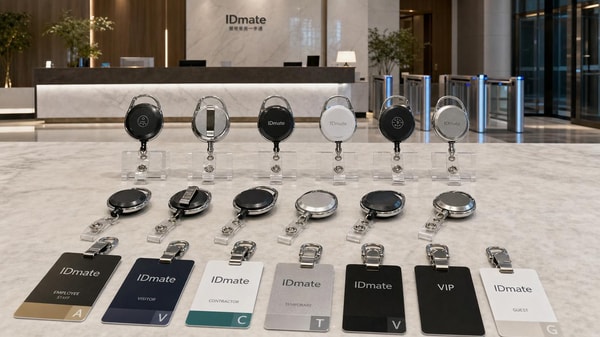
 May 04, 2026Retractable Badge Reels: The Small Item That Fails FirstRetractable badge reels fail faster than many workplace accessories. Learn what causes breakage, how to source durable options, and how to cut replacement costs.● Institutional Buyer
 May 04, 2026Id Card Holders Wholesale: Hard Shell or Soft Vinyl?Id card holders wholesale guide: compare hard shell vs soft vinyl for durability, cost, branding, and daily use to choose the best bulk option for offices, schools, events, and more.● Institutional Buyer
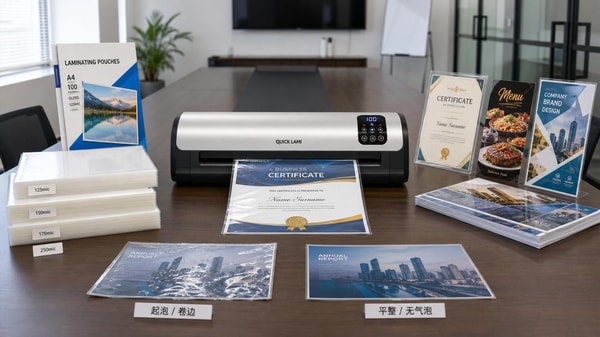
 May 04, 2026Office Laminating Machines: The Heat Settings People OverlookOffice laminating machines perform best when heat settings match pouch thickness, paper type, and speed. Learn how proper temperature control reduces bubbles, curl, waste, and rework.● Institutional Buyer
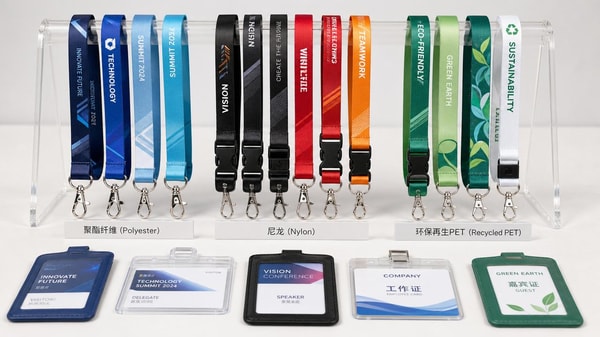
 May 04, 2026Custom Printed Lanyards: Which Material Holds Up Best?Custom printed lanyards: discover which materials last longest, keep logos sharp, and deliver better value for events, offices, schools, and premium commercial use.● Institutional Buyer
 May 04, 2026Why Wholesale Spiral Notebooks Vary So Much in Paper FeelWholesale spiral notebooks can look alike yet feel completely different. Learn what paper weight, fiber, coating, and sourcing standards mean for writing quality and smarter bulk buying.● Institutional Buyer
 May 04, 2026Binding Machines Wholesale: Small Price Gaps, Big Quality RisksBinding machines wholesale buyers face hidden quality risks behind small price gaps. Learn how to compare durability, compliance, and total cost before you order.● Institutional Buyer
 May 04, 2026Custom Printed Planners That People Actually Keep UsingCustom printed planners that people actually keep using—learn how to choose the right format, materials, and branding to boost retention, usability, and long-term brand value.● Institutional Buyer
 May 02, 2026Wholesale chef coats that hold shape after repeated industrial washingWholesale chef coats that stay sharp after repeated industrial washing. Compare fabrics, stitching, and supplier standards to choose durable uniforms that protect brand image and reduce replacement costs.● Institutional Buyer
 May 02, 2026What makes non slip chef shoes comfortable for 12-hour shiftsNon slip chef shoes for 12-hour shifts should deliver lasting support, cushioning, breathability, and grip. Learn what buyers and chefs should compare before choosing.● Institutional Buyer
 May 02, 2026Kenya Marathon Record Break Sparks Carbon-Plate Shoe Export Surge to AfricaKenya Marathon Record Break sparks surge in carbon-plate shoe exports to Africa—urgent bilingual labeling compliance needed for EAC markets.● Institutional Buyer
 May 01, 2026Custom Hotel Uniforms: Where Fit Problems Usually StartCustom hotel uniforms often fail at the fit-planning stage. Learn where sizing issues start, how to compare suppliers, and how to avoid costly reorders with smarter sourcing.● Institutional Buyer
 Apr 28, 2026How to Shortlist an Office Supplies WholesalerOffice supplies wholesaler selection starts with the right criteria. Learn how to compare an office supplies supplier, distributor, or manufacturer for cost, quality, compliance, and scalable B2B sourcing.● Institutional Buyer
 Apr 28, 20262026 Office Supplies Supplier Trends to WatchExplore 2026 office supplies supplier trends and learn how every office supplies wholesaler, distributor, and manufacturer can improve sourcing, compliance, fulfillment, and OEM growth.● Institutional Buyer
 Apr 28, 2026What to Check Before Choosing an ExporterOffice supplies supplier and exporter checklist: compare quality, compliance, lead times, MOQ, and service to choose a reliable office supplies manufacturer or wholesaler with confidence.● Institutional Buyer
 Apr 28, 2026Can an Office Supplies Producer Improve MarginsCan an office supplies producer improve margins? Learn how an office supplies manufacturer, supplier, and exporter boosts profit through smarter sourcing, lean production, and OEM value.● Institutional Buyer
 Apr 28, 2026How Bulk Suppliers Handle Custom PackingOffice supplies supplier insights: learn how an office supplies wholesaler, distributor, or OEM manufacturer manages custom packing to reduce risk, control cost, and improve delivery.● Institutional Buyer
 Apr 28, 2026Office Supplies OEM Manufacturer Pros and ConsOffice supplies OEM manufacturer pros and cons explained for every office supplies supplier, wholesaler, distributor, and B2B buyer—compare cost, quality, MOQ, and delivery before sourcing.● Institutional Buyer
 Apr 28, 2026Who Needs an Office Supplies B2B SupplierOffice supplies supplier guide for procurement teams, distributors, and institutions. Learn when to choose an office supplies wholesaler or manufacturer for stable supply and better B2B sourcing.● Institutional Buyer
 Apr 28, 2026How to Avoid Risks With Office Supplies FactoriesOffice supplies supplier risk guide: learn how to vet an office supplies manufacturer, wholesaler, distributor, or factory for quality, compliance, OEM reliability, and on-time delivery.● Institutional Buyer
 Apr 27, 2026Office Supplies Manufacturer MOQ ExplainedOffice supplies manufacturer MOQ explained: compare an office supplies supplier, wholesaler, distributor, OEM manufacturer, and factory to reduce cost, improve flexibility, and source smarter.● Institutional Buyer
 Apr 27, 2026Distributor or Supplier for Fast ReordersOffice supplies supplier or distributor for fast reorders? Compare lead times, stock stability, and bulk supply options to choose a reliable office supplies B2B supplier.● Institutional Buyer
 Apr 27, 2026How Wholesalers Cut Office Supply CostsOffice supplies supplier and office supplies wholesaler solutions help cut costs through bulk buying, OEM options, and smarter sourcing. Compare distributors and manufacturers to save more.● Institutional Buyer
 Apr 27, 2026Office Supplies Supplier Pricing Red FlagsOffice supplies supplier pricing red flags explained: compare an office supplies wholesaler, distributor, or manufacturer, spot hidden risks, and choose a reliable B2B partner with confidence.● Institutional Buyer