Who Needs an Office Supplies B2B Supplier
An office supplies B2B supplier is essential for organizations that need reliable sourcing, competitive pricing, and consistent quality at scale. From procurement teams and institutional buyers to distributors seeking a trusted office supplies wholesaler or office supplies manufacturer, the right partner can streamline operations and reduce risk. This guide explores who benefits most from working with a professional office supplies supplier and what to evaluate before choosing one.
Which Buyers Benefit Most from an Office Supplies B2B Supplier?
Not every buyer needs the same kind of office supplies supplier. A small local office may purchase from retail channels, but organizations with recurring demand, multiple departments, or branch-level delivery requirements usually need a B2B office supplies wholesaler. The main value is not only lower unit cost. It is also supply continuity, SKU stability, order accuracy, and fewer procurement disruptions over a 3–12 month purchasing cycle.
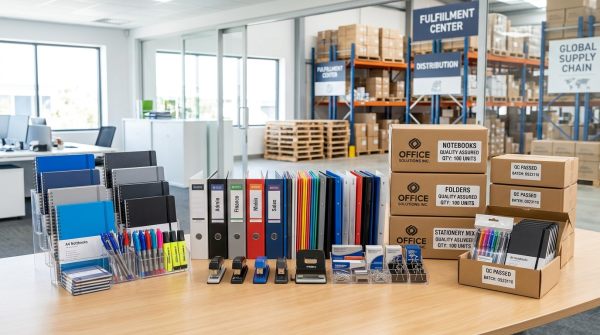
Procurement teams are often the first group that benefits. They need centralized sourcing for paper products, writing instruments, filing systems, desk accessories, classroom supplies, and workplace consumables. When monthly or quarterly demand must be forecast across 20, 50, or even 100+ end users, fragmented buying creates invoice complexity and inconsistent specifications. A capable office supplies manufacturer or sourcing partner helps standardize purchasing and reduce exception handling.
Business evaluators also rely on a professional supplier because office supplies affect more than admin convenience. They influence operating efficiency, brand presentation, storage planning, and compliance documentation. For example, institutions often need product declarations, packaging details, material consistency, and lead time visibility before approving a vendor for 2–4 sourcing rounds or an annual framework agreement.
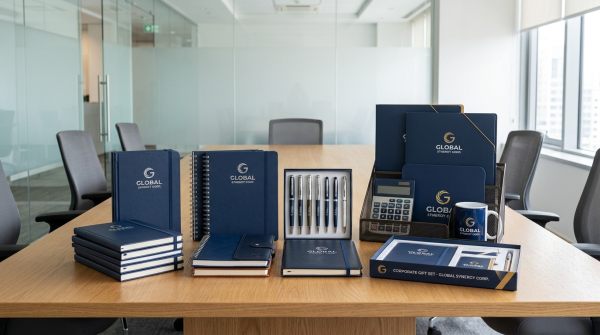
Distributors, dealers, and agents benefit in a different way. They need a dependable office supplies wholesaler that can support mixed-carton shipments, private label requests, and repeatable quality across multiple batches. In many markets, the challenge is not finding products once. It is maintaining the same specifications across 6 months, 12 months, or longer while protecting margin and customer trust.
Typical buyer profiles in the office supplies industry
- Institutional buyers that need standardized procurement for schools, training centers, administrative offices, and multi-site organizations.
- Corporate procurement managers seeking fewer suppliers, clearer contracts, and stable delivery windows of 7–15 days for routine items.
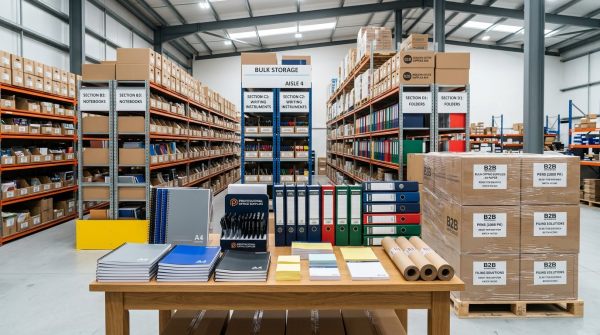
- Importers and distributors requiring wholesale office supplies with flexible MOQ ranges, carton labeling, and reseller-ready packaging.
- Project buyers outfitting new offices, campuses, service centers, or commercial facilities where initial demand can be significantly higher than normal replenishment demand.
For information researchers comparing channels, the key takeaway is simple: the more complex the order structure, replenishment frequency, or compliance requirement, the stronger the case for using a dedicated office supplies B2B supplier instead of relying on fragmented retail sourcing.
What Problems Does a Professional Office Supplies Supplier Actually Solve?
Many buyers start looking for an office supplies supplier because prices seem inconsistent. In practice, price is only one symptom. The larger operational problems usually include stockouts, unsuitable packaging, unstable quality between batches, slow response on custom requests, and limited visibility on lead times. These issues become more serious when a company manages several locations or serves downstream customers with fixed delivery commitments.
A professional office supplies wholesaler can reduce procurement friction in at least 4 areas: product consolidation, specification control, order scheduling, and supplier communication. Instead of dealing with many vendors for pens, folders, staplers, notebooks, copy paper, markers, and desktop items, the buyer works through a narrower sourcing structure. That improves planning accuracy and often cuts administrative effort over each monthly procurement cycle.
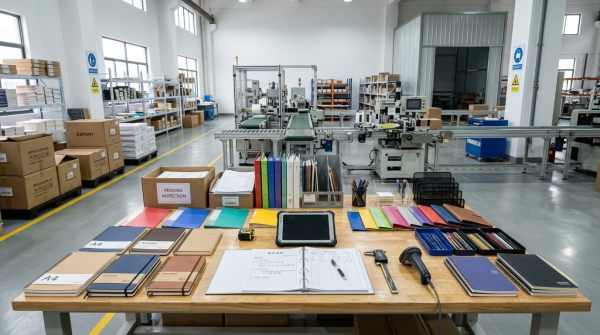
The next issue is quality consistency. In office and educational supplies, small deviations can create repeated complaints. Pen ink flow, paper brightness range, adhesive performance, hole-punch alignment, binding strength, and packaging durability all affect end-user experience. Buyers who serve schools, offices, or resellers need predictable product quality from batch to batch, not occasional success followed by frequent substitutions.
This is where GCT adds value beyond a basic directory model. Global Commercial Trade focuses on commercial-use categories where buyers care about sourcing intelligence, category-specific evaluation, and supply chain reliability. For office & educational supplies, that means helping procurement teams and business evaluators compare supplier capabilities, assess OEM or ODM feasibility, and identify sourcing risks before negotiation begins.
Common pain points by buyer type
The table below shows why different buyers search for an office supplies B2B supplier and what they typically need to validate before moving forward.
This comparison shows that office supplies sourcing is rarely just about catalog breadth. The stronger supplier is usually the one that makes repeat buying easier, reduces uncertainty, and supports commercial growth over multiple order cycles.
How to Evaluate an Office Supplies Wholesaler or Manufacturer
When evaluating an office supplies manufacturer or wholesaler, buyers should use a structured scorecard instead of judging by catalog size alone. In most B2B scenarios, 5 core dimensions matter: product range, consistency, lead time, customization capability, and documentation support. If one of these areas is weak, the buyer may face delays, product mismatch, or hidden costs during implementation.
Start with SKU relevance. A broad catalog only helps when the items actually fit your demand profile. A school buyer may need notebooks, markers, erasers, geometry sets, and art supplies. A corporate office may prioritize copy paper, filing products, desk organizers, and writing instruments. A distributor may need mixed categories with private label potential. The right office supplies supplier should align assortment with your business model, not just show volume.
Next, verify supply stability. Ask about typical replenishment cycles, production planning windows, carton packing consistency, and how substitutions are handled. In many categories, common lead times can range from 7–15 days for stock-supported items and 20–45 days for custom packaging or OEM requests. Buyers should also ask whether seasonal demand spikes affect priority allocation.
Documentation matters as well. Depending on market and product type, buyers may need basic material information, safety-related declarations, packing lists, barcode support, labeling confirmation, and shipping marks. For institutional or export-focused procurement, these details can be as important as price because they influence approval speed and receiving efficiency.
Practical supplier assessment checklist
Use the following table to compare office supplies wholesalers or manufacturers during supplier shortlisting, sample review, and final commercial evaluation.
A supplier that performs well across these 5 dimensions is usually better suited for medium- and long-term procurement than one offering only short-term low pricing. For serious buyers, stability often creates greater savings than nominal unit-cost reductions.
Three-stage evaluation process
- Stage 1: shortlist 3–5 suppliers based on category fit, commercial responsiveness, and document readiness.
- Stage 2: request samples or specification confirmation for high-frequency items, especially where end-user complaints are common.
- Stage 3: compare total sourcing practicality, including lead time, packing method, MOQ, payment terms, and repeat-order reliability.
What Should Buyers Check for Cost, Compliance, and Supply Risk?
In office supplies procurement, the lowest quotation is not always the lowest total cost. Buyers should review at least 4 cost layers: unit price, shipping efficiency, packing suitability, and replacement risk. A lower-priced item can become more expensive if it leads to damage in transit, poor shelf presentation, repacking labor, or frequent complaints from internal users or downstream customers.
Compliance is another area where buyers should be methodical. Requirements vary by product and destination market, but routine checks may include material declarations, labeling accuracy, packaging information, and whether the supplier can provide consistent documentation for repeated imports. For educational and office-use products, buyers should also consider practical safety and usability factors such as odor, edge finishing, ink performance, and packaging integrity.
Supply risk should be assessed over a realistic planning horizon. Ask whether the supplier can support quarterly forecasting, mixed-SKU production scheduling, and replacement handling. For organizations that buy 50, 100, or 500 cartons at a time, disruption is rarely caused by one missing item alone. The larger risk is incomplete shipment coordination that delays project installation, school opening, office launch, or distributor fulfillment.
GCT is particularly useful for buyers who want better sourcing judgment before vendor engagement. Instead of treating office supplies as a simple commodity segment, GCT frames them as a commercial category where design fit, consistency, compliance awareness, and supplier capability all influence procurement success. That perspective helps purchasing teams reduce avoidable errors early in the decision process.
Cost and risk comparison by sourcing model
The table below compares common sourcing approaches for wholesale office supplies and shows why many professional buyers shift toward more structured supplier relationships.
For many buyers, the best path is not the fastest channel but the one that balances category fit, repeat supply, and manageable risk. That is especially true when office supplies must support a broader commercial rollout across several teams or locations.
How Do Distributors, Institutions, and Project Buyers Choose the Right Supply Model?
The right office supplies supplier depends on how demand behaves. If the buyer handles recurring replenishment, annual contracts, or branch distribution, then supply continuity matters more than isolated promotions. If the buyer is launching a new workspace or campus, the project phase may require a bulk initial order followed by lower monthly replenishment. These two patterns need different sourcing logic.
Distributors and agents usually look for a wholesale office supplies partner that supports category expansion without creating inventory headaches. They may begin with 10–20 fast-moving SKUs, then broaden into 30–50 SKUs as customer confidence grows. In this model, the supplier should be able to maintain repeatable color, packaging, barcode placement, and carton structure, especially when serving retail channels or dealer networks.
Institutions often prioritize administrative efficiency. They need office supplies sourcing that reduces tender complexity, simplifies reorder routines, and supports receiving procedures across multiple departments. For them, a supplier’s ability to maintain approved specifications over 2–4 quarters is often more valuable than chasing frequent product changes.
Project buyers need planning support. They often require one coordinated procurement schedule for deskside essentials, filing items, writing tools, presentation materials, and educational accessories. In these situations, service sequence matters. Buyers should confirm 4 implementation points early: item list finalization, sample approval, packing confirmation, and delivery scheduling.
A practical selection framework
- Choose a wholesaler-focused model when you need mixed-category ordering, repeat replenishment, and flexible commercial support across monthly or quarterly demand cycles.
- Choose a manufacturer-linked model when private label, custom sets, or packaging control is critical to your reseller or institutional strategy.
- Choose a sourcing intelligence-led approach through GCT when your team first needs to compare capability, risk, and supplier suitability before entering formal quotation or negotiation.
Why this matters for decision makers
Information researchers need clearer market orientation. Procurement staff need fewer unknowns during ordering. Business evaluators need evidence for supplier screening. Distributors need supply confidence that supports sales growth. These are different priorities, but they all benefit from the same foundation: a professional office supplies B2B supplier with clear capability, usable documentation, and stable execution.
That is also why a platform like GCT is relevant. It connects commercial buyers with category-specific sourcing intelligence rather than leaving them to compare suppliers with incomplete context. For office & educational supplies, that can shorten the path from market research to commercially workable sourcing decisions.
FAQ: What Do Buyers Usually Ask Before Choosing an Office Supplies Supplier?
How do I know if I need an office supplies wholesaler instead of a retail source?
If your business orders repeatedly, manages multiple users, or needs 10+ core SKUs on a routine basis, a wholesale office supplies model is usually more efficient. It reduces price variation, simplifies vendor management, and improves stock planning. Retail buying may still work for emergency top-ups, but it is rarely ideal for quarterly or annual procurement planning.
What is the usual lead time for office supplies B2B orders?
There is no single rule, but stock-supported items often move within 7–15 days, while customized packaging, private label, or OEM projects can require 20–45 days depending on complexity and order size. Buyers should confirm not only the production window but also packing, consolidation, and shipment readiness milestones.
Which factors matter most when comparing office supplies manufacturers?
Focus on 5 practical points: category fit, batch consistency, lead time reliability, customization support, and document readiness. Price should be evaluated after those factors, not before them. A slightly lower unit cost can create higher total cost if the supplier cannot maintain consistency or support your operational process.
Can distributors and agents benefit from working with GCT?
Yes. Distributors and agents often need more than a supplier list. They need help understanding capability differences, OEM or ODM potential, and which sourcing route better matches their market strategy. GCT supports this by providing focused commercial intelligence across office & educational supplies and other experience-driven sectors.
Why Choose Us for Office Supplies B2B Sourcing Support?
Global Commercial Trade is built for buyers who need more than generic supplier listings. We serve procurement teams, evaluators, distributors, and project buyers who need structured insight into office supplies sourcing, commercial-grade supplier selection, and practical decision support. Our focus on office & educational supplies helps you evaluate suppliers in context, not in isolation.
If you are comparing an office supplies supplier, office supplies wholesaler, or office supplies manufacturer, we can help you clarify 6 key areas before you commit: product scope, suitability for your application scenario, expected lead time, customization options, documentation needs, and commercial communication efficiency. That makes supplier outreach more targeted and negotiation more productive.
You can contact us for support with product selection, supplier shortlisting, packaging and OEM discussions, sample planning, delivery cycle review, and quotation comparison. If your business serves schools, offices, institutional projects, or distribution channels, we can also help you map the most suitable sourcing model based on order frequency, SKU mix, and market expectations.
For buyers who want a clearer path from research to procurement, GCT offers a more informed starting point. Reach out to discuss office supplies category planning, sourcing risk review, lead time expectations, sample support, or supplier evaluation priorities for your next purchasing cycle.
Search News
Hot Articles
- Stage Lighting & Truss2026 FIBA Women's World Cup Draw Sets LED Timing Screen RequirementsApr 27, 2026
- Hotel Room AmenitiesIranian Delegation’s Ritual Gesture at Sanya ASG Sparks Mideast Hospitality Procurement ShiftApr 27, 2026
- Arcade & VR MachinesSnooker World Championship 'China Derby' Drives VR Viewing DemandApr 27, 2026
Popular Tags
Need ExpertConsultation?
Connect with our specialized leisureengineering team for procurementstrategies.
Recommended News
 Apr 28, 2026How to Shortlist an Office Supplies WholesalerOffice supplies wholesaler selection starts with the right criteria. Learn how to compare an office supplies supplier, distributor, or manufacturer for cost, quality, compliance, and scalable B2B sourcing.● Institutional Buyer
 Apr 28, 20262026 Office Supplies Supplier Trends to WatchExplore 2026 office supplies supplier trends and learn how every office supplies wholesaler, distributor, and manufacturer can improve sourcing, compliance, fulfillment, and OEM growth.● Institutional Buyer
 Apr 28, 2026What to Check Before Choosing an ExporterOffice supplies supplier and exporter checklist: compare quality, compliance, lead times, MOQ, and service to choose a reliable office supplies manufacturer or wholesaler with confidence.● Institutional Buyer
 Apr 28, 2026Can an Office Supplies Producer Improve MarginsCan an office supplies producer improve margins? Learn how an office supplies manufacturer, supplier, and exporter boosts profit through smarter sourcing, lean production, and OEM value.● Institutional Buyer
 Apr 28, 2026How Bulk Suppliers Handle Custom PackingOffice supplies supplier insights: learn how an office supplies wholesaler, distributor, or OEM manufacturer manages custom packing to reduce risk, control cost, and improve delivery.● Institutional Buyer
 Apr 28, 2026Office Supplies OEM Manufacturer Pros and ConsOffice supplies OEM manufacturer pros and cons explained for every office supplies supplier, wholesaler, distributor, and B2B buyer—compare cost, quality, MOQ, and delivery before sourcing.● Institutional Buyer
 Apr 28, 2026Who Needs an Office Supplies B2B SupplierOffice supplies supplier guide for procurement teams, distributors, and institutions. Learn when to choose an office supplies wholesaler or manufacturer for stable supply and better B2B sourcing.● Institutional Buyer
 Apr 28, 2026How to Avoid Risks With Office Supplies FactoriesOffice supplies supplier risk guide: learn how to vet an office supplies manufacturer, wholesaler, distributor, or factory for quality, compliance, OEM reliability, and on-time delivery.● Institutional Buyer
 Apr 27, 2026Office Supplies Manufacturer MOQ ExplainedOffice supplies manufacturer MOQ explained: compare an office supplies supplier, wholesaler, distributor, OEM manufacturer, and factory to reduce cost, improve flexibility, and source smarter.● Institutional Buyer
 Apr 27, 2026Distributor or Supplier for Fast ReordersOffice supplies supplier or distributor for fast reorders? Compare lead times, stock stability, and bulk supply options to choose a reliable office supplies B2B supplier.● Institutional Buyer
 Apr 27, 2026How Wholesalers Cut Office Supply CostsOffice supplies supplier and office supplies wholesaler solutions help cut costs through bulk buying, OEM options, and smarter sourcing. Compare distributors and manufacturers to save more.● Institutional Buyer
 Apr 27, 2026Office Supplies Supplier Pricing Red FlagsOffice supplies supplier pricing red flags explained: compare an office supplies wholesaler, distributor, or manufacturer, spot hidden risks, and choose a reliable B2B partner with confidence.● Institutional Buyer
 Apr 27, 2026How to Vet an Office Supplies ExporterOffice supplies supplier vetting made simple: learn how to assess an office supplies exporter, manufacturer, wholesaler, and distributor for quality, compliance, and reliable B2B growth.● Institutional Buyer
 Apr 27, 2026What to Ask an Office Supplies Producer FirstOffice supplies supplier screening starts with the right questions. Learn how to evaluate an office supplies manufacturer, wholesaler, or producer on quality, OEM, compliance, pricing, and delivery.● Institutional Buyer
 Apr 27, 2026How to Compare Office Supplies Bulk SuppliersCompare every office supplies supplier model—wholesaler, distributor, OEM manufacturer, and bulk supplier—to evaluate quality, compliance, lead times, and costs for smarter B2B sourcing.● Institutional Buyer
 Apr 27, 2026Is an Office Supplies OEM Manufacturer Worth ItOffice supplies OEM manufacturer or standard sourcing? Compare an office supplies supplier, wholesaler, and distributor to find the best B2B fit for cost, branding, and scalable growth.● Institutional Buyer
 Apr 27, 2026Best Office Supplies B2B Supplier for ScaleFind the best office supplies B2B supplier for scale. Compare an office supplies supplier, wholesaler, distributor, and OEM manufacturer to secure reliable bulk sourcing and growth.● Institutional Buyer
 Apr 27, 2026Office Supplies Factory Audit ChecklistOffice supplies factory audit checklist for choosing a reliable office supplies manufacturer, supplier, or OEM partner. Learn key quality, compliance, and capacity checks before sourcing.● Institutional Buyer
 Apr 27, 2026When to Work With an Office Supplies ManufacturerOffice supplies manufacturer or office supplies supplier? Learn when to source direct, compare wholesaler vs OEM options, and improve cost, quality, and supply stability.● Institutional Buyer
 Apr 27, 2026What Makes a Reliable Office Supplies DistributorDiscover what sets a reliable office supplies distributor apart. Compare an office supplies supplier, wholesaler, or B2B supplier by quality, lead times, inventory, and global delivery.● Institutional Buyer
 Apr 27, 2026Office Supplies Wholesaler vs DistributorOffice supplies wholesaler vs distributor: learn how an office supplies supplier, distributor, or manufacturer impacts pricing, lead time, and growth—choose the best B2B sourcing model.● Institutional Buyer
 Apr 27, 2026How to Choose an Office Supplies SupplierLearn how to choose the right office supplies supplier by comparing an office supplies wholesaler, distributor, manufacturer, or B2B supplier for quality, price, delivery, and growth.● Institutional Buyer
 Apr 24, 2026How to Pick Educational Supplies by AgeEducational supplies by age: discover how commercial furniture, sensory playground designs, playground safety, climbers, borders, music accessories, hotel tables and amusement equipment improve ROI.● Institutional Buyer
 Apr 24, 2026Educational Supplies That Schools Reorder MostEducational supplies schools reorder most: from commercial furniture support and music accessories to playground safety, playground borders, and sensory playground essentials—discover high-demand categories buyers need year-round.● Institutional Buyer