How Bulk Suppliers Handle Custom Packing
For procurement teams evaluating an office supplies supplier, office supplies wholesaler, or office supplies OEM manufacturer, custom packing is not a cosmetic extra. It directly affects product protection, shipment efficiency, compliance documentation, shelf presentation, and the total landed cost of a project. In practice, strong bulk suppliers handle custom packing through a structured process: they assess product risk, confirm branding and compliance needs, match materials to shipping conditions, validate packaging by sample testing, and control execution at scale. The difference between a reliable partner and a risky one usually shows up in these details.
For buyers, distributors, and commercial evaluators, the key question is not simply whether a supplier offers custom packaging, but how well they manage packaging design, approval, production consistency, and logistics coordination. This article explains what capable bulk suppliers typically do, what procurement teams should verify, and where hidden risks often appear.
What buyers really need to know about custom packing
When commercial buyers search for information on how bulk suppliers handle custom packing, they are usually trying to answer a practical sourcing question: Can this supplier deliver packaging that protects the product, supports my brand or channel requirements, and does not create unnecessary cost or delay?
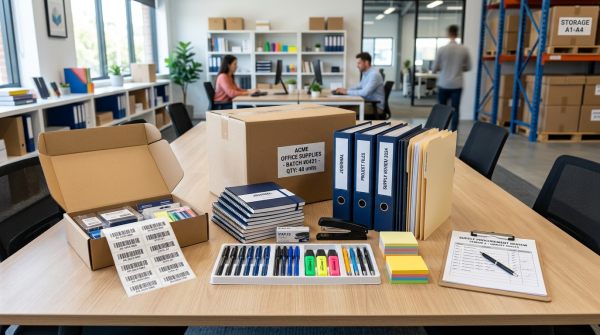
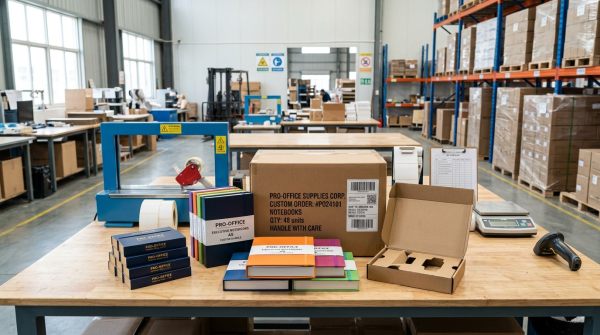
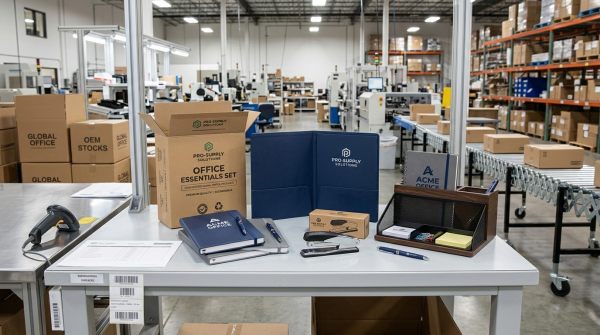
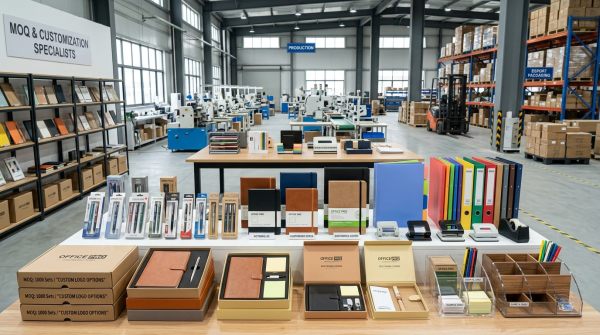
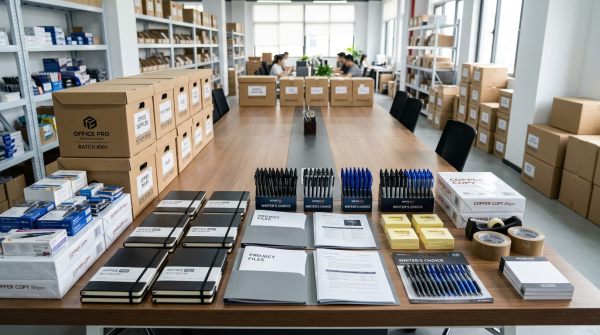
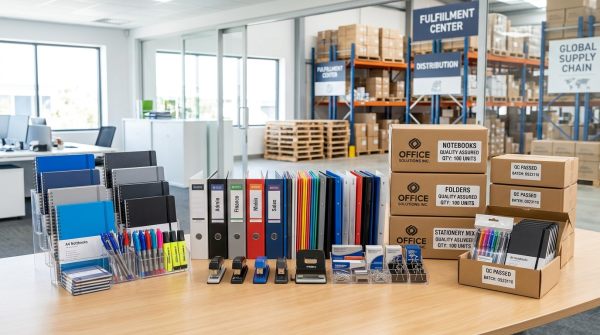
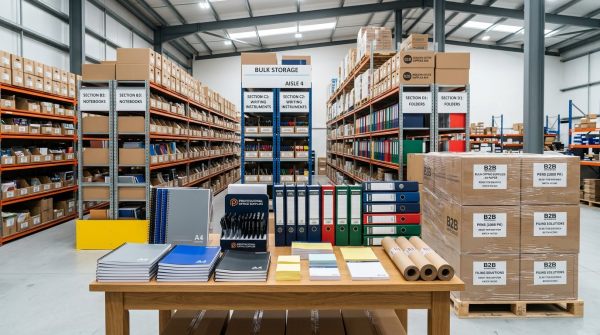
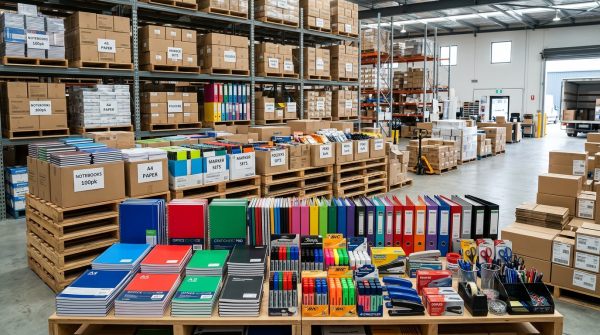
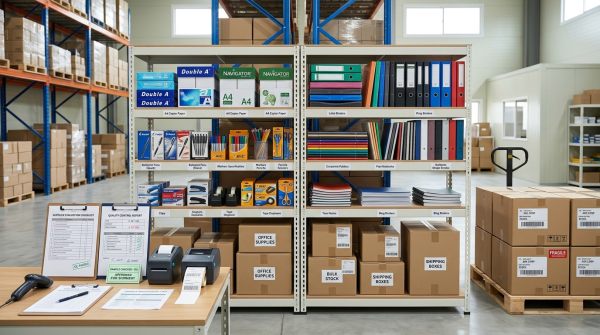
For office and educational supplies, packaging requirements vary widely. A simple carton of notebooks, a retail-ready pen set, a private-label filing system, or a mixed institutional supply kit may each require a different packaging approach. Custom packing may involve outer cartons, inner boxes, polybags, labels, barcodes, inserts, pallet standards, retail display packs, or OEM/ODM branding elements. A qualified office supplies bulk supplier should be able to align all of these with the buyer’s commercial objective.
From a buyer’s perspective, the most important issues are usually:
- Whether the packaging protects products during international transport and warehouse handling
- Whether branding, labeling, and barcode requirements can be executed accurately
- Whether packaging meets retailer, distributor, or institutional compliance standards
- Whether customization increases lead time, minimum order quantity, or cost beyond what is commercially reasonable
- Whether the supplier can maintain consistency across repeated bulk orders
How an office supplies bulk supplier typically manages custom packing
Reliable suppliers usually handle custom packing through a step-by-step workflow rather than treating it as a last-minute add-on. That workflow often includes the following stages.
1. Requirement collection and use-case review
The process starts with understanding where and how the product will be sold or used. An office supplies distributor serving retail channels may need color boxes, shelf-ready trays, EAN/UPC barcodes, and branded inserts. An institutional procurement team may prefer simpler, durable export cartons with clear item coding and easier warehouse counting. A private-label buyer may require exact logo placement, brand colors, multilingual labeling, and defined carton markings.
Good suppliers ask detailed questions early, such as:
- Is the packaging for retail display, e-commerce, distribution, or internal institutional use?
- Will the order ship by sea, air, courier, or mixed methods?
- Are there retailer carton size limits or palletization rules?
- What labels, warnings, country-of-origin marks, or compliance icons are required?
- Does the buyer need FSC paper packaging, recycled content, or reduced plastic use?
2. Packaging design and material selection
Once requirements are clear, the supplier selects packaging structures and materials that match the product’s fragility, shape, weight, and distribution route. For office supplies, this may include corrugated cartons, partitioned inner boxes, shrink wrap, blister cards, paper sleeves, molded trays, or custom inserts.
The best office supplies OEM manufacturers do not only focus on appearance. They balance four factors at the same time:
- Protection: Preventing crushing, moisture exposure, scuffing, leaking, or component loss
- Brand presentation: Clear graphics, print quality, and consistency with brand guidelines
- Logistics efficiency: Carton dimensions, container utilization, stacking strength, and pallet compatibility
- Cost control: Avoiding over-packaging that raises unit cost and freight expense
3. Artwork confirmation and sample approval
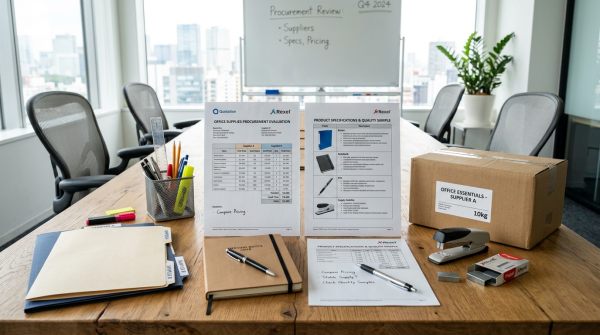
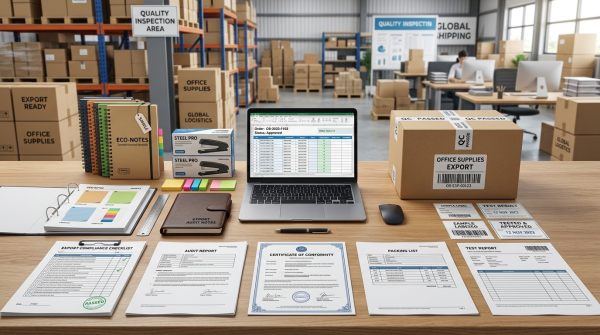
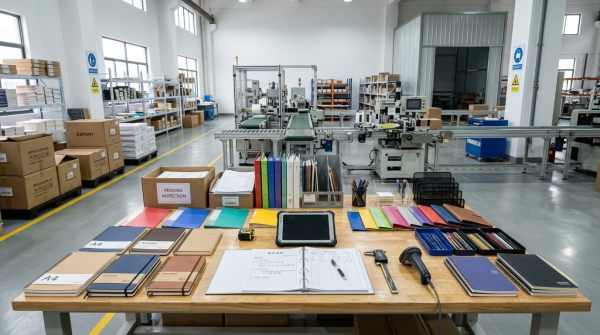
Custom packing often fails when artwork control is weak. Professional suppliers create dielines, digital mockups, pre-production samples, and print proofs before mass production begins. This stage is where buyers should confirm SKU names, barcode readability, legal text, language versions, logo placement, color references, and shipping marks.
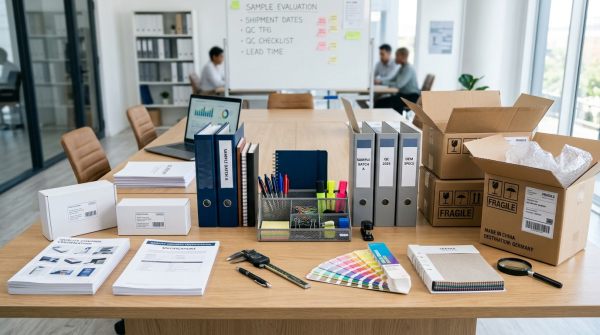
For larger or repeat projects, sample approval should not be informal. It should be documented with version control, signed confirmation, and final packaging specifications. This reduces disputes later if printed packaging differs from what the buyer expected.
4. Packaging testing and transit validation
Competent suppliers validate whether the custom packing works under real shipping conditions. Depending on the product, they may perform drop tests, compression checks, seal checks, barcode scans, moisture considerations, or pallet stacking reviews. Even basic office products can be damaged by vibration, humidity, rough handling, or poor carton strength during export shipping.
This matters especially for:
- Multi-piece sets with small loose components
- Items with delicate plastic parts or sharp corners
- Premium stationery and presentation products where surface appearance matters
- Long-distance export orders with multiple transfer points
5. Controlled mass production and packing line execution
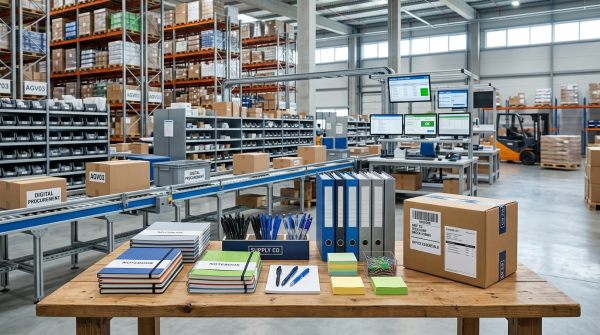
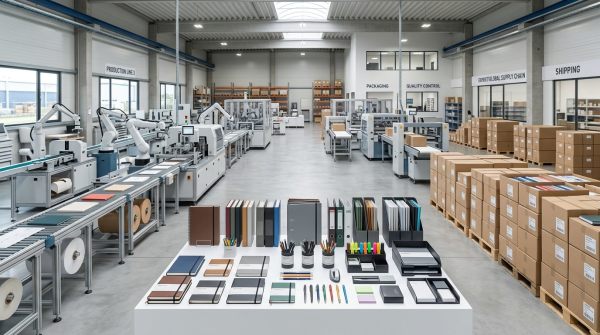
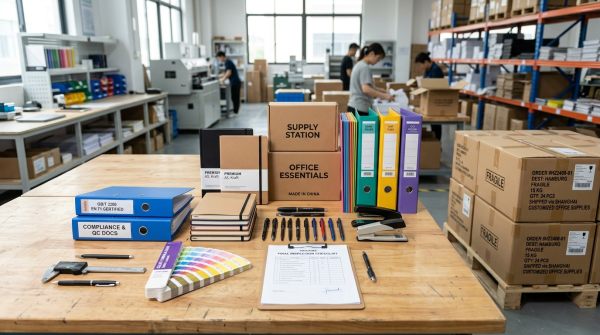
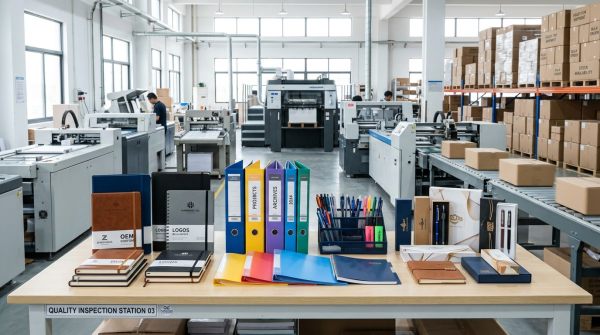
Once approved, the supplier should standardize the process for production teams and QC staff. This includes packaging SOPs, approved artwork files, carton specifications, packing ratios, label positions, barcode checks, and final inspection criteria. In larger factories, custom packing may be run on dedicated lines or at scheduled windows to reduce mix-ups between SKUs or customers.
For buyers, this is a critical checkpoint. A supplier may present attractive custom packaging capabilities during quotation, but the real question is whether they can execute the same standard consistently across thousands or tens of thousands of units.
What custom packing can include in office supplies sourcing
Custom packing in the office supplies sector can range from simple branding updates to fully engineered packaging programs. Common options include:
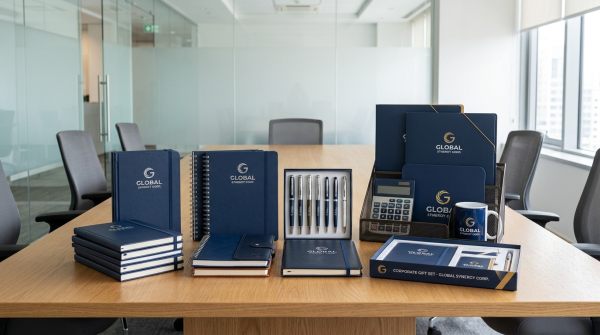
- Private-label retail boxes and branded outer cartons
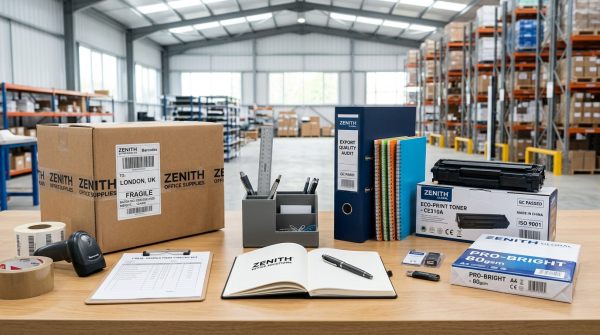
- Custom barcode labels, SKU stickers, and carton marks
- Multi-pack, kit-pack, or classroom pack configurations
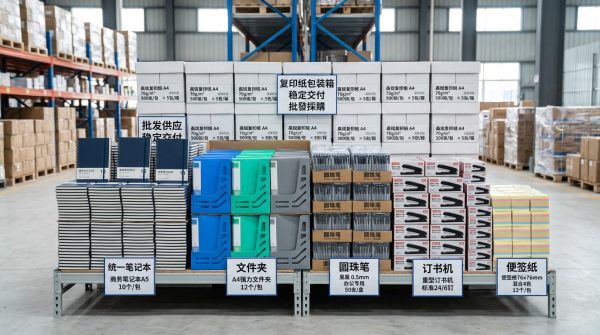
- Counter display trays or point-of-sale ready packs
- Instruction sheets, inserts, warranty cards, or promotional leaflets
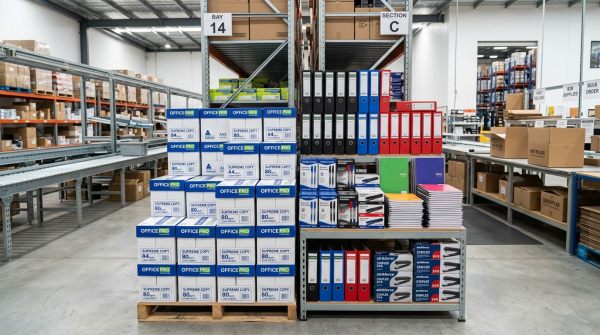
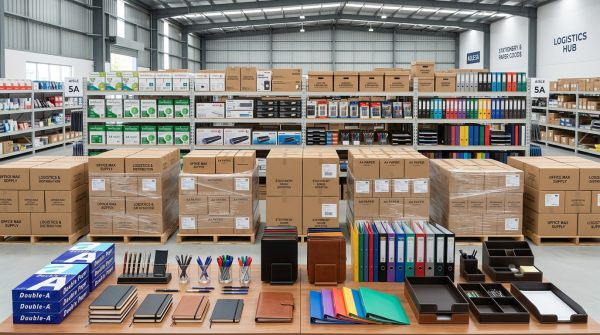
- Export cartons tailored to pallet or container optimization
- Eco-friendly packaging alternatives such as recyclable paper-based formats
- Mixed assortments for distributors, resellers, or tender-based institutional supply
For a distributor or agent, the value of custom packing is often commercial flexibility. It allows the same core product to be positioned for different markets, customer tiers, or channels without changing the product itself.
Where buyers should pay close attention when evaluating suppliers
Not all packaging customization is equal. Some suppliers are good at graphic changes but weak in transport protection. Others can manage export-grade cartons but struggle with private-label accuracy. Buyers should assess suppliers on the areas that most affect commercial performance.
Packaging capability is not the same as packaging reliability
Many suppliers can say yes to custom boxes or labels. Fewer can prove they manage artwork files properly, maintain print consistency, control carton dimensions, and reduce packing errors over multiple orders. Ask for examples of similar projects, packaging specifications, and repeat-order references if available.
MOQ and lead time implications should be transparent
Custom packing often changes the economics of an order. Printed boxes, custom inserts, and special labels may require minimum print runs or additional setup time. Serious suppliers explain these constraints in advance, including:
- Minimum order quantity for custom packaging materials
- Added sampling time
- Artwork confirmation timelines
- Lead time differences between standard packing and custom packing
- Cost impact from packaging upgrades or special materials
Compliance and labeling errors can create downstream problems
For international trade, wrong carton markings, missing origin labels, incorrect barcode formats, or incomplete retail information can lead to customs issues, warehouse confusion, retailer rejection, or relabeling cost. For this reason, packaging review should involve procurement, quality, and in some cases logistics or market compliance teams.
Over-designed packaging can damage margins
Some buyers focus heavily on appearance and overlook freight efficiency. Larger cartons, unnecessary void space, or heavy packaging materials can increase shipping cost significantly. An experienced office supplies wholesaler should be able to recommend practical trade-offs between presentation and logistics cost.
Questions procurement teams should ask before approving custom packing
To make supplier evaluation more objective, buyers should ask direct, operational questions rather than relying on broad capability claims. Useful questions include:
- What packaging options do you regularly provide for office supplies bulk orders?
- Can you share packaging specs or examples for similar B2B, retail, or private-label projects?
- Who controls artwork approval and version management?
- How do you prevent packaging mix-ups during production?
- Can you provide packaging samples before mass production?
- Do you conduct carton strength or transit-related checks?
- How does custom packing affect MOQ, unit price, and lead time?
- Can you support retailer labeling, pallet labels, or destination-specific carton marks?
- What sustainable packaging options are available?
- How do you handle reorders when packaging remains the same?
The quality of the supplier’s answers often reveals more than the answers themselves. Clear, process-based responses usually indicate operational maturity. Vague assurances may suggest weak internal control.
How custom packing creates value beyond branding
For many commercial buyers, the business value of custom packing goes well beyond logo printing. Done well, it can improve performance across the supply chain.
- Lower damage rates: Better fit and stronger materials reduce breakage and presentation defects
- Faster receiving and distribution: Clear labeling and standardized carton design make warehouse handling easier
- Better channel fit: Retail-ready, e-commerce-ready, or institutional-ready formats reduce repacking work
- Stronger market positioning: Private-label and branded packaging support differentiation for distributors and resellers
- Improved cost visibility: Standardized packaging specs make future planning and cost comparison easier
For procurement managers and business evaluators, this is the right lens: custom packing should be judged by its effect on risk, efficiency, and commercial usability, not only visual appeal.
Signs of a strong custom packing partner
An office supplies supplier is more likely to be a dependable packaging partner if they can demonstrate the following:
- A clear intake process for packaging and labeling requirements
- Experience with OEM/ODM or private-label office supplies projects
- Documented artwork approval and sample confirmation procedures
- Quality control checkpoints specific to packing accuracy
- Ability to advise on carton optimization and shipping efficiency
- Flexibility across retail, wholesale, and institutional formats
- Transparency on cost, MOQ, and timeline implications
These indicators matter because packaging sits at the intersection of product quality, brand execution, and logistics. A supplier who manages it well is often stronger operationally in other areas too.
Conclusion
How bulk suppliers handle custom packing is a practical measure of sourcing competence. In the office supplies sector, reliable suppliers treat packaging as a controlled commercial process, not a decorative afterthought. They define requirements carefully, match materials to usage and shipping needs, validate artwork and samples, test the packing logic, and execute consistently at scale.
For buyers, distributors, agents, and commercial evaluators, the best decision is usually based on process visibility. If a supplier can clearly explain how they design, approve, test, and manage custom packing for bulk orders, they are far more likely to support safe delivery, channel compliance, and long-term reorder stability. In short, good custom packing protects not just the product, but also the efficiency and credibility of the entire supply relationship.
Search News
Hot Articles
- Stage Lighting & Truss2026 FIBA Women's World Cup Draw Sparks LED Timing Screen Upgrade DemandApr 28, 2026
- Pro Stage AudioKenyan Marathon WR Break Drives Demand for Timing Chips & Track SensorsApr 28, 2026
- Smart Campus Tech2026 Shanghai Smart Campus Expo: VR Teaching Devices Gain ITU & ISO/IEC 23053 CertificationApr 28, 2026
Popular Tags
Need ExpertConsultation?
Connect with our specialized leisureengineering team for procurementstrategies.
Recommended News
 Apr 28, 2026How to Shortlist an Office Supplies WholesalerOffice supplies wholesaler selection starts with the right criteria. Learn how to compare an office supplies supplier, distributor, or manufacturer for cost, quality, compliance, and scalable B2B sourcing.● Institutional Buyer
 Apr 28, 20262026 Office Supplies Supplier Trends to WatchExplore 2026 office supplies supplier trends and learn how every office supplies wholesaler, distributor, and manufacturer can improve sourcing, compliance, fulfillment, and OEM growth.● Institutional Buyer
 Apr 28, 2026What to Check Before Choosing an ExporterOffice supplies supplier and exporter checklist: compare quality, compliance, lead times, MOQ, and service to choose a reliable office supplies manufacturer or wholesaler with confidence.● Institutional Buyer
 Apr 28, 2026Can an Office Supplies Producer Improve MarginsCan an office supplies producer improve margins? Learn how an office supplies manufacturer, supplier, and exporter boosts profit through smarter sourcing, lean production, and OEM value.● Institutional Buyer
 Apr 28, 2026How Bulk Suppliers Handle Custom PackingOffice supplies supplier insights: learn how an office supplies wholesaler, distributor, or OEM manufacturer manages custom packing to reduce risk, control cost, and improve delivery.● Institutional Buyer
 Apr 28, 2026Office Supplies OEM Manufacturer Pros and ConsOffice supplies OEM manufacturer pros and cons explained for every office supplies supplier, wholesaler, distributor, and B2B buyer—compare cost, quality, MOQ, and delivery before sourcing.● Institutional Buyer
 Apr 28, 2026Who Needs an Office Supplies B2B SupplierOffice supplies supplier guide for procurement teams, distributors, and institutions. Learn when to choose an office supplies wholesaler or manufacturer for stable supply and better B2B sourcing.● Institutional Buyer
 Apr 28, 2026How to Avoid Risks With Office Supplies FactoriesOffice supplies supplier risk guide: learn how to vet an office supplies manufacturer, wholesaler, distributor, or factory for quality, compliance, OEM reliability, and on-time delivery.● Institutional Buyer
 Apr 27, 2026Office Supplies Manufacturer MOQ ExplainedOffice supplies manufacturer MOQ explained: compare an office supplies supplier, wholesaler, distributor, OEM manufacturer, and factory to reduce cost, improve flexibility, and source smarter.● Institutional Buyer
 Apr 27, 2026Distributor or Supplier for Fast ReordersOffice supplies supplier or distributor for fast reorders? Compare lead times, stock stability, and bulk supply options to choose a reliable office supplies B2B supplier.● Institutional Buyer
 Apr 27, 2026How Wholesalers Cut Office Supply CostsOffice supplies supplier and office supplies wholesaler solutions help cut costs through bulk buying, OEM options, and smarter sourcing. Compare distributors and manufacturers to save more.● Institutional Buyer
 Apr 27, 2026Office Supplies Supplier Pricing Red FlagsOffice supplies supplier pricing red flags explained: compare an office supplies wholesaler, distributor, or manufacturer, spot hidden risks, and choose a reliable B2B partner with confidence.● Institutional Buyer
 Apr 27, 2026How to Vet an Office Supplies ExporterOffice supplies supplier vetting made simple: learn how to assess an office supplies exporter, manufacturer, wholesaler, and distributor for quality, compliance, and reliable B2B growth.● Institutional Buyer
 Apr 27, 2026What to Ask an Office Supplies Producer FirstOffice supplies supplier screening starts with the right questions. Learn how to evaluate an office supplies manufacturer, wholesaler, or producer on quality, OEM, compliance, pricing, and delivery.● Institutional Buyer
 Apr 27, 2026How to Compare Office Supplies Bulk SuppliersCompare every office supplies supplier model—wholesaler, distributor, OEM manufacturer, and bulk supplier—to evaluate quality, compliance, lead times, and costs for smarter B2B sourcing.● Institutional Buyer
 Apr 27, 2026Is an Office Supplies OEM Manufacturer Worth ItOffice supplies OEM manufacturer or standard sourcing? Compare an office supplies supplier, wholesaler, and distributor to find the best B2B fit for cost, branding, and scalable growth.● Institutional Buyer
 Apr 27, 2026Best Office Supplies B2B Supplier for ScaleFind the best office supplies B2B supplier for scale. Compare an office supplies supplier, wholesaler, distributor, and OEM manufacturer to secure reliable bulk sourcing and growth.● Institutional Buyer
 Apr 27, 2026Office Supplies Factory Audit ChecklistOffice supplies factory audit checklist for choosing a reliable office supplies manufacturer, supplier, or OEM partner. Learn key quality, compliance, and capacity checks before sourcing.● Institutional Buyer
 Apr 27, 2026When to Work With an Office Supplies ManufacturerOffice supplies manufacturer or office supplies supplier? Learn when to source direct, compare wholesaler vs OEM options, and improve cost, quality, and supply stability.● Institutional Buyer
 Apr 27, 2026What Makes a Reliable Office Supplies DistributorDiscover what sets a reliable office supplies distributor apart. Compare an office supplies supplier, wholesaler, or B2B supplier by quality, lead times, inventory, and global delivery.● Institutional Buyer
 Apr 27, 2026Office Supplies Wholesaler vs DistributorOffice supplies wholesaler vs distributor: learn how an office supplies supplier, distributor, or manufacturer impacts pricing, lead time, and growth—choose the best B2B sourcing model.● Institutional Buyer
 Apr 27, 2026How to Choose an Office Supplies SupplierLearn how to choose the right office supplies supplier by comparing an office supplies wholesaler, distributor, manufacturer, or B2B supplier for quality, price, delivery, and growth.● Institutional Buyer
 Apr 24, 2026How to Pick Educational Supplies by AgeEducational supplies by age: discover how commercial furniture, sensory playground designs, playground safety, climbers, borders, music accessories, hotel tables and amusement equipment improve ROI.● Institutional Buyer
 Apr 24, 2026Educational Supplies That Schools Reorder MostEducational supplies schools reorder most: from commercial furniture support and music accessories to playground safety, playground borders, and sensory playground essentials—discover high-demand categories buyers need year-round.● Institutional Buyer