Office Supplies OEM Manufacturer Pros and Cons
Choosing an office supplies OEM manufacturer can help buyers reduce costs, customize product lines, and scale faster, but it also brings challenges in quality control, compliance, and delivery consistency. For any office supplies supplier, wholesaler, distributor, or B2B sourcing team, understanding these pros and cons is essential before selecting the right office supplies manufacturer, factory, or exporter for long-term growth.
In the office supplies sector, OEM partnerships are no longer limited to basic stationery. Buyers now source private label notebooks, filing systems, desk accessories, writing instruments, whiteboard products, school-office crossover items, and eco-conscious packaging through specialized factories. That expands opportunity, but it also raises the stakes in vendor selection, specification control, and commercial risk management.
For procurement managers, market researchers, distributors, and commercial evaluation teams, the right OEM model can support margin improvement, channel differentiation, and faster response to regional demand. The wrong one can create claim rates above 2%, delayed launches, inconsistent branding, and inventory tied up for 60–90 days. A practical assessment framework is therefore essential before signing supply agreements.
What an Office Supplies OEM Manufacturer Really Offers
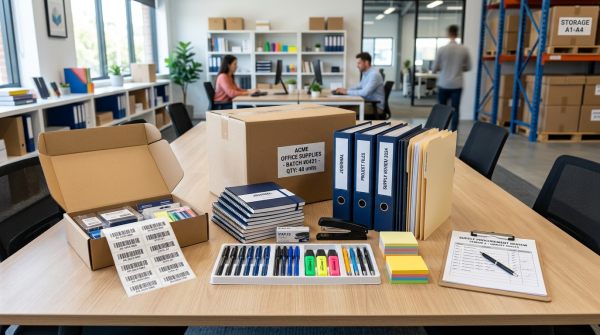
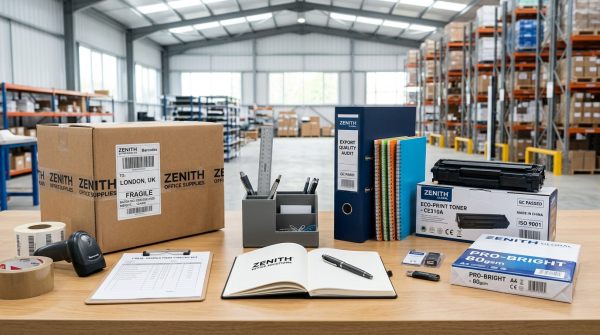
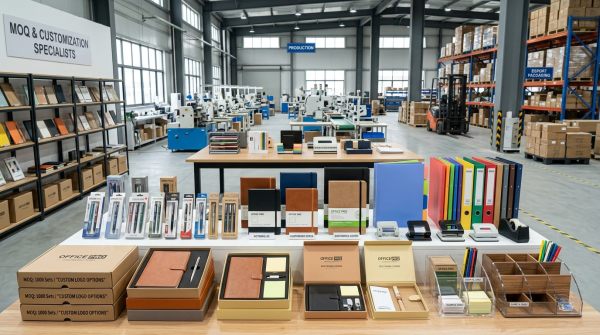
An office supplies OEM manufacturer produces goods according to a buyer’s specifications, brand requirements, packaging standards, and target price structure. In practical terms, this often includes logo printing, material substitution, color matching, packaging redesign, barcode labeling, carton marking, and in some cases retail-ready assortment planning for different sales channels.
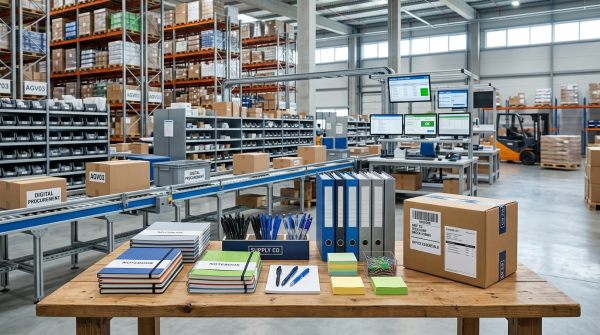
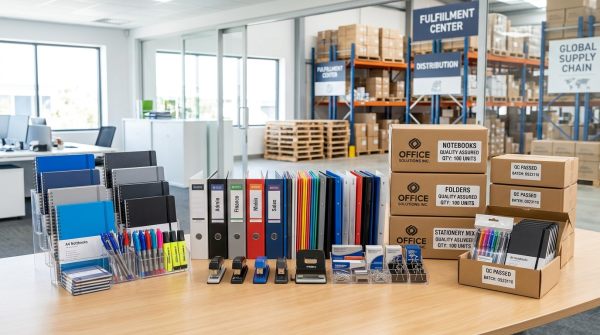
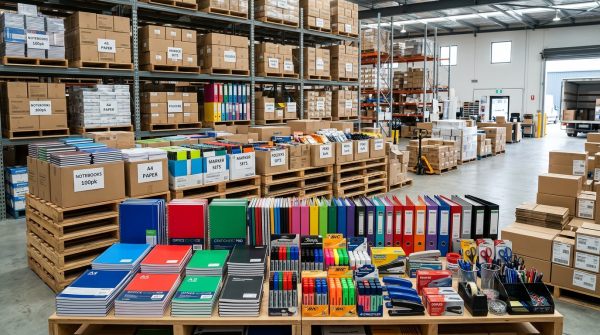
The model is especially common in categories with repeat demand and broad SKU variation. These include pens, markers, staplers, clips, folders, correction products, desktop organizers, adhesive notes, binders, scissors, and educational-office hybrid items. A factory may already produce 20–200 standard SKUs and adapt them to private label needs with moderate tooling or artwork changes.
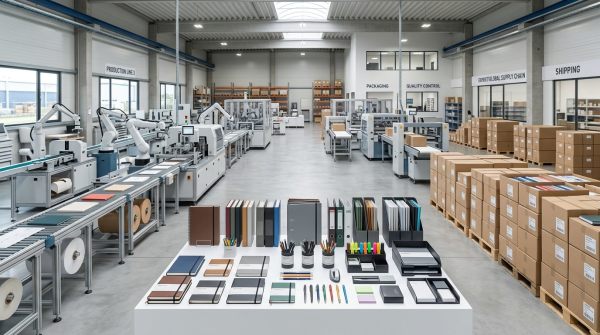
For B2B buyers, the appeal lies in avoiding the full burden of building an in-house production line. Instead of investing in machinery, labor, and compliance systems, a supplier can leverage a factory’s established process. This can reduce launch time from 6–12 months to 45–90 days for relatively simple office products, depending on artwork approval and packaging complexity.
However, not all OEM manufacturers operate at the same level. Some are strong in plastic injection office accessories, while others specialize in paper converting, metal fabrication, or multi-material assembly. A distributor that needs coordinated product ranges should therefore evaluate category depth, not just unit price. One capable office supplies manufacturer may handle 5 core categories well, while another is reliable only in 1 or 2.
Typical OEM scope in office supplies
Before comparing factories, buyers should define whether the project requires simple private labeling or deeper product customization. The distinction has a direct impact on MOQ, lead time, sampling cycles, and quality control checkpoints.
This table shows why supplier communication matters early. A buyer expecting a 30-day shipment may be realistic for packaging-only changes, but not for custom molds or mixed-material redesign. In office supplies sourcing, timelines often fail because product complexity was underestimated during quotation.
Who benefits most from OEM sourcing
- Distributors building private label programs for regional retail, wholesale, or institutional channels.
- Importers seeking cost-efficient alternatives to branded office products while maintaining acceptable quality benchmarks.
- Corporate procurement teams developing standardized office kits across multiple branches, campuses, or facilities.
- Cross-border sellers that need differentiated packaging, localized labeling, and controlled margin structures.
Key Advantages of Working With an Office Supplies OEM Manufacturer
The biggest commercial advantage is cost control. OEM sourcing often reduces per-unit purchasing cost by 10%–30% compared with branded imports, especially in high-volume categories such as notebooks, folders, clips, and writing instruments. The savings become more visible when annual purchasing volume exceeds 50,000–100,000 units across a stable assortment.
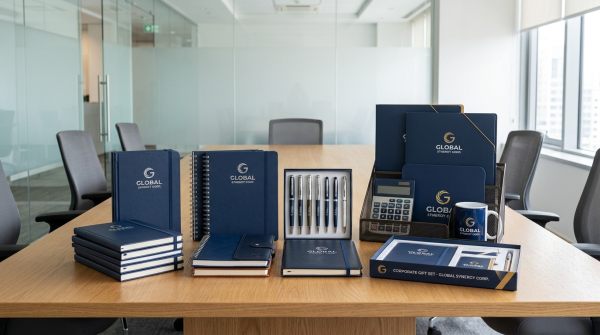
Customization is another strong benefit. Buyers can align products with sector-specific demand, such as smart campus starter kits, corporate onboarding packs, public administration filing systems, or hospitality back-office stationery bundles. Instead of selling generic products, distributors can create branded ranges with consistent color coding, packaging language, and channel-specific configurations.
OEM relationships also improve scaling flexibility when managed well. A competent factory can support volume ramp-up in peak seasons, for example back-to-school, annual procurement cycles, or end-of-year promotional campaigns. Buyers that plan 60–120 days ahead can often secure production slots, carton optimization, and mixed-SKU consolidation to lower landed cost.
Finally, the right office supplies factory can offer product development support that buyers do not have internally. This may include packaging engineering, raw material alternatives, durability testing suggestions, or advice on carton dimensions for pallet efficiency. For distributors with lean teams, these inputs can shorten the decision cycle by 2–3 procurement rounds.
Commercial benefits by buyer type
Different buyers gain different advantages from an office supplies OEM strategy. The table below helps clarify where the model creates the strongest business value.
The table makes one point clear: cost is only one part of the OEM decision. In office supplies procurement, packaging accuracy, barcode management, and repeat-order consistency can be just as important as the quoted price, especially for importers serving modern retail or contract supply channels.
Additional operational strengths
- Factories with in-house printing and packaging lines usually reduce coordination errors across 2–3 external vendors.
- Consolidated sourcing can simplify mixed-container loading for several office supply categories in one shipment.
- Long-term OEM partners may offer annual cost reviews, alternative materials, and phased MOQ adjustments after stable order history.
- Standardized QC plans can lower claim handling time and improve replacement response in future purchase cycles.
The Main Risks and Disadvantages Buyers Need to Manage
Quality inconsistency is the most common risk in office supplies OEM sourcing. A first sample may look acceptable, but mass production can differ in ink flow, page thickness, plastic brittleness, cutting precision, adhesive strength, or color stability. Even a small deviation, such as a 5% difference in paper weight or weak spring tension in a stapler, can trigger return issues in bulk orders.
Compliance is another concern, especially when products are sold into regulated markets or institutional channels. Depending on material type and destination market, buyers may need to check labeling rules, chemical restrictions, packaging requirements, or child-safety considerations for school-office crossover items. A reliable office supplies exporter should be able to discuss test scope clearly, not vaguely.
Delivery reliability can also become a hidden cost. A low-price factory may quote attractive numbers, but if production planning is weak, buyers face late shipments, partial completion, or rushed packaging. In seasonal office supply categories, a delay of 2–3 weeks can reduce sell-through sharply and force discounting. Landed cost then becomes worse than a slightly higher but more stable supplier option.
Intellectual property and channel overlap should not be ignored either. When artwork files, packaging layouts, or custom product concepts are shared without proper agreement terms, buyers may lose differentiation. This is especially relevant when the same factory supplies multiple importers in neighboring markets with similar product formats.
Common OEM risks in office supplies sourcing
A practical procurement team should map risks before placing the first order. The following comparison highlights recurring problem areas and realistic control actions.
The key lesson is that OEM risk is manageable, but only with process discipline. Many office supplies buyers focus on unit pricing first and document control later. In reality, specification sheets, carton standards, approval records, and inspection criteria should be finalized before deposit payment, not after production has started.
Warning signs during factory evaluation
- Quotations change repeatedly within 3–5 days without a clear explanation of material or packaging assumptions.
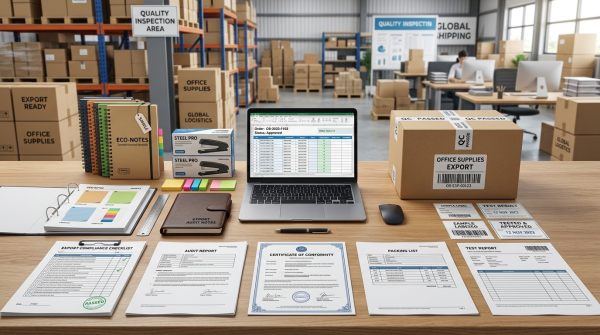
- Sample quality is acceptable, but the factory cannot provide a written quality checkpoint list for mass production.
- Lead time promises are unusually short, such as 10–15 days for complex assortments with custom packaging.
- The supplier hesitates when asked about subcontracting, component sourcing, or defect handling procedures.
How to Evaluate and Select the Right Office Supplies Factory
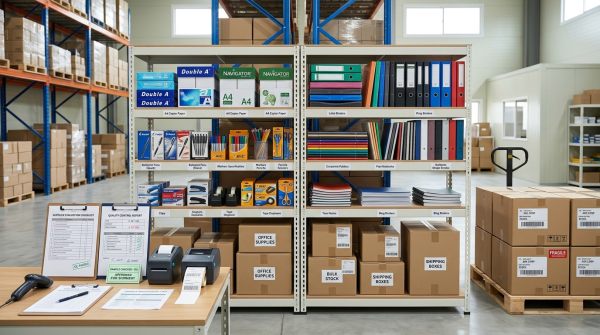
A strong office supplies OEM selection process usually covers 4 layers: product capability, commercial fit, quality assurance, and supply reliability. Buyers should not rely only on catalogs or online messaging. A real comparison requires sample assessment, specification validation, packaging review, and a written understanding of lead time milestones from order confirmation to shipment release.
Category matching matters first. A notebook converter may not be the best source for molded desktop accessories, even if pricing seems competitive. Buyers should shortlist manufacturers that already produce similar materials and formats at commercial scale. As a practical rule, at least 60%–70% of your target SKU profile should align with the factory’s existing production strengths.
Second, confirm whether the supplier can support your channel requirements. Retail packaging, institutional bulk packing, e-commerce ready cartons, and distributor master case labeling all require different execution standards. A capable office supplies manufacturer should be able to discuss carton drop resistance, pallet stacking logic, barcode placement, and packing ratio without confusion.
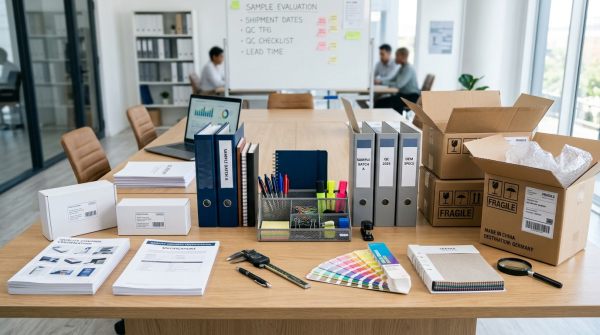
Third, buyers should build a sample-to-order approval process. That includes artwork sign-off, color references, function testing, packaging confirmation, and final production sample retention. Without this, even a good factory may produce acceptable but inconsistent batches. Repeatability, not just first impression, is what drives long-term OEM success.
A practical supplier scorecard
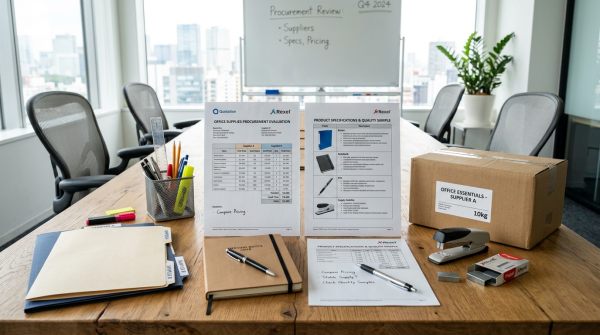
Using a weighted scorecard helps procurement teams compare office supplies exporters more objectively. The exact weighting may vary, but the following model works well for many B2B sourcing projects.
A scorecard reduces emotional decision-making. It also helps cross-functional teams align procurement, sales, and product management priorities. In many office supplies projects, the supplier with the lowest quote does not achieve the highest overall score once defect handling, MOQ pressure, and packaging accuracy are fully considered.
Five-step sourcing workflow
- Define the SKU list, target market, packaging format, annual volume range, and acceptable price band.
- Request samples from 3–5 shortlisted factories and compare functionality, finish, labeling, and pack-out detail.
- Review quotations with a full cost lens, including tooling, artwork setup, cartons, testing, and shipping assumptions.
- Confirm a written quality agreement with inspection points, tolerance levels, and replacement or claim handling terms.
- Start with a pilot order when possible, then evaluate on-time delivery, defect rate, and communication quality before expansion.
Implementation Tips, FAQ, and Final Buying Guidance
After selecting an office supplies OEM manufacturer, execution discipline becomes the next competitive advantage. Many sourcing programs fail not because the factory is incapable, but because product files, approval history, and replenishment logic are scattered across email threads. Buyers should centralize specifications, packaging artwork versions, carton markings, and sample records in one controlled workflow.
Forecasting is equally important. If reorder demand fluctuates heavily, buyers should classify SKUs into A, B, and C groups. High-turn items such as pens, files, and notebooks may justify rolling 60-day forecasts, while slower desk accessories may be ordered quarterly. This simple segmentation often improves production planning and lowers both stockout risk and excess inventory pressure.
For importers and distributors serving multiple regions, it is also wise to align OEM development with channel strategy. Retail packs, institutional bulk cartons, and promotional kits should not be treated as one format. The same office supplies factory may support all three, but each format needs separate artwork control, packing standards, and replenishment assumptions.
FAQ: How long is the typical lead time for office supplies OEM orders?
For standard products with logo and packaging updates only, production often takes around 25–45 days after sample approval and deposit receipt. If custom colors, new molds, or mixed-category consolidation are involved, the cycle can extend to 45–90 days. Buyers should also reserve a 7–14 day buffer for final inspection, document review, and shipping coordination.
FAQ: What MOQ should buyers expect?
MOQ varies widely by product type and packaging complexity. Simple private label stationery may start at 1,000–3,000 units per SKU, while custom-molded desk accessories or specialized packaging programs may require 5,000 units or more. Buyers should ask whether MOQ applies per color, per design, or per order, as this affects actual inventory commitment.
FAQ: Which quality indicators matter most in office supplies?
The most relevant indicators depend on category. For paper items, check basis weight, opacity, binding strength, and cutting consistency. For writing tools, review ink performance, drying behavior, tip durability, and leakage control. For plastic or metal desktop products, focus on dimensional consistency, hinge or spring performance, burr-free edges, and packaging protection during transport.
FAQ: What is the most common buyer mistake?
A frequent mistake is approving a good sample without locking the full production standard. Buyers should preserve a golden sample, approved artwork files, carton specifications, and acceptable tolerance notes before bulk production begins. Without that documentation, disputes over shade variation, component substitution, or pack-out errors become difficult to resolve efficiently.
Final decision checklist
- Compare at least 3 factories on category fit, not just unit cost.
- Validate lead times against actual customization scope and seasonality.
- Document MOQ, packaging details, quality tolerances, and claim procedures in writing.
- Use a pilot order or phased rollout before committing to broad SKU expansion.
- Review whether the supplier can support long-term branding, replenishment, and multi-channel packaging needs.
An office supplies OEM manufacturer can be a powerful growth partner when the relationship is built on clear specifications, realistic lead times, and disciplined quality control. The real advantages are stronger margins, tailored product lines, and scalable supply. The real risks are avoidable when buyers evaluate factories with commercial rigor instead of price alone.
For sourcing teams, distributors, and procurement professionals looking to build reliable office supplies programs, a structured OEM strategy creates better long-term value than ad hoc buying. If you are assessing manufacturers, comparing factory capabilities, or planning a private label office supplies range, contact us to discuss your sourcing priorities, request a tailored solution, or learn more about practical supply options for your market.
Search News
Hot Articles
- Stage Lighting & Truss2026 FIBA Women's World Cup Draw Sets LED Timing Screen RequirementsApr 27, 2026
- Hotel Room AmenitiesIranian Delegation’s Ritual Gesture at Sanya ASG Sparks Mideast Hospitality Procurement ShiftApr 27, 2026
- Arcade & VR MachinesSnooker World Championship 'China Derby' Drives VR Viewing DemandApr 27, 2026
Popular Tags
Need ExpertConsultation?
Connect with our specialized leisureengineering team for procurementstrategies.
Recommended News
 Apr 28, 2026How to Shortlist an Office Supplies WholesalerOffice supplies wholesaler selection starts with the right criteria. Learn how to compare an office supplies supplier, distributor, or manufacturer for cost, quality, compliance, and scalable B2B sourcing.● Institutional Buyer
 Apr 28, 20262026 Office Supplies Supplier Trends to WatchExplore 2026 office supplies supplier trends and learn how every office supplies wholesaler, distributor, and manufacturer can improve sourcing, compliance, fulfillment, and OEM growth.● Institutional Buyer
 Apr 28, 2026What to Check Before Choosing an ExporterOffice supplies supplier and exporter checklist: compare quality, compliance, lead times, MOQ, and service to choose a reliable office supplies manufacturer or wholesaler with confidence.● Institutional Buyer
 Apr 28, 2026Can an Office Supplies Producer Improve MarginsCan an office supplies producer improve margins? Learn how an office supplies manufacturer, supplier, and exporter boosts profit through smarter sourcing, lean production, and OEM value.● Institutional Buyer
 Apr 28, 2026How Bulk Suppliers Handle Custom PackingOffice supplies supplier insights: learn how an office supplies wholesaler, distributor, or OEM manufacturer manages custom packing to reduce risk, control cost, and improve delivery.● Institutional Buyer
 Apr 28, 2026Office Supplies OEM Manufacturer Pros and ConsOffice supplies OEM manufacturer pros and cons explained for every office supplies supplier, wholesaler, distributor, and B2B buyer—compare cost, quality, MOQ, and delivery before sourcing.● Institutional Buyer
 Apr 28, 2026Who Needs an Office Supplies B2B SupplierOffice supplies supplier guide for procurement teams, distributors, and institutions. Learn when to choose an office supplies wholesaler or manufacturer for stable supply and better B2B sourcing.● Institutional Buyer
 Apr 28, 2026How to Avoid Risks With Office Supplies FactoriesOffice supplies supplier risk guide: learn how to vet an office supplies manufacturer, wholesaler, distributor, or factory for quality, compliance, OEM reliability, and on-time delivery.● Institutional Buyer
 Apr 27, 2026Office Supplies Manufacturer MOQ ExplainedOffice supplies manufacturer MOQ explained: compare an office supplies supplier, wholesaler, distributor, OEM manufacturer, and factory to reduce cost, improve flexibility, and source smarter.● Institutional Buyer
 Apr 27, 2026Distributor or Supplier for Fast ReordersOffice supplies supplier or distributor for fast reorders? Compare lead times, stock stability, and bulk supply options to choose a reliable office supplies B2B supplier.● Institutional Buyer
 Apr 27, 2026How Wholesalers Cut Office Supply CostsOffice supplies supplier and office supplies wholesaler solutions help cut costs through bulk buying, OEM options, and smarter sourcing. Compare distributors and manufacturers to save more.● Institutional Buyer
 Apr 27, 2026Office Supplies Supplier Pricing Red FlagsOffice supplies supplier pricing red flags explained: compare an office supplies wholesaler, distributor, or manufacturer, spot hidden risks, and choose a reliable B2B partner with confidence.● Institutional Buyer
 Apr 27, 2026How to Vet an Office Supplies ExporterOffice supplies supplier vetting made simple: learn how to assess an office supplies exporter, manufacturer, wholesaler, and distributor for quality, compliance, and reliable B2B growth.● Institutional Buyer
 Apr 27, 2026What to Ask an Office Supplies Producer FirstOffice supplies supplier screening starts with the right questions. Learn how to evaluate an office supplies manufacturer, wholesaler, or producer on quality, OEM, compliance, pricing, and delivery.● Institutional Buyer
 Apr 27, 2026How to Compare Office Supplies Bulk SuppliersCompare every office supplies supplier model—wholesaler, distributor, OEM manufacturer, and bulk supplier—to evaluate quality, compliance, lead times, and costs for smarter B2B sourcing.● Institutional Buyer
 Apr 27, 2026Is an Office Supplies OEM Manufacturer Worth ItOffice supplies OEM manufacturer or standard sourcing? Compare an office supplies supplier, wholesaler, and distributor to find the best B2B fit for cost, branding, and scalable growth.● Institutional Buyer
 Apr 27, 2026Best Office Supplies B2B Supplier for ScaleFind the best office supplies B2B supplier for scale. Compare an office supplies supplier, wholesaler, distributor, and OEM manufacturer to secure reliable bulk sourcing and growth.● Institutional Buyer
 Apr 27, 2026Office Supplies Factory Audit ChecklistOffice supplies factory audit checklist for choosing a reliable office supplies manufacturer, supplier, or OEM partner. Learn key quality, compliance, and capacity checks before sourcing.● Institutional Buyer
 Apr 27, 2026When to Work With an Office Supplies ManufacturerOffice supplies manufacturer or office supplies supplier? Learn when to source direct, compare wholesaler vs OEM options, and improve cost, quality, and supply stability.● Institutional Buyer
 Apr 27, 2026What Makes a Reliable Office Supplies DistributorDiscover what sets a reliable office supplies distributor apart. Compare an office supplies supplier, wholesaler, or B2B supplier by quality, lead times, inventory, and global delivery.● Institutional Buyer
 Apr 27, 2026Office Supplies Wholesaler vs DistributorOffice supplies wholesaler vs distributor: learn how an office supplies supplier, distributor, or manufacturer impacts pricing, lead time, and growth—choose the best B2B sourcing model.● Institutional Buyer
 Apr 27, 2026How to Choose an Office Supplies SupplierLearn how to choose the right office supplies supplier by comparing an office supplies wholesaler, distributor, manufacturer, or B2B supplier for quality, price, delivery, and growth.● Institutional Buyer
 Apr 24, 2026How to Pick Educational Supplies by AgeEducational supplies by age: discover how commercial furniture, sensory playground designs, playground safety, climbers, borders, music accessories, hotel tables and amusement equipment improve ROI.● Institutional Buyer
 Apr 24, 2026Educational Supplies That Schools Reorder MostEducational supplies schools reorder most: from commercial furniture support and music accessories to playground safety, playground borders, and sensory playground essentials—discover high-demand categories buyers need year-round.● Institutional Buyer