Best Office Supplies B2B Supplier for Scale
Choosing the best office supplies B2B supplier is critical for buyers seeking quality, consistency, and scalable sourcing. Whether you need an office supplies wholesaler, office supplies distributor, or office supplies OEM manufacturer, the right partner can streamline procurement, control costs, and support long-term growth. This guide helps procurement teams, distributors, and evaluators identify a reliable office supplies supplier for global business expansion.
What makes an office supplies B2B supplier suitable for scale?
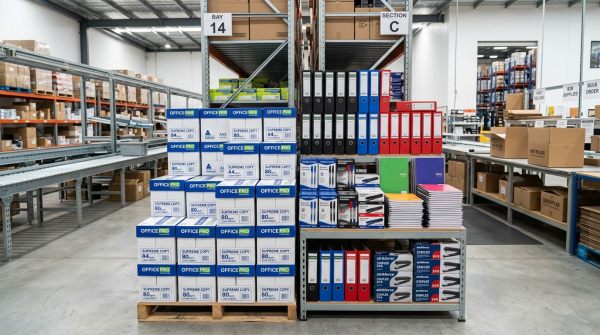
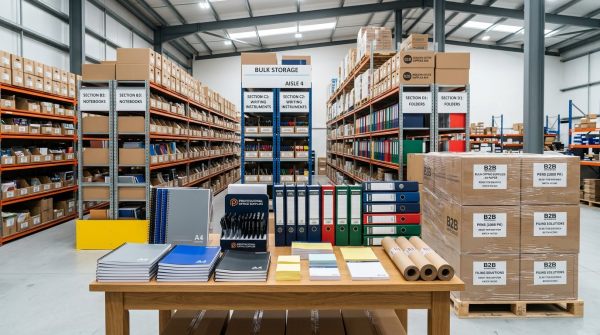
A scalable office supplies supplier is not simply a vendor with a large catalog. For B2B buyers, scale means the ability to support multi-site demand, stable replenishment cycles, consistent product specifications, and controlled lead times across different order volumes. In practical terms, buyers often need support for small trial orders, mid-volume monthly restocking, and large project-based procurement within the same supply relationship.
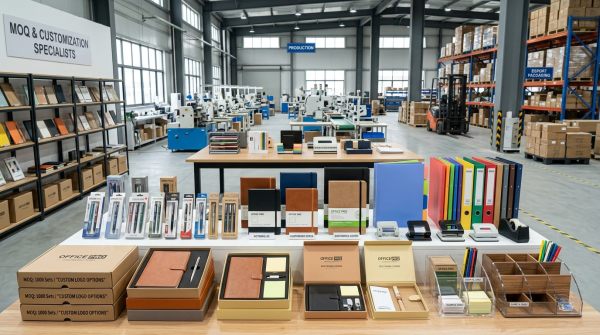
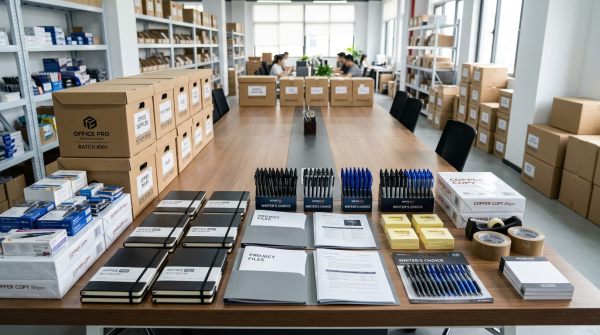
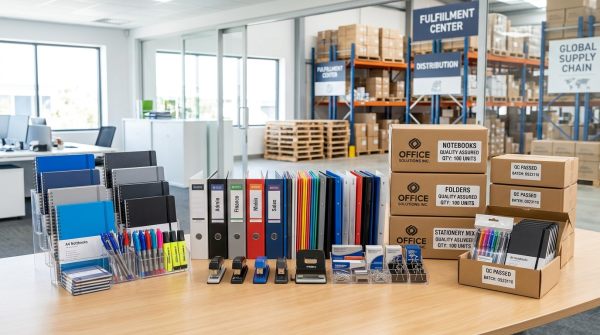
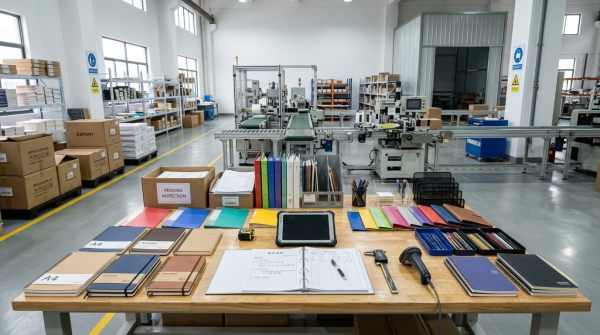
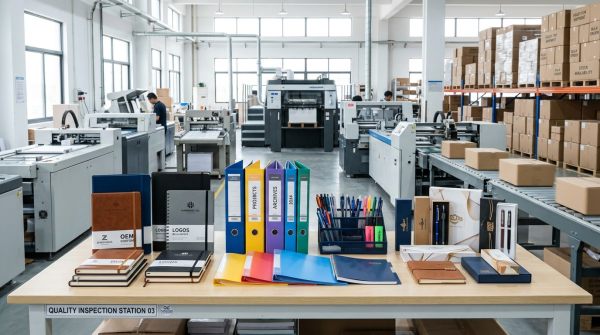
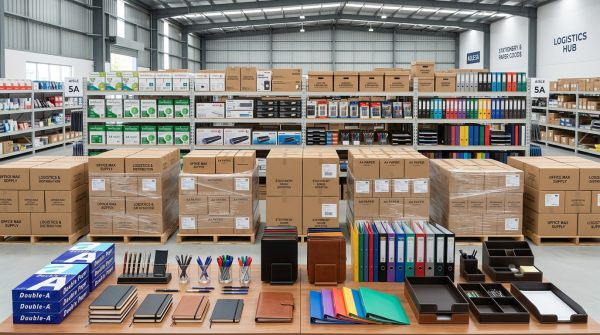
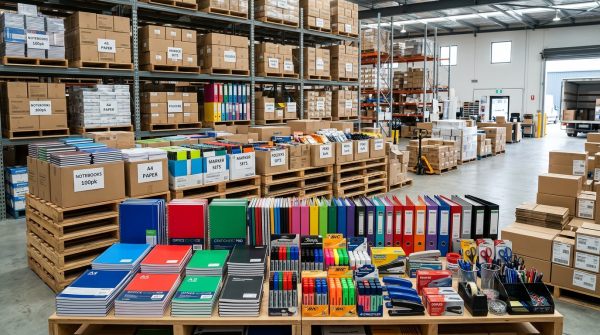
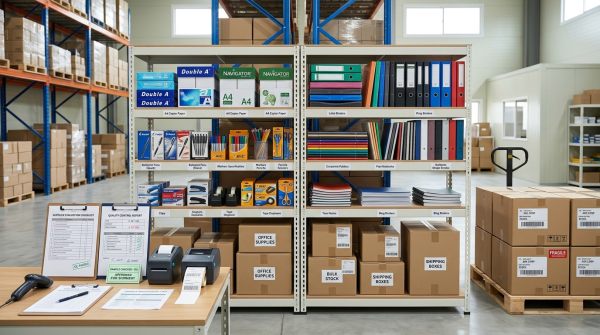
In the office supplies industry, the product mix is broad: paper products, writing instruments, filing systems, desktop accessories, school and educational supplies, and increasingly, customized branding items. A supplier that serves scale must manage SKU complexity, packaging accuracy, and country-specific compliance expectations. Typical replenishment planning may run on 30-day, 60-day, or 90-day cycles, depending on buyer category and warehouse strategy.
This is where Global Commercial Trade (GCT) adds value for sourcing teams. GCT is built for commercial buyers who need more than a product list. Its sector-specific intelligence for office and educational supplies helps information researchers, procurement managers, business evaluators, and distributors compare sourcing models, assess OEM or ODM suitability, and reduce the risk of choosing a supplier that performs well only at sample stage but fails under volume expansion.
When evaluating a commercial office supplies wholesaler or distributor, buyers should focus on 4 core factors: supply continuity, specification consistency, compliance readiness, and service responsiveness. If even one of these areas is weak, growth becomes expensive. Delayed deliveries, mixed quality batches, and incomplete export paperwork often create hidden costs that exceed any initial unit-price advantage.
Key signals that a supplier can support growth
- The supplier can handle at least 3 order patterns: sample validation, recurring replenishment, and project-volume procurement.
- Product specifications remain stable across batches, especially for paper weight, ink performance, packaging count, and labeling details.
- Lead time communication is clear, with realistic windows such as 7–15 days for stocked items and 20–45 days for customized orders.
- The supplier can support distributor and reseller needs, including private label packaging, carton marking, and export documentation.
How should buyers compare wholesaler, distributor, and OEM office supplies models?
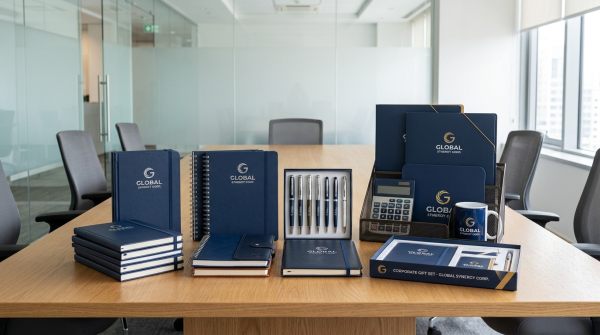
Many sourcing problems begin with using the wrong supply model. An office supplies wholesaler is often best for ready-stock purchasing and broad assortment access. An office supplies distributor may offer regional inventory support, faster local delivery, and after-sales coordination. An office supplies OEM manufacturer is usually the strongest fit when the buyer needs custom branding, packaging control, or differentiated specifications for channel development.
The best choice depends on business stage. Information researchers may start with broad market scanning. Procurement officers usually prioritize delivery reliability and total landed cost. Business evaluators often look deeper into supply resilience, quality systems, and contract flexibility. Distributors and agents focus heavily on margin protection, private label opportunities, and repeatability across 6-month to 12-month sales cycles.
GCT helps buyers compare these models in a more commercial way. Instead of viewing suppliers only by product category, it supports evaluation through buyer intent: bulk replenishment, tender participation, branded resale, campus or institutional outfitting, and multi-country sourcing. This makes the sourcing process more efficient because the supplier model is matched to the actual growth plan.
The table below outlines the practical differences among the main office supplies B2B sourcing routes. It is useful for teams that need to decide whether speed, customization, channel control, or inventory flexibility matters most in the next 1–2 procurement cycles.
For many scale-oriented buyers, the ideal answer is not a single model. A hybrid approach is common: use wholesalers for urgent replenishment, distributors for regional servicing, and OEM manufacturing for strategic product lines. That mix is especially effective for dealers and institutional procurement teams that need both continuity and commercial differentiation.
A simple decision path
If speed is the first priority
Choose a wholesaler or stocking distributor. This is often the best path when a buyer needs common office products within 7–15 days and can accept standard packaging.
If brand control is the first priority
Choose an OEM office supplies manufacturer. This route fits distributors, importers, and retail channels that need logo printing, custom sets, or packaging adapted to local shelf, tender, or education-market needs.
What should procurement teams check before selecting an office supplies supplier?
A strong procurement decision depends on more than sample quality. Office supplies are often viewed as low-risk, but for large organizations they create high operational exposure because of recurring volume, user expectations, and category diversity. A poor supplier choice can affect classrooms, offices, hospitality back offices, co-working spaces, and commercial administration points across dozens or even hundreds of locations.
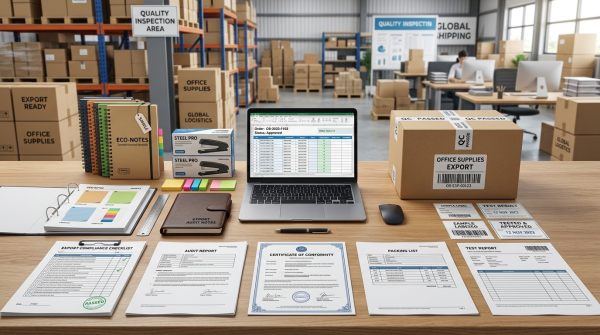
Procurement teams should assess at least 5 key checkpoints: product consistency, category depth, lead time reliability, packaging accuracy, and document readiness. For international trade, it is also wise to confirm carton labeling rules, harmonized shipping descriptions, and any buyer-specific requirements linked to safety, material declarations, or local packaging regulations.
GCT supports this evaluation process by connecting sourcing decisions with commercial use cases. A smart campus project does not buy the same way as a regional distributor. A hotel group back-office requirement differs from a school-supply import program. The supplier must match the procurement environment, not just the item description.
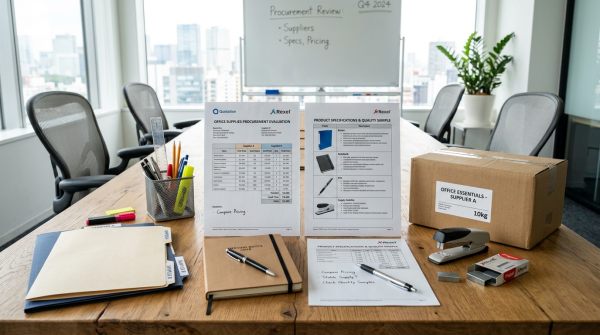
The following selection table helps buyers score a potential office supplies B2B supplier using practical procurement criteria. It can be used during RFQ review, factory screening, or distributor onboarding in a 3-step process: pre-qualification, sample validation, and commercial negotiation.
A buyer does not always need the lowest price. More often, the better commercial result comes from fewer stockouts, cleaner packaging, and steadier reorder performance over 2–4 quarters. That is why procurement teams should compare total operating impact, not only the initial quotation line.
Practical procurement checklist
- Confirm whether the supplier supports standard items, custom items, or both.
- Request batch-level specification details for high-rotation categories.
- Review realistic lead times for stock orders versus OEM orders.
- Check whether sample approval and bulk order approval follow the same specification file.
- Clarify packaging counts, barcode format, carton marks, and shipping terms before order confirmation.
Which compliance and quality details matter in office supplies sourcing?
Office supplies may appear straightforward, but compliance can become complex when products are sold across different markets or used in schools, institutions, and branded commercial environments. Requirements vary by product type. Paper products, adhesives, markers, plastics, metal parts, coatings, and packaging materials may each carry different buyer expectations or importer review points.
For this reason, buyers should ask targeted questions instead of generic ones. A notebook program may require confirmation of paper weight range and print quality. A whiteboard marker line may need attention to ink performance and packaging language. A filing accessory item may require material clarity and carton-drop suitability for warehouse handling. The correct quality review differs by use case and by sales channel.
GCT’s industry focus helps buyers narrow these issues earlier in the sourcing process. Rather than treating compliance as a late-stage document request, GCT’s sourcing approach encourages alignment during supplier screening, sample development, and quotation review. That can save 1–3 rounds of back-and-forth revision, especially for custom office supplies programs or export-focused distributor orders.
The table below highlights common quality and compliance checkpoints that commercial buyers often review when selecting an office supplies supplier for cross-border trade, education supply, hospitality back-office use, or distributor resale.
Not every project requires the same documentation depth. However, for institutional buyers and distributors, asking the right compliance questions early reduces operational friction later. It also helps protect channel reputation when products move through multiple warehouses or sales partners over 6–12 months.
Common quality risks buyers overlook
- Approving a sample without locking the exact bulk-order specification.
- Ignoring packaging durability for export cartons and pallet movement.
- Assuming all office supplies categories follow the same compliance review path.
- Focusing only on unit price while missing the cost of inconsistent batch performance.
How can distributors, institutional buyers, and project teams reduce sourcing risk?
Risk control in office supplies sourcing is usually about process discipline. The most common failure points are unclear specifications, unrealistic delivery expectations, poor packaging instructions, and weak communication between sample approval and mass production. For recurring supply programs, even small mismatches in carton count or item labeling can create warehouse confusion every month.
A safer sourcing method uses 4 stages: requirement mapping, supplier shortlisting, sample verification, and order execution review. Each stage should have a decision owner. Researchers define market options. Procurement teams confirm commercial fit. Evaluators review supply resilience. Distributors or channel teams validate packaging, branding, and resale suitability. This division avoids rushed decisions based on one perspective only.
GCT is especially relevant for this multi-role process because it bridges editorial intelligence and sourcing practicality. Buyers do not just need product availability; they need a structured way to evaluate whether a supplier can support modern commercial experiences, from smart campuses and shared offices to hospitality administration spaces and specialty institutional environments.
For growing buyers, the question is not only “Can this supplier ship now?” It is also “Can this office supplies B2B supplier still perform after 3 reorder cycles, 2 packaging changes, and one market expansion?” That is the more useful test for scale.
Risk-reduction actions before placing a bulk order
- Create a master specification sheet covering item details, pack count, carton marks, and approved materials.
- Separate stock items from custom items to avoid confusion on lead time and MOQ.
- Set milestone dates for sample approval, production start, inspection review, and shipping release.
- Review total landed cost, including packaging adjustments, labeling requests, and rework risk.
FAQ for office supplies B2B sourcing
How long is the typical delivery cycle for office supplies?
For standard stocked products, buyers often see dispatch or preparation windows of 7–15 days, depending on order mix and warehouse readiness. For private label or OEM office supplies, development and production may take 20–45 days or longer if packaging approval, artwork revision, or material substitution is involved.
What is the most common mistake when choosing an office supplies supplier?
The most common mistake is comparing quotations without aligning specifications. A lower price may reflect a different paper weight, different pack count, lighter plastic thickness, or simpler packaging standard. Buyers should compare like-for-like specifications before evaluating price competitiveness.
Is OEM always better for distributors?
Not always. OEM is stronger when a distributor wants private label control, tailored packaging, and product differentiation over 2–4 selling seasons. If the priority is immediate turnover and lower setup complexity, a wholesaler or local distributor may be the more efficient route.
Which buyers benefit most from GCT’s sourcing approach?
GCT is especially valuable for buyers who need structured evaluation rather than simple catalog access. This includes institutional sourcing teams, project procurement departments, cross-border distributors, and business evaluators comparing supplier models for office and educational supplies in commercial environments.
Why work with GCT when evaluating office supplies suppliers?
GCT is positioned for buyers who need informed sourcing decisions in complex commercial sectors. In office and educational supplies, that means helping teams move beyond surface-level supplier lists and toward sourcing frameworks that support quality control, compliance awareness, and scalable commercial planning. This is particularly useful when buyers manage multi-category procurement or need to assess both stock supply and OEM capability.
For information researchers, GCT helps narrow the market faster. For procurement teams, it supports structured comparison and clearer RFQ preparation. For business evaluators, it highlights operational fit, not just product availability. For distributors and agents, it improves visibility into packaging customization, branding potential, and supplier suitability for channel growth over the next 6–12 months.
If you are reviewing an office supplies wholesaler, office supplies distributor, or office supplies OEM manufacturer, GCT can help you evaluate practical decision points: category coverage, product specification alignment, delivery cycle expectations, customization options, and documentation readiness. This shortens the gap between market research and purchase execution.
The most productive next step is a focused sourcing discussion. Share your target product categories, expected order volume, delivery destination, and whether you need stock supply, private label support, or a mixed sourcing model. That makes it easier to assess sample support, quotation structure, lead time range, packaging requirements, and certification-related questions before commercial commitment.
What you can discuss with GCT
- Product selection for paper goods, writing instruments, filing items, and mixed office supply programs.
- Supplier model choice: wholesaler, distributor, OEM manufacturer, or hybrid sourcing structure.
- Lead time planning for standard procurement cycles, urgent replenishment, and custom packaging orders.
- Sample arrangements, packaging confirmation, labeling details, and export document expectations.
- Quotation review, MOQs, customization feasibility, and buyer-side compliance questions.
If your goal is to build a dependable office supplies supply chain for scale, a structured evaluation now will save time, cost, and operational friction later. A good office supplies B2B supplier should not only meet today’s order. It should also support your next market, next channel, and next phase of growth.
Search News
Hot Articles
- Stage Lighting & Truss2026 FIBA Women's World Cup Draw Sets LED Timing Screen RequirementsApr 27, 2026
- Hotel Room AmenitiesIranian Delegation’s Ritual Gesture at Sanya ASG Sparks Mideast Hospitality Procurement ShiftApr 27, 2026
- Arcade & VR MachinesSnooker World Championship 'China Derby' Drives VR Viewing DemandApr 27, 2026
Popular Tags
Need ExpertConsultation?
Connect with our specialized leisureengineering team for procurementstrategies.
Recommended News
 Apr 27, 2026Office Supplies Manufacturer MOQ ExplainedOffice supplies manufacturer MOQ explained: compare an office supplies supplier, wholesaler, distributor, OEM manufacturer, and factory to reduce cost, improve flexibility, and source smarter.● Institutional Buyer
 Apr 27, 2026Distributor or Supplier for Fast ReordersOffice supplies supplier or distributor for fast reorders? Compare lead times, stock stability, and bulk supply options to choose a reliable office supplies B2B supplier.● Institutional Buyer
 Apr 27, 2026How Wholesalers Cut Office Supply CostsOffice supplies supplier and office supplies wholesaler solutions help cut costs through bulk buying, OEM options, and smarter sourcing. Compare distributors and manufacturers to save more.● Institutional Buyer
 Apr 27, 2026Office Supplies Supplier Pricing Red FlagsOffice supplies supplier pricing red flags explained: compare an office supplies wholesaler, distributor, or manufacturer, spot hidden risks, and choose a reliable B2B partner with confidence.● Institutional Buyer
 Apr 27, 2026How to Vet an Office Supplies ExporterOffice supplies supplier vetting made simple: learn how to assess an office supplies exporter, manufacturer, wholesaler, and distributor for quality, compliance, and reliable B2B growth.● Institutional Buyer
 Apr 27, 2026What to Ask an Office Supplies Producer FirstOffice supplies supplier screening starts with the right questions. Learn how to evaluate an office supplies manufacturer, wholesaler, or producer on quality, OEM, compliance, pricing, and delivery.● Institutional Buyer
 Apr 27, 2026How to Compare Office Supplies Bulk SuppliersCompare every office supplies supplier model—wholesaler, distributor, OEM manufacturer, and bulk supplier—to evaluate quality, compliance, lead times, and costs for smarter B2B sourcing.● Institutional Buyer
 Apr 27, 2026Is an Office Supplies OEM Manufacturer Worth ItOffice supplies OEM manufacturer or standard sourcing? Compare an office supplies supplier, wholesaler, and distributor to find the best B2B fit for cost, branding, and scalable growth.● Institutional Buyer
 Apr 27, 2026Best Office Supplies B2B Supplier for ScaleFind the best office supplies B2B supplier for scale. Compare an office supplies supplier, wholesaler, distributor, and OEM manufacturer to secure reliable bulk sourcing and growth.● Institutional Buyer
 Apr 27, 2026Office Supplies Factory Audit ChecklistOffice supplies factory audit checklist for choosing a reliable office supplies manufacturer, supplier, or OEM partner. Learn key quality, compliance, and capacity checks before sourcing.● Institutional Buyer
 Apr 27, 2026When to Work With an Office Supplies ManufacturerOffice supplies manufacturer or office supplies supplier? Learn when to source direct, compare wholesaler vs OEM options, and improve cost, quality, and supply stability.● Institutional Buyer
 Apr 27, 2026What Makes a Reliable Office Supplies DistributorDiscover what sets a reliable office supplies distributor apart. Compare an office supplies supplier, wholesaler, or B2B supplier by quality, lead times, inventory, and global delivery.● Institutional Buyer
 Apr 27, 2026Office Supplies Wholesaler vs DistributorOffice supplies wholesaler vs distributor: learn how an office supplies supplier, distributor, or manufacturer impacts pricing, lead time, and growth—choose the best B2B sourcing model.● Institutional Buyer
 Apr 27, 2026How to Choose an Office Supplies SupplierLearn how to choose the right office supplies supplier by comparing an office supplies wholesaler, distributor, manufacturer, or B2B supplier for quality, price, delivery, and growth.● Institutional Buyer
 Apr 24, 2026How to Pick Educational Supplies by AgeEducational supplies by age: discover how commercial furniture, sensory playground designs, playground safety, climbers, borders, music accessories, hotel tables and amusement equipment improve ROI.● Institutional Buyer
 Apr 24, 2026Educational Supplies That Schools Reorder MostEducational supplies schools reorder most: from commercial furniture support and music accessories to playground safety, playground borders, and sensory playground essentials—discover high-demand categories buyers need year-round.● Institutional Buyer
 Apr 23, 2026How to Compare Educational Supplies Beyond Unit PriceEducational supplies buying guide: compare commercial furniture, sensory playground, music accessories, and playground safety beyond unit price to cut risk and boost long-term value.● Institutional Buyer
 Apr 23, 2026Educational Supplies That Wear Out Fast in Shared UseEducational supplies wear out fast in shared spaces. Learn how commercial furniture, music accessories, playground borders, playground climbers, sensory playground systems, and playground safety solutions reduce risk and replacement costs.● Institutional Buyer
 Apr 22, 2026When Cheap Office Supplies End Up Costing MoreOffice supplies that seem cheap can cost more over time for trampoline park, indoor playground, arcade games, musical instruments, and luxury jewelry businesses—discover smarter sourcing tips.● Institutional Buyer
 Apr 22, 2026Office Supplies Costs That Quietly Add Up Over a YearOffice supplies costs can quietly rise alongside arcade games, musical instruments, indoor playground and trampoline park operations. Discover smarter sourcing to protect margins.● Institutional Buyer
 Apr 21, 2026Office supplies wholesaler terms that cause reorder problemsOffice supplies wholesaler terms can quietly trigger costly reorders. Learn how a reliable office supplies supplier should handle MOQ, lead times, substitutions, and pricing before you sign.● Institutional Buyer
 Apr 21, 2026The hidden service gaps between office supplies suppliersOffice supplies supplier insights: uncover hidden service gaps in office supplies wholesaler selection, plus sourcing links to musical instruments for bands, custom jewelry manufacturer, and indoor playground supplier.● Institutional Buyer
 Apr 24, 2026Why office supplies wholesalers vary so much on MOQ and lead timeOffice supplies supplier insights: learn why an office supplies wholesaler differs on MOQ and lead time, and compare sourcing logic across custom jewelry manufacturer and indoor playground supplier options.● Institutional Buyer
 Apr 24, 2026How to compare an office supplies supplier beyond priceCompare an office supplies supplier beyond price—evaluate quality, compliance, customization, and delivery. Learn how the right office supplies wholesaler reduces risk and boosts long-term value.● Institutional Buyer