Educational Supplies That Schools Reorder Most
From classroom basics to specialist tools, educational supplies are among the most frequently reordered products in schools because they directly affect learning continuity, safety, and daily operations. For procurement teams and distributors evaluating demand, understanding how educational supplies connect with commercial furniture, music accessories, playground safety, sensory playground features, and playground borders helps reveal which categories deliver steady volume, long-term value, and reliable sourcing opportunities.
In practical procurement terms, the educational supplies that schools reorder most are not always the most expensive items. They are the products with high daily usage, predictable wear, curriculum dependency, compliance relevance, and recurring replacement cycles. For buyers, distributors, and market researchers, the most important question is not simply “what do schools buy?” but “which categories generate repeat purchasing, why do they reorder, and how should supply partners position around those needs?”
What schools reorder most, and why these categories stay in constant demand
Schools typically reorder products that support uninterrupted teaching, student safety, classroom organization, and shared-use environments. The strongest repeat-demand categories usually include core classroom consumables, writing and paper products, art materials, storage and organization items, early years learning tools, music accessories, library and office support products, janitorial-adjacent classroom necessities, and selected playground-related safety components.
The reason these products move repeatedly is straightforward:
- They are used daily by large groups of students.
- They wear out faster than fixed equipment.
- They are tied directly to curriculum delivery.
- They must meet hygiene or safety expectations.
- They are often budgeted as recurring operational spend rather than one-time capital investment.
For procurement teams, this means reorder behavior is usually driven by operational necessity, not impulse buying. For suppliers and distributors, these recurring categories often offer more stable revenue than occasional large-ticket projects.
High-frequency educational supplies that usually generate repeat orders
Across K-12 schools, preschools, special education environments, and institutional learning spaces, the following groups are among the most reordered educational supplies.
1. Writing, paper, and classroom consumables
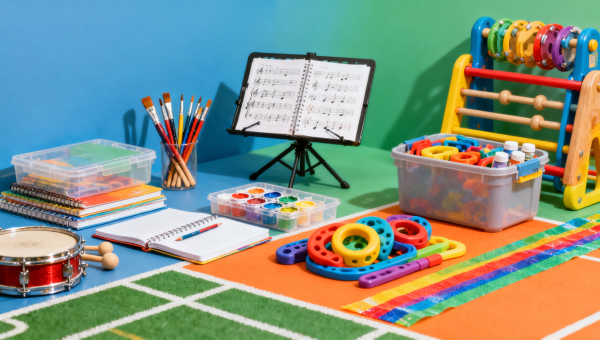
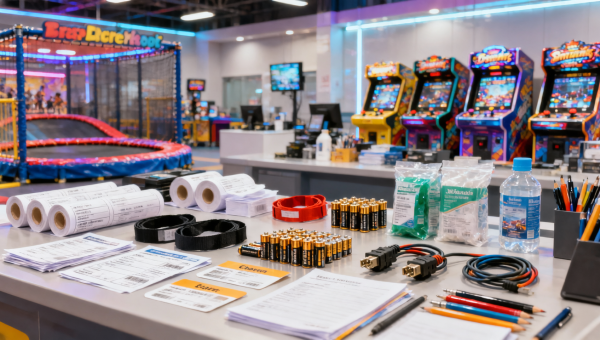
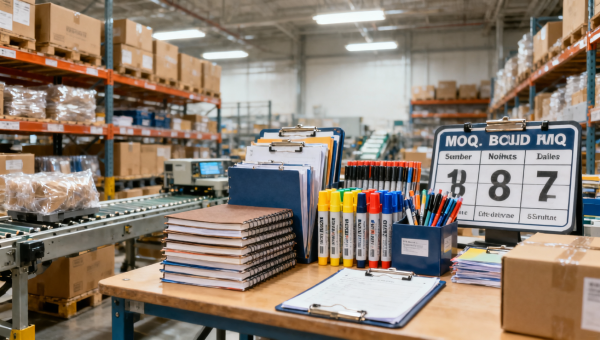
These remain the backbone of repeat school purchasing. Typical items include notebooks, copier paper, exercise books, markers, pens, pencils, crayons, whiteboard supplies, glue sticks, scissors, folders, labels, and laminating consumables.
Why they reorder often:
- High daily usage across nearly every grade level.
- Loss, breakage, and depletion are unavoidable.
- Standardization across classrooms simplifies reordering.
2. Art and creative learning materials
Paints, brushes, modeling materials, craft paper, cutting tools, display supplies, and classroom project resources are often reordered throughout the academic year. Art departments may place planned recurring orders, while general classroom teachers often need flexible top-up purchases.
What matters to buyers:
- Non-toxic certification
- Age-appropriate design
- Consistent color and quality
- Bulk-pack efficiency
3. Early learning and specialist teaching aids
Manipulatives, flashcards, sensory tools, literacy kits, numeracy resources, STEM classroom accessories, and teacher demonstration materials often show strong reorder demand, especially when linked to structured learning programs.
These products are attractive for distributors because they can combine repeat sales with higher-value specialist lines.
4. Storage, organization, and classroom support items
Tray systems, book bins, mobile organizers, supply caddies, classroom labels, and replacement parts for educational storage systems are often underestimated in demand analysis. However, schools reorder these products to maintain efficient learning environments and replace damaged or missing components.
5. Music accessories and practice support products
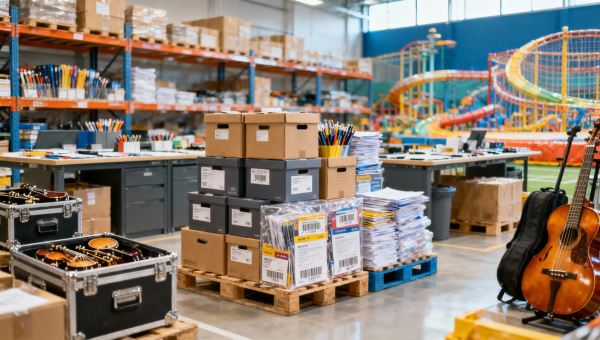
In schools with music programs, recurring demand often appears in lower-cost accessories rather than instruments themselves. This includes music stands, sheet protectors, maintenance kits, cases, cables, reeds, drumsticks, tuners, and classroom percussion accessories.
For suppliers serving both educational and entertainment-related channels, music accessories can be an important bridge category with reliable institutional reorder patterns.
6. Playground safety and replacement components
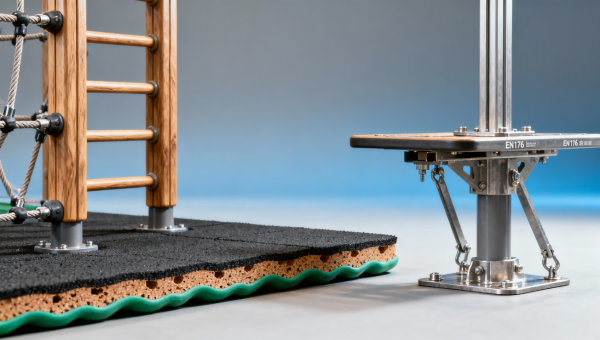
Although not usually classified as traditional classroom stationery, many schools regularly reorder safety-related outdoor products such as surface repair materials, signage, replacement edging, protective accessories, and components related to playground borders. These items support compliance, safe circulation, and maintenance of student recreation areas.
This is particularly relevant in the broader sports and entertainment context, where school campuses increasingly view outdoor play and recreation as part of the overall learning experience.
How reordering behavior differs by product type
Not all educational supplies follow the same purchasing cycle. Understanding the difference helps procurement teams forecast budgets and helps distributors build better stock plans.
Fast-cycle reorder items
- Paper products
- Pens, pencils, markers
- Glue, tape, adhesives
- Cleaning-adjacent classroom consumables
- Art materials
These often move monthly, termly, or in response to enrollment changes.
Medium-cycle reorder items
- Teacher aids
- Storage accessories
- Library processing materials
- Music accessories
- Sensory classroom tools
These are often reordered seasonally, by semester, or when programs expand.
Needs-based or maintenance-cycle reorder items
- Replacement classroom furniture parts
- Playground borders and safety edging
- Special education support tools
- Protective mats and outdoor activity accessories
These are less frequent but often more urgent, because they can affect safety, compliance, or the usability of a space.
What procurement teams care about most when evaluating educational supplies
For institutional buyers and commercial evaluators, reorder frequency alone is not enough. They also need products that reduce friction in the purchasing process and support operational reliability.
1. Consistent availability
A product that schools reorder most is only commercially valuable if it can be supplied consistently. Interrupted availability creates administrative burden and may force schools to accept non-matching substitutes.
2. Safety and compliance
Educational supplies used by children must meet relevant safety, materials, and age-use standards. This becomes even more important for art materials, early years products, sensory items, and playground-related goods.
3. Durability versus unit cost
Schools do not always choose the lowest-price item. They often evaluate cost against expected lifespan, breakage rates, cleaning ease, and replacement frequency. A slightly higher unit cost may perform better over a full school year.
4. Standardization across campuses or classrooms
Multi-campus groups and school systems often prefer standardized SKUs to simplify replenishment, teacher familiarity, and inventory management.
5. Packaging and logistics efficiency
Bulk packs, classroom-ready assortments, and clear labeling matter. Efficient packaging reduces handling time and supports easier distribution across departments or sites.
How educational supplies connect with furniture, sensory spaces, and school recreation areas
One of the most useful insights for sourcing professionals is that educational supplies demand rarely exists in isolation. It often connects with adjacent categories that shape the full learning environment.
Commercial furniture
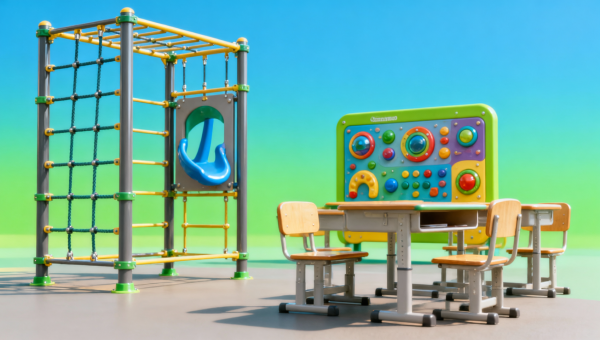
When schools refresh classrooms, they often reorder supporting educational supplies at the same time. New furniture layouts may require fresh storage systems, desktop accessories, labeling tools, display materials, and teaching aids.
Sensory playground features
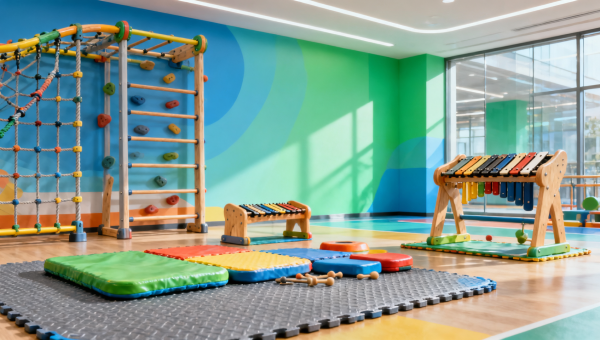
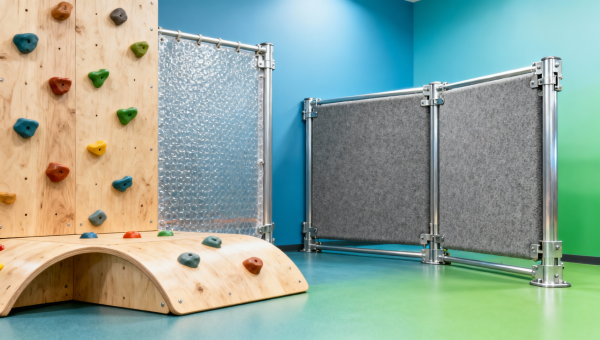
Schools investing in inclusive play environments frequently source classroom sensory tools and outdoor sensory features together. This creates crossover demand between educational supplies and recreation or leisure-oriented products.
Playground safety and playground borders
Outdoor learning and play areas are increasingly managed as part of the educational environment, not separate from it. As a result, maintenance items, safety edging, and zone-definition products may be reordered alongside school supplies, especially in early years and primary settings.
Music and creative performance spaces
Where schools support arts enrichment, music accessories and classroom support items often sit within the same procurement ecosystem. This is especially relevant for distributors covering both educational and entertainment product channels.
How distributors and sourcing partners can identify the best reorder opportunities
For wholesalers, agents, and B2B sourcing teams, the strongest opportunities usually come from categories that combine repeat demand with manageable quality expectations and scalable logistics.
Look for these indicators:
- Products used across multiple grade levels or departments
- Items with predictable seasonal reorder patterns
- Categories where standardization matters
- Products with compliance or safety requirements that favor trusted suppliers
- Accessories and replacement items tied to installed equipment or existing classroom systems
In many cases, the best-performing lines are not the most visible ones. Replacement storage bins, music consumables, classroom organizers, sensory support items, and playground safety accessories can create dependable repeat business because they solve ongoing operational needs.
Common sourcing risks buyers should watch before committing to a supplier
Even in high-frequency categories, schools and procurement intermediaries face several risks.
Inconsistent quality between batches
This is a major issue for products such as paper goods, markers, adhesives, art materials, and molded plastic classroom accessories. Inconsistent supply can create complaints from teachers and inefficiency in use.
Weak documentation or testing support
For child-facing products, buyers need confidence in safety and compliance documentation. Missing paperwork can delay procurement approval.
Short-term pricing with long-term instability
Low introductory pricing may not translate into dependable long-term supply. Buyers should assess sourcing resilience, not just first-order cost.
Poor fit for institutional use
Some products perform well in consumer retail but are not durable enough for school environments. Procurement teams should distinguish school-grade products from general retail alternatives.
A practical framework for evaluating educational supplies with strong reorder potential
If the goal is to assess which educational supplies schools reorder most and which lines are commercially attractive, a simple evaluation framework can help:
- Usage intensity: Is the item used daily, weekly, or occasionally?
- User volume: Is it used by one class, the whole school, or multiple departments?
- Replacement trigger: Does it run out, wear out, break, or become non-compliant?
- Standardization value: Does the school prefer the same item every time?
- Safety or approval importance: Does the product require documentation or trusted sourcing?
- Cross-category linkage: Does demand rise when schools upgrade furniture, music rooms, or playground spaces?
Products that score well across several of these factors are usually the most resilient reorder categories.
Conclusion
The educational supplies that schools reorder most are typically the products that keep teaching consistent, classrooms organized, students safe, and shared spaces functional. Core consumables remain essential, but repeat demand also extends into storage systems, early learning resources, music accessories, sensory support tools, and playground safety-related products such as playground borders and maintenance components.
For procurement teams, the real value lies in identifying products with strong operational necessity, dependable compliance, and stable supply. For distributors and sourcing partners, the best opportunities often come from recurring-use categories connected to the wider school environment, including commercial furniture, creative learning spaces, and outdoor recreation areas. In other words, the strongest educational supply categories are not just the ones schools buy once, but the ones they must reorder to keep the learning experience running every day.
Search News
Hot Articles
- Indoor PlaygroundFan Zhendong Visits Silicon Valley as MLTT Investor, AI Ping-Pong Tech Draws AttentionApr 23, 2026
- Stage Lighting & Truss2026 FIBA Women's World Cup Draw Opens Export Window for Arena Lighting & Timing SystemsApr 23, 2026
- Pro Stage AudioChina Upgrades Security Compliance for International Sports EventsApr 23, 2026
Popular Tags
Need ExpertConsultation?
Connect with our specialized leisureengineering team for procurementstrategies.
Recommended News
 Apr 14, 2026HaiRong Tech Serves 85°C Bakery Brands: Custom Packaging Demand RisesHaiRong Tech partners with 85°C bakery brands to offer custom packaging solutions, blending food-grade standards with office supplies. Discover how this innovation creates new OEM/ODM opportunities for global distributors.● Institutional Buyer
 Apr 11, 2026New Carbon Neutrality Standard for Printing Industry Impacts Global Green Office SuppliesDiscover how the new Carbon Neutrality Standard for the printing industry impacts global green office supplies. Learn about key metrics, compliance for EU/Canada exports, and strategic actions for manufacturers and suppliers.● Institutional Buyer
 Apr 11, 2026Wuhan East Lake High-Tech Zone Office Supplies Tender: Deli Wins with 78% DiscountDeli wins Wuhan East Lake High-Tech Zone office supplies tender with 78% discount, showcasing China's cost-efficient manufacturing. Learn how this impacts office supplies industry trends and green procurement strategies.● Institutional Buyer
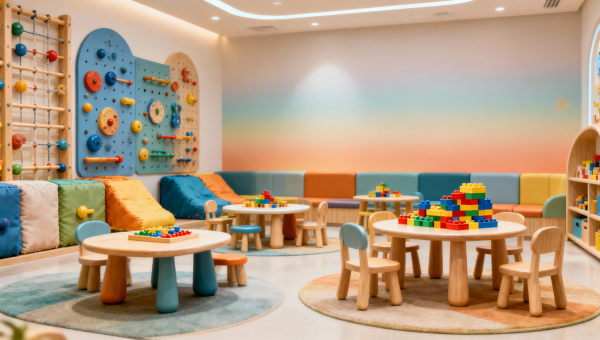
 Apr 24, 2026How to Pick Educational Supplies by AgeEducational supplies by age: discover how commercial furniture, sensory playground designs, playground safety, climbers, borders, music accessories, hotel tables and amusement equipment improve ROI.● Institutional Buyer
 Apr 24, 2026Educational Supplies That Schools Reorder MostEducational supplies schools reorder most: from commercial furniture support and music accessories to playground safety, playground borders, and sensory playground essentials—discover high-demand categories buyers need year-round.● Institutional Buyer
 Apr 23, 2026How to Compare Educational Supplies Beyond Unit PriceEducational supplies buying guide: compare commercial furniture, sensory playground, music accessories, and playground safety beyond unit price to cut risk and boost long-term value.● Institutional Buyer
 Apr 23, 2026Educational Supplies That Wear Out Fast in Shared UseEducational supplies wear out fast in shared spaces. Learn how commercial furniture, music accessories, playground borders, playground climbers, sensory playground systems, and playground safety solutions reduce risk and replacement costs.● Institutional Buyer
 Apr 22, 2026When Cheap Office Supplies End Up Costing MoreOffice supplies that seem cheap can cost more over time for trampoline park, indoor playground, arcade games, musical instruments, and luxury jewelry businesses—discover smarter sourcing tips.● Institutional Buyer
 Apr 22, 2026Office Supplies Costs That Quietly Add Up Over a YearOffice supplies costs can quietly rise alongside arcade games, musical instruments, indoor playground and trampoline park operations. Discover smarter sourcing to protect margins.● Institutional Buyer
 Apr 21, 2026Office supplies wholesaler terms that cause reorder problemsOffice supplies wholesaler terms can quietly trigger costly reorders. Learn how a reliable office supplies supplier should handle MOQ, lead times, substitutions, and pricing before you sign.● Institutional Buyer
 Apr 21, 2026The hidden service gaps between office supplies suppliersOffice supplies supplier insights: uncover hidden service gaps in office supplies wholesaler selection, plus sourcing links to musical instruments for bands, custom jewelry manufacturer, and indoor playground supplier.● Institutional Buyer
 Apr 24, 2026Why office supplies wholesalers vary so much on MOQ and lead timeOffice supplies supplier insights: learn why an office supplies wholesaler differs on MOQ and lead time, and compare sourcing logic across custom jewelry manufacturer and indoor playground supplier options.● Institutional Buyer
 Apr 24, 2026How to compare an office supplies supplier beyond priceCompare an office supplies supplier beyond price—evaluate quality, compliance, customization, and delivery. Learn how the right office supplies wholesaler reduces risk and boosts long-term value.● Institutional Buyer
 Apr 18, 2026Office supplies sustainability claims: Which certifications actually hold up?Trampoline park, indoor playground & office supplies sustainability claims—cut through greenwashing. See which certifications truly hold up for adventure playgrounds, musical instruments & arcade games.● Institutional Buyer
 Apr 17, 2026Office supplies for hybrid teams: Are bulk orders still cost-effective?Trampoline park, indoor playground & adventure playground suppliers: Discover if bulk office supplies still cut costs—plus arcade games, musical instruments & luxury jewelry sourcing insights.● Institutional Buyer
 Apr 17, 2026Educational supplies: When 'eco-friendly' labels hide real safety gapsEducational supplies, playground safety & commercial furniture—uncover hidden risks behind 'eco-friendly' labels. Get actionable compliance insights now.● Institutional Buyer
 Apr 15, 2026Stationery & uniforms that hold up to school laundry cycles — not just first-day wearDurable educational supplies, playground safety gear & commercial furniture—engineered for 30+ wash cycles, ASTM/EN compliance, and high-traffic school & amusement environments.● Institutional Buyer
 Apr 14, 2026Office supplies with BPA-free plastics: verified claims vs. third-party test reportsOffice supplies with verified BPA-free plastics — backed by third-party test reports. Trusted for trampoline parks, indoor playgrounds, luxury jewelry packaging & more.● Institutional Buyer
 Apr 14, 2026Office supplies that actually reduce desk clutter—tested and rankedOffice supplies that cut desk clutter—tested for luxury jewelry counters, trampoline parks, indoor playgrounds & more. Smart, certified, space-saving solutions.● Institutional Buyer
 Apr 12, 2026Office supplies with inconsistent color matching across batches — why it happensOffice supplies color inconsistency? Discover why luxury furniture, contract furniture & educational supplies mismatch—and how top suppliers ensure perfect chromatic fidelity across batches.● Institutional Buyer
 Apr 08, 2026Weifang's 100% Green Office Supplies Procurement Signals Shift in Sustainable SourcingDiscover how Weifang's 100% green office supplies procurement with FSC-certified paper & recycled PP signals China's sustainable sourcing shift. Learn key impacts on stationery manufacturers & suppliers.● Institutional Buyer
 Apr 08, 2026Sichuan Drug Testing Institute Restarts Office Supplies Procurement with Digital RequirementsSichuan Drug Testing Institute mandates digital integration & GPS logistics tracking in office supplies procurement. Key impact for B2G suppliers in healthcare, education sectors. Stay ahead of China's procurement digitization trends.● Institutional Buyer
 Apr 08, 2026China's NMPA CDE Launches 2026 Office Supplies Procurement with Green and Domestic FocusChina's NMPA CDE launches 2026 office supplies procurement with 80M RMB budget, mandating green standards (GB/T 38375-2022 & HJ 572-2020) and prioritizing MIIT-certified suppliers. Learn how this impacts manufacturers and exporters.● Institutional Buyer
 Apr 08, 2026Chinese Stationery Suppliers Accelerate Low-Carbon Notebook Production, Extending Delivery TimesChinese stationery suppliers like Deli Group and Lifeng are accelerating low-carbon notebook production with FSC-certified materials, causing 5-7 day delivery delays for欧美 markets. Learn how this ESG shift impacts文具 manufacturers and global distributors.● Institutional Buyer