How to Compare Educational Supplies Beyond Unit Price
Comparing educational supplies by unit price alone can hide critical differences in durability, compliance, and long-term value. For buyers sourcing across commercial furniture, hotel equipment, music accessories, or even amusement equipment such as sensory playground systems, playground climbers, playground borders, and playground safety solutions, a smarter evaluation framework is essential. This guide shows procurement teams and distributors how to assess total commercial performance before making purchasing decisions.
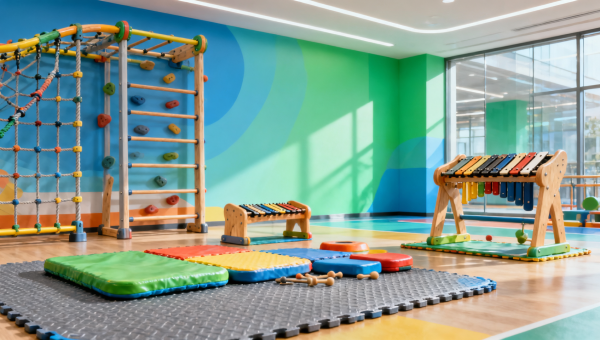
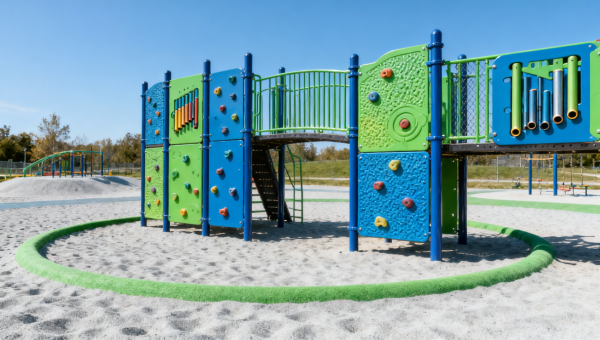
In the sports and entertainment sector, educational supplies often overlap with interactive play, music learning, physical development, and public leisure environments. A climbing module for a learning center, percussion accessories for a music room, or safety surfacing around playground borders may all appear similar on a quotation sheet, yet perform very differently over a 3–5 year lifecycle.
For institutional buyers, distributors, and commercial evaluators, the real question is not “Which item is cheapest per unit?” but “Which option delivers the best total value under operational, safety, and maintenance conditions?” That is especially true when orders involve multi-site rollouts, child-facing environments, or mixed-use commercial spaces where downtime, claims, and replacement rates carry real cost.
Why Unit Price Is an Incomplete Procurement Metric
Unit price is easy to compare, which is why it dominates early-stage sourcing. However, in educational and recreation-linked procurement, it captures only one layer of commercial reality. A product priced 8% lower may require replacement 12 months earlier, fail local safety checks, or generate higher installation labor costs. Once those factors are included, the apparent savings often disappear.
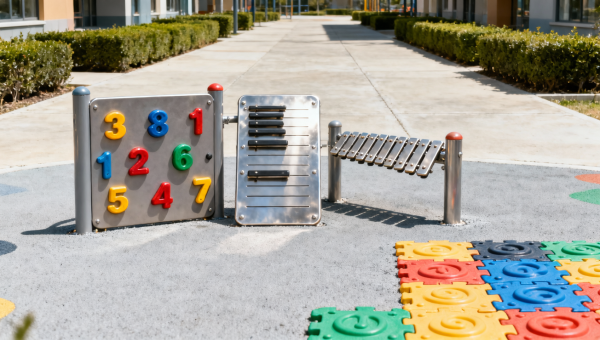
This issue becomes more visible in sports and entertainment environments where equipment faces high-touch usage, weather exposure, repetitive impact, and strict supervision requirements. Sensory playground systems, playground climbers, music classroom accessories, and soft play learning furniture are usually subject to heavier daily use than standard office supplies. Procurement teams therefore need a lifecycle lens, not a carton-price lens.
A practical comparison model should cover at least 5 dimensions: purchase cost, compliance risk, maintenance burden, user safety, and service continuity. For distributors and agents, a sixth dimension matters too: resale confidence. If a product generates frequent complaints within 6–18 months, its channel value declines regardless of the initial margin.
Hidden cost drivers buyers often miss
Commercial buyers regularly underestimate the cost impact of packaging quality, spare parts availability, surface finish durability, and cleaning requirements. In child-oriented play and learning settings, even simple factors such as rounded edges, non-toxic coatings, and anti-slip performance can influence both acceptance and operating risk.
- Shorter replacement cycles, often reducing useful life from 5 years to 2–3 years
- Higher maintenance frequency, such as monthly tightening or quarterly parts replacement
- Extra compliance work for local import, school, or public-space approval
- More staff time spent on cleaning, inspection, and incident documentation
The table below shows why unit price alone can distort decision-making when educational supplies are used in recreation and amusement-related applications.
The key takeaway is simple: lower invoice price does not automatically mean lower ownership cost. In amusement, playground, and educational entertainment environments, a more durable and better-documented product can protect budgets, reduce interruptions, and support smoother resale through distribution channels.
Build a Total Commercial Performance Framework
A stronger sourcing method is to score each product through a total commercial performance framework. This works especially well for procurement teams managing cross-category buying, such as educational furniture, indoor play systems, music training accessories, and safety components for recreational facilities. Instead of comparing one price point, buyers compare operational outcomes over 24, 36, or 60 months.
A reliable framework usually includes 6 core criteria: durability, safety and compliance, user experience, serviceability, logistics efficiency, and supplier responsiveness. Each criterion can be weighted differently depending on the project. For example, a public play zone may assign 30% weight to safety, while a distributor preparing retail channel supply may assign 25% weight to after-sales simplicity and packaging resilience.
Suggested scoring structure
Commercial teams often use a 100-point scorecard to reduce subjective buying decisions. This is useful when multiple stakeholders are involved, such as procurement, operations, finance, and site management. It also supports distributor negotiations because evaluation criteria are documented rather than based on informal preference.
- Durability and material performance: 20–25 points
- Safety, compliance, and documentation: 20–30 points
- Installation and maintenance efficiency: 10–15 points
- User suitability by age group or activity type: 10–15 points
- Lead time, packaging, and delivery reliability: 10–15 points
- After-sales support and spare parts access: 10–15 points
The next table gives a practical example of how educational supplies tied to sports and entertainment settings can be evaluated beyond unit price.
Using a framework like this helps buyers compare educational supplies on operational merit. It also creates a repeatable internal process for schools, leisure operators, distributors, and project developers who source products across several categories in one purchasing cycle.
When to use this framework
It is particularly useful for tenders, multi-vendor comparisons, OEM/ODM projects, and phased site developments. If the purchase volume exceeds 100 units, or if the products will serve public, hospitality, or institutional settings for more than 2 years, structured comparison becomes much more valuable than simple unit-price screening.
Key Criteria for Educational Supplies Used in Sports and Entertainment Settings
Not all educational supplies face the same operating conditions. A reading corner table in a low-traffic learning room is very different from modular play furniture beside a sensory playground system or storage used in a music rehearsal area. Buyers should therefore define the application first, then compare products against the usage profile.
In sports and entertainment environments, four technical criteria are especially important: load tolerance, surface safety, environmental resistance, and cleaning practicality. These factors influence both daily usability and total cost. For example, products placed near playground safety solutions may be exposed to dust, moisture, repeated impact, and frequent sanitation cycles.
1. Durability under repeated use
A commercial product should be assessed for daily contact frequency. In child activity zones, 50–200 interactions per day is not unusual for seating, storage bins, play panels, or accessory stations. Hardware fastening, joint stability, and surface wear resistance matter more than decorative appearance alone.
2. Safety and compliance alignment
Even when the item is not itself a playground structure, it may be placed next to active play equipment. Sharp corners, unstable bases, pinch points, and poor finish quality increase risk. Buyers should request documentation on materials, coatings, and intended age suitability, especially for products used by children under 12 years old.
3. Cleaning and maintenance practicality
A lower-cost product with textured surfaces, exposed screws, or absorbent materials can add recurring labor cost. In indoor leisure and educational entertainment facilities, cleaning may occur daily or 3–7 times per week. Smooth but durable finishes, replaceable components, and accessible hardware improve long-term efficiency.
4. Suitability for mixed-use environments
Many modern venues combine learning, play, hospitality, and event activity in one footprint. Supplies may need to move between classrooms, children’s zones, music corners, and temporary activation spaces. That makes stackability, modularity, and assembly time important commercial factors.
The following table can help buyers align product type with operating conditions.
This type of matching helps procurement teams avoid generic buying decisions. Educational supplies should be selected by actual use case, not by catalog grouping alone. That is where many purchasing errors begin.
How Procurement Teams and Distributors Should Evaluate Suppliers
Product evaluation is only half of the buying decision. Supplier capability determines whether the commercial outcome is stable over time. In B2B sourcing, especially across sports and entertainment-related educational products, a supplier’s communication speed, documentation quality, and packaging discipline can influence project success as much as the product itself.
For procurement teams, the best practice is to review supplier performance across pre-sale, order execution, and after-sales phases. For distributors, channel protection, consistent specification control, and replenishment predictability are also important. A product with a solid landed cost means little if reorder quality varies by batch after 90 or 180 days.
Supplier review checklist
- Can the supplier provide material details, assembly instructions, and packaging specifications within 3–5 working days?
- Are spare parts or replacement components available within a practical lead time such as 2–6 weeks?
- Does the supplier support small trial orders before larger volumes or multi-country distribution?
- Are export packaging, labeling, and carton durability appropriate for long-distance shipment?
- Can product finish, color, and dimensions remain consistent across repeated orders?
Buyers should also assess whether the supplier understands application context. A supplier experienced only in low-intensity retail products may struggle with commercial play or public educational environments where usage intensity is much higher. That gap often appears later as warranty friction, part shortages, or unclear installation responsibility.
Questions worth asking before issuing a PO
Ask for a realistic service-life expectation, recommended inspection interval, and known wear points. Ask how products perform in humid, outdoor-adjacent, or high-cleaning environments. Ask whether packaging is optimized for container efficiency or domestic pallet delivery. The answers will reveal whether the supplier is prepared for commercial-scale sourcing rather than one-off trading.
A disciplined supplier review process reduces the probability of common failures: late shipment, broken-in-transit goods, installation confusion, and uneven quality between samples and mass orders. In practice, those are the issues that create the largest hidden cost for educational supply procurement in leisure and recreational settings.
Common Mistakes, Implementation Tips, and a Smarter Buying Path
One of the most common procurement mistakes is comparing products without normalizing the specification. Two items may look similar, yet differ in board thickness, hardware grade, coating type, impact tolerance, or packaging method. Unless buyers align those variables, price comparison remains misleading.
Another frequent error is skipping field-use assumptions. A distributor may source educational storage units for a leisure venue, expecting light classroom use, while the actual site treats them as shared mobile fixtures in a mixed recreation zone. That change in usage can double wear intensity and shorten service life by 30%–50%.
A practical 4-step buying path
- Define the operating scenario, including age group, daily usage frequency, indoor or outdoor exposure, and cleaning cycle.
- Standardize the comparison sheet with material details, dimensions, packaging format, and service expectations.
- Score both product and supplier using a weighted model rather than unit price only.
- Run a sample or pilot order before committing to large volumes, especially above 100 units or across multiple sites.
For projects involving sensory playground systems, playground climbers, playground borders, or adjacent educational accessories, pilot testing is particularly valuable. It allows teams to observe cleaning effort, user interaction, installation clarity, and maintenance needs over 2–4 weeks before scale-up.
FAQ for commercial buyers
How should distributors compare two similar products with different prices?
Compare landed cost, expected service life, complaint risk, and reorder consistency. A product that costs 10% more but cuts claim rates and extends service life by 2 years may generate better total margin.
What lead time is reasonable for commercial educational supplies?
For standard items, 2–6 weeks is common depending on volume and export destination. Custom finishes, OEM packaging, or mixed-category projects may require 6–10 weeks. Buyers should confirm both production time and spare parts availability.
Which products need the strictest evaluation beyond unit price?
Any item placed in high-contact environments or near active play zones deserves deeper review. That includes modular storage, interactive panels, music accessories, protective borders, seating, and support products used around playground safety solutions.
Comparing educational supplies beyond unit price leads to better procurement decisions, especially in sports and entertainment environments where safety, durability, and user experience directly affect operations. The strongest buyers evaluate total commercial performance, supplier reliability, maintenance burden, and application fit before final selection.
For procurement teams, business evaluators, and distribution partners, this approach improves lifecycle value, lowers avoidable risk, and supports more confident sourcing across educational, recreational, and amusement-related categories. If you are planning a new sourcing program or reviewing current suppliers, now is the right time to move from price comparison to performance comparison.
Contact GCT to discuss your sourcing priorities, request a tailored comparison framework, or explore more commercial solutions for educational supplies, playground support products, music accessories, and broader leisure sector procurement.
Search News
Hot Articles
- Indoor PlaygroundFan Zhendong Visits Silicon Valley as MLTT Investor, AI Ping-Pong Tech Draws AttentionApr 23, 2026
- Stage Lighting & Truss2026 FIBA Women's World Cup Draw Opens Export Window for Arena Lighting & Timing SystemsApr 23, 2026
- Pro Stage AudioChina Upgrades Security Compliance for International Sports EventsApr 23, 2026
Popular Tags
Need ExpertConsultation?
Connect with our specialized leisureengineering team for procurementstrategies.
Recommended News
 Apr 14, 2026HaiRong Tech Serves 85°C Bakery Brands: Custom Packaging Demand RisesHaiRong Tech partners with 85°C bakery brands to offer custom packaging solutions, blending food-grade standards with office supplies. Discover how this innovation creates new OEM/ODM opportunities for global distributors.● Institutional Buyer
 Apr 11, 2026New Carbon Neutrality Standard for Printing Industry Impacts Global Green Office SuppliesDiscover how the new Carbon Neutrality Standard for the printing industry impacts global green office supplies. Learn about key metrics, compliance for EU/Canada exports, and strategic actions for manufacturers and suppliers.● Institutional Buyer
 Apr 11, 2026Wuhan East Lake High-Tech Zone Office Supplies Tender: Deli Wins with 78% DiscountDeli wins Wuhan East Lake High-Tech Zone office supplies tender with 78% discount, showcasing China's cost-efficient manufacturing. Learn how this impacts office supplies industry trends and green procurement strategies.● Institutional Buyer
 Apr 23, 2026How to Compare Educational Supplies Beyond Unit PriceEducational supplies buying guide: compare commercial furniture, sensory playground, music accessories, and playground safety beyond unit price to cut risk and boost long-term value.● Institutional Buyer
 Apr 23, 2026Educational Supplies That Wear Out Fast in Shared UseEducational supplies wear out fast in shared spaces. Learn how commercial furniture, music accessories, playground borders, playground climbers, sensory playground systems, and playground safety solutions reduce risk and replacement costs.● Institutional Buyer
 Apr 22, 2026When Cheap Office Supplies End Up Costing MoreOffice supplies that seem cheap can cost more over time for trampoline park, indoor playground, arcade games, musical instruments, and luxury jewelry businesses—discover smarter sourcing tips.● Institutional Buyer
 Apr 22, 2026Office Supplies Costs That Quietly Add Up Over a YearOffice supplies costs can quietly rise alongside arcade games, musical instruments, indoor playground and trampoline park operations. Discover smarter sourcing to protect margins.● Institutional Buyer
 Apr 21, 2026Office supplies wholesaler terms that cause reorder problemsOffice supplies wholesaler terms can quietly trigger costly reorders. Learn how a reliable office supplies supplier should handle MOQ, lead times, substitutions, and pricing before you sign.● Institutional Buyer
 Apr 21, 2026The hidden service gaps between office supplies suppliersOffice supplies supplier insights: uncover hidden service gaps in office supplies wholesaler selection, plus sourcing links to musical instruments for bands, custom jewelry manufacturer, and indoor playground supplier.● Institutional Buyer
 Apr 18, 2026Office supplies sustainability claims: Which certifications actually hold up?Trampoline park, indoor playground & office supplies sustainability claims—cut through greenwashing. See which certifications truly hold up for adventure playgrounds, musical instruments & arcade games.● Institutional Buyer
 Apr 17, 2026Office supplies for hybrid teams: Are bulk orders still cost-effective?Trampoline park, indoor playground & adventure playground suppliers: Discover if bulk office supplies still cut costs—plus arcade games, musical instruments & luxury jewelry sourcing insights.● Institutional Buyer
 Apr 17, 2026Educational supplies: When 'eco-friendly' labels hide real safety gapsEducational supplies, playground safety & commercial furniture—uncover hidden risks behind 'eco-friendly' labels. Get actionable compliance insights now.● Institutional Buyer
 Apr 15, 2026Stationery & uniforms that hold up to school laundry cycles — not just first-day wearDurable educational supplies, playground safety gear & commercial furniture—engineered for 30+ wash cycles, ASTM/EN compliance, and high-traffic school & amusement environments.● Institutional Buyer
 Apr 14, 2026Office supplies with BPA-free plastics: verified claims vs. third-party test reportsOffice supplies with verified BPA-free plastics — backed by third-party test reports. Trusted for trampoline parks, indoor playgrounds, luxury jewelry packaging & more.● Institutional Buyer
 Apr 14, 2026Office supplies that actually reduce desk clutter—tested and rankedOffice supplies that cut desk clutter—tested for luxury jewelry counters, trampoline parks, indoor playgrounds & more. Smart, certified, space-saving solutions.● Institutional Buyer
 Apr 12, 2026Office supplies with inconsistent color matching across batches — why it happensOffice supplies color inconsistency? Discover why luxury furniture, contract furniture & educational supplies mismatch—and how top suppliers ensure perfect chromatic fidelity across batches.● Institutional Buyer
 Apr 08, 2026Weifang's 100% Green Office Supplies Procurement Signals Shift in Sustainable SourcingDiscover how Weifang's 100% green office supplies procurement with FSC-certified paper & recycled PP signals China's sustainable sourcing shift. Learn key impacts on stationery manufacturers & suppliers.● Institutional Buyer
 Apr 08, 2026Sichuan Drug Testing Institute Restarts Office Supplies Procurement with Digital RequirementsSichuan Drug Testing Institute mandates digital integration & GPS logistics tracking in office supplies procurement. Key impact for B2G suppliers in healthcare, education sectors. Stay ahead of China's procurement digitization trends.● Institutional Buyer
 Apr 08, 2026China's NMPA CDE Launches 2026 Office Supplies Procurement with Green and Domestic FocusChina's NMPA CDE launches 2026 office supplies procurement with 80M RMB budget, mandating green standards (GB/T 38375-2022 & HJ 572-2020) and prioritizing MIIT-certified suppliers. Learn how this impacts manufacturers and exporters.● Institutional Buyer
 Apr 08, 2026Chinese Stationery Suppliers Accelerate Low-Carbon Notebook Production, Extending Delivery TimesChinese stationery suppliers like Deli Group and Lifeng are accelerating low-carbon notebook production with FSC-certified materials, causing 5-7 day delivery delays for欧美 markets. Learn how this ESG shift impacts文具 manufacturers and global distributors.● Institutional Buyer
 Apr 08, 2026Printing Industry's Carbon Neutrality Standard Impacts Global Green Office SuppliesExplore how the Printing Industry's Carbon Neutrality Standard is reshaping global green office supplies. Learn about its impact on export compliance, eco-friendly materials, and sustainable procurement practices in 2026.● Institutional Buyer
 Apr 06, 2026Educational supplies for playgrounds: When curriculum alignment doesn’t translate to physical usabilityDiscover durable playground borders, sensory playground elements, music accessories & educational supplies—engineered for safety, weather resilience, and real-world usability.● Institutional Buyer
 Apr 05, 2026Educational supplies for outdoor play: When 'learning-focused' becomes a marketing label onlyDiscover verified playground borders, sensory playgrounds & music accessories—truly educational supplies, not just marketing labels. OEM-certified amusement equipment, hotel tables & desks included.● Institutional Buyer
 Apr 04, 2026Stationery & Uniforms Suppliers Often Overlook This Compliance Gap in Office Supplies LinesOffice supplies supplier? Avoid shipment rejections—discover how top office supplies wholesalers, manufacturers & B2B suppliers ensure REACH, CPSIA & ISO compliance.● Institutional Buyer