Commercial Carpet Tiles for Hotels: What Wears Out First?
In high-traffic hospitality projects, knowing what fails first can prevent costly replacements and guest-facing disruption. From entrance zones to corridor transitions, commercial carpet tiles hotel managers choose are often tested by rolling loads, moisture, stains, and uneven maintenance cycles. This article helps project leaders identify the earliest wear points, evaluate material performance, and make smarter specification decisions for long-term value.
What usually wears out first in commercial carpet tiles hotel projects?
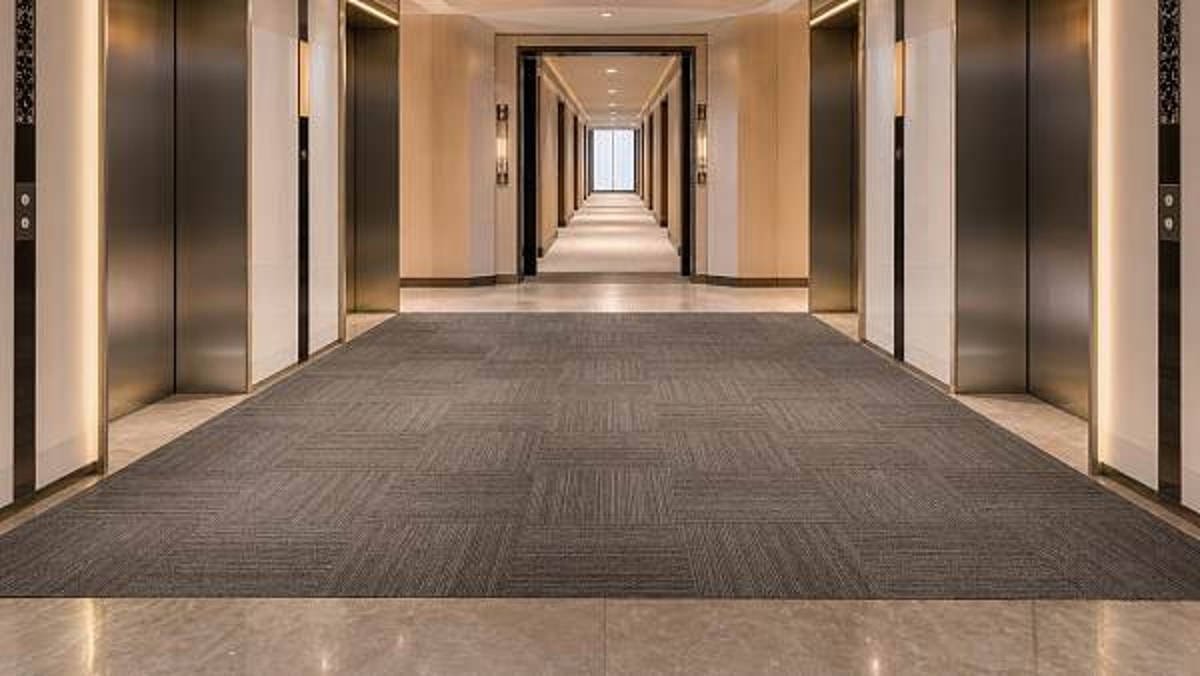
In most hospitality environments, the first failure is not total tile breakdown. It is visible performance decline in the most stressed zones. For a commercial carpet tiles hotel installation, the earliest signs usually appear as crushed pile, soiling that no longer extracts cleanly, edge damage at transitions, and shade variation between traffic lanes and protected areas. This matters because guests notice appearance loss long before a floor technically “fails.”
Entrance vestibules often wear first because they combine grit, rainwater, de-icing residues, and hard wheeled traffic from luggage carts. Corridor intersections come next, especially near elevators, service doors, and housekeeping staging points. In guestroom schemes that use tile rather than broadloom, the path between the bed, desk, and bathroom can develop early texture change because traffic is repeated in a narrow pattern every day.
Project leaders should separate four wear categories when inspecting a hotel floor: appearance retention, dimensional stability, seam integrity, and backing condition. Appearance usually drops first. If the product was underspecified, seam peaking or corner fray may follow. Backing failure tends to show later, but when moisture control is poor, it can accelerate quickly.
Why do entrance zones and transition areas fail faster than the rest of the floor?
The answer is simple: they receive combined stress, not just high footfall. A lobby threshold sees abrasive particles from outdoors, moisture from umbrellas and shoes, oils from street dust, and concentrated turning movement from wheeled suitcases. This creates a harsher test than a long straight corridor with similar daily traffic numbers.
Transitions also fail faster because they involve edge mechanics. Where carpet tile meets stone, LVT, metal trims, or elevator sills, traffic pressure is focused on a narrow line. If subfloor tolerances are weak or adhesive selection is poor, corners can lift or compress. In a commercial carpet tiles hotel specification, the transition detail is often as important as the tile itself.
Hotels create a further complication: maintenance frequency is uneven. Public areas may be cleaned daily, but not always deeply enough to remove embedded grit. Back-of-house routes may receive rougher use with less aesthetic oversight. The result is that hidden wear progresses until it becomes visible at the guest-facing edge.
Which performance issues should project managers monitor first?
For project managers and engineering leads, early monitoring should focus on symptoms that predict replacement timing. The most useful indicators are not only stains. They include:
- Texture loss in primary walking paths
- Persistent dark lanes after cleaning
- Open joints, peaked seams, or corner curl
- Backing odor or moisture-related distortion
- Visible mismatch after selective tile replacement
Among these, texture loss is often the first warning that the face fiber or construction is not robust enough for the location. Guests may interpret this as “old carpet” even when the installation is relatively new. Persistent dark lanes are usually a maintenance-plus-material issue: soil is bonding to damaged fiber surfaces or collecting in constructions that trap debris.
Open joints and corner movement usually point to installation stresses, rolling loads, thermal cycling, or poor moisture management in the substrate. These should be treated as system issues rather than cosmetic issues. In a hotel, once a tile corner lifts at a corridor turn, damage tends to spread quickly because carts catch the edge.
How do material and construction choices affect what wears out first?
Not all carpet tile failures start in the same layer. Fiber type, pile construction, density, backing, bitumen or PVC-free formulation, and cushion design all influence the weak point. For a commercial carpet tiles hotel project, the specification should match the stress profile of each zone instead of applying one generic product everywhere.
Solution-dyed nylon is still widely preferred in demanding hospitality settings because it balances stain resistance, resilience, and colorfastness. Polyester can look attractive in some budgets, but in intense public traffic it may show crushing earlier depending on construction. Low-loop or dense patterned constructions usually retain appearance better than softer, more open surfaces in corridors and lift lobbies.
Backing matters more than many buyers assume. A stable backing helps limit shrinkage, gapping, and corner movement. Cushion-backed systems can improve acoustics and underfoot comfort, but the product must still be rated for rolling traffic if used near luggage routes. Adhesive strategy matters as well. A releasable system may support easier replacement, while a stronger bond may be better for areas with aggressive turning loads. The right answer depends on maintenance plans, replacement philosophy, and operational tolerance for disruption.
What is the quickest way to compare wear risks across hotel areas?
A simple comparison table helps teams map failure points before procurement. It is especially useful when owners, operators, designers, and contractors have different priorities.
Are stains and discoloration really wear, or just a cleaning problem?
In hospitality flooring, the two are closely linked. A floor can be structurally sound yet operationally failed if it no longer presents a clean, premium image. For this reason, many commercial carpet tiles hotel teams treat irreversible soiling as wear. Once fiber surfaces abrade, they hold fine particles more aggressively. Once moisture repeatedly enters without proper extraction, discoloration and odor risks rise. Once cleaning chemistry is mismatched to the product, residues can attract more soil and speed up visual decline.
This is why entrance matting, moisture barriers, and maintenance protocols should be discussed during specification, not after handover. If the operator cannot support the cleaning method a product requires, even a technically strong tile may underperform. The best choice is often the product that maintains acceptable appearance under real service conditions, not perfect maintenance assumptions.
What are the most common specification mistakes in commercial carpet tiles hotel procurement?
One frequent mistake is selecting by sample aesthetics alone. A tile may look rich in a boardroom but wear poorly in an arrival corridor. Another mistake is treating all traffic as equal. Passenger traffic, housekeeping traffic, banquet reset traffic, and engineering cart traffic create different stress patterns. A third mistake is ignoring lot continuity and attic stock planning. Because carpet tile is modular, buyers sometimes assume future replacements will always blend in. In reality, dye lot change, pattern direction, and installed aging can make spot replacements visible.
A further error is underestimating substrate and moisture conditions. If slab moisture is not controlled, adhesives and backing systems may be compromised. Teams also sometimes overlook stair landings, doorway clearances, and trim conditions, even though these details often determine whether edges remain secure over time.
Finally, some projects optimize only first cost. For hotels, that can be misleading. A slightly higher upfront specification may reduce guest disruption, lower replacement frequency, and simplify phased maintenance. Total installed value should include downtime risk, labor access, and the operational advantage of replacing small zones instead of shutting larger areas.
How can project teams judge whether a product is suitable before full rollout?
The best approach is evidence-based trialing. Ask suppliers for performance data relevant to hospitality use, including wear testing, dimensional stability, colorfastness, backing characteristics, and recommended maintenance methods. More importantly, request references from similar properties: upscale urban hotels, resort corridors, convention-linked hotels, or serviced apartments, depending on your model.
Mock-up zones are highly valuable. Install the proposed commercial carpet tiles hotel solution in a real service area, ideally one exposed to wheeled luggage and daily cleaning. Observe seam behavior, ease of spot replacement, and how the pattern masks soil. If possible, compare at least two constructions side by side for a defined period. This gives project managers more practical insight than relying only on brochures or showroom visuals.
Buyers should also confirm supply-chain reliability. Hospitality refurbishments are often phased, and future matching inventory matters. A sourcing partner with strong B2B intelligence and manufacturer verification can reduce risk by checking production consistency, compliance documentation, and OEM or customization capability before commitment.
What questions should you ask suppliers before approving a hotel carpet tile specification?
Before final approval, use a practical question set that connects product claims to hotel realities:
- Which zones is this construction truly designed for: lobby, corridor, guestroom, or back-of-house?
- How does it perform under rolling luggage and housekeeping carts?
- What backing and adhesive system is recommended for our substrate and replacement strategy?
- How much attic stock should be reserved for phased replacement?
- What cleaning method is required to maintain appearance warranties?
- Can you provide comparable hospitality references and compliance records?
These questions move the conversation beyond decorative preference. They help determine whether the commercial carpet tiles hotel package will support long-term operational performance, not just day-one presentation.
What should decision-makers conclude before moving to procurement?
The main takeaway is that hotel carpet tile failure usually starts where stress is layered: entrances, transitions, corridor turns, and areas with rolling equipment. Appearance loss comes first, then joint or edge problems if the system is not properly specified. The smartest procurement path is to match construction to zone, verify maintenance compatibility, and pressure-test installation details before broad rollout.
For project leaders, a strong specification is not only about fiber or color. It is about the full performance chain: subfloor condition, backing stability, adhesive method, transition design, cleaning reality, replacement planning, and supply continuity. If you need to confirm a specific commercial carpet tiles hotel solution, start by discussing traffic profile, target lifespan, wheeled-load exposure, cleaning resources, phasing schedule, spare stock ratio, and compliance requirements. Those answers will usually reveal what will wear out first—and what can be prevented before installation begins.
Search News
Hot Articles
Popular Tags
Need ExpertConsultation?
Connect with our specialized leisureengineering team for procurementstrategies.
Recommended News
 May 04, 2026Commercial Carpet Tiles for Hotels: What Wears Out First?Commercial carpet tiles hotel buyers: discover what wears out first in entrances, corridors, and transition zones, and learn how to specify longer-lasting, guest-ready flooring.● Hospitality Sourcing Dir
 May 04, 2026Custom Hotel Signage That Looks Premium and Stays ReadableCustom hotel signage that balances premium aesthetics with readability, durability, and compliance. Discover a practical checklist to improve guest experience and streamline hotel projects.● Hospitality Sourcing Dir
 May 04, 2026Luxury Vinyl Tile Commercial Flooring in High-Traffic AreasLuxury vinyl tile commercial flooring for high-traffic spaces: discover how to compare durability, maintenance, installation risks, and lifecycle value before you specify.● Hospitality Sourcing Dir
 May 03, 2026AC Milan’s Smart Locker Room Procurement Triggers UNI 11743 Compliance ReviewAC Milan’s smart locker room procurement triggers UNI 11743:2025 compliance review — critical for sports infrastructure suppliers, EU exporters & integrators.● Hospitality Sourcing Dir
 May 03, 2026Hotel room minibar fridges: silent operation is not enoughHotel room minibar fridges now require more than silent operation. Explore how energy efficiency, design fit, compliance, and lifecycle value shape smarter hotel sourcing.● Hospitality Sourcing Dir
 May 03, 2026HVAC systems for hotels: poor zoning raises energy bills quietlyHVAC systems for hotels can silently inflate energy bills when zoning is weak. Learn how smarter controls cut costs, improve guest comfort, and protect long-term hotel asset value.● Hospitality Sourcing Dir
 May 03, 2026Wooden coat hangers hotel projects should not overlook finish qualityWooden coat hangers hotel buyers should not ignore finish quality. Learn how smoothness, coating safety, and color consistency reduce complaints, protect brand image, and lower replacement costs.● Hospitality Sourcing Dir
 May 03, 2026Artificial plants for hotels: where they look premium, not fakeArtificial plants for hotels that look premium, not fake—discover how luxury properties use realistic faux greenery to elevate ambiance, cut maintenance, and protect brand consistency.● Hospitality Sourcing Dir
 May 03, 2026Commercial hand dryers can lower waste, but noise still mattersCommercial hand dryers reduce paper waste and maintenance costs, but noise can shape comfort and brand perception. Discover how to choose the right model for every commercial space.● Hospitality Sourcing Dir
 May 03, 2026Hotel hair dryers wall mounted: safety features worth checkingHotel hair dryers wall mounted: discover the safety features buyers should check first, from overheat protection to tamper resistance, for safer, smarter hotel sourcing.● Hospitality Sourcing Dir
 May 03, 2026Smart hotel room controls work best when systems talk to each otherSmart hotel room controls work best when HVAC, lighting, access, and service platforms connect seamlessly. Learn how interoperability improves efficiency, guest experience, and long-term scalability.● Hospitality Sourcing Dir
 May 03, 2026Automatic soap dispensers: battery life is not the only issueAutomatic soap dispensers are about more than battery life. Discover how sensor accuracy, refill compatibility, maintenance, and durability impact hygiene, cost, and user experience.● Hospitality Sourcing Dir
 May 03, 2026What hotels often miss when sourcing illuminated makeup mirrorsIlluminated makeup mirrors hotel buyers often miss key specs that affect guest satisfaction, maintenance, and brand value. Discover what to check before sourcing.● Hospitality Sourcing Dir
 May 03, 2026Commercial air purifiers: HEPA ratings that matter in hotelsCommercial air purifiers for hotels: learn which HEPA ratings truly matter for guest rooms, lobbies, and wellness zones to improve comfort, compliance, and smarter buying.● Hospitality Sourcing Dir
 May 03, 2026Wholesale toilet paper rolls: what affects true cost per useWholesale toilet paper rolls are not just about low case price. Learn what affects true cost per use, from sheet strength to dispenser fit, and source smarter for long-term savings.● Hospitality Sourcing Dir
 May 02, 2026Memory foam hotel mattresses: when soft comfort leads to faster saggingMemory foam hotel mattresses may feel luxurious at first, but can soft comfort cause faster sagging? Discover how buyers can reduce risk, improve durability, and protect hotel ROI.● Hospitality Sourcing Dir
 May 02, 2026Electronic hotel door locks: battery alerts are often less simple than they seemElectronic hotel door locks battery alerts are more complex than they appear. Learn how firmware, usage, and environment affect reliability, maintenance efficiency, and smarter sourcing.● Hospitality Sourcing Dir
 May 02, 2026Hotel housekeeping carts: the layout detail that saves minutes on every floorHotel housekeeping carts can save minutes on every floor. Discover how smarter cart layout improves workflow, reduces labor strain, and supports faster, more consistent room turnover.● Hospitality Sourcing Dir
 May 02, 2026Wholesale hotel safes: keypad reliability matters more than extra featuresWholesale hotel safes should be judged by keypad reliability first. Discover the checklist that helps buyers reduce lockouts, maintenance costs, and guest complaints.● Hospitality Sourcing Dir
 May 02, 2026Hotel lobby chandeliers: how size mistakes affect the whole arrival experienceHotel lobby chandeliers can make or break first impressions. Learn how sizing mistakes affect luxury, circulation, and brand value—and how to choose the right scale.● Hospitality Sourcing Dir
 May 02, 2026Industrial ironing machines: steam output is not the only thing to compareIndustrial ironing machines should be compared by more than steam output. Discover how temperature control, pressure stability, efficiency, and durability affect real commercial performance.● Hospitality Sourcing Dir
 May 02, 2026Blackout curtains for hotels that block light without trapping heatBlackout curtains for hotels that block light without trapping heat—discover smarter fabrics, thermal comfort benefits, and sourcing tips for better guest sleep and hotel performance.● Hospitality Sourcing Dir
 May 02, 2026Hotel luggage carts: why wheel quality matters more than frame finishHotel luggage carts perform best when wheel quality comes first. Discover how better casters reduce noise, protect floors, improve handling, and lower long-term hotel maintenance costs.● Hospitality Sourcing Dir
 May 02, 2026Custom printed hotel key cards: PVC or wood for a better guest feel?Custom printed hotel key cards: compare PVC and wood to find the best mix of guest feel, durability, sustainability, and brand impact for smarter hotel sourcing.● Hospitality Sourcing Dir