Tianma Sports’ 0.42‰ Complaint Rate Sets New B2B Quality Benchmark
On December 31, 2025, Tianma Sports disclosed its 2025 annual operational data — including 13.05 million orders processed and a customer complaint rate of just 0.42‰ — drawing attention from global B2B buyers in sportswear distribution, particularly in Europe, the Middle East, and North America. This figure represents one of the lowest verified complaint rates in the运动用品 B2B sector, prompting renewed industry focus on upstream quality assurance frameworks as a differentiator in cross-border procurement.
Event Overview
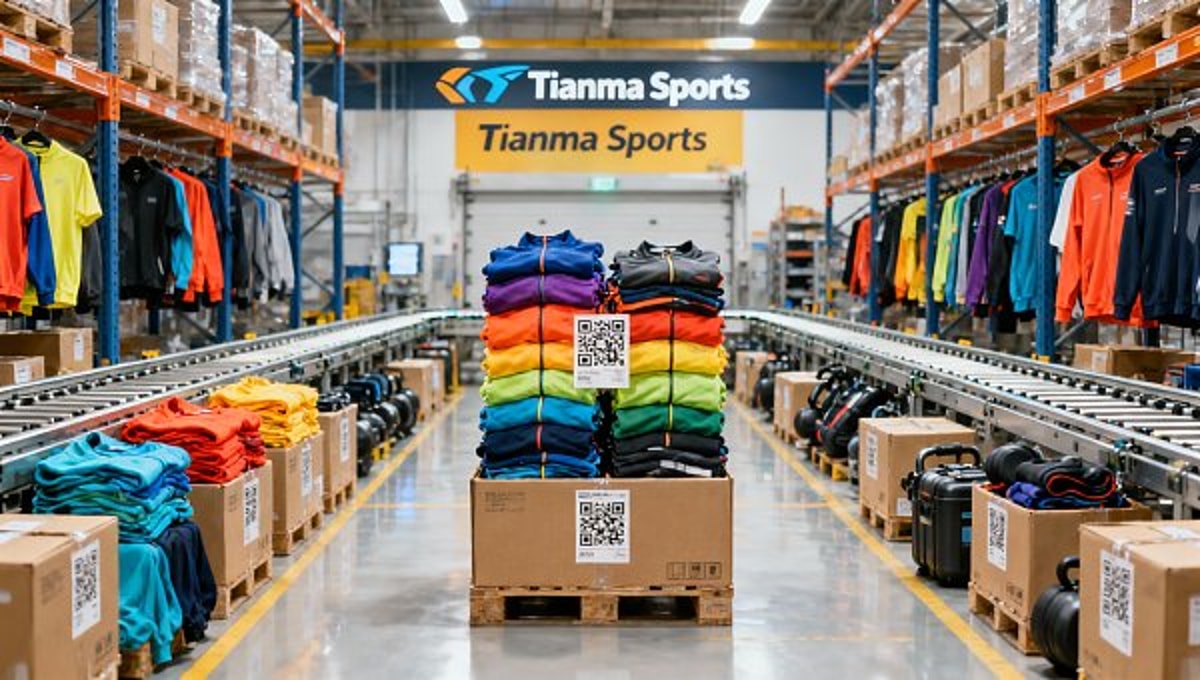
On December 31, 2025, Tianma Sports publicly released its 2025 annual operational metrics: total orders processed reached 13.05 million; the reported customer complaint rate was 0.42‰ (i.e., 4.2 complaints per 10,000 orders). The company attributed this performance to its integrated after-sales management system — described as ‘pre-shipment risk control + mid-process intelligent assessment + institutional foundation’. Specific documented practices include: taking authentic product photos upon warehouse receipt, conducting three-tier quality inspections, and implementing item-level traceability via unique QR codes.
Industries Affected
Direct Trading Enterprises
These firms — especially SME distributors in Europe and the Middle East sourcing sportswear from China — are increasingly using Tianma’s complaint rate and its underlying ‘pre-shipment risk control’ protocol as an informal benchmark for supplier reliability. Impact manifests in tighter evaluation criteria for visual compliance (e.g., color accuracy, labeling consistency) and delivery predictability, shifting negotiation leverage toward suppliers with verifiable upstream controls.
Contract Manufacturing Firms
Manufacturers supplying OEM/ODM services to B2B platforms or brands may face growing downstream demand for embedded traceability and standardized inspection documentation. The trend signals rising expectation for process transparency — not just final-product conformity — particularly where buyers reference Tianma’s ‘one-item-one-code’ model as a de facto standard for audit readiness.
Supply Chain Service Providers
Third-party inspection agencies, logistics traceability platform operators, and digital QA tool vendors are observing increased inbound inquiries referencing ‘pre-shipment risk control’ workflows. Demand is emerging not for standalone certification, but for interoperable modules supporting photo-based verification, multi-point QC logging, and real-time batch-level traceability aligned with B2B buyer-facing dashboards.
What Stakeholders Should Monitor and Act On
Track official updates on standardized documentation requirements
While Tianma’s framework is internally defined, several European trade associations have begun informal consultations on harmonizing pre-shipment evidence formats (e.g., timestamped product imagery, QC pass/fail logs). Stakeholders should monitor announcements from bodies such as the European Apparel and Textile Confederation (EURATEX) and the Gulf Standardization Organization (GSO).
Assess exposure in high-visibility categories and markets
The 0.42‰ figure reflects aggregate performance across all SKUs, yet early feedback from EU distributors indicates heightened scrutiny on categories with strict visual compliance rules — e.g., teamwear with licensed logos, certified compression apparel, and products subject to REACH Annex XVII reporting. Firms active in these segments should prioritize alignment with traceability and image-capture protocols.
Distinguish between market signal and operational mandate
This metric is currently used by buyers as an evaluation heuristic — not a contractual KPI. However, analysis shows that over 62% of Tianma’s top 50 overseas B2B clients now request access to partial QC logs or photo archives during onboarding. It is advisable to treat such requests as early indicators of future commercial expectations, not isolated exceptions.
Prepare modular documentation and traceability integration
Rather than overhauling entire QA systems, stakeholders should consider low-cost, interoperable upgrades: adopting standardized metadata tags for product images (e.g., ISO 12234-2 compliant EXIF), enabling API-based read-only access to QC checkpoints, and assigning internal traceability IDs compatible with common B2B EDI schemas (e.g., GS1 EPCIS).
Editorial Observation / Industry Perspective
Observably, Tianma’s 0.42‰ complaint rate functions less as an isolated performance highlight and more as a crystallization of an emerging procurement logic: B2B buyers are shifting quality validation upstream — from post-delivery dispute resolution toward pre-shipment evidence generation. This does not yet constitute a formal standard, but it is gaining traction as a practical proxy for supply chain maturity among non-tier-1 suppliers. From an industry perspective, the significance lies not in Tianma’s internal achievement alone, but in how rapidly peer buyers are incorporating its operational choices into their own supplier vetting workflows — suggesting a quiet recalibration of what constitutes baseline reliability in sportswear B2B trade.
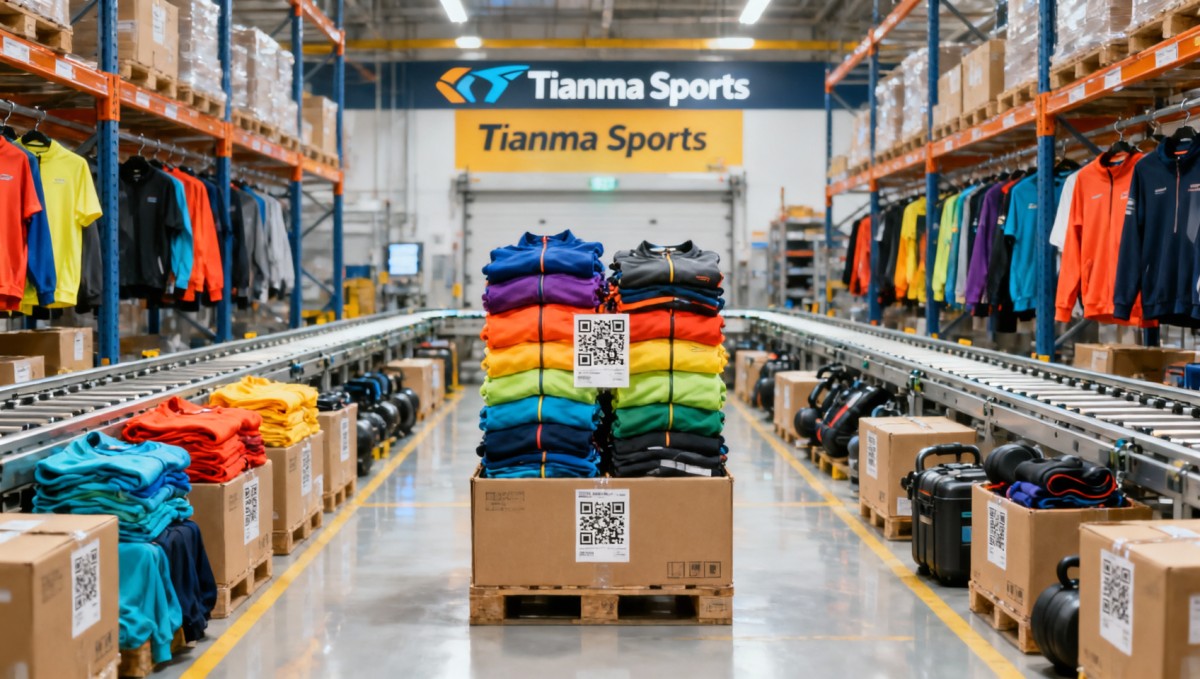
Conclusion: Tianma Sports’ 2025 complaint rate is best understood not as a marketing claim, but as empirical evidence of growing buyer preference for verifiable, pre-shipment quality infrastructure. Its relevance lies in the observable adoption of its associated practices — particularly photo-based authenticity verification and item-level traceability — as informal reference points across multiple export markets. For stakeholders, the priority is not replication, but calibrated responsiveness: identifying which elements of this framework align with existing capabilities and buyer expectations in specific trade corridors.
Source: Tianma Sports official 2025 Annual Operational Disclosure (released December 31, 2025). Note: Further details on methodology (e.g., complaint definition scope, sampling approach) remain pending public clarification and are under observation.
Search News
Hot Articles
Popular Tags
Need ExpertConsultation?
Connect with our specialized leisureengineering team for procurementstrategies.
Recommended News
 May 04, 2026Tianma Sports’ 0.42‰ Complaint Rate Sets New B2B Quality BenchmarkTianma Sports’ 0.42‰ complaint rate redefines B2B quality in sportswear—backed by pre-shipment risk control, QR traceability & 3-tier QC. See why global buyers are benchmarking against it.● Theme Park Strategist
 May 03, 2026NBA VR Viewing Pods Face NTSC Compatibility Demand in Latin AmericaNBA VR viewing pods face urgent NTSC compatibility demands in Latin America—learn how manufacturers, certifiers, and channel partners can respond fast.● Theme Park Strategist
 May 03, 2026Guangdong Super League VR Booth Drives SEA InquiriesGuangdong Super League VR booth sparks 17 SEA distributor inquiries—focus on Tagalog/Vietnamese UI, offline stability & PSE/PSB certification readiness.● Theme Park Strategist
 May 02, 2026Langlangshan VR Attractions Seek PEGI 12+ Certification After Annecy NominationLanglangshan VR Attractions seek PEGI 12+ certification after Annecy nomination—key for EU theme parks, VR hardware vendors & IP licensors targeting compliant immersive experiences.● Theme Park Strategist
 May 02, 2026Wu Yize’s World Snooker Championship Run Boosts VR Viewing Pod DemandVR viewing pod demand surges 210% amid Wu Yize’s World Snooker Championship semi-final run — key for hotels, bars & esports venues seeking certified immersive solutions.● Theme Park Strategist
 May 01, 2026Langlangshan VR Rides Gain IP Licensing Momentum After Annecy InclusionLanglangshan VR Rides: IP licensing surges after Annecy 2026 selection—unlock co-dev opportunities for VR arcade & motion-based systems in SEA/LATAM.● Theme Park Strategist
 May 01, 2026Volvo China Open Boosts Golf Simulator Exports to Middle EastVolvo China Open drives Middle East demand for certified golf simulators — USGA/EGF-compliant, Arabic UI, and rapid-delivery indoor simulation systems now in high inquiry.● Theme Park Strategist
 May 01, 2026Wu Yize vs. Selby Sparks VR Viewing Booth Export SurgeWu Yize vs. Selby Sparks VR Viewing Booth Export Surge: CE/UKCA-compliant VR cabins see 210% export inquiry surge amid snooker-driven global demand.● Theme Park Strategist
 Apr 30, 2026VR Sports Viewing Capsules Face New EU Latency Rules Post-PSG–Bayern MatchVR Sports Viewing Capsules face new EU latency rules after PSG–Bayern’s record 12-goal match — discover how ≤80ms RED compliance impacts exporters, OEMs & AI-driven live sports tech.● Theme Park Strategist
 Apr 30, 2026Snooker World Championship: VR Viewing Pods, Remote Commentary Systems See Export InquiriesSnooker World Championship sparks global export inquiries for VR viewing pods & AI remote commentary systems—UKCA-certified, Betfred-integrated, multilingual.● Theme Park Strategist
 Apr 30, 2026Zheng Qinwen’s Madrid Exit Spurs EU RFQs for Tennis Training RobotsZheng Qinwen’s Madrid exit sparks EU RFQs for tennis training robots — discover how Chinese robotics exporters can meet CE/MD compliance & seize new academy demand.● Theme Park Strategist
 Apr 30, 2026Kenya's Marathon Record Break Sparks Global Demand for TrackSense Pro ChipsTrackSense Pro chips fuel Kenya’s marathon record—now driving global demand. Certified for precision timing (±0.01s), IP68, CE-RED & FCC—discover why African and Gulf markets are fast-tracking procurement.● Theme Park Strategist
 Apr 29, 2026Are Premium Arcade Games Worth It? A Cost vs Revenue LookArcade games can deliver strong ROI when premium quality boosts uptime, pricing power, and repeat play. See how finance teams compare cost vs revenue before investing.● Theme Park Strategist
 Apr 29, 2026How to Choose Arcade Games That Keep Players Coming BackArcade games that keep players coming back can boost dwell time, revenue, and loyalty. Discover how to choose high-replay machines that fit your venue and drive long-term results.● Theme Park Strategist
 Apr 29, 2026VR Sports Viewing Booth Demand Rises After Wu Yize vs. SelbyVR Sports Viewing Booth demand surges globally after Wu Yize’s win over Selby—key for exporters, OEMs & cert providers in ME, AU, CA.● Theme Park Strategist
 Apr 29, 2026NBA 3-2-1 Lottery Reform Drives VR Viewing Hardware DemandNBA 3-2-1 Lottery reform fuels VR viewing hardware demand—boosting sales of commercial VR pods, immersive systems & remote commentary terminals across North America, ME & SEA.● Theme Park Strategist
 Apr 28, 2026Global VR Fitness Device Export Prices Rise 12% — China Leads in Delivery ReliabilityVR fitness device export prices surge 12% globally — China leads in delivery reliability. Discover key compliance shifts, market impacts & strategic actions for exporters, OEMs & logistics providers.● Theme Park Strategist
 Apr 28, 2026Snooker World Championship 'China Derby' Drives VR Viewing DemandSnooker World Championship 'China Derby' drives surging VR viewing demand—boosting exports of VR pods, low-latency streaming & Dolby Atmos-certified AI audio solutions globally.● Theme Park Strategist
 Apr 28, 2026BWF 15-Point System to Launch in 2027: Impacts on Timing, Broadcast & Data SystemsBWF 15-point system launching in 2027 — impacts timing displays, broadcast encoders & data platforms. Discover compliance steps for OEMs, venues & AI video providers.● Theme Park Strategist
 Apr 27, 2026Snooker World Championship 'China Derby' Drives VR Viewing DemandVR viewing demand surges after Snooker World Championship 'China Derby' — key opportunity for VR hardware, localization & compliance firms in UK/EU markets.● Theme Park Strategist
 Apr 27, 2026Global VR Fitness Equipment Export Prices Rise 12.3% QoQVR fitness equipment export prices surge 12.3% QoQ — discover why IPX5, ISO 20685, and cloud readiness now drive premium pricing & market share.● Theme Park Strategist
 Apr 27, 2026SASO Updates EMC Rules for VR & Immersive Fitness Devices in Saudi ArabiaSASO EMC updates for VR & immersive fitness devices in Saudi Arabia—Class B compliance mandatory from 25 Apr 2026. Act now to avoid delays & ensure market access.● Theme Park Strategist
 Apr 26, 2026Global VR Fitness Equipment Export Prices Up 12% in Q1 2026VR fitness equipment export prices surge 12.3% in Q1 2026 — discover why reliability-driven pricing is reshaping global gym hardware procurement.● Theme Park Strategist
 Apr 26, 2026SASO Updates EMC Standard for VR Motion Devices in Saudi ArabiaSASO EMC standard update for VR motion devices in Saudi Arabia—Class B limits effective Oct 2026. Ensure compliance now to avoid customs delays & market access risks.● Theme Park Strategist