EU Tightens Color Fastness & Phthalates Rules for Smart Sportswear
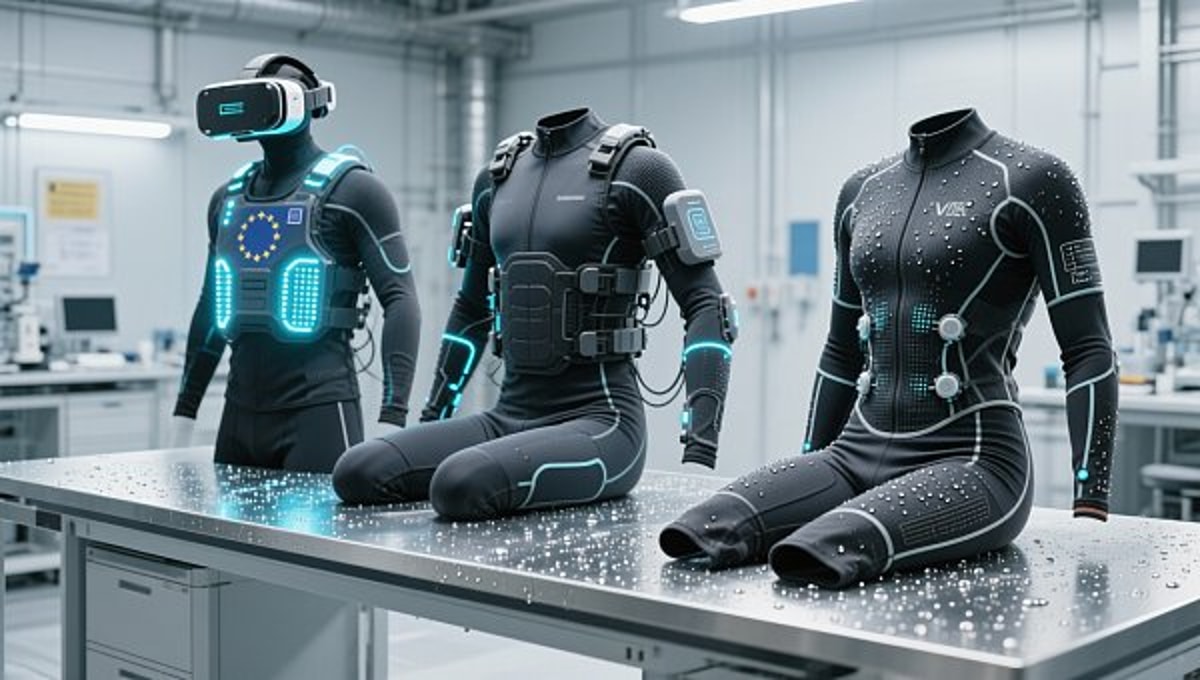
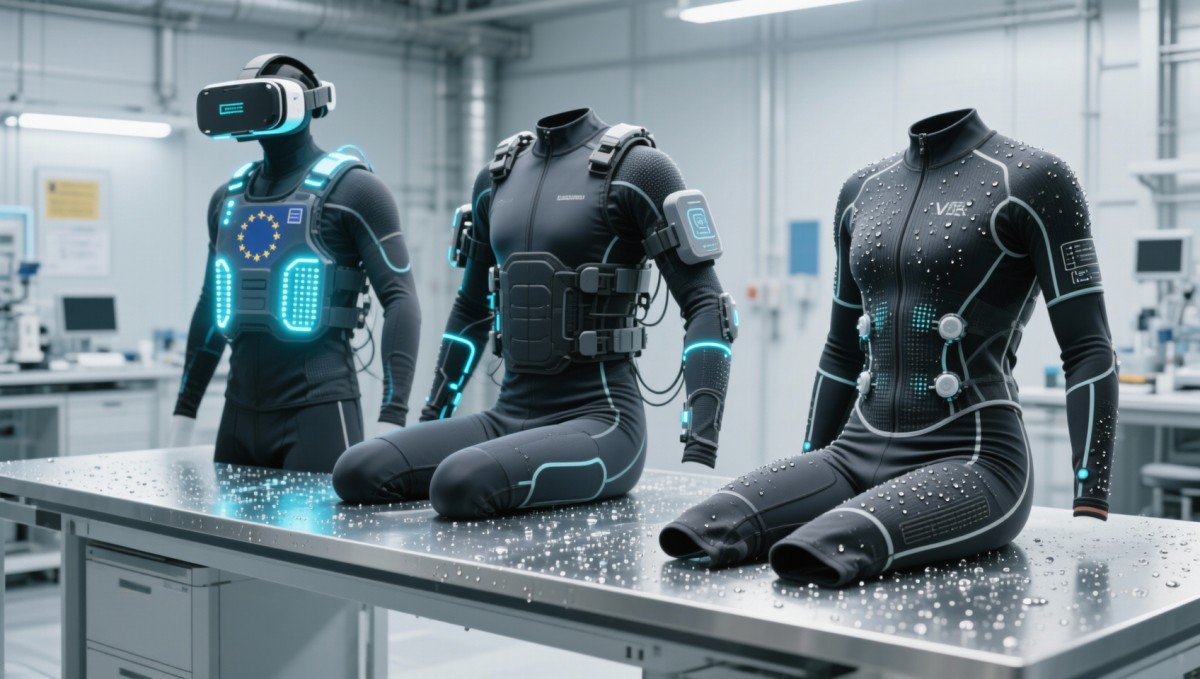
On 28 April 2026, the European Chemicals Agency (ECHA) published a draft regulatory update targeting color fastness and phthalate testing requirements for sportswear and elastic textiles—including VR haptic garments, LED-integrated training apparel, and pressure-sensing athletic wear—setting off potential REACH retesting demands from EU importers starting June 2026.
Event Overview
According to ECHA’s official website update dated 28 April 2026, the EU proposes to enforce a revised EN ISO 105-X15:2026 standard for color fastness on sport and leisure elastic fabrics—including smart wearable textiles—starting in Q3 2026. Concurrently, mandatory testing scope for four phthalates (DEHP, BBP, DBP, DIBP) under REACH Annex XVII will be expanded. The draft is publicly available; no final adoption date or transitional provisions have been announced.
Industries Affected by Segment
Direct Exporters of Smart Sportswear
Exporters supplying VR haptic sportswear, LED-lit training apparel, or sensor-embedded compression wear to EU markets face immediate pressure to provide updated test reports aligned with EN ISO 105-X15:2026 and extended phthalate screening. Impact manifests as delayed customs clearance, increased lab costs, and contractual renegotiation with EU buyers demanding compliance verification ahead of Q3 2026.
Textile Fabric Suppliers & Material Sourcing Firms
Fabric mills and functional material suppliers supplying base substrates (e.g., conductive knits, thermochromic weaves, stretch-sensor laminates) must verify upstream dyeing, finishing, and plasticizer use against the new thresholds. Non-compliant batches risk rejection at downstream garment assembly or post-import audit, increasing traceability and documentation burdens.
Contract Manufacturers & ODM/OEM Factories
Factories producing finished smart sportswear under brand license or private label arrangements may face revised quality clauses in manufacturing agreements. Re-testing obligations shift cost and timeline risk onto production partners—especially where color fastness or phthalate content depends on third-party trims (zippers, elastic bands, printed circuits).
Supply Chain Compliance & Testing Service Providers
Laboratories and conformity assessment bodies accredited for EN ISO 105-X15 and REACH phthalate testing are likely to see rising demand for pre-shipment validation, especially for high-value items with embedded electronics. Capacity constraints and lead time extensions are observable in early May 2026 booking data from major EU-recognized labs.
Key Points for Enterprises & Practitioners to Monitor and Act On
Track official status of the ECHA draft and upcoming Commission adoption timeline
The draft remains subject to stakeholder consultation and formal adoption. Enterprises should monitor ECHA’s public register for updates on consultation deadlines, impact assessments, and any proposed phase-in periods—none of which are confirmed as of 28 April 2026.
Identify product categories most exposed to the new scope: elastic smart textiles with direct skin contact
VR haptic suits, biometric training tops, and compression garments with integrated sensors fall squarely within the targeted category. Products using non-elastic woven fabrics or outerwear-only applications may not trigger the same level of scrutiny—though final scope depends on official guidance yet to be issued.
Distinguish between policy signal and operational requirement
While EU importers are already requesting updated reports starting June 2026, this reflects commercial risk mitigation—not legal obligation. Enforcement only applies after formal adoption and entry into force. Companies should avoid premature full-scale requalification until regulatory status is clarified.
Prepare internal alignment across R&D, procurement, and QA teams on revised test criteria
EN ISO 105-X15:2026 introduces stricter rub-fastness thresholds for wet and dry conditions on elastomeric substrates. Teams should review current dye systems, softeners, and plasticizer sources—particularly for components sourced from non-certified sub-suppliers—to assess readiness for retesting.
Editorial Perspective / Industry Observation
Analysis shows this development functions primarily as a regulatory signal—not an implemented rule. It reflects growing EU emphasis on durability-linked chemical safety in performance textiles, especially where dynamic wear conditions (sweat, stretch, friction) increase exposure risks. Observably, the timing coincides with rising market share of connected apparel in EU fitness channels, suggesting policy is tracking commercial adoption rather than leading it. From an industry perspective, this is less a sudden compliance shock and more an acceleration of an existing trend: tighter integration of textile performance standards with chemical regulation. Current focus should remain on monitoring formalization—not assuming immediate enforcement.
In summary, the ECHA draft signals heightened scrutiny—not immediate legal obligation—for Chinese exporters of smart sportswear entering the EU. Its significance lies in prompting proactive supply chain alignment and clarifying where technical readiness gaps exist, particularly for products combining elasticity, electronics, and direct skin contact. It is better understood as a preparatory milestone in ongoing regulatory convergence, not a finalized barrier.
Source: European Chemicals Agency (ECHA) official website, draft update published 28 April 2026. Note: Final adoption status, effective date, and transitional arrangements remain pending and require continued observation.
Search News
Hot Articles
Popular Tags
Need ExpertConsultation?
Connect with our specialized leisureengineering team for procurementstrategies.
Recommended News
 May 04, 2026EU Tightens Color Fastness & Phthalates Rules for Smart SportswearEU tightens color fastness & phthalates rules for smart sportswear—key update for VR haptic, LED, and sensor-integrated athletic wear exporters. Act now to avoid delays.● Luxury Retail Analyst
 Apr 30, 2026Designer eyewear trends that balance style and everyday wearDesigner eyewear trends that blend style with everyday comfort, durable materials, and versatile shapes. Discover what buyers should check before sourcing premium frames.● Luxury Retail Analyst
 Apr 29, 2026Luxury Accessories for Women That SellLuxury accessories for women that sell: learn how a custom jewelry manufacturer helps buyers source premium, giftable collections with quality, margin, and reliable supply.● Luxury Retail Analyst
 Apr 29, 2026How Men Choose Luxury Accessories TodayLuxury accessories for men are chosen for craftsmanship, trust, and value. See how a custom jewelry manufacturer helps brands meet modern demand and drive premium sales.● Luxury Retail Analyst
![]() Apr 29, 2026Custom Jewelry Manufacturer MOQ QuestionsCustom jewelry manufacturer MOQ questions answered: compare costs, flexibility, and sourcing risk for luxury accessories for men and luxury accessories for women.● Luxury Retail Analyst
Apr 29, 2026Custom Jewelry Manufacturer MOQ QuestionsCustom jewelry manufacturer MOQ questions answered: compare costs, flexibility, and sourcing risk for luxury accessories for men and luxury accessories for women.● Luxury Retail Analyst Apr 29, 2026Luxury Accessories for Women Worth StockingLuxury accessories for women worth stocking: learn how to choose a custom jewelry manufacturer, compare luxury accessories for men, and source profitable premium retail lines.● Luxury Retail Analyst
 Apr 29, 2026Best Luxury Accessories for Men in 2026Luxury accessories for men in 2026: explore premium trends, custom jewelry manufacturer insights, sourcing tips, and smart retail strategies for sports and entertainment buyers.● Luxury Retail Analyst
 Apr 29, 2026How to Vet a Custom Jewelry ManufacturerCustom jewelry manufacturer vetting guide for sports and entertainment buyers—compare MOQ, compliance, delivery, and quality for luxury accessories for men and women.● Luxury Retail Analyst
 Apr 25, 2026Luxury Jewelry B2B in 2026: What Changes?Luxury jewelry B2B in 2026: explore custom jewelry design, custom jewelry manufacturer trends, luxury jewelry wholesale shifts, and how custom luxury jewelry drives faster, safer growth.● Luxury Retail Analyst
 Apr 25, 2026How to Grow a Luxury Accessories Online StoreLearn how to grow a luxury accessories online store with custom jewelry design, a trusted custom jewelry manufacturer, luxury accessories wholesale strategy, and high-end luxury jewelry that converts.● Luxury Retail Analyst
 Apr 25, 2026Custom Jewelry for Corporate Gifts That LastCustom jewelry for corporate gifts from a trusted custom jewelry manufacturer—discover custom jewelry design, high-end luxury jewelry, and scalable luxury jewelry B2B solutions.● Luxury Retail Analyst
 Apr 25, 2026What a Good Luxury Accessories Catalog IncludesLuxury accessories catalog guide covering custom jewelry design, high-end luxury jewelry, luxury accessories for men and women, and trusted luxury jewelry B2B sourcing insights.● Luxury Retail Analyst
 Apr 27, 2026Custom Jewelry with Diamonds: Lab or Natural?Custom jewelry with diamonds: compare lab-grown and natural options for custom jewelry design, pricing, sourcing, and brand fit. A smart guide for luxury jewelry B2B buyers.● Luxury Retail Analyst
 Apr 27, 2026Luxury Accessories Wholesale: How to Start SmallLuxury accessories wholesale made simple: learn custom jewelry design, choose a reliable custom jewelry manufacturer, and build profitable luxury accessories for men and women with low-risk B2B sourcing.● Luxury Retail Analyst
 Apr 27, 2026Luxury Jewelry Manufacturer: Red Flags to KnowLuxury jewelry manufacturer warning signs every B2B buyer should know. Learn how to evaluate custom jewelry design, custom luxury jewelry, and luxury jewelry wholesale partners before costly mistakes.● Luxury Retail Analyst
 Apr 27, 2026Custom Jewelry for Weddings: Timeline GuideCustom jewelry for weddings made simple: learn timelines for custom jewelry design, choosing a custom jewelry manufacturer, and planning custom luxury jewelry with diamonds.● Luxury Retail Analyst
 Apr 27, 2026Luxury Jewelry Wholesale for New DistributorsLuxury jewelry wholesale guide for new distributors: compare custom jewelry manufacturer options, custom jewelry design support, and luxury jewelry B2B strategies to launch faster.● Luxury Retail Analyst
 Apr 27, 2026Custom Luxury Jewelry: OEM or Small Batch?Custom luxury jewelry sourcing guide: compare OEM vs small-batch with a custom jewelry manufacturer for custom jewelry design, cost control, quality, and scalable luxury jewelry B2B growth.● Luxury Retail Analyst
 Apr 27, 2026How to Price High-End Luxury Jewelry RightCustom jewelry design and high-end luxury jewelry pricing guide for B2B buyers—learn how a custom jewelry manufacturer sets value, margins, and wholesale strategy.● Luxury Retail Analyst
 Apr 27, 2026Luxury Accessories for Women by Price TierLuxury accessories for women by price tier: compare high-end luxury jewelry, luxury jewelry wholesale, and custom luxury jewelry from a trusted custom jewelry manufacturer for smarter B2B sourcing.● Luxury Retail Analyst
 Apr 27, 2026Luxury Accessories for Men: Classic or Trendy?Luxury accessories for men: classic or trendy? Explore custom jewelry design, high-end luxury jewelry, and how a luxury jewelry manufacturer helps buyers source smarter for growth.● Luxury Retail Analyst
 Apr 27, 2026How to Compare Custom Jewelry ManufacturersCompare every custom jewelry manufacturer with confidence. Learn how custom jewelry design, compliance, craftsmanship, MOQ, and luxury jewelry wholesale capabilities impact quality and growth.● Luxury Retail Analyst
 Apr 27, 20262026 Custom Jewelry Design Trends to WatchExplore 2026 custom jewelry design trends shaping B2B buying, from custom luxury jewelry and diamonds to luxury accessories for men and women with smarter sourcing insights.● Luxury Retail Analyst
 Apr 27, 2026Luxury Jewelry B2B: What Buyers Need FirstLuxury jewelry B2B starts with trust. Learn how a custom jewelry manufacturer supports custom jewelry design, luxury jewelry wholesale, and scalable high-end luxury jewelry sourcing.● Luxury Retail Analyst