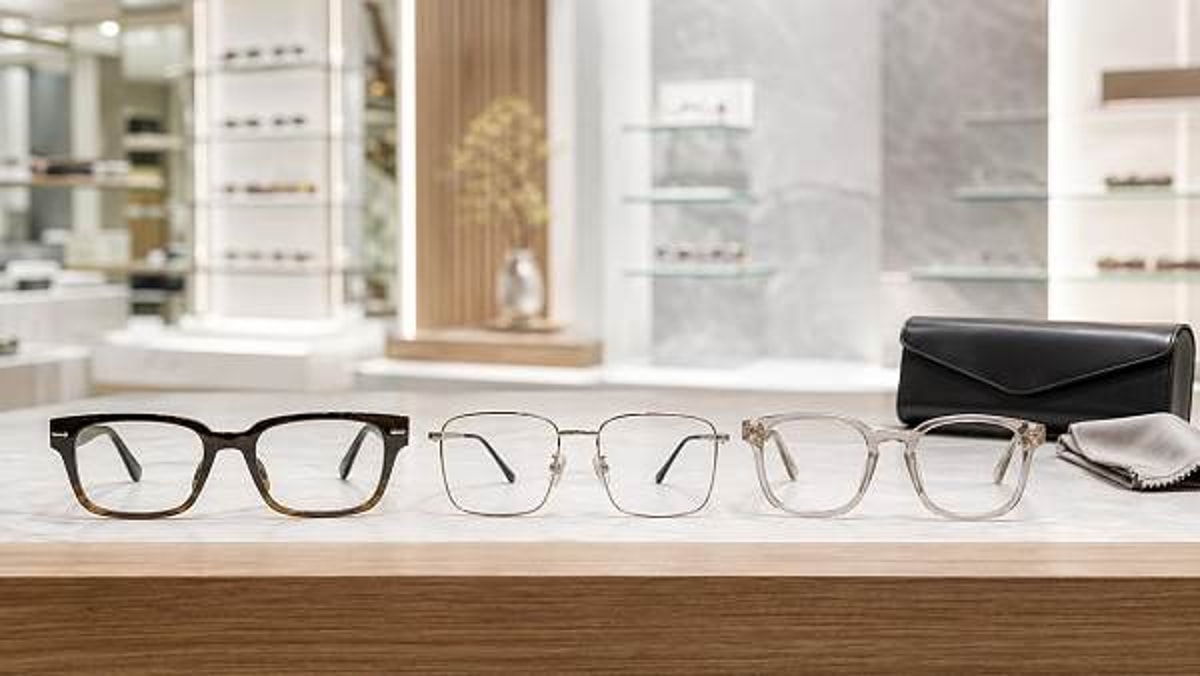
Designer eyewear trends that balance style and everyday wear
Designer eyewear is no longer reserved for special occasions. Today’s leading styles blend refined aesthetics with lightweight comfort, durable materials, and all-day versatility. For information-driven buyers and trend researchers, understanding how designer eyewear balances fashion appeal with everyday practicality is essential to spotting products that meet evolving consumer expectations and premium retail demand.
Why a checklist approach matters when reviewing designer eyewear trends
For trend researchers, retail planners, and sourcing teams, designer eyewear should not be evaluated by appearance alone. In premium accessories, a frame may photograph well yet fail under daily wear because of weight imbalance, weak hinge performance, lens compatibility limits, or poor fit across different face shapes. A checklist-based review helps separate short-term fashion noise from styles that can support repeat sales over a 12- to 24-month product cycle.
This matters even more in cross-border commercial trade. Buyers serving specialty retail, hotel boutiques, travel retail, and luxury gift environments often need products that satisfy both display value and practical usability. In designer eyewear, the strongest opportunities usually sit in the middle ground: frames that look premium on shelf, feel comfortable after 6 to 10 hours of wear, and remain relevant across at least 2 or 3 seasonal updates rather than only one trend wave.
Using a structured method also improves communication between merchandising, design, sourcing, and compliance teams. Instead of discussing “style” in vague terms, teams can assess material durability, silhouette longevity, target price architecture, nose bridge comfort, and lens replacement feasibility. That gives decision-makers a more practical basis for shortlisting designer eyewear collections suitable for everyday use.
First-pass signals to review before deeper analysis
- Check whether the design language can survive beyond a single fashion season; a commercially stable style usually remains attractive for at least 9 to 18 months.
- Confirm daily-wear comfort factors such as frame weight, temple pressure, and nose pad or bridge stability for wear periods over 4 hours.
- Review material and component choices, especially acetate thickness, stainless steel flexibility, titanium positioning, and hinge construction.
- Assess whether the product can support both prescription and sun lens programs, which often broadens retail applicability.
Core checklist: what to examine in designer eyewear that aims for everyday wear
The most useful way to assess designer eyewear trends is to break them into measurable or observable criteria. Fashion relevance matters, but so do performance details that influence return rates, customer satisfaction, and long-term assortment health. The table below outlines a practical screening framework for buyers and researchers comparing premium frames across multiple suppliers or trend directions.
A designer eyewear collection that performs well in all four areas has a stronger chance of succeeding in premium everyday retail. For information researchers, this table can also be used to compare whether a trend is truly consumer-friendly or simply visually dramatic. In most commercial settings, frames that achieve balanced scores across aesthetics, comfort, and durability are more scalable than highly theatrical designs.
Priority checks for style-versus-wearability balance
A practical review starts with proportion. Oversized shapes remain visible in the market, but successful everyday versions usually soften the volume through thinner rims, lighter temples, or more transparent materials. Likewise, narrow retro silhouettes can be commercially effective when lens height remains sufficient for real-world usability rather than becoming too fashion-specific.
Color is another key checkpoint. For daily-wear designer eyewear, neutral translucents, deep tortoise, black, muted olive, champagne, warm brown, and brushed metallics often carry better repeat demand than highly seasonal tones. A collection can still include 10% to 20% statement colors, but the commercial foundation usually depends on adaptable shades that work across office, travel, and social settings.
Brand expression should also be measured. Consumers in luxury accessories increasingly respond to quiet design signals such as hinge detailing, temple line refinement, or subtle signature accents instead of oversized logos. For premium distribution, understated brand identity often increases wear frequency because the frame feels versatile rather than occasion-bound.
Quick decision checklist
- Confirm whether the frame remains comfortable after repeated fitting and movement.
- Check if the silhouette is recognizable without becoming too extreme for daily wear.
- Review whether colors and finishes can serve at least 3 customer moments: work, travel, and casual social use.
- Verify that the construction supports both visual quality and serviceability in the supply chain.
Trend directions worth tracking in designer eyewear now
Current designer eyewear trends suggest a clear commercial shift: style is becoming more wearable, not less distinctive. Instead of choosing between comfort and luxury appeal, leading designs increasingly combine slim engineering, polished materials, and contemporary shapes. This creates strong opportunities for buyers looking to build assortments with broad daily relevance.
One visible trend is the rise of “refined statement” frames. These retain fashion authority through shape or color depth, but avoid excessive bulk. Examples include softly sculpted cat-eyes, geometric rounds with softened angles, and square frames with slimmer profiles. In practical terms, these models can appeal to both trend-led customers and first-time premium buyers, which is valuable in mixed retail environments.
Another important shift is material transparency in design language. Consumers increasingly notice whether a frame feels heavy, stiff, or fragile. As a result, lightweight acetate, stainless steel, titanium-based constructions, and mixed-material frames are gaining traction because they support comfort without removing the luxury cue. Frames in the 18 g to 32 g wearable range often achieve better acceptance for all-day use than visibly heavier fashion pieces.
Trend checklist by visual direction and practical value
The following comparison helps researchers distinguish visually important trends from those with stronger everyday retail value. This is especially helpful when planning premium eyewear assortments for boutiques, department concepts, travel retail corners, or curated luxury accessories programs.
The main takeaway is that not all fashionable designer eyewear trends carry the same commercial strength. Soft square and slim metal categories often provide the best balance of trend visibility and practical wear. Oversized styles can still be important in premium storytelling, but they usually work best as a focused share of the assortment rather than the full core.
Signals that a trend is commercially durable
- The shape flatters multiple face types without requiring perfect styling conditions.
- The design can support prescription adaptation as well as plano or sun usage.
- Color options include a core range of 4 to 6 dependable tones.
- Construction details suggest repeated wear rather than occasional use only.
Scenario-based checks: what changes by channel, buyer, and end use
Designer eyewear does not perform the same way in every commercial environment. A style that works in a fashion-led boutique may not move as strongly in travel retail, corporate gifting, hotel lifestyle stores, or mixed luxury accessories counters. For sourcing decisions, trend researchers should map eyewear trends against channel behavior, purchase urgency, and customer expectation level.
In hotel boutiques and curated lifestyle retail, designer eyewear often needs to function as both a premium accessory and an impulse-friendly purchase. That means visible style identity, giftable packaging logic, and low-friction wearability matter more than highly technical niche features. In contrast, optical-focused retail usually requires stronger attention to bridge fit, lens compatibility, and frame adjustability because the customer evaluation process is more detailed.
For B2B buyers sourcing across regions, climate and user habits also matter. In warm, high-humidity markets, nose slip and finish resistance become more important. In urban commuter markets, lightness and secure fit often rank higher. In premium gifting programs, logo visibility and packaging narrative may carry more weight, but comfort still affects satisfaction after purchase.
Use-case checklist by commercial setting
- For boutique retail, prioritize trend clarity, tactile finishing, and shelf appeal within a compact but recognizable assortment.
- For travel retail, prioritize lightweight construction, broad face-shape compatibility, and styles that communicate luxury quickly.
- For optical or prescription-linked channels, prioritize fit architecture, lens adaptability, and component serviceability.
- For gifting or hospitality programs, prioritize refined packaging logic, durable presentation, and universal visual appeal.
Operational questions buyers should ask early
Beyond design, buyers should confirm practical sourcing points in the first 2 to 3 communication rounds. Typical questions include lead time ranges for sampling and bulk production, replacement part support, colorway minimums, and whether the collection structure includes core carryover styles. A fashion-forward frame is less useful if replenishment timing or consistency cannot support premium retail needs.
It is also wise to ask how the supplier positions style continuity. Some designer eyewear programs are built around fast rotation, while others use a stable design base with controlled seasonal updates. For channels that value continuity, a carryover ratio of 40% to 60% can be commercially helpful because it reduces assortment disruption while keeping the presentation current.
When comparing options, researchers should note whether the collection supports merchandising by face shape, customer age range, or lifestyle use. That kind of structure often indicates a more mature product strategy and makes downstream retail planning easier.
Commonly overlooked risks in designer eyewear selection
One of the most frequent mistakes is overvaluing visual novelty while underchecking fit and component details. A frame can look premium in campaign images but perform poorly in-store if hinge tension is inconsistent, temples pinch, or the bridge fit is too narrow. These problems often appear only after repeated try-ons, which is why evaluation should extend beyond first impressions.
Another overlooked issue is assortment imbalance. Some buyers become too concentrated in one statement direction, such as oversized glamour frames or ultra-thin retro silhouettes. While these may create excitement, they can reduce broader sell-through if not balanced with reliable daily-wear options. In many premium eyewear edits, a practical structure is 60% core wearable styles, 25% trend-driven updates, and 15% expressive showcase pieces.
Researchers should also watch for weak after-sales logic. Everyday designer eyewear is handled frequently, transported often, and expected to retain appearance over time. If spare parts, repair pathways, or basic maintenance guidance are unclear, the total commercial value of the program may be lower than the initial design appeal suggests.
Risk reminder checklist
- Do not approve a frame based only on front-view photography; side profile and wear balance matter.
- Do not assume a luxury appearance equals long-term durability; inspect hinges, finishing, and material consistency.
- Do not build an assortment with too many statement pieces and too few daily-use anchors.
- Do not ignore packaging, replenishment, and service support when comparing designer eyewear vendors.
A simple pre-approval standard
Before final selection, many buyers benefit from a three-part gate: visual relevance, wear comfort, and supply reliability. If a frame scores strongly in only one or two of those areas, it may still work as a niche statement product, but not as a dependable everyday style. This screening method is especially useful when narrowing down larger premium collections into commercially viable shortlists.
From a market intelligence perspective, this is where designer eyewear becomes more than a fashion category. It becomes a sourcing decision shaped by product engineering, consumer behavior, and operational readiness. The best-performing trends are usually those that satisfy all three dimensions with minimal compromise.
How to move from trend research to sourcing action
Once the main style directions are clear, the next step is to organize the information in a way that supports decision-making. For designer eyewear, that usually means building a comparison file around 5 to 7 key criteria: silhouette type, material category, comfort expectation, target retail position, color architecture, lead time logic, and service support. This reduces the risk of choosing attractive frames that do not match the intended channel.
It is also useful to divide findings into “core now,” “watch next,” and “experimental” categories. Core now refers to commercially stable styles already aligned with everyday wear. Watch next includes emerging shapes or finishes that show strong potential but may need more validation. Experimental covers directional pieces suitable for selective testing in smaller quantities or image-building placements.
For global sourcing teams, communication quality is as important as trend accuracy. Clear discussion around construction details, target use cases, sample expectations, and delivery windows helps turn trend intelligence into an actionable procurement plan. In premium accessories, alignment at the early stage often saves time later in negotiation, approval, and range planning.
What to prepare before contacting a sourcing or intelligence partner
- Define whether the focus is optical frames, sunglasses, mixed collections, or a lifestyle accessories edit.
- List the target channels, such as specialty retail, hospitality boutiques, travel retail, or luxury department environments.
- Clarify required price architecture, expected order rhythm, and sample review priorities.
- Identify whether custom colorways, packaging support, or OEM/ODM adaptation may be needed.
- Prepare any compliance or destination-market requirements that could affect product selection.
Why choose us
Global Commercial Trade helps information-driven buyers and sourcing teams evaluate designer eyewear with a commercial lens, not just a fashion one. Our sector-focused intelligence approach is designed for professionals who need to compare style direction, practical wearability, sourcing viability, and premium market fit across global supply options.
If you are reviewing designer eyewear for luxury accessories programs, hospitality retail, specialty channels, or broader premium sourcing plans, we can help you organize the decision around the factors that matter most: product selection logic, style positioning, customization possibilities, delivery timing, and market-ready assortment planning.
Contact us to discuss frame parameters, product selection, lead time expectations, customization options, certification-related questions, sample support, or quotation planning. With clearer inputs at the start, it becomes much easier to identify designer eyewear that truly balances style and everyday wear for your target market.
Search News
Hot Articles
Popular Tags
Need ExpertConsultation?
Connect with our specialized leisureengineering team for procurementstrategies.
Recommended News
 Apr 30, 2026Designer eyewear trends that balance style and everyday wearDesigner eyewear trends that blend style with everyday comfort, durable materials, and versatile shapes. Discover what buyers should check before sourcing premium frames.● Luxury Retail Analyst
 Apr 29, 2026Luxury Accessories for Women That SellLuxury accessories for women that sell: learn how a custom jewelry manufacturer helps buyers source premium, giftable collections with quality, margin, and reliable supply.● Luxury Retail Analyst
 Apr 29, 2026How Men Choose Luxury Accessories TodayLuxury accessories for men are chosen for craftsmanship, trust, and value. See how a custom jewelry manufacturer helps brands meet modern demand and drive premium sales.● Luxury Retail Analyst
![]() Apr 29, 2026Custom Jewelry Manufacturer MOQ QuestionsCustom jewelry manufacturer MOQ questions answered: compare costs, flexibility, and sourcing risk for luxury accessories for men and luxury accessories for women.● Luxury Retail Analyst
Apr 29, 2026Custom Jewelry Manufacturer MOQ QuestionsCustom jewelry manufacturer MOQ questions answered: compare costs, flexibility, and sourcing risk for luxury accessories for men and luxury accessories for women.● Luxury Retail Analyst Apr 29, 2026Luxury Accessories for Women Worth StockingLuxury accessories for women worth stocking: learn how to choose a custom jewelry manufacturer, compare luxury accessories for men, and source profitable premium retail lines.● Luxury Retail Analyst
 Apr 29, 2026Best Luxury Accessories for Men in 2026Luxury accessories for men in 2026: explore premium trends, custom jewelry manufacturer insights, sourcing tips, and smart retail strategies for sports and entertainment buyers.● Luxury Retail Analyst
 Apr 29, 2026How to Vet a Custom Jewelry ManufacturerCustom jewelry manufacturer vetting guide for sports and entertainment buyers—compare MOQ, compliance, delivery, and quality for luxury accessories for men and women.● Luxury Retail Analyst
 Apr 25, 2026Luxury Jewelry B2B in 2026: What Changes?Luxury jewelry B2B in 2026: explore custom jewelry design, custom jewelry manufacturer trends, luxury jewelry wholesale shifts, and how custom luxury jewelry drives faster, safer growth.● Luxury Retail Analyst
 Apr 25, 2026How to Grow a Luxury Accessories Online StoreLearn how to grow a luxury accessories online store with custom jewelry design, a trusted custom jewelry manufacturer, luxury accessories wholesale strategy, and high-end luxury jewelry that converts.● Luxury Retail Analyst
 Apr 25, 2026Custom Jewelry for Corporate Gifts That LastCustom jewelry for corporate gifts from a trusted custom jewelry manufacturer—discover custom jewelry design, high-end luxury jewelry, and scalable luxury jewelry B2B solutions.● Luxury Retail Analyst
 Apr 25, 2026What a Good Luxury Accessories Catalog IncludesLuxury accessories catalog guide covering custom jewelry design, high-end luxury jewelry, luxury accessories for men and women, and trusted luxury jewelry B2B sourcing insights.● Luxury Retail Analyst
 Apr 27, 2026Custom Jewelry with Diamonds: Lab or Natural?Custom jewelry with diamonds: compare lab-grown and natural options for custom jewelry design, pricing, sourcing, and brand fit. A smart guide for luxury jewelry B2B buyers.● Luxury Retail Analyst
 Apr 27, 2026Luxury Accessories Wholesale: How to Start SmallLuxury accessories wholesale made simple: learn custom jewelry design, choose a reliable custom jewelry manufacturer, and build profitable luxury accessories for men and women with low-risk B2B sourcing.● Luxury Retail Analyst
 Apr 27, 2026Luxury Jewelry Manufacturer: Red Flags to KnowLuxury jewelry manufacturer warning signs every B2B buyer should know. Learn how to evaluate custom jewelry design, custom luxury jewelry, and luxury jewelry wholesale partners before costly mistakes.● Luxury Retail Analyst
 Apr 27, 2026Custom Jewelry for Weddings: Timeline GuideCustom jewelry for weddings made simple: learn timelines for custom jewelry design, choosing a custom jewelry manufacturer, and planning custom luxury jewelry with diamonds.● Luxury Retail Analyst
 Apr 27, 2026Luxury Jewelry Wholesale for New DistributorsLuxury jewelry wholesale guide for new distributors: compare custom jewelry manufacturer options, custom jewelry design support, and luxury jewelry B2B strategies to launch faster.● Luxury Retail Analyst
 Apr 27, 2026Custom Luxury Jewelry: OEM or Small Batch?Custom luxury jewelry sourcing guide: compare OEM vs small-batch with a custom jewelry manufacturer for custom jewelry design, cost control, quality, and scalable luxury jewelry B2B growth.● Luxury Retail Analyst
 Apr 27, 2026How to Price High-End Luxury Jewelry RightCustom jewelry design and high-end luxury jewelry pricing guide for B2B buyers—learn how a custom jewelry manufacturer sets value, margins, and wholesale strategy.● Luxury Retail Analyst
 Apr 27, 2026Luxury Accessories for Women by Price TierLuxury accessories for women by price tier: compare high-end luxury jewelry, luxury jewelry wholesale, and custom luxury jewelry from a trusted custom jewelry manufacturer for smarter B2B sourcing.● Luxury Retail Analyst
 Apr 27, 2026Luxury Accessories for Men: Classic or Trendy?Luxury accessories for men: classic or trendy? Explore custom jewelry design, high-end luxury jewelry, and how a luxury jewelry manufacturer helps buyers source smarter for growth.● Luxury Retail Analyst
 Apr 27, 2026How to Compare Custom Jewelry ManufacturersCompare every custom jewelry manufacturer with confidence. Learn how custom jewelry design, compliance, craftsmanship, MOQ, and luxury jewelry wholesale capabilities impact quality and growth.● Luxury Retail Analyst
 Apr 27, 20262026 Custom Jewelry Design Trends to WatchExplore 2026 custom jewelry design trends shaping B2B buying, from custom luxury jewelry and diamonds to luxury accessories for men and women with smarter sourcing insights.● Luxury Retail Analyst
 Apr 27, 2026Luxury Jewelry B2B: What Buyers Need FirstLuxury jewelry B2B starts with trust. Learn how a custom jewelry manufacturer supports custom jewelry design, luxury jewelry wholesale, and scalable high-end luxury jewelry sourcing.● Luxury Retail Analyst
 Apr 27, 2026How Luxury Brands Source Jewelry CollectionsCustom jewelry design and custom jewelry manufacturer insights for luxury brands: learn how high-end luxury jewelry, wholesale sourcing, and compliant supply chains drive profitable collections.● Luxury Retail Analyst