Why wholesale packing tape performance changes by climate
From freezing warehouses to humid shipping lanes and high-heat distribution centers, climate can significantly affect adhesive behavior, unwind force, and carton sealing reliability. For technical evaluators sourcing wholesale packing tape, understanding how temperature and moisture influence performance is essential to reducing failure rates, protecting goods, and selecting tape specifications that remain consistent across diverse transport and storage conditions.
What climate-related performance change really means
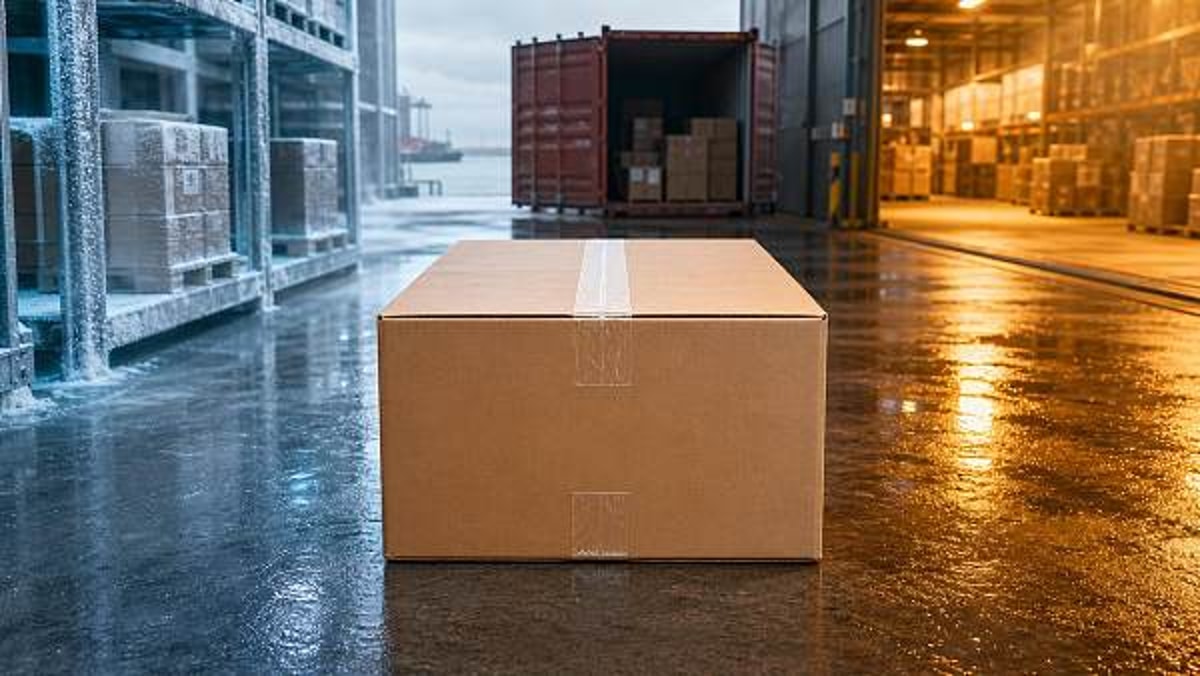
In technical terms, climate-driven performance change refers to the way environmental conditions alter the interaction between the tape backing, the adhesive layer, the carton surface, and the application process. When buyers discuss wholesale packing tape, they often focus on thickness, price per roll, or tensile strength. Those metrics matter, but they do not fully predict performance in real logistics environments. A tape that seals well in a dry, temperature-controlled packing room may fail on corrugated cartons stored overnight in a cold dock or shipped through tropical moisture.
For this reason, climate should be treated as a specification variable rather than a secondary operating detail. Tape performance is not fixed; it is conditional. Adhesion, cohesion, tack, release, elongation, and unwind consistency all shift under changing temperature and humidity. Technical evaluators therefore need to judge wholesale packing tape not only by lab-sheet data, but by the climate profile of the full supply chain.
Why the industry pays close attention to climate effects
Across commercial trade, packaging is a functional trust point. Hospitality equipment, office supplies, leisure components, audio devices, and luxury accessories all depend on secure transit packaging. In these sectors, carton failure is not a minor inconvenience. It can lead to contamination, cosmetic damage, warranty disputes, stock loss, and customer dissatisfaction. For high-value or presentation-sensitive goods, even partial seal lift can compromise perceived quality.
That is why the climate behavior of wholesale packing tape receives increasing attention among sourcing teams, quality engineers, and packaging evaluators. Global distribution networks now involve multi-zone transport: inland trucking, ocean freight, bonded storage, cross-docking, and final-mile handling. A single carton may move from low-humidity manufacturing sites to wet port environments and then into heated retail back rooms. Climate variation is no longer exceptional; it is normal.
In this context, the most economical tape on paper may become the most expensive in practice if it causes rework, resealing labor, damaged shipments, or inconsistent machine performance. Climate-aware evaluation helps buyers avoid those hidden costs.
How temperature and humidity affect wholesale packing tape
Temperature mainly influences adhesive flow, initial tack, and backing flexibility. Humidity mainly affects carton surfaces, fiber condition, and contamination risk. Together, these variables can change the way a tape applies, bonds, and holds over time.
Low temperature conditions
Cold environments reduce adhesive wet-out, especially if cartons and tape are both below the recommended application temperature. In simple terms, the adhesive cannot flow into the corrugated surface as efficiently, so the bond forms poorly. Acrylic systems often maintain better aging and UV resistance, but some may show weaker quick-stick behavior in very cold applications than hot melt formulations designed for aggressive initial grab. Backings can also become stiffer, increasing the risk of poor conformability around carton edges and flaps.
High temperature conditions
Heat can soften adhesives and increase the risk of adhesive ooze, flagging, edge lift, or telescoping in stored rolls. In automated lines, higher temperatures may change unwind force and machine handling characteristics. If cartons are stacked in hot containers or distribution centers, sustained load stress can challenge shear holding power. This is particularly relevant for heavy case sealing and palletized goods exposed to compression.
High humidity and moisture exposure
Humidity affects not just the tape, but the substrate. Corrugated board can absorb moisture, changing surface texture, stiffness, and bond readiness. Dust, condensation, and softened carton fibers may reduce effective adhesion. Some tape failures blamed on poor tape quality are actually moisture-related substrate failures. In tropical or marine shipping conditions, wholesale packing tape must be evaluated as part of a carton-tape-climate system, not as an isolated product.
Core tape variables that interact with climate
Technical evaluators should translate climate concerns into product variables that can be tested and compared. The following table provides a practical overview.
Common climate scenarios and suitable evaluation priorities
Not every supply chain faces the same risk profile. The practical value of wholesale packing tape depends on matching tape design to operating reality.
Application value for technical evaluators across commercial sectors
For technical assessment teams, climate-focused tape evaluation improves more than seal integrity. It also supports better standardization across sites, clearer supplier qualification, and lower total packaging cost. In hospitality and catering equipment, cartons may carry metal parts, glassware, or mixed-weight assemblies that need stable closure under vibration and varying storage conditions. In office and educational supplies, high-volume carton throughput makes machine compatibility and consistent unwind especially important. In amusement, leisure, audio, and instrument segments, packaging often protects fragile or high-value items where seal reliability directly affects product arrival condition.
For jewelry and luxury accessories, outer packaging is part of brand assurance even when the product is inside secondary protective layers. Climate-related tape failure can create visible tampering concerns, crushed presentation packaging, or unnecessary returns. This is why wholesale packing tape selection should align with product category sensitivity, not only transport cost targets.
How to evaluate wholesale packing tape more accurately
A reliable evaluation process starts by mapping the actual environmental journey of the carton. Many teams test tape only in standard indoor conditions, which can produce misleading approval decisions. Instead, qualification should reflect the most demanding parts of the route.
A practical approach includes five steps. First, define the climate envelope: storage temperature, application temperature, transit heat peaks, humidity exposure, and carton dwell time. Second, identify carton characteristics such as recycled content, board finish, dust level, and moisture absorption tendency. Third, compare adhesive systems under conditioned testing rather than room-only testing. Fourth, verify both immediate seal quality and delayed seal retention after aging or environmental cycling. Fifth, review machine and operator feedback, because a tape that performs in the lab but causes difficult unwind or inconsistent cut-off may still be a weak operational choice.
When possible, evaluators should request technical data that goes beyond headline thickness. Useful information includes application temperature recommendations, service temperature range, adhesion to steel, holding power, elongation, and storage conditions for the rolls themselves. For wholesale packing tape used at scale, consistency between production batches is also a quality signal worth monitoring.
Common mistakes that distort performance results
Several avoidable mistakes lead to incorrect conclusions. One is testing tape on cartons that are warmer or drier than field conditions, then assuming equal performance during shipping. Another is ignoring the application stage and focusing only on the service stage. A tape may survive low temperatures after a proper bond has formed, yet fail if it is actually applied in the cold. A third mistake is evaluating tape without considering carton grade. If the corrugated substrate changes, the same wholesale packing tape may appear inconsistent even when the real variable is the board surface.
It is also common to overvalue gauge alone. Thicker tape may improve perceived robustness, but adhesive chemistry and application fitness usually matter more than simple thickness increases. Finally, some buyers fail to condition both tape and cartons before testing. This weakens the credibility of the results.
Practical guidance for selecting climate-appropriate specifications
For most technical evaluators, the best decision comes from balancing environment, substrate, equipment, and product risk. If your operation includes cold application, prioritize tapes with proven low-temperature bonding behavior. If heat exposure is the larger threat, emphasize shear performance and roll stability. In humid lanes, confirm the tape’s performance on moisture-conditioned corrugated rather than relying on generic adhesion values.
Supplier discussion should also cover storage guidance. Even high-quality wholesale packing tape can underperform if rolls are stored in unsuitable conditions before use. Ask how long rolls should acclimate before application, what temperature range is preferred in storage, and whether the tape is optimized for manual dispensers, semi-automatic stations, or full automatic case sealers.
Where distribution spans multiple climate zones, a slightly higher-spec tape may reduce complexity by serving as a cross-regional standard. In many commercial environments, standardization lowers training issues, minimizes SKU fragmentation, and improves seal reliability at enterprise scale.
Conclusion and next evaluation step
Climate changes the real-world behavior of wholesale packing tape because adhesive systems, backing materials, carton surfaces, and application conditions do not respond uniformly to cold, heat, or moisture. For technical evaluators, the key insight is simple: tape should be specified for the environment it will face, not only for the price point it meets. A strong evaluation framework considers climate exposure, carton condition, sealing method, and load profile together.
If your organization sources packaging across varied commercial sectors or international shipping routes, the most effective next step is to review current tape approvals against actual climate conditions in storage, application, and transit. That process often reveals why seal performance varies and where a better-matched wholesale packing tape specification can improve consistency, reduce damage risk, and support more reliable global trade operations.
Search News
Hot Articles
Popular Tags
Need ExpertConsultation?
Connect with our specialized leisureengineering team for procurementstrategies.
Recommended News
 May 06, 2026Office tape dispensers that stay stable on fast-paced desksOffice tape dispensers that stay stable on fast-paced desks improve workflow, reduce tape waste, and support one-handed use. Compare smart, durable options now.● Institutional Buyer
 May 06, 2026Bubble envelopes bulk: the size mismatch that wastes shipping spendBubble envelopes bulk can cut costs—or quietly increase them. Learn how size mismatch drives shipping waste, damage risk, and packing delays, and how right-sizing protects margins.● Institutional Buyer
 May 06, 2026Office staplers bulk orders: why jam rates matter more than priceOffice staplers bulk buyers should compare jam rates before unit price. Learn how reliability, durability, and staple compatibility reduce hidden costs and improve workflow.● Institutional Buyer
 May 06, 2026Custom rubber stamps: what affects imprint clarity the mostCustom rubber stamps deliver the best imprint clarity when material quality, engraving depth, ink performance, and surface match work together. Learn what to compare before you buy.● Institutional Buyer
 May 06, 2026When paper guillotines become a safety risk in daily usePaper guillotines can become serious daily safety risks in offices, schools, and print rooms. Learn how to spot hazards, improve compliance, and choose safer models.● Institutional Buyer
 May 06, 2026Why wholesale packing tape performance changes by climateWholesale packing tape performance shifts with cold, heat, and humidity. Learn how climate affects adhesion, unwind, and seal reliability to choose the right tape and reduce shipping failures.● Institutional Buyer
 May 06, 2026Self inking stamps wholesale: what users notice after six monthsSelf inking stamps wholesale buyers often learn the truth after six months. Discover what users notice about durability, imprint quality, refills, and supplier reliability before you source.● Institutional Buyer
 May 06, 2026Hole punches wholesale: metal build or low-cost plastic?Hole punches wholesale: compare durable metal and low-cost plastic models for offices, schools, and bulk buyers. Discover which option delivers better value, fit, and long-term savings.● Institutional Buyer
 May 05, 2026Cork bulletin boards: why frame quality matters over board sizeCork bulletin boards deliver better long-term value when frame quality comes first. Learn how stronger materials, secure corners, and stable mounting improve durability, safety, and appearance.● Institutional Buyer
 May 05, 2026Soundproof phone booths: when sound ratings mislead office plansSoundproof phone booths can mislead office plans when ratings are taken at face value. Learn how to compare privacy, ventilation, placement, and compliance before you buy.● Institutional Buyer
 May 05, 2026Laser printer toner bulk: what affects page yield mostLaser printer toner bulk page yield depends on more than toner volume. Discover the top factors affecting real output and make smarter, lower-cost sourcing decisions.● Institutional Buyer
 May 05, 2026Science lab furniture: small design choices with big safety impactScience lab furniture shapes lab safety in ways many teams overlook. Discover smart design choices that reduce risk, improve compliance, and support efficient long-term performance.● Institutional Buyer
 May 05, 2026Wholesale ink cartridges: remanufactured vs compatible in real useWholesale ink cartridges compared in real use: remanufactured vs compatible on print quality, yield, firmware risk, and sourcing value—helping procurement teams buy smarter.● Institutional Buyer
 May 05, 2026Cash drawers wholesale: what causes jams at checkoutCash drawers wholesale guide: uncover the real causes of checkout jams, from latch design to POS compatibility, and learn how to source reliable drawers that reduce downtime.● Institutional Buyer
 May 05, 2026Office acoustic pods or open booths: which solves noise betterOffice acoustic pods vs. open booths: discover which solution controls noise better for privacy, focus, and hybrid calls, and make a smarter office planning decision.● Institutional Buyer
 May 05, 2026Office LED panel lights that cut glare without dim workspacesOffice LED panel lights that reduce glare without sacrificing brightness. Discover how to choose low-glare, high-comfort lighting for productive, compliant, and modern office spaces.● Institutional Buyer
 May 05, 2026Chemical resistant lab tops: which materials hold up bestChemical resistant lab tops compared: discover whether epoxy resin, phenolic resin, or stainless steel holds up best for harsh chemicals, heat, and daily lab demands.● Institutional Buyer
 May 05, 2026How to compare drafting tables wholesale without overbuyingDrafting tables wholesale comparison starts with MOQ, specs, and supplier reliability. Learn how to avoid overbuying, reduce inventory risk, and choose better-value sourcing options.● Institutional Buyer
 May 04, 2026Ergonomic Office Chairs Wholesale: Comfort Claims vs Real SupportErgonomic office chairs wholesale: learn how to verify real support beyond comfort claims with fit, adjustability, durability, and compliance insights for smarter commercial buying.● Institutional Buyer
 May 04, 2026Modular Office Workstations: Flexibility Can Add Setup CostsModular office workstations can improve flexibility, but setup costs often rise through installation, power, data, and rework. Learn when the added investment truly pays off.● Institutional Buyer
 May 04, 2026Steel Filing Cabinets: Why Some Drawers Jam Too EarlySteel filing cabinets often jam early due to weak slides, poor leveling, overload, or lock issues. Discover what to check before buying and how to avoid costly drawer failures.● Institutional Buyer
 May 04, 2026Office Network Racks: Airflow Problems Start With Bad PlanningOffice network racks can fail early when airflow is ignored. Learn the key planning checklist to prevent overheating, reduce maintenance risks, and build a more reliable office network.● Institutional Buyer
 May 04, 2026Office Partitions Wholesale: Open Plan Savings, Closed Office NeedsOffice partitions wholesale helps project managers cut fit-out costs, speed delivery, and balance open-plan efficiency with private office performance. Explore smarter commercial workspace solutions.● Institutional Buyer
 May 04, 2026Conference Room Tables: Common Layout Mistakes to AvoidConference room tables can make or break meeting flow. Discover common layout mistakes to avoid and plan smarter spaces for collaboration, AV integration, and professional results.● Institutional Buyer