Lost Wax Casting Machines Explained: Types, Capacity, and Metal Compatibility
Lost wax casting machines sit at the center of precision metal forming, especially where design detail, repeatability, and surface quality matter as much as output speed. In sectors linked to premium commercial experiences, including jewelry, branded fixtures, decorative hardware, and specialty components, the right equipment choice shapes both production efficiency and final value. That is why machine type, casting capacity, and metal compatibility deserve close technical review before any sourcing decision moves forward.
Why the topic matters beyond the workshop
Lost wax casting is often associated with jewelry, but its relevance is broader than that. It supports detailed metal parts for luxury retail displays, hospitality accents, musical hardware, commemorative items, and customized branded products.
For a platform such as Global Commercial Trade, this matters because commercial buyers increasingly expect products that combine aesthetics, dimensional consistency, and dependable manufacturing quality. A casting line that fails on porosity, shrinkage, or alloy control can disrupt that expectation quickly.
More importantly, sourcing is no longer only about finding a machine with enough output. It is about matching process capability to product intent, compliance requirements, and the realities of long-term production.
What lost wax casting machines actually do
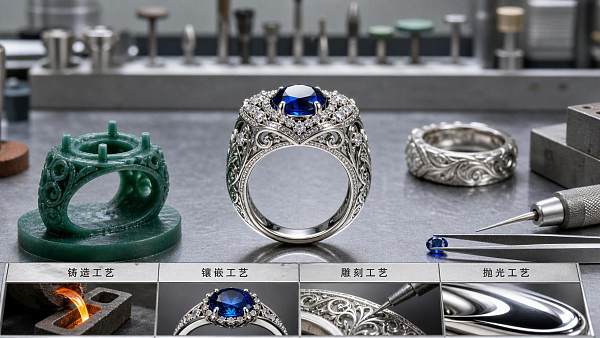
The lost wax process begins with a wax pattern. That pattern is invested in a refractory mold, the wax is removed, and molten metal fills the resulting cavity.
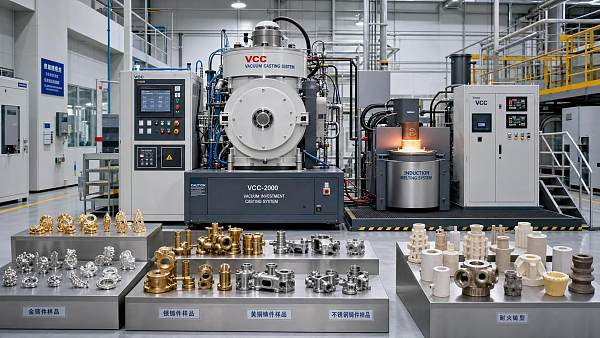
Lost wax casting machines mainly refer to the equipment used during metal melting, metal transfer, and mold filling. Depending on the production setup, this can include vacuum casting machines, centrifugal casting machines, induction melting systems, and integrated casting units.
Simple descriptions can be misleading, because the machine is not just pouring metal. It influences gas control, fill speed, turbulence, temperature stability, and final casting density.
In actual use, these variables decide whether fine prongs cast cleanly, whether thin sections remain complete, and whether polishing time stays manageable.
The main machine types and where they fit
Vacuum casting systems
Vacuum systems reduce trapped air and improve metal flow into small cavities. They are widely chosen for fine-detail parts, complex geometries, and higher expectations for surface quality.
These lost wax casting machines are common in jewelry and precision decorative work. They are especially useful when defects caused by oxidation or incomplete fill would be costly.
Centrifugal casting machines
Centrifugal systems use rotational force to drive molten metal into the mold. They can deliver strong fill performance for small and medium parts, often with relatively fast cycle times.
They remain popular where production volume matters and alloy behavior is well understood. However, machine balance, mold setup, and operator discipline are more critical than some buyers expect.
Induction melting and integrated casting units
Induction-based units improve control over melting temperature and process consistency. Integrated systems combine melting and casting in a tighter workflow, reducing transfer loss and contamination risk.
This category is often preferred when traceability, repeatability, and cleaner metallurgical control are more important than a low entry price.
Semi-automatic and automatic production systems
Higher-throughput lines may include automated temperature programs, vacuum cycles, recipe storage, and digital process monitoring. These features help when production spans many SKUs and multiple alloys.
Automation does not remove technical risk. It mainly reduces variability, provided the machine is configured around the real product mix.
Capacity is more than flask size
Buyers often compare lost wax casting machines by chamber size or maximum flask diameter. That is useful, but it is only a starting point.
True capacity depends on several linked factors: melt volume, alloy turnaround time, energy stability, cycle frequency, and acceptable scrap rate. A machine that handles a large flask but struggles with repeatable fill may deliver less usable output than a smaller, more stable system.
In practical evaluation, it helps to separate nominal capacity from effective capacity. Nominal capacity is what the specification sheet claims. Effective capacity is what the machine sustains while meeting finish and dimensional targets.
Metal compatibility is a serious selection filter
Not all lost wax casting machines perform equally across different alloys. Metal compatibility depends on melting temperature, oxidation tendency, fluidity, shrinkage behavior, and contamination sensitivity.
Gold and silver are common in precision casting and usually demand careful thermal control, especially where finish quality and low porosity are priorities. Brass and bronze introduce different flow and oxidation challenges. Stainless steel raises the bar further because of its higher melting demands and process sensitivity.
This is where technical evaluation becomes more specific. A machine suitable for precious metals may not be the best option for stainless steel or high-temperature specialty alloys.
Where machine choice affects business outcomes
The impact of lost wax casting machines is easiest to see in products where detail and consistency directly shape commercial value. Jewelry is the obvious case, but it is not the only one.
Boutique hotels may require bespoke metal ornaments, hardware, or branded accessories. Luxury retail spaces often use custom display elements with premium finishes. Musical accessories and commemorative products may also rely on repeatable fine casting.
In those situations, the machine influences more than production cost. It affects finishing labor, delivery reliability, defect visibility, and the consistency expected in premium commercial environments.
That link between manufacturing quality and end-use experience is central to GCT’s sourcing perspective. A technically sound machine decision supports a stronger supply chain and a more credible final product offer.
What to check during technical evaluation
A specification sheet rarely tells the full story. The more reliable approach is to evaluate process evidence, not just declared parameters.
- Verify the alloy range already proven on the machine, not just the metals listed in marketing materials.
- Check whether casting samples match the intended geometry, wall thickness, and surface expectations.
- Review temperature control range, vacuum performance, and repeatability across consecutive cycles.
- Ask how the system handles maintenance parts, crucibles, sensors, and calibration support.
- Look at scrap behavior under real production conditions, especially for detail-heavy or higher-temperature alloys.
- Confirm power, ventilation, and safety requirements before comparing installed cost.
Usually, the best machine is not the one with the most features. It is the one with the clearest fit between process capability and the actual production brief.
A practical way to compare options
When comparing lost wax casting machines, it helps to build a short decision matrix. Include part size range, alloy mix, monthly output target, acceptable defect rate, and finishing tolerance.
Then compare machines against those criteria rather than against broad claims about speed or flexibility. This prevents overbuying for unnecessary capacity or underbuying for difficult alloys.
For organizations sourcing across commercial categories, this discipline also makes supplier conversations more consistent. It creates a common standard for judging equipment suitability, sample quality, and long-term operating risk.
Closing perspective
Choosing among lost wax casting machines is ultimately a process decision disguised as an equipment decision. Type, capacity, and metal compatibility must be assessed together, because each one changes the value of the others.
A sound next step is to define the real casting envelope first: product geometry, alloy family, finish target, throughput expectation, and quality threshold. With that structure in place, machine comparisons become clearer, supplier claims become easier to test, and sourcing decisions become far more durable.
Search News
Hot Articles
- Restaurant FurnitureFast-Casual Restaurant Interiors: Design Choices That Improve Speed and Guest FlowOct 04, 2026
- Outdoor RidesHow to Select Leisure Park Equipment for Safe, High-Throughput Visitor AreasOct 03, 2026
- Fashion & Gem JewelryDiamond Tester Wholesale: How to Vet Accuracy, Calibration, and MOQ Before OrderingOct 02, 2026
Popular Tags
Need ExpertConsultation?
Connect with our specialized leisureengineering team for procurementstrategies.
Recommended News
 Oct 02, 2026Diamond Tester Wholesale: How to Vet Accuracy, Calibration, and MOQ Before OrderingDiamond tester wholesale guide: verify accuracy, calibration records, supplier quality controls, and MOQ terms before ordering. Source reliable testers with confidence.● Luxury Retail Analyst
 Sep 09, 2026Wholesale Coral Earrings: How Buyers Can Assess Quality, Treatments, and Supply RiskCoral jewelry earrings wholesale guide for buyers: assess quality, treatments, secure settings, documentation, and supply risks before ordering.● Luxury Retail Analyst
 Sep 01, 2026How to Choose a Jewelry Laser Engraving Machine Manufacturer for Custom ProductionChoose a jewelry laser engraving machine manufacturer with proven sample testing, precision fixtures, workflow-ready software, and reliable support for custom production.● Luxury Retail Analyst
 Aug 27, 2026Evaluating Luxury Retail Accessories Suppliers: Quality, Lead Times, and Brand FitLuxury retail accessories supplier selection made clearer: assess quality, lead times, compliance, costs, and brand fit to protect premium launches and margins.● Luxury Retail Analyst
 Jul 29, 2026Fine Jewelry Price Guide: What Affects Cost and How to Judge Real ValueFine jewelry price guide for buyers: learn what drives cost in metals, gemstones, craftsmanship, certification, and branding so you can judge real value, reduce sourcing risk, and buy with confidence.● Luxury Retail Analyst
 Jul 14, 2026What to Ask an Enamel Jewelry Manufacturer Before Sampling and Mass ProductionEnamel jewelry manufacturer selection starts with the right questions. Learn what to ask about materials, color matching, MOQ, QC, compliance, and lead times before sampling and mass production.● Luxury Retail Analyst
 Jul 12, 2026Surgical Steel Belly Rings vs Titanium: Material Differences, Safety, and CostSurgical steel belly rings vs titanium: compare safety, nickel exposure, comfort, durability, and cost to choose the best option for sensitive skin or budget-friendly style.● Luxury Retail Analyst
 Jul 12, 2026Natural Coral Jewelry Guide: How to Identify Real Coral, Treatments, and QualityNatural coral jewelry guide covering how to identify real coral, spot treatments, assess quality, and buy with confidence. Learn the key signs before you choose.● Luxury Retail Analyst
 Jul 11, 2026Braided Leather Bracelets OEM: Material, Clasp, and MOQ Factors Before SamplingBraided leather bracelets OEM guide covering material grades, clasp options, and MOQ factors before sampling. Learn how to reduce sourcing risk, control cost, and choose the right supplier.● Luxury Retail Analyst
 Jul 09, 2026Jewelry Craftsmanship Gemstone Setting Methods Explained: Prong, Bezel, Pave, and MoreJewelry craftsmanship gemstone setting explained clearly: compare prong, bezel, pavé, channel, and more to choose secure, beautiful, and commercially smart jewelry designs.● Luxury Retail Analyst
 Jul 06, 2026Photo Locket Necklace Manufacturer Selection Guide: Materials, MOQ, and Custom OptionsPhoto locket necklace manufacturer selection guide covering materials, MOQ, custom options, compliance, and quality checks to help buyers source smarter and build stronger jewelry lines.● Luxury Retail Analyst
 Jul 05, 2026What to Check When Comparing a Sterling Silver Clasp ManufacturerChoosing a sterling silver clasp manufacturer? Learn what to check first: 925 silver claims, finish quality, testing, compliance, lead times, and hidden sourcing costs.● Luxury Retail Analyst
 Jul 02, 2026Jewelry Craftsmanship Techniques Explained: Casting, Stone Setting, Engraving, and PolishingJewelry craftsmanship techniques explained: discover how casting, stone setting, engraving, and polishing shape quality, durability, and sourcing confidence.● Luxury Retail Analyst
 Jul 01, 2026Lost Wax Casting Machines Explained: Types, Capacity, and Metal CompatibilityLost wax casting machines explained: compare types, real capacity, and metal compatibility to choose the right system for precision casting, higher quality, and smarter sourcing.● Luxury Retail Analyst
 Jun 29, 2026How to Evaluate a Luxury Accessories Online Store Before You BuyLuxury accessories online store buying guide: learn how to verify authenticity, compare policies, check reviews, and avoid costly mistakes before you place an order.● Luxury Retail Analyst
 Jun 22, 2026Matching Couple Rings: Popular Materials, Fit Differences, and How to ChooseMatching couple rings guide: compare popular materials, fit differences, comfort, durability, and resizing options to choose a stylish pair that truly lasts.● Luxury Retail Analyst
 Jun 19, 2026How to Build a Fashion Accessories Catalog That Improves Product Discovery and SalesFashion accessories catalog strategies that improve product discovery, filtering, and conversions. Learn how to structure pages, categories, and data to drive more qualified sales.● Luxury Retail Analyst
 Jun 19, 2026How to Choose Luxury Accessories for Women by Material, Style, and Price PointLuxury accessories for women: learn how to choose the right pieces by material, style, and price point for better value, timeless appeal, and smarter buying decisions.● Luxury Retail Analyst
 Jun 18, 2026Stainless Steel Rings Bulk: 304 vs 316L, Finishes, and Custom Order FactorsStainless steel rings bulk guide: compare 304 vs 316L, explore finish options, and learn key custom order factors to reduce sourcing risk and improve product value.● Luxury Retail Analyst
 Jun 18, 2026Body Piercing Jewelry Bulk Buying Guide: Materials, Sizes, and MOQ QuestionsBody piercing jewelry bulk buying guide covering safe materials, size checks, MOQ strategy, supplier screening, and compliance tips to reduce risk and source with confidence.● Luxury Retail Analyst
 Jun 18, 2026How to Evaluate a Luxury Jewelry Exporter for Quality, Compliance, and DeliveryLuxury jewelry exporter evaluation starts with more than design. Learn how to verify quality, compliance, and delivery control to source premium jewelry with less risk.● Luxury Retail Analyst
 Jun 17, 2026Iced Out Watches Wholesale: How to Compare MOQ, Stone Quality, and MarginsIced out watches wholesale guide: compare MOQ, stone quality, and real margins to choose reliable suppliers, reduce risk, and grow resale profits with smarter sourcing.● Luxury Retail Analyst
 Jun 15, 2026How to Evaluate an Amber Jewelry Manufacturer: Quality Grades, OEM Options, and Lead TimesAmber jewelry manufacturer selection starts with quality grades, OEM capability, and realistic lead times. Learn how to compare suppliers, reduce sourcing risk, and choose with confidence.● Luxury Retail Analyst
 Jun 14, 2026Stainless Steel Rings Bulk Buying Guide: Grades, Finishes, Sizes, and Supplier ChecksStainless steel rings bulk buying guide covering grades, finishes, sizing, and supplier checks to help you reduce returns, protect quality, and source with confidence.● Luxury Retail Analyst