Surgical Steel Belly Rings vs Titanium: Material Differences, Safety, and Cost
Choosing between surgical steel belly rings and titanium is not a minor detail. In body jewelry, material affects comfort, healing, long-term appearance, and perceived value. That matters in both consumer research and commercial sourcing, especially as jewelry and luxury accessories become more quality-driven, compliance-focused, and experience-led across global retail channels.
For anyone comparing surgical steel belly rings with titanium options, the real question is not which material sounds better. It is which one fits the intended use, skin sensitivity profile, product positioning, and cost target. In today's market, that distinction shapes safer purchasing decisions and more reliable sourcing standards.
Why this comparison matters now
Body jewelry sits at the intersection of fashion, skin contact safety, and manufacturing consistency. Unlike decorative accessories worn over clothing, navel jewelry remains in direct contact with the body for long periods.
That makes material selection more than a style decision. It affects irritation risk, maintenance demands, and after-sale satisfaction. In premium retail and cross-border sourcing, those factors also influence returns, reputation, and compliance review.
This is one reason platforms such as Global Commercial Trade emphasize data-backed product understanding. In jewelry sourcing, the gap between a visually similar item and a commercially reliable item is often material science, not surface design.
The core material difference
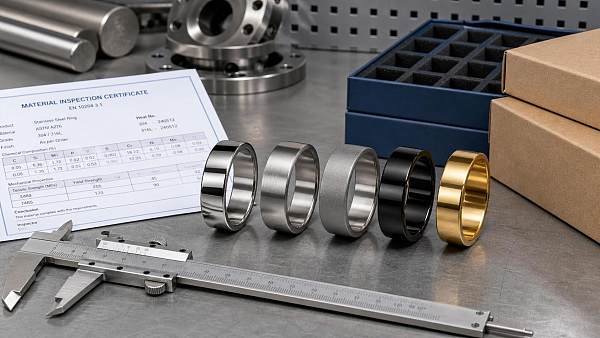
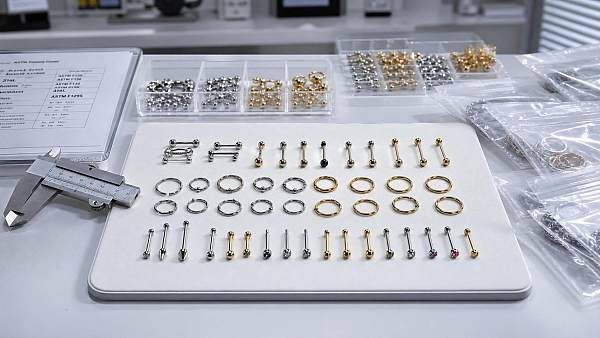
Surgical steel belly rings are usually made from stainless steel grades used in medical or body jewelry contexts, often 316L or 316LVM. These alloys are valued for strength, polish, and accessible pricing.
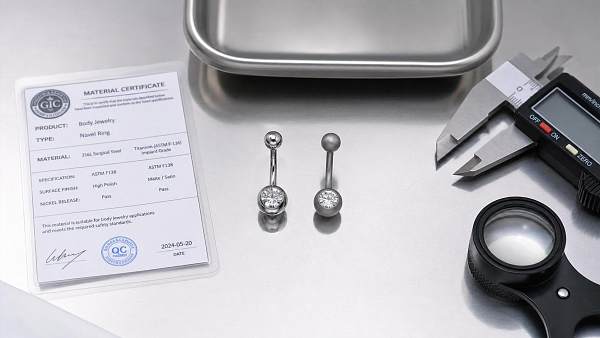
Titanium belly rings are commonly produced from implant-grade titanium, such as ASTM F136. Titanium contains no nickel in the way stainless steel alloys do, and that difference is central to its safety profile.
At a glance, both can look clean, bright, and durable. In actual use, however, they behave differently in terms of skin compatibility, weight, finish retention, and premium positioning.
A practical material snapshot
Safety and skin compatibility
Safety is usually the main reason this comparison exists. Surgical steel belly rings can be safe for many wearers, but they are not equally suitable for everyone. The key concern is nickel sensitivity.
Even high-quality surgical steel may release trace amounts of nickel over time. For people with reactive skin, that can lead to redness, itching, tenderness, or delayed healing. Not every wearer experiences this, but it remains a known issue.
Titanium usually performs better in this area. Implant-grade titanium is widely preferred for fresh piercings and sensitive skin because it is highly biocompatible and less likely to trigger metal-related irritation.
This distinction matters in product evaluation. A listing that simply says "steel" or even "surgical steel" does not automatically confirm optimal safety for first-time wear, healing stages, or allergy-prone users.
Points worth verifying
- Exact alloy or grade, not just a generic material label
- Whether the titanium is implant-grade and documented
- Surface finishing quality, including smoothness and polish consistency
- Any available compliance or test documentation for skin-contact products
Wear comfort, durability, and finish
In daily wear, comfort often comes down to weight and surface feel. Titanium is noticeably lighter than steel, which can make longer wear more comfortable, especially in larger or gemstone-set navel pieces.
Surgical steel belly rings, however, offer their own strengths. They are sturdy, resistant to deformation, and capable of taking a very bright polish. For many fashion-driven styles, that polished look supports strong visual appeal at a lower cost.
Durability should also be viewed carefully. Both materials resist corrosion when properly manufactured, but poor finishing, weak plating, or vague alloy claims can undermine performance. Material alone does not guarantee quality.
This is where sourcing discipline matters. Commercial buyers increasingly look beyond appearance and ask how a piece will perform after storage, shipping, repeated cleaning, and extended skin contact.
Cost differences and what they really mean
On price, surgical steel belly rings usually win. Raw material cost is lower, production is widely established, and many factories can manufacture steel body jewelry at scale with familiar tooling and finishing methods.
Titanium generally costs more for several reasons. The raw material is more expensive, machining can be more demanding, and true implant-grade sourcing adds documentation and quality control expectations.
Still, lower upfront cost does not always mean lower total cost. If a cheaper item creates irritation complaints, refund rates, or weak customer trust, the savings can disappear quickly.
In practice, the cost question is better framed this way: does the target product line prioritize entry-level affordability, or does it need stronger safety signaling and premium material credibility?
How the value equation usually breaks down
- Steel suits price-sensitive collections and broad-volume assortments.
- Titanium suits sensitive-skin positioning and upgraded quality tiers.
- Documented material quality often supports stronger long-term trust.
- The cheapest option is rarely the safest benchmark.
Where each material fits best
Not every jewelry line needs the same specification. Surgical steel belly rings often fit mainstream retail, trend-led collections, and price-accessible body jewelry programs where wearers are not especially metal-sensitive.
Titanium is often the better fit for fresh-piercing recommendations, premium body jewelry lines, curated studio selections, and markets where material disclosure strongly influences buying confidence.
From a broader trade perspective, this mirrors a larger shift in specialty retail. Buyers increasingly want products that combine aesthetic appeal with documented safety, traceable sourcing, and lower complaint risk.
That trend aligns with the editorial and sourcing logic seen across Global Commercial Trade. Whether the category is hospitality equipment or jewelry accessories, commercial value increasingly depends on performance evidence, not just catalog presentation.
How to evaluate options more accurately
A useful comparison starts with the intended wearing stage. For healed piercings and budget-conscious collections, surgical steel belly rings may be acceptable when alloy quality and finishing are clear.
For new piercings, highly sensitive skin, or premium positioning, titanium is usually the safer baseline. The difference becomes more obvious when customer expectations include comfort, lower irritation risk, and confidence in material claims.
It also helps to review the product beyond the headline material name. Ask whether the jewelry is solid metal or plated, whether threaded areas are smooth, and whether supplier documentation matches the marketing language.
When comparing suppliers or listings, these checkpoints are practical:
- Material grade is stated clearly and consistently.
- Surface finish appears smooth, not rough or irregular.
- Claims about hypoallergenic performance are specific.
- Price differences can be traced to real specifications.
- Packaging, labeling, and compliance language support market needs.
A clearer next step
The choice between surgical steel belly rings and titanium is really a choice between different risk, comfort, and value profiles. Steel remains relevant because it is durable, polished, and cost-efficient. Titanium stands out because it offers a stronger safety margin and a more premium material story.
A sound decision starts by matching the material to the wearing context, sensitivity concerns, and target price level. From there, compare exact grades, finishing standards, and documentation quality. That approach leads to a more dependable conclusion than choosing by appearance alone.
For deeper evaluation, the most useful next move is to build a comparison sheet around alloy grade, nickel exposure risk, finish quality, compliance evidence, and total landed cost. That turns a simple material question into a better sourcing decision.
Search News
Hot Articles
- Musical InstrumentsA Practical Guide to Identifying Wooden Orchestral Instruments by Family and ToneOct 10, 2026
- Indoor PlaygroundHow to Choose Animatronic Haunted House Props for High-Throughput AttractionsOct 08, 2026
- Fashion & Gem JewelryThermal Diamond Testers: How They Work and When They Can Misidentify StonesOct 07, 2026
Popular Tags
Need ExpertConsultation?
Connect with our specialized leisureengineering team for procurementstrategies.
Recommended News
 Oct 07, 2026Thermal Diamond Testers: How They Work and When They Can Misidentify StonesThermal diamond tester guide: learn how it works, spot false positives from moissanite, and choose reliable verification methods for jewelry trade and retail.● Luxury Retail Analyst
 Oct 02, 2026Diamond Tester Wholesale: How to Vet Accuracy, Calibration, and MOQ Before OrderingDiamond tester wholesale guide: verify accuracy, calibration records, supplier quality controls, and MOQ terms before ordering. Source reliable testers with confidence.● Luxury Retail Analyst
 Sep 09, 2026Wholesale Coral Earrings: How Buyers Can Assess Quality, Treatments, and Supply RiskCoral jewelry earrings wholesale guide for buyers: assess quality, treatments, secure settings, documentation, and supply risks before ordering.● Luxury Retail Analyst
 Sep 01, 2026How to Choose a Jewelry Laser Engraving Machine Manufacturer for Custom ProductionChoose a jewelry laser engraving machine manufacturer with proven sample testing, precision fixtures, workflow-ready software, and reliable support for custom production.● Luxury Retail Analyst
 Aug 27, 2026Evaluating Luxury Retail Accessories Suppliers: Quality, Lead Times, and Brand FitLuxury retail accessories supplier selection made clearer: assess quality, lead times, compliance, costs, and brand fit to protect premium launches and margins.● Luxury Retail Analyst
 Jul 29, 2026Fine Jewelry Price Guide: What Affects Cost and How to Judge Real ValueFine jewelry price guide for buyers: learn what drives cost in metals, gemstones, craftsmanship, certification, and branding so you can judge real value, reduce sourcing risk, and buy with confidence.● Luxury Retail Analyst
 Jul 14, 2026What to Ask an Enamel Jewelry Manufacturer Before Sampling and Mass ProductionEnamel jewelry manufacturer selection starts with the right questions. Learn what to ask about materials, color matching, MOQ, QC, compliance, and lead times before sampling and mass production.● Luxury Retail Analyst
 Jul 12, 2026Surgical Steel Belly Rings vs Titanium: Material Differences, Safety, and CostSurgical steel belly rings vs titanium: compare safety, nickel exposure, comfort, durability, and cost to choose the best option for sensitive skin or budget-friendly style.● Luxury Retail Analyst
 Jul 12, 2026Natural Coral Jewelry Guide: How to Identify Real Coral, Treatments, and QualityNatural coral jewelry guide covering how to identify real coral, spot treatments, assess quality, and buy with confidence. Learn the key signs before you choose.● Luxury Retail Analyst
 Jul 11, 2026Braided Leather Bracelets OEM: Material, Clasp, and MOQ Factors Before SamplingBraided leather bracelets OEM guide covering material grades, clasp options, and MOQ factors before sampling. Learn how to reduce sourcing risk, control cost, and choose the right supplier.● Luxury Retail Analyst
 Jul 09, 2026Jewelry Craftsmanship Gemstone Setting Methods Explained: Prong, Bezel, Pave, and MoreJewelry craftsmanship gemstone setting explained clearly: compare prong, bezel, pavé, channel, and more to choose secure, beautiful, and commercially smart jewelry designs.● Luxury Retail Analyst
 Jul 06, 2026Photo Locket Necklace Manufacturer Selection Guide: Materials, MOQ, and Custom OptionsPhoto locket necklace manufacturer selection guide covering materials, MOQ, custom options, compliance, and quality checks to help buyers source smarter and build stronger jewelry lines.● Luxury Retail Analyst
 Jul 05, 2026What to Check When Comparing a Sterling Silver Clasp ManufacturerChoosing a sterling silver clasp manufacturer? Learn what to check first: 925 silver claims, finish quality, testing, compliance, lead times, and hidden sourcing costs.● Luxury Retail Analyst
 Jul 02, 2026Jewelry Craftsmanship Techniques Explained: Casting, Stone Setting, Engraving, and PolishingJewelry craftsmanship techniques explained: discover how casting, stone setting, engraving, and polishing shape quality, durability, and sourcing confidence.● Luxury Retail Analyst
 Jul 01, 2026Lost Wax Casting Machines Explained: Types, Capacity, and Metal CompatibilityLost wax casting machines explained: compare types, real capacity, and metal compatibility to choose the right system for precision casting, higher quality, and smarter sourcing.● Luxury Retail Analyst
 Jun 29, 2026How to Evaluate a Luxury Accessories Online Store Before You BuyLuxury accessories online store buying guide: learn how to verify authenticity, compare policies, check reviews, and avoid costly mistakes before you place an order.● Luxury Retail Analyst
 Jun 22, 2026Matching Couple Rings: Popular Materials, Fit Differences, and How to ChooseMatching couple rings guide: compare popular materials, fit differences, comfort, durability, and resizing options to choose a stylish pair that truly lasts.● Luxury Retail Analyst
 Jun 19, 2026How to Build a Fashion Accessories Catalog That Improves Product Discovery and SalesFashion accessories catalog strategies that improve product discovery, filtering, and conversions. Learn how to structure pages, categories, and data to drive more qualified sales.● Luxury Retail Analyst
 Jun 19, 2026How to Choose Luxury Accessories for Women by Material, Style, and Price PointLuxury accessories for women: learn how to choose the right pieces by material, style, and price point for better value, timeless appeal, and smarter buying decisions.● Luxury Retail Analyst
 Jun 18, 2026Stainless Steel Rings Bulk: 304 vs 316L, Finishes, and Custom Order FactorsStainless steel rings bulk guide: compare 304 vs 316L, explore finish options, and learn key custom order factors to reduce sourcing risk and improve product value.● Luxury Retail Analyst
 Jun 18, 2026Body Piercing Jewelry Bulk Buying Guide: Materials, Sizes, and MOQ QuestionsBody piercing jewelry bulk buying guide covering safe materials, size checks, MOQ strategy, supplier screening, and compliance tips to reduce risk and source with confidence.● Luxury Retail Analyst
 Jun 18, 2026How to Evaluate a Luxury Jewelry Exporter for Quality, Compliance, and DeliveryLuxury jewelry exporter evaluation starts with more than design. Learn how to verify quality, compliance, and delivery control to source premium jewelry with less risk.● Luxury Retail Analyst
 Jun 17, 2026Iced Out Watches Wholesale: How to Compare MOQ, Stone Quality, and MarginsIced out watches wholesale guide: compare MOQ, stone quality, and real margins to choose reliable suppliers, reduce risk, and grow resale profits with smarter sourcing.● Luxury Retail Analyst
 Jun 15, 2026How to Evaluate an Amber Jewelry Manufacturer: Quality Grades, OEM Options, and Lead TimesAmber jewelry manufacturer selection starts with quality grades, OEM capability, and realistic lead times. Learn how to compare suppliers, reduce sourcing risk, and choose with confidence.● Luxury Retail Analyst