How custom jewelry for weddings avoids last minute stress
How custom jewelry for weddings avoids last minute stress
Planning a wedding often means balancing emotion, timelines, budgets, and countless supplier decisions, and jewelry should never become a last-minute source of anxiety.
Choosing custom jewelry for weddings early allows every design detail, material choice, size, engraving, production step, and inspection point to be confirmed before pressure builds.
For anyone comparing sourcing options, the custom process reveals how communication, capability, and clear milestones reduce delays while protecting the wedding vision.
Why a checklist matters for custom jewelry for weddings
Jewelry decisions appear simple until rings, necklaces, earrings, cufflinks, heirloom redesigns, and bridal party gifts enter the same schedule.
A checklist turns emotional choices into controlled actions. It helps compare craftsmanship, gemstones, metals, certification, packaging, lead time, and after-sales support.
In broader commercial sourcing, the same principle applies. Reliable custom jewelry for weddings depends on documentation, quality assurance, and transparent supplier accountability.
Without a checklist, small omissions can become urgent problems. A missing engraving approval or incorrect ring size can disrupt the final wedding week.
Core checklist before ordering custom jewelry for weddings
- Define the jewelry purpose first, separating engagement pieces, wedding bands, ceremony accessories, family gifts, and keepsake items before discussing design options.
- Confirm the wedding date, fitting deadlines, photography schedule, and travel plans so production milestones reflect real event requirements.
- Set a practical budget range, including metal upgrades, gemstone selection, engraving, certificates, insurance, resizing, shipping, and presentation packaging.
- Collect visual references, but explain what matters most, such as silhouette, stone shape, symbolic details, finish, or cultural meaning.
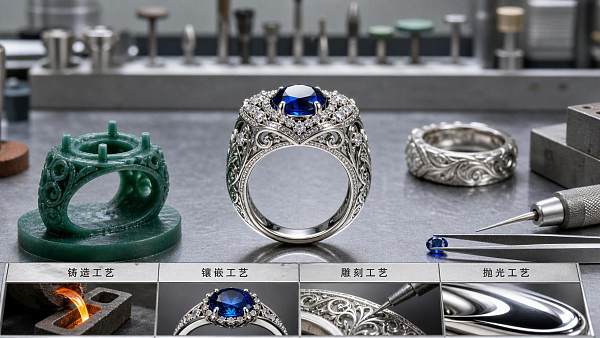
- Request sketches, CAD previews, wax models, or digital renders before approving custom jewelry for weddings with complex settings.
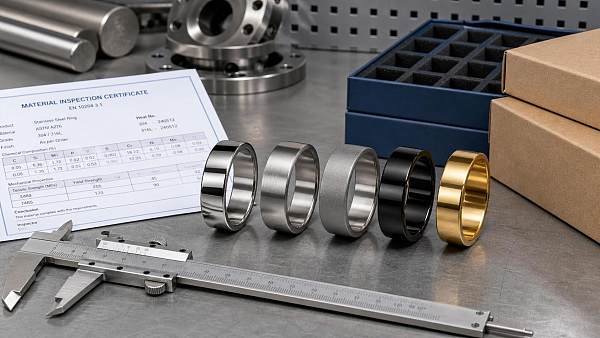
- Verify metal specifications, including karat, alloy color, plating method, nickel sensitivity, durability, and expected maintenance requirements.
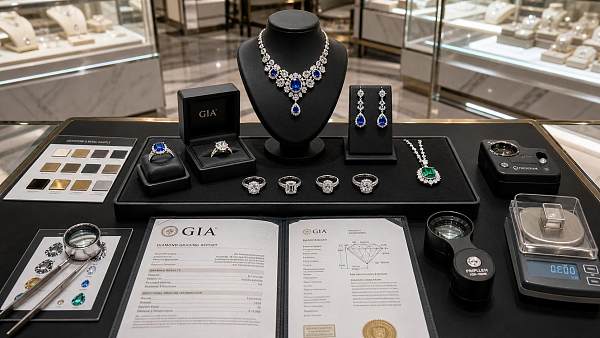
- Check gemstone documentation, especially for diamonds, sapphires, emeralds, rubies, pearls, and any stones with origin claims.
- Measure ring sizes professionally, then confirm seasonal swelling, band width, comfort fit, and resizing limitations for each design.
- Approve engraving text carefully, checking spelling, dates, initials, language marks, spacing, and character limits before production begins.
- Agree on inspection photos, video checks, polishing standards, stone security checks, and final packaging before shipment or pickup.
This checklist keeps custom jewelry for weddings from becoming a rushed purchase. It also creates a shared record for every important decision.
Design planning that prevents emotional rework
Design changes are easiest before materials are cut, cast, set, engraved, or polished. Early clarity reduces cost and protects delivery dates.
For custom jewelry for weddings, design approval should cover proportions, stone placement, band thickness, clasp style, surface finish, and daily wear comfort.
A visual reference board helps, but it should not replace written specifications. Images can inspire, while specifications prevent misunderstanding.
Use staged approvals
- Approve the concept only after confirming the item type, wearing occasion, design mood, and preferred level of visual detail.
- Approve the technical drawing after checking dimensions, stone size, setting height, clasp strength, and engraving position.
- Approve production only when material choices, payment terms, timeline, inspection standards, and remake conditions are written clearly.
Staged approval makes custom jewelry for weddings less vulnerable to memory gaps, emotional changes, or unclear verbal conversations.
Timeline control for custom jewelry for weddings
Time is the strongest stress factor in wedding jewelry sourcing. Custom work should never be treated like an instant retail purchase.
A simple timeline should include consultation, design draft, revision, material sourcing, production, quality inspection, delivery, fitting, and possible adjustment.
- Start wedding bands three to six months ahead, especially when hand engraving, rare gemstones, or multiple matching pieces are involved.
- Add buffer time for international shipping, customs clearance, holiday closures, gemstone replacement, and unexpected workshop capacity changes.
- Schedule final fitting at least three weeks before the wedding, leaving enough time for resizing or surface refinishing.
- Avoid approving major design changes after production starts unless the revised cost, delay, and technical risk are documented.
When custom jewelry for weddings follows a milestone calendar, every participant knows what must happen next and when decisions become final.
Material and quality checks before final approval
Materials influence appearance, comfort, price, longevity, and maintenance. They also affect whether the piece remains wearable beyond the ceremony.
For custom jewelry for weddings, metal choice should match skin sensitivity, lifestyle, climate, wardrobe colors, and the expected frequency of wear.
- Compare platinum, gold, white gold, rose gold, titanium, and silver by durability, repairability, color stability, and long-term care.
- Review gemstone hardness, clarity, cut, treatment, origin information, and setting security before prioritizing appearance alone.
- Ask for close-up images showing prongs, bezels, soldering, engraving depth, clasp movement, polish, and hidden surfaces.
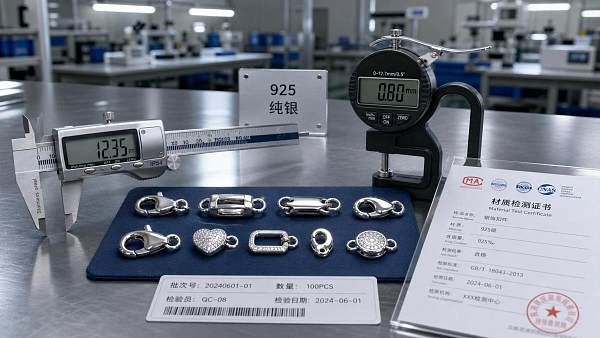
- Confirm certificates, invoices, warranty terms, maintenance guidance, and insurance valuation documents before storing the jewelry.
Quality checks protect custom jewelry for weddings from avoidable disappointment. They also create confidence before photographs, travel, and ceremony handling.
Scenario guide for different wedding jewelry needs
Wedding bands and engagement rings
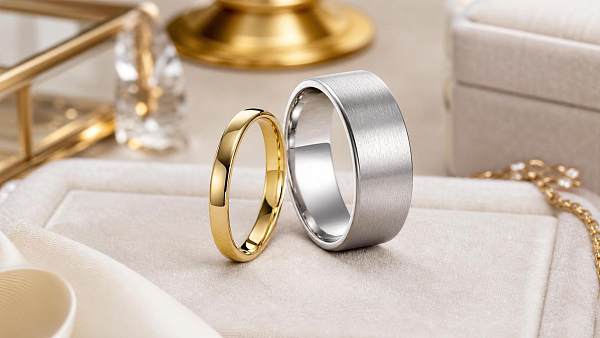
Wedding bands require special attention because they are worn daily. Comfort, edge shape, profile height, and resizing options matter.
Custom jewelry for weddings should balance symbolic design with practical wear. A dramatic ring may look beautiful but catch on fabric.
Bridal accessories and ceremony pieces
Necklaces, earrings, bracelets, hairpieces, and brooches should be tested with the dress neckline, veil, hairstyle, and lighting conditions.
For custom jewelry for weddings, accessory weight is important. Heavy earrings or stiff bracelets can become uncomfortable during long ceremonies.
Family heirloom redesigns
Heirloom redesigns carry emotional value. Before altering an old piece, document its condition, stones, metal, history, and sentimental meaning.
A careful redesign can turn inherited materials into custom jewelry for weddings while preserving memory and improving wearability.
Bridal party and guest gifts
Personalized gifts need consistent sizing, packaging, engraving, and delivery planning. Quantity increases the risk of small production errors.
When ordering multiple custom jewelry for weddings pieces, use a spreadsheet for names, initials, sizes, finishes, and gift notes.
Common risks that create last-minute stress
Unclear design language
Words like delicate, vintage, modern, or bold mean different things. Support every style description with measurements, references, and finish examples.
Late sizing decisions
Ring size can change with temperature, travel, pregnancy, medication, or stress. Confirm sizing early, then recheck before final production approval.
Missing documentation
Custom jewelry for weddings should come with clear records. Missing invoices, certificates, or warranty terms complicate insurance and future maintenance.
Ignoring packaging and transport
Jewelry may travel between homes, hotels, venues, and photography locations. Secure packaging prevents scratches, tangling, moisture exposure, and accidental loss.
Choosing only by price
Low quotes can hide weak materials, poor finishing, unclear gemstone origin, or rushed workmanship. Compare value through specifications, not price alone.
Practical sourcing steps for a smoother process
Reliable sourcing combines creativity with control. The goal is not only a beautiful result, but also a predictable process.
- Shortlist suppliers with visible custom work, transparent material descriptions, realistic timelines, and clear communication practices.
- Request a written quotation that separates design, materials, stones, labor, engraving, certification, packaging, shipping, and adjustment costs.
- Keep all approvals in one record, including sketches, CAD files, measurements, gemstone choices, invoices, and message confirmations.
- Set a decision deadline for every stage, then avoid reopening approved details unless a serious quality issue appears.
- Inspect the finished jewelry in natural light and indoor light, checking comfort, finish, stone security, and engraving accuracy.
GCT’s sourcing perspective highlights one consistent lesson: premium outcomes depend on verified capability, process discipline, and evidence-based comparison.
That applies directly to custom jewelry for weddings, where emotional value and technical execution must meet without avoidable delay.
Final checklist before the wedding week
- Store each piece in labeled packaging, separating rings, earrings, necklaces, bracelets, pins, cufflinks, and backup accessories.
- Photograph every finished item, including certificates and packaging, before travel or venue delivery begins.
- Assign one secure storage location and one responsible handler for ceremony jewelry on the wedding day.
- Pack a small care kit with polishing cloths, earring backs, ring box, travel pouch, and emergency contact details.
These final steps keep custom jewelry for weddings protected when schedules become crowded and attention shifts toward guests, styling, and celebration.
Summary and action guide
Custom jewelry for weddings avoids last-minute stress when decisions are documented, timelines include buffers, and quality checks happen before final delivery.
Start with purpose, confirm specifications, review materials, approve designs in stages, and protect every milestone with written records.
The next step is simple: build a jewelry checklist alongside the wedding schedule, then use it before any payment or production approval.
With disciplined planning, custom jewelry for weddings becomes more than a decorative detail. It becomes a calm, meaningful, and well-managed part of the celebration.
Search News
Hot Articles
- Fashion & Gem JewelryHow to Choose Designer Eyewear That Fits Your Store’s Customer ProfileOct 12, 2026
- Musical InstrumentsA Practical Guide to Identifying Wooden Orchestral Instruments by Family and ToneOct 10, 2026
- Indoor PlaygroundHow to Choose Animatronic Haunted House Props for High-Throughput AttractionsOct 08, 2026
Popular Tags
Need ExpertConsultation?
Connect with our specialized leisureengineering team for procurementstrategies.
Recommended News
 Oct 12, 2026How to Choose Designer Eyewear That Fits Your Store’s Customer ProfileDesigner eyewear buying guide for retailers: match frames, price points, brand appeal, fit, and supplier support to your store’s customer profile for stronger sales.● Luxury Retail Analyst
 Oct 07, 2026Thermal Diamond Testers: How They Work and When They Can Misidentify StonesThermal diamond tester guide: learn how it works, spot false positives from moissanite, and choose reliable verification methods for jewelry trade and retail.● Luxury Retail Analyst
 Oct 02, 2026Diamond Tester Wholesale: How to Vet Accuracy, Calibration, and MOQ Before OrderingDiamond tester wholesale guide: verify accuracy, calibration records, supplier quality controls, and MOQ terms before ordering. Source reliable testers with confidence.● Luxury Retail Analyst
 Sep 09, 2026Wholesale Coral Earrings: How Buyers Can Assess Quality, Treatments, and Supply RiskCoral jewelry earrings wholesale guide for buyers: assess quality, treatments, secure settings, documentation, and supply risks before ordering.● Luxury Retail Analyst
 Sep 01, 2026How to Choose a Jewelry Laser Engraving Machine Manufacturer for Custom ProductionChoose a jewelry laser engraving machine manufacturer with proven sample testing, precision fixtures, workflow-ready software, and reliable support for custom production.● Luxury Retail Analyst
 Aug 27, 2026Evaluating Luxury Retail Accessories Suppliers: Quality, Lead Times, and Brand FitLuxury retail accessories supplier selection made clearer: assess quality, lead times, compliance, costs, and brand fit to protect premium launches and margins.● Luxury Retail Analyst
 Jul 29, 2026Fine Jewelry Price Guide: What Affects Cost and How to Judge Real ValueFine jewelry price guide for buyers: learn what drives cost in metals, gemstones, craftsmanship, certification, and branding so you can judge real value, reduce sourcing risk, and buy with confidence.● Luxury Retail Analyst
 Jul 14, 2026What to Ask an Enamel Jewelry Manufacturer Before Sampling and Mass ProductionEnamel jewelry manufacturer selection starts with the right questions. Learn what to ask about materials, color matching, MOQ, QC, compliance, and lead times before sampling and mass production.● Luxury Retail Analyst
 Jul 12, 2026Surgical Steel Belly Rings vs Titanium: Material Differences, Safety, and CostSurgical steel belly rings vs titanium: compare safety, nickel exposure, comfort, durability, and cost to choose the best option for sensitive skin or budget-friendly style.● Luxury Retail Analyst
 Jul 12, 2026Natural Coral Jewelry Guide: How to Identify Real Coral, Treatments, and QualityNatural coral jewelry guide covering how to identify real coral, spot treatments, assess quality, and buy with confidence. Learn the key signs before you choose.● Luxury Retail Analyst
 Jul 11, 2026Braided Leather Bracelets OEM: Material, Clasp, and MOQ Factors Before SamplingBraided leather bracelets OEM guide covering material grades, clasp options, and MOQ factors before sampling. Learn how to reduce sourcing risk, control cost, and choose the right supplier.● Luxury Retail Analyst
 Jul 09, 2026Jewelry Craftsmanship Gemstone Setting Methods Explained: Prong, Bezel, Pave, and MoreJewelry craftsmanship gemstone setting explained clearly: compare prong, bezel, pavé, channel, and more to choose secure, beautiful, and commercially smart jewelry designs.● Luxury Retail Analyst
 Jul 06, 2026Photo Locket Necklace Manufacturer Selection Guide: Materials, MOQ, and Custom OptionsPhoto locket necklace manufacturer selection guide covering materials, MOQ, custom options, compliance, and quality checks to help buyers source smarter and build stronger jewelry lines.● Luxury Retail Analyst
 Jul 05, 2026What to Check When Comparing a Sterling Silver Clasp ManufacturerChoosing a sterling silver clasp manufacturer? Learn what to check first: 925 silver claims, finish quality, testing, compliance, lead times, and hidden sourcing costs.● Luxury Retail Analyst
 Jul 02, 2026Jewelry Craftsmanship Techniques Explained: Casting, Stone Setting, Engraving, and PolishingJewelry craftsmanship techniques explained: discover how casting, stone setting, engraving, and polishing shape quality, durability, and sourcing confidence.● Luxury Retail Analyst
 Jul 01, 2026Lost Wax Casting Machines Explained: Types, Capacity, and Metal CompatibilityLost wax casting machines explained: compare types, real capacity, and metal compatibility to choose the right system for precision casting, higher quality, and smarter sourcing.● Luxury Retail Analyst
 Jun 29, 2026How to Evaluate a Luxury Accessories Online Store Before You BuyLuxury accessories online store buying guide: learn how to verify authenticity, compare policies, check reviews, and avoid costly mistakes before you place an order.● Luxury Retail Analyst
 Jun 22, 2026Matching Couple Rings: Popular Materials, Fit Differences, and How to ChooseMatching couple rings guide: compare popular materials, fit differences, comfort, durability, and resizing options to choose a stylish pair that truly lasts.● Luxury Retail Analyst
 Jun 19, 2026How to Build a Fashion Accessories Catalog That Improves Product Discovery and SalesFashion accessories catalog strategies that improve product discovery, filtering, and conversions. Learn how to structure pages, categories, and data to drive more qualified sales.● Luxury Retail Analyst
 Jun 19, 2026How to Choose Luxury Accessories for Women by Material, Style, and Price PointLuxury accessories for women: learn how to choose the right pieces by material, style, and price point for better value, timeless appeal, and smarter buying decisions.● Luxury Retail Analyst
 Jun 18, 2026Stainless Steel Rings Bulk: 304 vs 316L, Finishes, and Custom Order FactorsStainless steel rings bulk guide: compare 304 vs 316L, explore finish options, and learn key custom order factors to reduce sourcing risk and improve product value.● Luxury Retail Analyst
 Jun 18, 2026Body Piercing Jewelry Bulk Buying Guide: Materials, Sizes, and MOQ QuestionsBody piercing jewelry bulk buying guide covering safe materials, size checks, MOQ strategy, supplier screening, and compliance tips to reduce risk and source with confidence.● Luxury Retail Analyst
 Jun 18, 2026How to Evaluate a Luxury Jewelry Exporter for Quality, Compliance, and DeliveryLuxury jewelry exporter evaluation starts with more than design. Learn how to verify quality, compliance, and delivery control to source premium jewelry with less risk.● Luxury Retail Analyst
 Jun 17, 2026Iced Out Watches Wholesale: How to Compare MOQ, Stone Quality, and MarginsIced out watches wholesale guide: compare MOQ, stone quality, and real margins to choose reliable suppliers, reduce risk, and grow resale profits with smarter sourcing.● Luxury Retail Analyst