How to Choose Luxury Accessories for Women by Material, Style, and Price Point
How to Choose Luxury Accessories for Women by Material, Style, and Price Point
Choosing luxury accessories for women is rarely just about looks.
The best decision blends material quality, style relevance, and a realistic price point.
That matters for personal buying, gifting, boutique sourcing, and premium retail planning.
In practice, smart selection starts with purpose.
Is the piece meant for daily wear, occasional use, brand signaling, or long-term value?
This guide explains how to evaluate luxury accessories for women with confidence and better judgment.
Start With the Role of the Accessory
Before comparing brands or prices, define the accessory’s role.
Luxury accessories for women serve different functions across wardrobes and commercial settings.
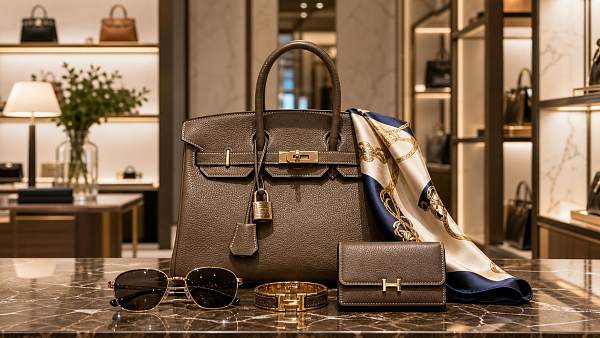
A structured leather handbag supports daily use.
A fine bracelet may work better for gifting, events, or milestone purchases.
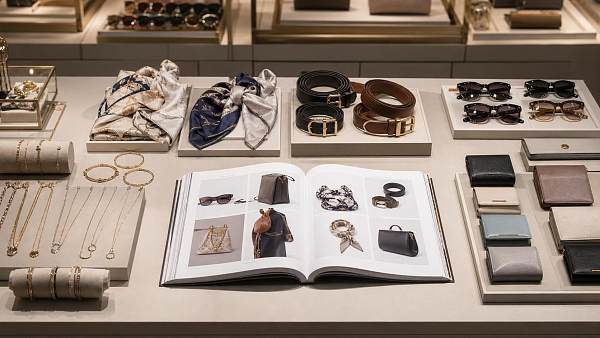
Scarves, belts, sunglasses, wallets, and jewelry each carry different expectations.
The more clearly the use case is defined, the easier quality trade-offs become.
- Daily use pieces should prioritize durability, comfort, and easy maintenance.
- Statement items should emphasize design impact and visual distinction.
- Gift-oriented selections should feel recognizable, polished, and versatile.
- Investment-focused purchases should favor timeless styling and stronger resale appeal.
This first step prevents overspending on features that do not match actual wear or commercial demand.
Evaluate Materials Before Style Hype
Material quality is the foundation of luxury accessories for women.
A beautiful design loses value quickly if the material ages poorly.
That is why material review should come before trend appeal.
Leather and Alternative Materials
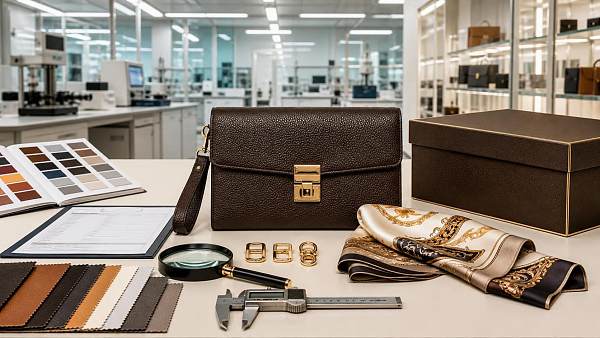
Full-grain leather remains a leading choice for premium bags, belts, and wallets.
It develops character over time and generally resists wear better than corrected leather.
Top-grain leather offers a more refined surface and a slightly lighter finish.
Suede adds softness and richness, but demands more care.
Vegan alternatives can perform well, but quality varies widely by supplier and finish.
When comparing luxury accessories for women in leather categories, inspect more than surface texture.
Look at edge painting, stitch density, lining quality, zipper reliability, and handle reinforcement.
Metals, Stones, and Plating
For jewelry, metal choice directly affects durability, color stability, and perceived value.
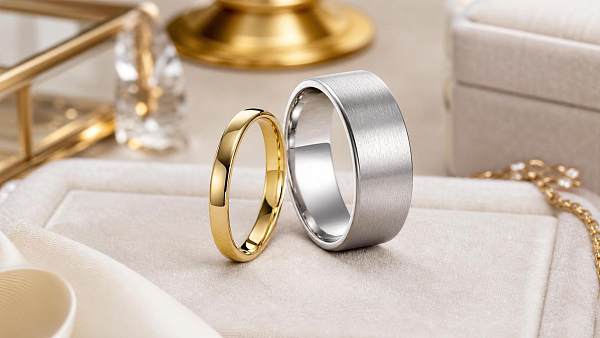
Solid gold, sterling silver, and platinum hold stronger long-term appeal.
Gold vermeil and high-quality plating can still be attractive at lower price points.
However, plating thickness and base metal composition matter a lot.
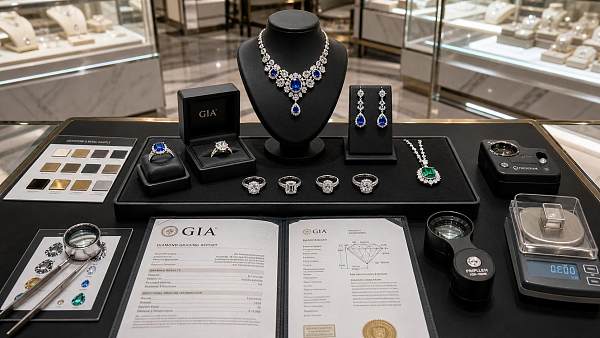
For gemstones, clarity, cut, consistency, and certification shape value more than size alone.
Match Style to Real Wardrobe Use
Style should feel personal, but it should also be functional.
Many luxury accessories for women look impressive online yet remain difficult to wear regularly.
A better approach is to compare style with actual wardrobe habits.
Minimal wardrobes often suit clean lines, neutral shades, and discreet hardware.
Classic wardrobes work well with equestrian details, structured silhouettes, and refined metallic accents.
Fashion-forward wardrobes may support sculptural forms, oversized proportions, or seasonal color stories.
This is where balance matters.
One strong statement piece can elevate a look.
Too many trend-led items can shorten the useful life of a luxury purchase.
Timeless vs. Trend-Driven
A timeless accessory usually wins on cost per wear.
Think neutral leather totes, slim gold hoops, silk scarves, or understated watches.
Trend-driven pieces can still be smart choices when budgets and expectations stay aligned.
If the trend feels short-lived, avoid paying investment-level prices.
Use Price Point as a Decision Tool
Price should not be treated as status alone.
It should help frame value, longevity, craftsmanship, and brand positioning.
For luxury accessories for women, a higher price can reflect better inputs.
But it can also reflect marketing weight, scarcity strategy, or logo premium.
A useful question is simple.
Are you paying for construction, rare materials, signature design, or just visibility?
The answer often reveals whether the price point is justified.
Compare Quality Signals Like a Professional Buyer
This is where informed selection becomes much easier.
Experienced buyers do not rely on branding alone when reviewing luxury accessories for women.
They look for repeatable quality signals.
- Consistent stitching with clean corners and no loose thread.
- Reliable hardware weight, finish, and fastening performance.
- Balanced proportions that support both comfort and function.
- Clear sourcing information for leather, metals, stones, or fabric.
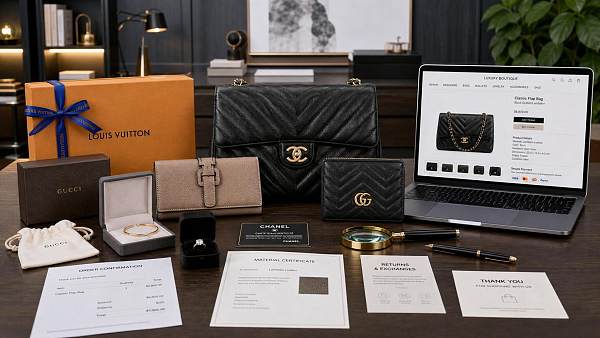
- Authenticity markers, certificates, and after-sales support.
In actual sourcing work, return policies and repair options also matter.
A premium accessory should come with service standards that match its positioning.
Avoid Common Buying Mistakes
Even strong products can become poor choices when selected for the wrong reasons.
Several mistakes appear again and again in the luxury accessories for women category.
- Buying for trend pressure instead of real use.
- Choosing delicate materials for heavy daily wear.
- Overpaying for logos while ignoring construction quality.
- Assuming all premium packaging signals premium craftsmanship.
- Skipping authentication or supplier verification.
A more reliable process is slower, but usually smarter.
Compare specifications, inspect details, and check whether the item fits a long-term wardrobe or assortment strategy.
A Practical Selection Framework
If the market feels crowded, simplify the decision.
Use a three-part framework for comparing luxury accessories for women.
- Material: Will it age well under expected use?
- Style: Does it match the wardrobe, customer profile, or occasion?
- Price: Does the cost reflect quality, function, and lasting value?
When all three align, the selection usually feels obvious.
When one factor is weak, the product often disappoints later.
That is especially true for premium purchases, where expectations are naturally higher.
The strongest luxury accessories for women do not just photograph well.
They wear well, stay relevant, and justify their price over time.
Final Thoughts
Choosing luxury accessories for women becomes easier when emotion and evaluation work together.
Start with intended use, then study materials, compare style fit, and test the logic behind the price.
This approach supports better personal choices and sharper sourcing decisions.
In a market shaped by premiumization, careful selection is a real advantage.
Use that framework to narrow options, reduce risk, and choose luxury accessories for women with lasting confidence.
Search News
Hot Articles
- Outdoor RidesWhat Drives Animatronic Dinosaur Manufacturer Prices for Theme Park Projects?Sep 18, 2026
- Stationery & UniformsHow to Source Wholesale Packing Tape Without Compromising Carton Seal StrengthSep 17, 2026
- Smart Campus TechHow to Source Educational Furniture Worldwide for Safe, Flexible Learning SpacesSep 16, 2026
Popular Tags
Need ExpertConsultation?
Connect with our specialized leisureengineering team for procurementstrategies.
Recommended News
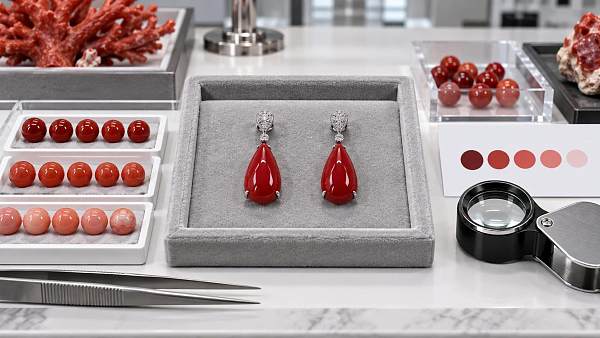
 Sep 09, 2026Wholesale Coral Earrings: How Buyers Can Assess Quality, Treatments, and Supply RiskCoral jewelry earrings wholesale guide for buyers: assess quality, treatments, secure settings, documentation, and supply risks before ordering.● Luxury Retail Analyst
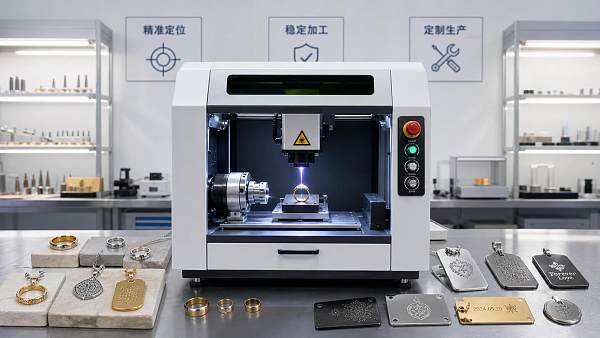
 Sep 01, 2026How to Choose a Jewelry Laser Engraving Machine Manufacturer for Custom ProductionChoose a jewelry laser engraving machine manufacturer with proven sample testing, precision fixtures, workflow-ready software, and reliable support for custom production.● Luxury Retail Analyst
 Aug 27, 2026Evaluating Luxury Retail Accessories Suppliers: Quality, Lead Times, and Brand FitLuxury retail accessories supplier selection made clearer: assess quality, lead times, compliance, costs, and brand fit to protect premium launches and margins.● Luxury Retail Analyst
 Jul 29, 2026Fine Jewelry Price Guide: What Affects Cost and How to Judge Real ValueFine jewelry price guide for buyers: learn what drives cost in metals, gemstones, craftsmanship, certification, and branding so you can judge real value, reduce sourcing risk, and buy with confidence.● Luxury Retail Analyst
 Jul 14, 2026What to Ask an Enamel Jewelry Manufacturer Before Sampling and Mass ProductionEnamel jewelry manufacturer selection starts with the right questions. Learn what to ask about materials, color matching, MOQ, QC, compliance, and lead times before sampling and mass production.● Luxury Retail Analyst
 Jul 12, 2026Surgical Steel Belly Rings vs Titanium: Material Differences, Safety, and CostSurgical steel belly rings vs titanium: compare safety, nickel exposure, comfort, durability, and cost to choose the best option for sensitive skin or budget-friendly style.● Luxury Retail Analyst
 Jul 12, 2026Natural Coral Jewelry Guide: How to Identify Real Coral, Treatments, and QualityNatural coral jewelry guide covering how to identify real coral, spot treatments, assess quality, and buy with confidence. Learn the key signs before you choose.● Luxury Retail Analyst
 Jul 11, 2026Braided Leather Bracelets OEM: Material, Clasp, and MOQ Factors Before SamplingBraided leather bracelets OEM guide covering material grades, clasp options, and MOQ factors before sampling. Learn how to reduce sourcing risk, control cost, and choose the right supplier.● Luxury Retail Analyst
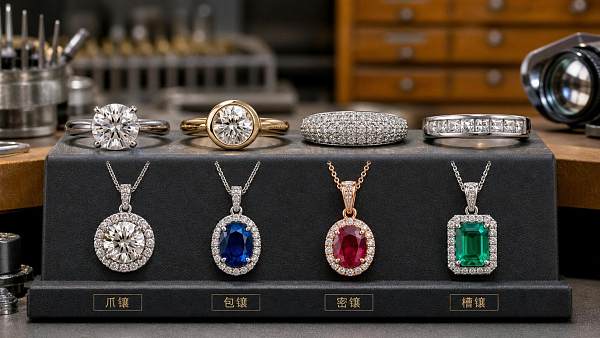
 Jul 09, 2026Jewelry Craftsmanship Gemstone Setting Methods Explained: Prong, Bezel, Pave, and MoreJewelry craftsmanship gemstone setting explained clearly: compare prong, bezel, pavé, channel, and more to choose secure, beautiful, and commercially smart jewelry designs.● Luxury Retail Analyst
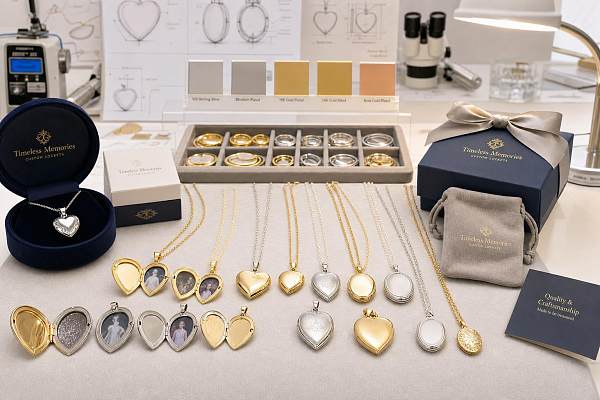
 Jul 06, 2026Photo Locket Necklace Manufacturer Selection Guide: Materials, MOQ, and Custom OptionsPhoto locket necklace manufacturer selection guide covering materials, MOQ, custom options, compliance, and quality checks to help buyers source smarter and build stronger jewelry lines.● Luxury Retail Analyst
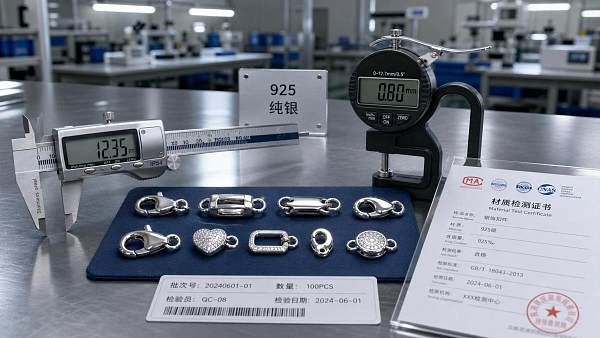
 Jul 05, 2026What to Check When Comparing a Sterling Silver Clasp ManufacturerChoosing a sterling silver clasp manufacturer? Learn what to check first: 925 silver claims, finish quality, testing, compliance, lead times, and hidden sourcing costs.● Luxury Retail Analyst
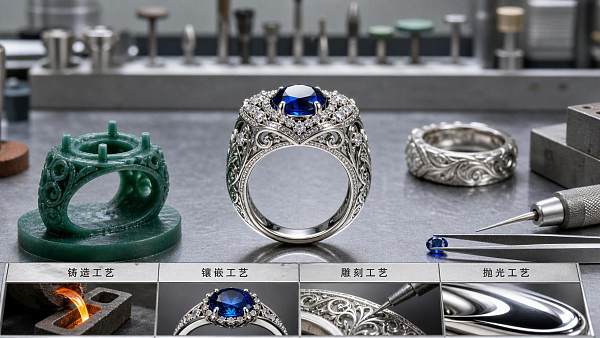
 Jul 02, 2026Jewelry Craftsmanship Techniques Explained: Casting, Stone Setting, Engraving, and PolishingJewelry craftsmanship techniques explained: discover how casting, stone setting, engraving, and polishing shape quality, durability, and sourcing confidence.● Luxury Retail Analyst
 Jul 01, 2026Lost Wax Casting Machines Explained: Types, Capacity, and Metal CompatibilityLost wax casting machines explained: compare types, real capacity, and metal compatibility to choose the right system for precision casting, higher quality, and smarter sourcing.● Luxury Retail Analyst
 Jun 29, 2026How to Evaluate a Luxury Accessories Online Store Before You BuyLuxury accessories online store buying guide: learn how to verify authenticity, compare policies, check reviews, and avoid costly mistakes before you place an order.● Luxury Retail Analyst
 Jun 22, 2026Matching Couple Rings: Popular Materials, Fit Differences, and How to ChooseMatching couple rings guide: compare popular materials, fit differences, comfort, durability, and resizing options to choose a stylish pair that truly lasts.● Luxury Retail Analyst
 Jun 19, 2026How to Build a Fashion Accessories Catalog That Improves Product Discovery and SalesFashion accessories catalog strategies that improve product discovery, filtering, and conversions. Learn how to structure pages, categories, and data to drive more qualified sales.● Luxury Retail Analyst
 Jun 19, 2026How to Choose Luxury Accessories for Women by Material, Style, and Price PointLuxury accessories for women: learn how to choose the right pieces by material, style, and price point for better value, timeless appeal, and smarter buying decisions.● Luxury Retail Analyst
 Jun 18, 2026Stainless Steel Rings Bulk: 304 vs 316L, Finishes, and Custom Order FactorsStainless steel rings bulk guide: compare 304 vs 316L, explore finish options, and learn key custom order factors to reduce sourcing risk and improve product value.● Luxury Retail Analyst
 Jun 18, 2026Body Piercing Jewelry Bulk Buying Guide: Materials, Sizes, and MOQ QuestionsBody piercing jewelry bulk buying guide covering safe materials, size checks, MOQ strategy, supplier screening, and compliance tips to reduce risk and source with confidence.● Luxury Retail Analyst
 Jun 18, 2026How to Evaluate a Luxury Jewelry Exporter for Quality, Compliance, and DeliveryLuxury jewelry exporter evaluation starts with more than design. Learn how to verify quality, compliance, and delivery control to source premium jewelry with less risk.● Luxury Retail Analyst
 Jun 17, 2026Iced Out Watches Wholesale: How to Compare MOQ, Stone Quality, and MarginsIced out watches wholesale guide: compare MOQ, stone quality, and real margins to choose reliable suppliers, reduce risk, and grow resale profits with smarter sourcing.● Luxury Retail Analyst
 Jun 15, 2026How to Evaluate an Amber Jewelry Manufacturer: Quality Grades, OEM Options, and Lead TimesAmber jewelry manufacturer selection starts with quality grades, OEM capability, and realistic lead times. Learn how to compare suppliers, reduce sourcing risk, and choose with confidence.● Luxury Retail Analyst
 Jun 14, 2026Stainless Steel Rings Bulk Buying Guide: Grades, Finishes, Sizes, and Supplier ChecksStainless steel rings bulk buying guide covering grades, finishes, sizing, and supplier checks to help you reduce returns, protect quality, and source with confidence.● Luxury Retail Analyst
 Jun 14, 2026How to Choose Custom Luxury Jewelry for Private Label: Materials, MOQ, and Lead TimeCustom luxury jewelry buying guide for private labels: compare materials, MOQ, and lead time to reduce sourcing risk, control costs, and choose reliable suppliers with confidence.● Luxury Retail Analyst