Jewelry Craftsmanship Techniques Explained: Casting, Stone Setting, Engraving, and Polishing
Understanding jewelry craftsmanship techniques changes how fine jewelry is evaluated. Surface beauty matters, but the real difference often comes from process quality, material control, and finishing discipline.
Casting, stone setting, engraving, and polishing shape far more than appearance. They influence structural strength, wear resistance, repairability, and the commercial value of a finished piece.
That matters in a market shaped by premiumization and experience-led retail. For Global Commercial Trade, jewelry analysis sits within a broader sourcing environment where design, compliance, and dependable production all affect business outcomes.
Why craftsmanship has become a stronger buying signal
In luxury accessories, buyers increasingly look beyond metal purity and gemstone grading. They also study how a piece was made, because technique often predicts long-term performance better than marketing claims.
A well-designed ring can still fail if casting leaves porosity, if prongs are weak, or if polishing removes too much metal. Good jewelry craftsmanship techniques reduce these hidden risks early.
From an industry perspective, this also affects sourcing confidence. A supplier that documents process consistency usually offers stronger quality assurance than one that only presents attractive samples.
This is where GCT’s editorial focus becomes relevant. In commercial sourcing, workmanship is not a decorative detail. It is a practical indicator of manufacturing maturity, brand positioning, and supply chain reliability.
What jewelry craftsmanship techniques actually include
The term covers the methods used to transform raw materials into finished jewelry. Some methods build structure. Others secure stones, refine detail, or create the final tactile and visual quality.
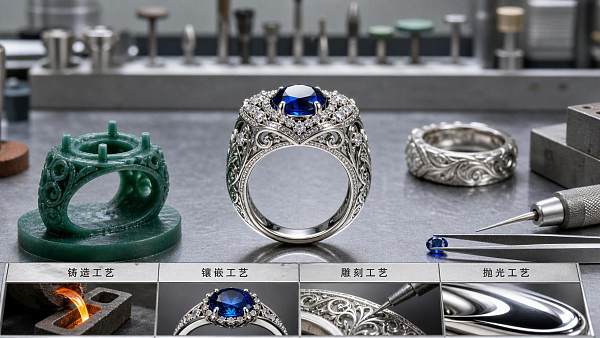
Among the most important jewelry craftsmanship techniques, four appear repeatedly in quality assessment: casting, stone setting, engraving, and polishing. Each stage affects the next.
A weak start in casting limits what can be achieved later. Precise setting demands stable metal geometry. Fine engraving depends on surface preparation. Polishing can either elevate the work or blur it.
How the main techniques connect
Casting sets the technical foundation
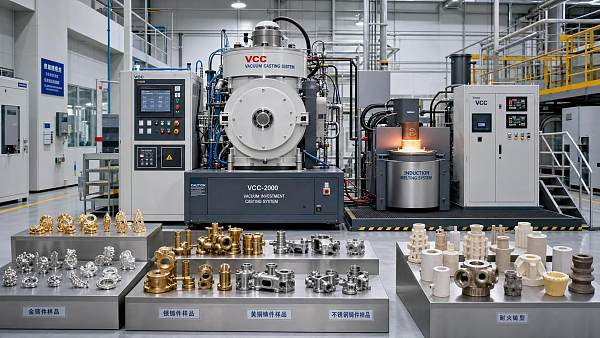
Casting is often the first serious test of production capability. In fine jewelry, lost-wax casting remains common because it supports intricate forms and efficient repeatability.
The process sounds straightforward. A wax model is created, invested in plaster-like material, burned out, and filled with molten metal. In practice, control points are numerous.
Temperature stability, alloy composition, mold design, and cooling behavior all influence density and shape retention. Minor variation can create internal flaws that only appear later during setting or wear.
For commercial evaluation, good casting is visible in clean galleries, balanced wall thickness, and accurate symmetry. It is also visible in what is absent: pits, shrinkage marks, and excessive repair soldering.
When comparing suppliers, asking whether castings are hand-finished, machine-checked, or remade after defect detection gives useful insight into quality discipline.
Stone setting is where security meets visual precision
Among jewelry craftsmanship techniques, stone setting is usually the easiest for non-specialists to notice. It directly affects sparkle, balance, and confidence in daily wear.
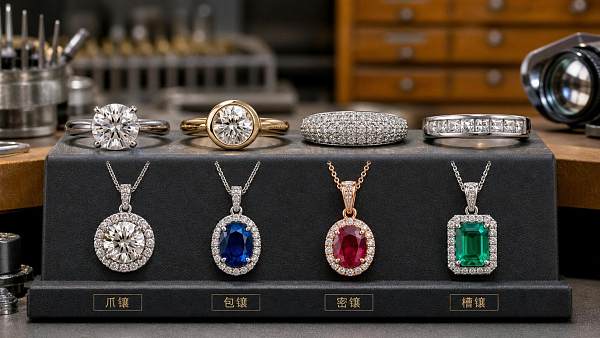
Prong, bezel, pavé, channel, and flush settings each serve different aesthetic and structural goals. A solitaire ring needs different engineering from a pavé bracelet or a multi-stone pendant.
The best setting work does not overpower the stone. It supports it with even spacing, secure pressure, correct seat cutting, and a clean relationship between metal and gem.
Poor setting often shows up as tilted tables, inconsistent prong height, excessive metal covering the crown, or stones that rattle under light pressure. These are not cosmetic issues alone.
In high-value sourcing, setting quality also affects returns, after-sales adjustments, and brand reputation. One loose accent stone can undermine an otherwise premium product line.
What to look for in setting quality
- Stones sit level and align consistently across the piece.
- Prongs or bezels hold firmly without looking heavy.
- No visible gaps appear between stone and seat.
- Surrounding metal remains crisp after setting and finishing.
- Fragile stones receive technique appropriate to their hardness.
Engraving adds identity, depth, and product distinction
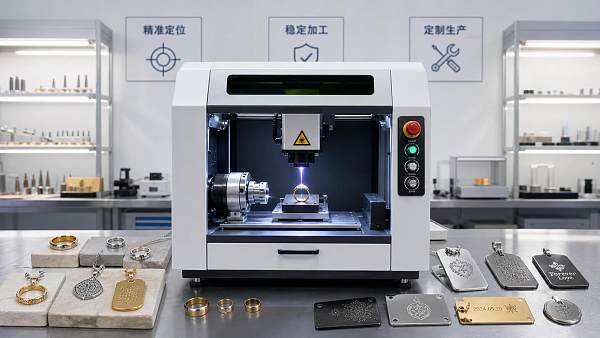
Engraving is sometimes treated as an optional decorative layer, yet it often carries strong commercial value. It can personalize a piece, reinforce heritage styling, or create a signature brand language.
Hand engraving and machine engraving produce different results. Hand work offers subtle character and artisanal variation. Machine methods support repeatability, scale, and precise pattern consistency.
The right choice depends on product positioning. Bespoke or heirloom-oriented collections may benefit from human nuance. Larger commercial runs often require clean replication across many units.
From a sourcing angle, engraving should be evaluated for depth, edge clarity, spacing, and readability after polishing. Fine detail that disappears during finishing was never production-ready.
This is especially relevant in luxury accessories, where micro-details often separate entry premium products from truly elevated collections.
Polishing is not just shine
Polishing is commonly misunderstood as the final shine step. In reality, it is a controlled finishing process that shapes reflection, touch, edge definition, and visual cleanliness.
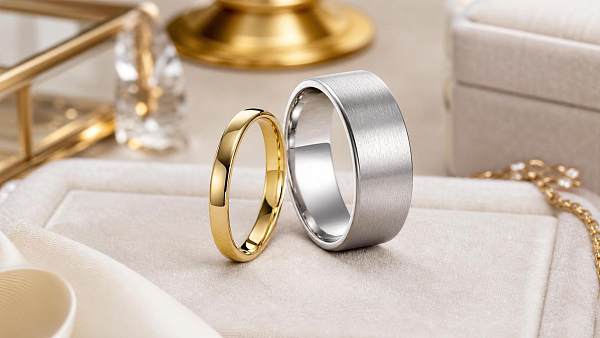
Different surfaces require different treatments. Mirror finishes, satin textures, matte effects, and mixed-finish designs each need specific abrasive sequences and pressure control.
Over-polishing is a frequent problem. It can soften engraving, thin prongs, blur corners, and make a piece feel less precise. Strong finishing preserves design intent instead of erasing it.
In practical review, look at transitions. Sharp edges should remain intentional. Hidden areas should still appear clean. Reflection should feel even, not wavy or patchy.
That level of finish usually signals disciplined process control across earlier stages too, which is why polishing often reveals the truth about overall jewelry craftsmanship techniques.
How these techniques affect business decisions
For information-led market evaluation, craftsmanship is tied to more than aesthetics. It shapes lifecycle cost, defect rates, service burden, and suitability for different retail environments.
A hospitality gift program, a museum retail assortment, and a luxury boutique collection may all use fine jewelry, yet their tolerance for variation, repair lead times, and finish durability can differ sharply.
This broader commercial context is central to GCT’s approach. In global sourcing, product beauty alone is incomplete. Decision quality improves when craftsmanship is reviewed alongside consistency, documentation, and production readiness.
That is why jewelry craftsmanship techniques belong in comparative analysis, especially when evaluating OEM or ODM partners, capsule collections, or custom development opportunities.
Useful evaluation points during review
- Ask for close-up images of cast surfaces before final polishing.
- Review stone security under routine handling, not only display conditions.
- Check whether engraving samples stay legible across repeated production runs.
- Compare finish quality in visible and hidden areas of the piece.
- Request process notes on rework rates, inspection steps, and tolerance standards.
Reading craftsmanship with more confidence
The most useful way to assess jewelry craftsmanship techniques is to treat them as connected decisions rather than isolated steps. Good casting supports better setting. Better setting protects stones during polishing. Thoughtful finishing preserves engraving.
That connected view helps separate durable quality from surface appeal. It also makes supplier comparisons more grounded, especially in a premium market where small technical differences carry visible commercial consequences.
A practical next step is to build a simple review framework: structure, setting precision, decorative detail, finish integrity, and process consistency. With those points in place, product evaluation becomes clearer, faster, and more defensible.
Search News
Hot Articles
- Outdoor RidesHow to Select Leisure Park Equipment for Safe, High-Throughput Visitor AreasOct 03, 2026
- Fashion & Gem JewelryDiamond Tester Wholesale: How to Vet Accuracy, Calibration, and MOQ Before OrderingOct 02, 2026
- Hotel Room AmenitiesHow Hotels Can Choose Amenity Bottles That Balance Brand Image and Refill CostsOct 01, 2026
Popular Tags
Need ExpertConsultation?
Connect with our specialized leisureengineering team for procurementstrategies.
Recommended News
 Oct 02, 2026Diamond Tester Wholesale: How to Vet Accuracy, Calibration, and MOQ Before OrderingDiamond tester wholesale guide: verify accuracy, calibration records, supplier quality controls, and MOQ terms before ordering. Source reliable testers with confidence.● Luxury Retail Analyst
 Sep 09, 2026Wholesale Coral Earrings: How Buyers Can Assess Quality, Treatments, and Supply RiskCoral jewelry earrings wholesale guide for buyers: assess quality, treatments, secure settings, documentation, and supply risks before ordering.● Luxury Retail Analyst
 Sep 01, 2026How to Choose a Jewelry Laser Engraving Machine Manufacturer for Custom ProductionChoose a jewelry laser engraving machine manufacturer with proven sample testing, precision fixtures, workflow-ready software, and reliable support for custom production.● Luxury Retail Analyst
 Aug 27, 2026Evaluating Luxury Retail Accessories Suppliers: Quality, Lead Times, and Brand FitLuxury retail accessories supplier selection made clearer: assess quality, lead times, compliance, costs, and brand fit to protect premium launches and margins.● Luxury Retail Analyst
 Jul 29, 2026Fine Jewelry Price Guide: What Affects Cost and How to Judge Real ValueFine jewelry price guide for buyers: learn what drives cost in metals, gemstones, craftsmanship, certification, and branding so you can judge real value, reduce sourcing risk, and buy with confidence.● Luxury Retail Analyst
 Jul 14, 2026What to Ask an Enamel Jewelry Manufacturer Before Sampling and Mass ProductionEnamel jewelry manufacturer selection starts with the right questions. Learn what to ask about materials, color matching, MOQ, QC, compliance, and lead times before sampling and mass production.● Luxury Retail Analyst
 Jul 12, 2026Surgical Steel Belly Rings vs Titanium: Material Differences, Safety, and CostSurgical steel belly rings vs titanium: compare safety, nickel exposure, comfort, durability, and cost to choose the best option for sensitive skin or budget-friendly style.● Luxury Retail Analyst
 Jul 12, 2026Natural Coral Jewelry Guide: How to Identify Real Coral, Treatments, and QualityNatural coral jewelry guide covering how to identify real coral, spot treatments, assess quality, and buy with confidence. Learn the key signs before you choose.● Luxury Retail Analyst
 Jul 11, 2026Braided Leather Bracelets OEM: Material, Clasp, and MOQ Factors Before SamplingBraided leather bracelets OEM guide covering material grades, clasp options, and MOQ factors before sampling. Learn how to reduce sourcing risk, control cost, and choose the right supplier.● Luxury Retail Analyst
 Jul 09, 2026Jewelry Craftsmanship Gemstone Setting Methods Explained: Prong, Bezel, Pave, and MoreJewelry craftsmanship gemstone setting explained clearly: compare prong, bezel, pavé, channel, and more to choose secure, beautiful, and commercially smart jewelry designs.● Luxury Retail Analyst
 Jul 06, 2026Photo Locket Necklace Manufacturer Selection Guide: Materials, MOQ, and Custom OptionsPhoto locket necklace manufacturer selection guide covering materials, MOQ, custom options, compliance, and quality checks to help buyers source smarter and build stronger jewelry lines.● Luxury Retail Analyst
 Jul 05, 2026What to Check When Comparing a Sterling Silver Clasp ManufacturerChoosing a sterling silver clasp manufacturer? Learn what to check first: 925 silver claims, finish quality, testing, compliance, lead times, and hidden sourcing costs.● Luxury Retail Analyst
 Jul 02, 2026Jewelry Craftsmanship Techniques Explained: Casting, Stone Setting, Engraving, and PolishingJewelry craftsmanship techniques explained: discover how casting, stone setting, engraving, and polishing shape quality, durability, and sourcing confidence.● Luxury Retail Analyst
 Jul 01, 2026Lost Wax Casting Machines Explained: Types, Capacity, and Metal CompatibilityLost wax casting machines explained: compare types, real capacity, and metal compatibility to choose the right system for precision casting, higher quality, and smarter sourcing.● Luxury Retail Analyst
 Jun 29, 2026How to Evaluate a Luxury Accessories Online Store Before You BuyLuxury accessories online store buying guide: learn how to verify authenticity, compare policies, check reviews, and avoid costly mistakes before you place an order.● Luxury Retail Analyst
 Jun 22, 2026Matching Couple Rings: Popular Materials, Fit Differences, and How to ChooseMatching couple rings guide: compare popular materials, fit differences, comfort, durability, and resizing options to choose a stylish pair that truly lasts.● Luxury Retail Analyst
 Jun 19, 2026How to Build a Fashion Accessories Catalog That Improves Product Discovery and SalesFashion accessories catalog strategies that improve product discovery, filtering, and conversions. Learn how to structure pages, categories, and data to drive more qualified sales.● Luxury Retail Analyst
 Jun 19, 2026How to Choose Luxury Accessories for Women by Material, Style, and Price PointLuxury accessories for women: learn how to choose the right pieces by material, style, and price point for better value, timeless appeal, and smarter buying decisions.● Luxury Retail Analyst
 Jun 18, 2026Stainless Steel Rings Bulk: 304 vs 316L, Finishes, and Custom Order FactorsStainless steel rings bulk guide: compare 304 vs 316L, explore finish options, and learn key custom order factors to reduce sourcing risk and improve product value.● Luxury Retail Analyst
 Jun 18, 2026Body Piercing Jewelry Bulk Buying Guide: Materials, Sizes, and MOQ QuestionsBody piercing jewelry bulk buying guide covering safe materials, size checks, MOQ strategy, supplier screening, and compliance tips to reduce risk and source with confidence.● Luxury Retail Analyst
 Jun 18, 2026How to Evaluate a Luxury Jewelry Exporter for Quality, Compliance, and DeliveryLuxury jewelry exporter evaluation starts with more than design. Learn how to verify quality, compliance, and delivery control to source premium jewelry with less risk.● Luxury Retail Analyst
 Jun 17, 2026Iced Out Watches Wholesale: How to Compare MOQ, Stone Quality, and MarginsIced out watches wholesale guide: compare MOQ, stone quality, and real margins to choose reliable suppliers, reduce risk, and grow resale profits with smarter sourcing.● Luxury Retail Analyst
 Jun 15, 2026How to Evaluate an Amber Jewelry Manufacturer: Quality Grades, OEM Options, and Lead TimesAmber jewelry manufacturer selection starts with quality grades, OEM capability, and realistic lead times. Learn how to compare suppliers, reduce sourcing risk, and choose with confidence.● Luxury Retail Analyst
 Jun 14, 2026Stainless Steel Rings Bulk Buying Guide: Grades, Finishes, Sizes, and Supplier ChecksStainless steel rings bulk buying guide covering grades, finishes, sizing, and supplier checks to help you reduce returns, protect quality, and source with confidence.● Luxury Retail Analyst