Luxury Accessories Sourcing Guide: Materials, MOQ, and Packaging Factors That Affect Value
Sourcing luxury accessories for retail, hospitality, gifting, or branded commercial projects is rarely just about appearance. Material choices, MOQ structure, and packaging details all influence unit cost, consistency, perceived value, and delivery risk.
That is where a more disciplined sourcing process matters. In the GCT ecosystem, decisions around luxury accessories are usually tied to broader commercial goals, including brand presentation, compliance, durability, and total landed cost.
A polished sample can look impressive in isolation. The harder question is whether the supplier can repeat that quality across production, maintain finish stability, and package the item in a way that supports premium positioning without inflating avoidable cost.
The points below help compare suppliers more clearly and reduce expensive surprises before approval, deposit, or rollout.
Start with materials, because value begins there
For most luxury accessories, material selection sets the ceiling for quality perception. It also drives wear resistance, weight, compliance needs, and the kind of packaging required for safe delivery.
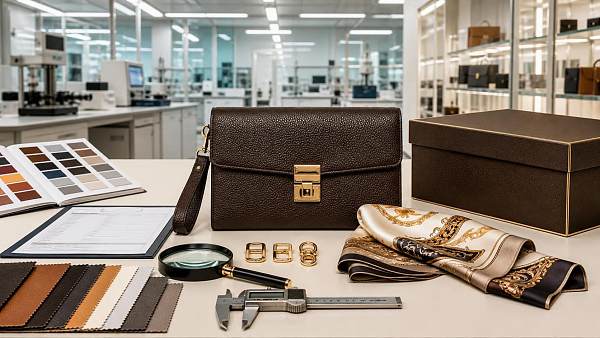
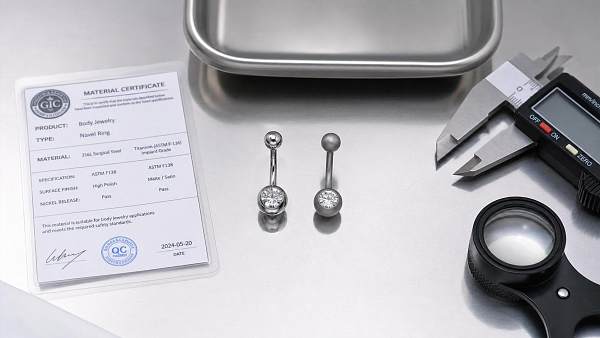
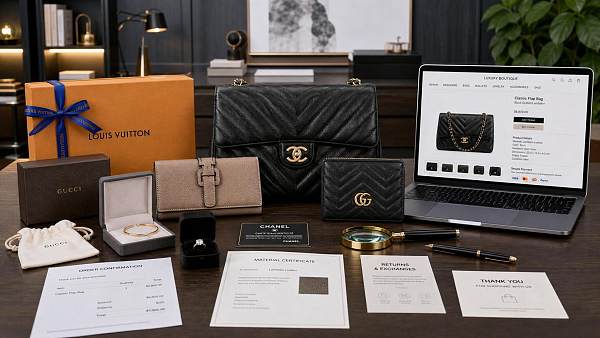
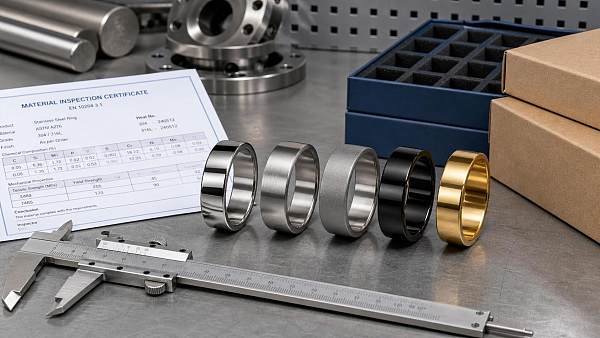
- Use a full material sheet for metal grade, leather type, plating thickness, fabric composition, and hardware origin. That makes supplier comparisons fair and keeps sample quality from drifting in bulk production.
- Check whether visible surfaces are solid material or layered construction. In luxury accessories, thin coating or bonded leather can lower cost, but it often shortens product life and weakens premium feel.
- Ask for abrasion, tarnish, colorfastness, and humidity test data when the product will sit in retail displays, hotel environments, or cross-border logistics channels with unstable storage conditions.
- Match material performance to actual usage. A gifting item may prioritize presentation, while daily-use luxury accessories need stronger scratch resistance, stable stitching, and more reliable hardware cycles.
- Confirm restricted substance compliance early. Premium positioning loses value quickly if plating, adhesives, dyes, or coatings create regulatory issues in destination markets or institutional buying programs.
In many sourcing reviews, the biggest mistake is comparing products only by silhouette and finish color. Two similar-looking pieces can have very different internal construction, aging performance, and claim risk.
GCT content often highlights this point across specialty retail and hospitality programs: premium appearance is only sustainable when the technical build supports it.
Questions worth asking before approving samples
- Request a signed sample standard with color code, finish tolerance, logo method, and critical dimensions. This becomes the production reference when later shipments do not match first approval.
- Ask which components are outsourced. Clasps, zippers, magnets, and gift-box inserts often come from different vendors, and those secondary suppliers can affect consistency more than expected.
MOQ is not just a quantity issue
MOQ shapes flexibility, development cost, packaging options, and cash exposure. With luxury accessories, MOQ often changes by material, logo application, plating color, and box configuration rather than by product category alone.
A low headline MOQ can look attractive, but it may exclude custom trims, branded dust bags, or color-specific parts. That is why the real MOQ should be reviewed at component level.
- Break MOQ into product, color, trim, and packaging layers. A supplier may accept 300 units overall, while still requiring 1,000 boxes or a higher minimum for one plating option.
- Ask whether mixed styles can share one material lot. This is a practical way to manage MOQ on luxury accessories collections without sacrificing visual variety in a launch.
- Check refill or repeat-order conditions. Some suppliers lower MOQ after the first run, while others treat every reorder like a new project because component sourcing changes.
- Model cost at three volume levels, not one. That quickly reveals whether a slightly larger buy significantly improves price, packaging quality, or freight efficiency.
In practice, MOQ is one of the easiest places for hidden cost to appear. It can lock capital into slow-moving packaging or force compromises on assortment planning.
A common commercial scenario
A hotel retail concept may want several coordinated luxury accessories with a unified look but modest launch volume. In that case, shared materials, standard inserts, and modular gift boxes often outperform fully custom packaging on first order.
The result is usually better margin protection and faster rollout, without weakening the premium experience for the guest or shopper.
Packaging affects value more than many buyers expect
With luxury accessories, packaging is part protection, part branding, and part price signal. It influences shelf presence, unboxing quality, damage rate, freight volume, and even whether the item feels gift-ready.
- Define the packaging job first: display, gifting, storage, or transport protection. Premium boxes that look strong in photos may still fail drop resistance or waste carton space.
- Request packaging cost as separate lines for box, pouch, insert, tissue, label, and carton. This makes value engineering possible without changing the core product itself.
- Check how packaging changes freight. Bulky rigid boxes can raise shipping cost sharply, especially for air shipments or mixed commercial programs with tight cube targets.
- Review print finish and color consistency on branded packaging. On premium luxury accessories, weak embossing, off-tone foil, or cheap inserts can undercut the product immediately.
- Balance sustainability with presentation. Recyclable paper structures, reusable pouches, and right-sized inserts can support both brand value and procurement efficiency when specified well.
Packaging is also where delays often begin. Custom paper, magnetic closures, molded trays, and foil stamping usually have their own lead times, approvals, and defect risks.
That is why strong sourcing teams treat packaging as part of the product, not an afterthought added just before shipment.
Another real-world application
For campus stores or museum retail programs, luxury accessories often need a premium look at controlled price points. A smart move is to keep the item elevated, then simplify the inner packaging layers that customers barely notice.
That preserves shelf appeal while trimming unnecessary material cost and reducing packing time at origin.
Small details that change total cost
Some of the most expensive sourcing mistakes come from details that appear minor during sampling. On luxury accessories, those details usually affect rework, claims, and production speed.
- Confirm logo method carefully. Debossing, laser engraving, metal plates, screen print, and foil stamp each create different setup costs, wear patterns, and minimum quantity requirements.
- Specify acceptable tolerance for color variation and hardware finish. Without written limits, “close enough” decisions during production can damage brand consistency across locations or batches.
- Review closure strength, edge paint, stitching density, and lining attachment. These are common failure points in luxury accessories that may not appear in early visual inspection.
- Ask for packed-drop tests and carton marking standards before shipping. Even excellent products lose value when outer handling methods create scratches, crushed corners, or mixed-SKU confusion.
- Clarify inspection timing. In-line checks, pre-shipment inspection, and packaging approval should each happen before the next cost-heavy step begins, especially on custom branded orders.
How to compare suppliers more accurately
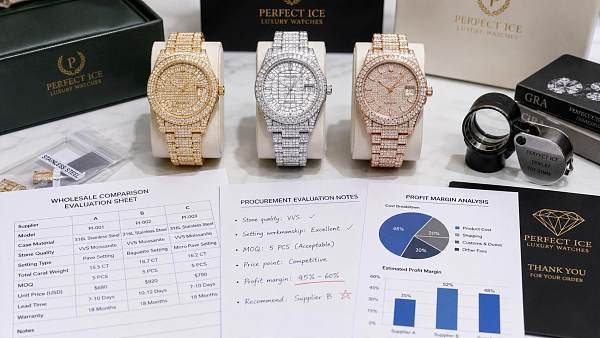
When reviewing quotes for luxury accessories, the lowest price rarely tells the full story. A better comparison uses a structured matrix covering product build, MOQ terms, packaging scope, compliance support, and repeat-order reliability.
This kind of side-by-side review is especially useful in GCT-aligned sourcing environments, where buyers may evaluate products not only for direct resale, but also for guest experience, branded presentation, or multi-location rollout.
Practical next steps before placing an order
A reliable order decision usually comes down to documentation quality. The clearer the specs, the easier it becomes to protect both value and timing.
- Create one approval file covering materials, logo placement, finish, packaging, carton details, and test requirements. It saves time later and reduces disputes after production begins.
- Request quotation versions with and without premium packaging. That gives more flexibility if budget pressure appears while keeping the core luxury accessories specification intact.
- Plan reorder logic from the start. Record which trims, boxes, and components can be repeated quickly so future launches do not restart the sourcing process from zero.
In short, successful luxury accessories sourcing is about controlling the interaction between materials, MOQ, and packaging rather than evaluating each factor alone.
When those three areas are aligned, premium products become easier to scale, easier to protect, and easier to justify on total value, not just unit price. That is the standard strong commercial sourcing should aim for.
Search News
Hot Articles
- Outdoor RidesEnergylandia Announces Rokan, Set to Be Europe’s Tallest and Longest B&M Wing CoasterOct 20, 2026
- Musical InstrumentsChoosing a Classical Guitar Manufacturer in China: Quality Checks Before OrderingOct 20, 2026
- Stationery & UniformsChoosing a Wholesale Chef Coat Supplier: MOQs, Samples, and Lead TimesOct 19, 2026
Popular Tags
Need ExpertConsultation?
Connect with our specialized leisureengineering team for procurementstrategies.
Recommended News
 Oct 12, 2026How to Choose Designer Eyewear That Fits Your Store’s Customer ProfileDesigner eyewear buying guide for retailers: match frames, price points, brand appeal, fit, and supplier support to your store’s customer profile for stronger sales.● Luxury Retail Analyst
 Oct 07, 2026Thermal Diamond Testers: How They Work and When They Can Misidentify StonesThermal diamond tester guide: learn how it works, spot false positives from moissanite, and choose reliable verification methods for jewelry trade and retail.● Luxury Retail Analyst
 Oct 02, 2026Diamond Tester Wholesale: How to Vet Accuracy, Calibration, and MOQ Before OrderingDiamond tester wholesale guide: verify accuracy, calibration records, supplier quality controls, and MOQ terms before ordering. Source reliable testers with confidence.● Luxury Retail Analyst
 Sep 09, 2026Wholesale Coral Earrings: How Buyers Can Assess Quality, Treatments, and Supply RiskCoral jewelry earrings wholesale guide for buyers: assess quality, treatments, secure settings, documentation, and supply risks before ordering.● Luxury Retail Analyst
 Sep 01, 2026How to Choose a Jewelry Laser Engraving Machine Manufacturer for Custom ProductionChoose a jewelry laser engraving machine manufacturer with proven sample testing, precision fixtures, workflow-ready software, and reliable support for custom production.● Luxury Retail Analyst
 Aug 27, 2026Evaluating Luxury Retail Accessories Suppliers: Quality, Lead Times, and Brand FitLuxury retail accessories supplier selection made clearer: assess quality, lead times, compliance, costs, and brand fit to protect premium launches and margins.● Luxury Retail Analyst
 Jul 29, 2026Fine Jewelry Price Guide: What Affects Cost and How to Judge Real ValueFine jewelry price guide for buyers: learn what drives cost in metals, gemstones, craftsmanship, certification, and branding so you can judge real value, reduce sourcing risk, and buy with confidence.● Luxury Retail Analyst
 Jul 14, 2026What to Ask an Enamel Jewelry Manufacturer Before Sampling and Mass ProductionEnamel jewelry manufacturer selection starts with the right questions. Learn what to ask about materials, color matching, MOQ, QC, compliance, and lead times before sampling and mass production.● Luxury Retail Analyst
 Jul 12, 2026Surgical Steel Belly Rings vs Titanium: Material Differences, Safety, and CostSurgical steel belly rings vs titanium: compare safety, nickel exposure, comfort, durability, and cost to choose the best option for sensitive skin or budget-friendly style.● Luxury Retail Analyst
 Jul 12, 2026Natural Coral Jewelry Guide: How to Identify Real Coral, Treatments, and QualityNatural coral jewelry guide covering how to identify real coral, spot treatments, assess quality, and buy with confidence. Learn the key signs before you choose.● Luxury Retail Analyst
 Jul 11, 2026Braided Leather Bracelets OEM: Material, Clasp, and MOQ Factors Before SamplingBraided leather bracelets OEM guide covering material grades, clasp options, and MOQ factors before sampling. Learn how to reduce sourcing risk, control cost, and choose the right supplier.● Luxury Retail Analyst
 Jul 09, 2026Jewelry Craftsmanship Gemstone Setting Methods Explained: Prong, Bezel, Pave, and MoreJewelry craftsmanship gemstone setting explained clearly: compare prong, bezel, pavé, channel, and more to choose secure, beautiful, and commercially smart jewelry designs.● Luxury Retail Analyst
 Jul 06, 2026Photo Locket Necklace Manufacturer Selection Guide: Materials, MOQ, and Custom OptionsPhoto locket necklace manufacturer selection guide covering materials, MOQ, custom options, compliance, and quality checks to help buyers source smarter and build stronger jewelry lines.● Luxury Retail Analyst
 Jul 05, 2026What to Check When Comparing a Sterling Silver Clasp ManufacturerChoosing a sterling silver clasp manufacturer? Learn what to check first: 925 silver claims, finish quality, testing, compliance, lead times, and hidden sourcing costs.● Luxury Retail Analyst
 Jul 02, 2026Jewelry Craftsmanship Techniques Explained: Casting, Stone Setting, Engraving, and PolishingJewelry craftsmanship techniques explained: discover how casting, stone setting, engraving, and polishing shape quality, durability, and sourcing confidence.● Luxury Retail Analyst
 Jul 01, 2026Lost Wax Casting Machines Explained: Types, Capacity, and Metal CompatibilityLost wax casting machines explained: compare types, real capacity, and metal compatibility to choose the right system for precision casting, higher quality, and smarter sourcing.● Luxury Retail Analyst
 Jun 29, 2026How to Evaluate a Luxury Accessories Online Store Before You BuyLuxury accessories online store buying guide: learn how to verify authenticity, compare policies, check reviews, and avoid costly mistakes before you place an order.● Luxury Retail Analyst
 Jun 22, 2026Matching Couple Rings: Popular Materials, Fit Differences, and How to ChooseMatching couple rings guide: compare popular materials, fit differences, comfort, durability, and resizing options to choose a stylish pair that truly lasts.● Luxury Retail Analyst
 Jun 19, 2026How to Build a Fashion Accessories Catalog That Improves Product Discovery and SalesFashion accessories catalog strategies that improve product discovery, filtering, and conversions. Learn how to structure pages, categories, and data to drive more qualified sales.● Luxury Retail Analyst
 Jun 19, 2026How to Choose Luxury Accessories for Women by Material, Style, and Price PointLuxury accessories for women: learn how to choose the right pieces by material, style, and price point for better value, timeless appeal, and smarter buying decisions.● Luxury Retail Analyst
 Jun 18, 2026Stainless Steel Rings Bulk: 304 vs 316L, Finishes, and Custom Order FactorsStainless steel rings bulk guide: compare 304 vs 316L, explore finish options, and learn key custom order factors to reduce sourcing risk and improve product value.● Luxury Retail Analyst
 Jun 18, 2026Body Piercing Jewelry Bulk Buying Guide: Materials, Sizes, and MOQ QuestionsBody piercing jewelry bulk buying guide covering safe materials, size checks, MOQ strategy, supplier screening, and compliance tips to reduce risk and source with confidence.● Luxury Retail Analyst
 Jun 18, 2026How to Evaluate a Luxury Jewelry Exporter for Quality, Compliance, and DeliveryLuxury jewelry exporter evaluation starts with more than design. Learn how to verify quality, compliance, and delivery control to source premium jewelry with less risk.● Luxury Retail Analyst
 Jun 17, 2026Iced Out Watches Wholesale: How to Compare MOQ, Stone Quality, and MarginsIced out watches wholesale guide: compare MOQ, stone quality, and real margins to choose reliable suppliers, reduce risk, and grow resale profits with smarter sourcing.● Luxury Retail Analyst