Natural Coral Jewelry Guide: How to Identify Real Coral, Treatments, and Quality
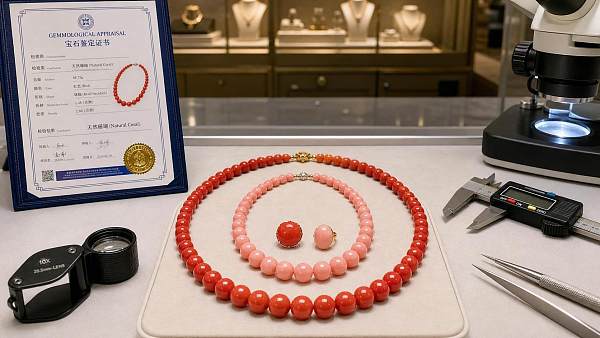
Natural coral jewelry sits at the intersection of beauty, rarity, and verification. Its appeal is immediate, yet informed buying depends on something deeper: understanding whether the coral is genuine, how it has been treated, and what quality signals actually support long-term value.
That matters even more in today’s premium sourcing environment. In jewelry and luxury accessories, buyers are no longer judging only color and polish. They are also weighing authenticity, responsible disclosure, craftsmanship standards, and supplier reliability across global trade channels.
For research-led platforms such as Global Commercial Trade, this makes natural coral jewelry more than a decorative category. It becomes a case study in how material knowledge, documentation, and commercial trust shape better decisions in high-value product sourcing.
What natural coral jewelry actually refers to
In simple terms, natural coral jewelry is made from the calcareous skeleton of marine coral that has been cut, shaped, and polished for adornment. It is an organic gem material, not a mineral in the same sense as diamond or sapphire.
Its market identity usually depends on three linked ideas: natural origin, visible beauty, and material integrity. Those points sound straightforward, but they often become blurred once dyeing, stabilization, reconstruction, or imitation materials enter the supply chain.
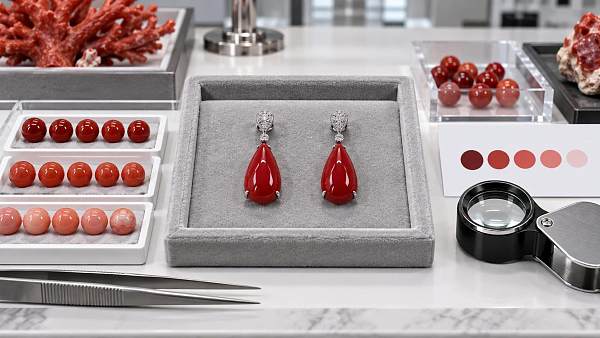
Color is one of the strongest drivers of demand. Red, salmon, pink, and oxblood tones are widely recognized, while lighter shades can appeal to contemporary design programs. Even so, color alone never proves authenticity.
Why this category attracts closer scrutiny
Natural coral jewelry draws attention because it combines luxury positioning with real market complexity. Unlike standardized industrial materials, coral can vary sharply in structure, tone, surface condition, and treatment history.
There is also a commercial reason for caution. Premium buyers increasingly expect transparent sourcing records, treatment disclosure, and confidence that the finished piece matches its description across catalog, showroom, and export documentation.
In broader trade terms, coral illustrates a pattern seen across luxury goods: when experiential consumption rises, material storytelling becomes valuable, but so does hard verification. The strongest offers balance both.
How to identify real coral without relying on guesswork
A first visual review can help, but it should never be the only test. Genuine coral often shows subtle natural grain, uneven internal growth features, and a softer visual depth than molded plastic or glass imitations.
Surface perfection can be misleading. Highly uniform color, identical bead patterning, or an overly glossy finish may suggest treatment or imitation rather than exceptional natural quality.
Weight and temperature response also matter. Real coral usually feels denser and less artificially slick than resin. Under magnification, many imitations reveal bubbles, mold seams, or color accumulation in drilled areas.
Practical identification checks
- Look for natural structure rather than perfectly repeated patterns.
- Inspect drill holes for concentrated dye or coating.
- Use magnification to spot bubbles, filler, or surface film.
- Review seller disclosure and any gemological report together.
- Compare multiple pieces under neutral lighting, not only display lighting.
Laboratory confirmation becomes important when the price level is meaningful or the piece will enter a professional inventory. In practice, visual screening is useful, but documentation closes the gap between appearance and claim.
Treatments that change value and disclosure standards
Treatments are common in natural coral jewelry, and not all of them are inherently problematic. The key issue is whether the treatment is stable, clearly disclosed, and properly reflected in price.
Dyeing is widely used to intensify or standardize color. Bleaching may lighten uneven material. Waxing or resin impregnation can improve luster and apparent smoothness. Reconstituted coral combines fragments into a new formed product.
These treatments affect collectability and resale differently. Untreated coral with strong natural color generally commands more respect in the market, while heavily enhanced pieces are often valued more as fashion items than as gem material.
What quality means beyond color alone
The strongest natural coral jewelry is usually judged through a combination of color, texture, cut, shape, luster, and condition. No single factor tells the whole story.
Color should appear rich but not artificial. Fine pieces often show even body color with a lively, organic softness rather than a painted look. Extremely bright tones deserve extra scrutiny for possible enhancement.
Texture matters because coral is sensitive to pits, fractures, and growth irregularities. Some natural structure is expected. The issue is whether those features undermine visual appeal, strength, or finishing quality.
Cut and shape influence both value and waste. Large matched beads, clean cabochons, and well-proportioned carvings require better rough and more careful workmanship. That usually shows up in price.
Luster should be smooth and polished, but not plasticky. In real coral, the finish tends to look refined rather than synthetic. Fine craftsmanship supports the material; it should not overpower it.
A useful quality reading sequence
- Confirm whether the coral is natural, treated, or reconstructed.
- Judge color consistency under white light.
- Inspect surface condition and internal character.
- Assess symmetry, polish, and setting execution.
- Match price expectations to disclosure and documentation.
Where natural coral jewelry appears in real business settings
Natural coral jewelry is not limited to collector cases. It appears in luxury retail assortments, capsule collections, heritage-inspired designs, gifting programs, and bespoke private-label development.
In specialty retail, it often functions as a material with emotional and cultural resonance. In branded commercial settings, it may serve as a limited-edition accent within a broader jewelry strategy rather than a mass-market line.
This is where the GCT perspective is useful. In cross-border sourcing, the commercial question is not simply whether a piece looks attractive. It is whether the material claim, manufacturing quality, and supplier transparency can hold up across markets.
That same sourcing discipline applies in other premium sectors as well. A luxury object, whether installed in hospitality, retail, or personal accessories, is judged by consistency, traceability, and the experience it creates.
Questions worth asking before a decision
Careful evaluation of natural coral jewelry usually comes down to better questions. The most useful ones are specific, verifiable, and tied to risk.
- Is the coral described as natural, untreated, treated, or reconstructed?
- Which treatments, if any, have been applied?
- Is there a gemological report or internal quality documentation?
- Does the appearance match the stated grade and price level?
- Are care requirements realistic for the intended end use?
Coral is relatively soft compared with many gemstones. That makes care guidance relevant, especially for rings, bracelets, and pieces exposed to friction, cosmetics, or aggressive cleaning methods.
A grounded way to move forward
A reliable approach to natural coral jewelry starts with separating visual attraction from material facts. Once authenticity, treatment status, and quality standards are clear, pricing becomes easier to interpret.
For deeper evaluation, it helps to compare several pieces side by side, request written disclosure, and note how craftsmanship supports the coral rather than disguises it. Small differences in finish and transparency often reveal large differences in value.
The next step is not rushing toward a conclusion. It is building a short decision framework: confirm origin claims, identify treatments, define acceptable quality thresholds, and align those findings with the intended market or collection. That process turns natural coral jewelry from a visually appealing purchase into a more confident, defensible choice.
Search News
Hot Articles
- Musical InstrumentsA Practical Guide to Identifying Wooden Orchestral Instruments by Family and ToneOct 10, 2026
- Indoor PlaygroundHow to Choose Animatronic Haunted House Props for High-Throughput AttractionsOct 08, 2026
- Fashion & Gem JewelryThermal Diamond Testers: How They Work and When They Can Misidentify StonesOct 07, 2026
Popular Tags
Need ExpertConsultation?
Connect with our specialized leisureengineering team for procurementstrategies.
Recommended News
 Oct 07, 2026Thermal Diamond Testers: How They Work and When They Can Misidentify StonesThermal diamond tester guide: learn how it works, spot false positives from moissanite, and choose reliable verification methods for jewelry trade and retail.● Luxury Retail Analyst
 Oct 02, 2026Diamond Tester Wholesale: How to Vet Accuracy, Calibration, and MOQ Before OrderingDiamond tester wholesale guide: verify accuracy, calibration records, supplier quality controls, and MOQ terms before ordering. Source reliable testers with confidence.● Luxury Retail Analyst
 Sep 09, 2026Wholesale Coral Earrings: How Buyers Can Assess Quality, Treatments, and Supply RiskCoral jewelry earrings wholesale guide for buyers: assess quality, treatments, secure settings, documentation, and supply risks before ordering.● Luxury Retail Analyst
 Sep 01, 2026How to Choose a Jewelry Laser Engraving Machine Manufacturer for Custom ProductionChoose a jewelry laser engraving machine manufacturer with proven sample testing, precision fixtures, workflow-ready software, and reliable support for custom production.● Luxury Retail Analyst
 Aug 27, 2026Evaluating Luxury Retail Accessories Suppliers: Quality, Lead Times, and Brand FitLuxury retail accessories supplier selection made clearer: assess quality, lead times, compliance, costs, and brand fit to protect premium launches and margins.● Luxury Retail Analyst
 Jul 29, 2026Fine Jewelry Price Guide: What Affects Cost and How to Judge Real ValueFine jewelry price guide for buyers: learn what drives cost in metals, gemstones, craftsmanship, certification, and branding so you can judge real value, reduce sourcing risk, and buy with confidence.● Luxury Retail Analyst
 Jul 14, 2026What to Ask an Enamel Jewelry Manufacturer Before Sampling and Mass ProductionEnamel jewelry manufacturer selection starts with the right questions. Learn what to ask about materials, color matching, MOQ, QC, compliance, and lead times before sampling and mass production.● Luxury Retail Analyst
 Jul 12, 2026Surgical Steel Belly Rings vs Titanium: Material Differences, Safety, and CostSurgical steel belly rings vs titanium: compare safety, nickel exposure, comfort, durability, and cost to choose the best option for sensitive skin or budget-friendly style.● Luxury Retail Analyst
 Jul 12, 2026Natural Coral Jewelry Guide: How to Identify Real Coral, Treatments, and QualityNatural coral jewelry guide covering how to identify real coral, spot treatments, assess quality, and buy with confidence. Learn the key signs before you choose.● Luxury Retail Analyst
 Jul 11, 2026Braided Leather Bracelets OEM: Material, Clasp, and MOQ Factors Before SamplingBraided leather bracelets OEM guide covering material grades, clasp options, and MOQ factors before sampling. Learn how to reduce sourcing risk, control cost, and choose the right supplier.● Luxury Retail Analyst
 Jul 09, 2026Jewelry Craftsmanship Gemstone Setting Methods Explained: Prong, Bezel, Pave, and MoreJewelry craftsmanship gemstone setting explained clearly: compare prong, bezel, pavé, channel, and more to choose secure, beautiful, and commercially smart jewelry designs.● Luxury Retail Analyst
 Jul 06, 2026Photo Locket Necklace Manufacturer Selection Guide: Materials, MOQ, and Custom OptionsPhoto locket necklace manufacturer selection guide covering materials, MOQ, custom options, compliance, and quality checks to help buyers source smarter and build stronger jewelry lines.● Luxury Retail Analyst
 Jul 05, 2026What to Check When Comparing a Sterling Silver Clasp ManufacturerChoosing a sterling silver clasp manufacturer? Learn what to check first: 925 silver claims, finish quality, testing, compliance, lead times, and hidden sourcing costs.● Luxury Retail Analyst
 Jul 02, 2026Jewelry Craftsmanship Techniques Explained: Casting, Stone Setting, Engraving, and PolishingJewelry craftsmanship techniques explained: discover how casting, stone setting, engraving, and polishing shape quality, durability, and sourcing confidence.● Luxury Retail Analyst
 Jul 01, 2026Lost Wax Casting Machines Explained: Types, Capacity, and Metal CompatibilityLost wax casting machines explained: compare types, real capacity, and metal compatibility to choose the right system for precision casting, higher quality, and smarter sourcing.● Luxury Retail Analyst
 Jun 29, 2026How to Evaluate a Luxury Accessories Online Store Before You BuyLuxury accessories online store buying guide: learn how to verify authenticity, compare policies, check reviews, and avoid costly mistakes before you place an order.● Luxury Retail Analyst
 Jun 22, 2026Matching Couple Rings: Popular Materials, Fit Differences, and How to ChooseMatching couple rings guide: compare popular materials, fit differences, comfort, durability, and resizing options to choose a stylish pair that truly lasts.● Luxury Retail Analyst
 Jun 19, 2026How to Build a Fashion Accessories Catalog That Improves Product Discovery and SalesFashion accessories catalog strategies that improve product discovery, filtering, and conversions. Learn how to structure pages, categories, and data to drive more qualified sales.● Luxury Retail Analyst
 Jun 19, 2026How to Choose Luxury Accessories for Women by Material, Style, and Price PointLuxury accessories for women: learn how to choose the right pieces by material, style, and price point for better value, timeless appeal, and smarter buying decisions.● Luxury Retail Analyst
 Jun 18, 2026Stainless Steel Rings Bulk: 304 vs 316L, Finishes, and Custom Order FactorsStainless steel rings bulk guide: compare 304 vs 316L, explore finish options, and learn key custom order factors to reduce sourcing risk and improve product value.● Luxury Retail Analyst
 Jun 18, 2026Body Piercing Jewelry Bulk Buying Guide: Materials, Sizes, and MOQ QuestionsBody piercing jewelry bulk buying guide covering safe materials, size checks, MOQ strategy, supplier screening, and compliance tips to reduce risk and source with confidence.● Luxury Retail Analyst
 Jun 18, 2026How to Evaluate a Luxury Jewelry Exporter for Quality, Compliance, and DeliveryLuxury jewelry exporter evaluation starts with more than design. Learn how to verify quality, compliance, and delivery control to source premium jewelry with less risk.● Luxury Retail Analyst
 Jun 17, 2026Iced Out Watches Wholesale: How to Compare MOQ, Stone Quality, and MarginsIced out watches wholesale guide: compare MOQ, stone quality, and real margins to choose reliable suppliers, reduce risk, and grow resale profits with smarter sourcing.● Luxury Retail Analyst
 Jun 15, 2026How to Evaluate an Amber Jewelry Manufacturer: Quality Grades, OEM Options, and Lead TimesAmber jewelry manufacturer selection starts with quality grades, OEM capability, and realistic lead times. Learn how to compare suppliers, reduce sourcing risk, and choose with confidence.● Luxury Retail Analyst