Custom Hip Hop Jewelry: Materials, Plating, and Stone Options Explained
Custom hip hop jewelry sits at the intersection of fashion, identity, and commercial craftsmanship. The visual impact matters, but so do metal choice, plating thickness, stone setting, and long-term wear. For anyone comparing suppliers or design directions, the real value comes from understanding how each component affects appearance, durability, and price.
That matters even more in a market shaped by premiumization and image-driven retail. Within the broader sourcing environment tracked by Global Commercial Trade, jewelry is no longer treated as a simple accessory category. It is part of a larger commercial experience, where finish quality, compliance, and manufacturing consistency influence both brand perception and resale confidence.
Why materials matter more than the first impression
At a glance, many custom hip hop jewelry pieces can look similar. Under regular use, the differences become obvious. Base metal quality influences weight, comfort, resistance to tarnish, and how well plating adheres over time.
In practical terms, the material underneath the finish is the foundation of the piece. A strong design can lose value quickly if the core metal bends, irritates skin, or causes plating to fade unevenly.
Common base metals in custom hip hop jewelry
Brass is widely used because it balances cost, detail, and weight. It works well for pendants, nameplates, and statement pieces with deep casting or engraved surfaces.
Stainless steel offers strong corrosion resistance and a modern feel. It is often chosen for chains, bracelets, and items expected to handle daily wear with less maintenance.
Sterling silver remains relevant when the goal is higher perceived value and a precious metal base. It can be polished beautifully, but it also needs proper finishing and care.
Zinc alloy appears in lower-cost fashion jewelry. It can support bold shapes, yet it usually offers less long-term durability than brass, stainless steel, or silver.
Plating is where appearance and durability meet
Plating often defines the look of custom hip hop jewelry. Yellow gold, white gold, rose gold, black rhodium, and mixed finishes can completely change the mood of a design.
Still, color alone tells only part of the story. A bright finish may photograph well at launch, then lose appeal if the plating is too thin or poorly bonded to the base metal.
Gold plating, vermeil, and PVD in context
Standard gold plating is common in custom hip hop jewelry because it creates strong visual value without full solid-gold pricing. Thickness, however, varies widely between factories and price tiers.
Gold vermeil requires sterling silver as the base and a thicker gold layer. It generally suits collections positioned above entry-level fashion jewelry.
PVD coating is increasingly discussed for stainless steel products. It can deliver better wear resistance than traditional flash plating, especially for pieces exposed to sweat and friction.
Questions worth asking about plating
- What is the base metal, and is there a nickel barrier or other undercoating?
- How thick is the plating, measured in microns rather than generic wording?
- Is the finish polished by hand, machine, or both before plating?
- Has the piece been tested for abrasion, sweat exposure, or color stability?
- Are there compliance requirements for skin contact in target markets?
These details matter because plating problems usually appear after delivery, not during sample approval. In sourcing terms, that creates avoidable returns, complaints, and inconsistent brand presentation.
Stone options shape both price and perception
Stones are central to the language of custom hip hop jewelry. They create flash, pattern, texture, and status cues. Yet the term “iced out” covers a wide spectrum of materials with very different cost structures and performance.
At one end are natural diamonds and precious stones. At the other are cubic zirconia and glass. Between them sit lab-grown diamonds and moissanite, both of which have gained strong commercial traction.
How the main stone categories compare
Natural diamonds carry heritage, rarity, and established luxury value. They also bring higher pricing, stricter grading expectations, and more sourcing scrutiny.
Lab-grown diamonds offer the same chemical composition as mined diamonds. For many projects, they improve design flexibility by making larger stone coverage more commercially viable.
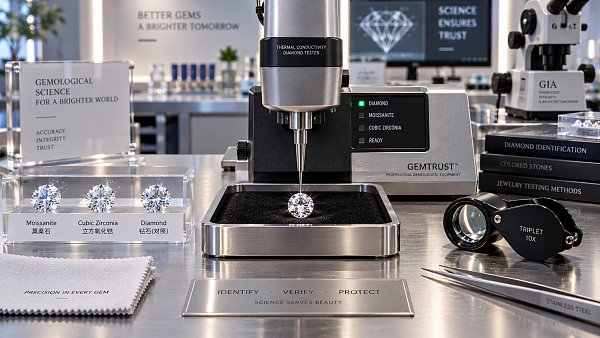
Moissanite delivers strong brilliance and durability at a lower cost than diamond. It has become a popular option for custom hip hop jewelry that needs visual intensity without premium diamond budgets.
Cubic zirconia remains common for fashion collections and high-volume styles. Quality can still vary, especially in cut consistency, clarity, and how quickly the surface dulls.
Design choices that affect wear and credibility
Material and stone selection are only part of the picture. The setting method also changes how custom hip hop jewelry performs in the real world.
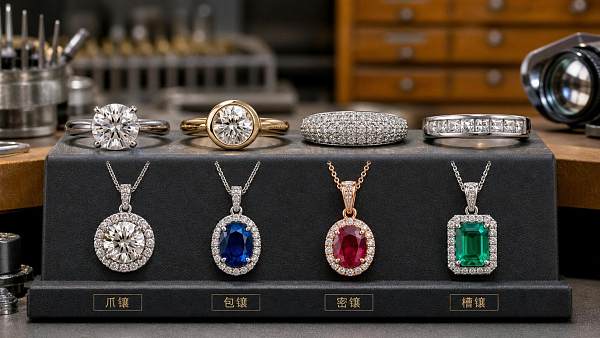
Prong settings can maximize light return, but they must be cleanly finished to avoid snagging. Micro pave creates dense shine, yet it demands precise craftsmanship or stones may loosen.
Channel and bezel settings offer more protection. They are often better for designs meant for frequent wear, travel, stage use, or repeated handling in retail environments.
Weight distribution matters too. A large pendant with poor balance may twist forward, stress the bail, or sit awkwardly on the chain. Good custom hip hop jewelry should look intentional from every angle, not only in a product render.
What the market is paying closer attention to
The current market pays closer attention to proof, not just claims. Buyers increasingly want clarity on metal composition, plating standards, stone origin, and production consistency across repeat orders.
That fits a broader sourcing pattern across premium commercial sectors. The same discipline applied to hospitality fixtures, branded interiors, and specialty retail displays is now influencing jewelry sourcing decisions.
Within the GCT editorial perspective, this is a useful signal. Commercial value now depends on design appeal plus operational reliability. A piece may look impressive online, but it also needs traceable quality and stable fulfillment.
Useful checkpoints before finalizing a direction
- Match the base metal to expected wear frequency, not only to target price.
- Request plating specifications in measurable terms.
- Confirm whether stones are natural, lab-grown, moissanite, or CZ.
- Review setting quality under magnification, especially for pave work.
- Check compliance and skin-contact standards for destination markets.
- Compare sample quality against the factory’s repeat production capability.
A practical way to evaluate custom hip hop jewelry
A smart evaluation starts with the intended role of the piece. Some custom hip hop jewelry is built for visual impact in campaigns or events. Some is meant for daily wear. Some supports premium retail positioning.
Once that role is clear, the right material and stone path becomes easier to judge. Brass with quality plating and moissanite may outperform a poorly finished silver piece. Lab-grown diamonds may offer stronger value than stretching for low-grade natural stones.
In other words, the best option is rarely the one with the most dramatic headline claim. It is the one where metal, plating, stones, craftsmanship, and commercial purpose stay aligned.
The next step is to build a comparison framework before approving a design or supplier. Focus on material specs, finish durability, stone disclosure, setting security, and repeatability. That approach turns custom hip hop jewelry from a style-led purchase into a more confident sourcing decision.
Search News
Hot Articles
Popular Tags
Need ExpertConsultation?
Connect with our specialized leisureengineering team for procurementstrategies.
Recommended News
 Oct 27, 2026Luxury Retail Merchandising: What Sets It Apart From Mass-Market Retail?Discover how luxury retail merchandising differs from mass-market retail, with curated displays, refined spaces, and personalized service that elevate perceived value and inspire purchases.● Luxury Retail Analyst
 Oct 12, 2026How to Choose Designer Eyewear That Fits Your Store’s Customer ProfileDesigner eyewear buying guide for retailers: match frames, price points, brand appeal, fit, and supplier support to your store’s customer profile for stronger sales.● Luxury Retail Analyst
 Oct 07, 2026Thermal Diamond Testers: How They Work and When They Can Misidentify StonesThermal diamond tester guide: learn how it works, spot false positives from moissanite, and choose reliable verification methods for jewelry trade and retail.● Luxury Retail Analyst
 Oct 02, 2026Diamond Tester Wholesale: How to Vet Accuracy, Calibration, and MOQ Before OrderingDiamond tester wholesale guide: verify accuracy, calibration records, supplier quality controls, and MOQ terms before ordering. Source reliable testers with confidence.● Luxury Retail Analyst
 Sep 09, 2026Wholesale Coral Earrings: How Buyers Can Assess Quality, Treatments, and Supply RiskCoral jewelry earrings wholesale guide for buyers: assess quality, treatments, secure settings, documentation, and supply risks before ordering.● Luxury Retail Analyst
 Sep 01, 2026How to Choose a Jewelry Laser Engraving Machine Manufacturer for Custom ProductionChoose a jewelry laser engraving machine manufacturer with proven sample testing, precision fixtures, workflow-ready software, and reliable support for custom production.● Luxury Retail Analyst
 Aug 27, 2026Evaluating Luxury Retail Accessories Suppliers: Quality, Lead Times, and Brand FitLuxury retail accessories supplier selection made clearer: assess quality, lead times, compliance, costs, and brand fit to protect premium launches and margins.● Luxury Retail Analyst
 Jul 29, 2026Fine Jewelry Price Guide: What Affects Cost and How to Judge Real ValueFine jewelry price guide for buyers: learn what drives cost in metals, gemstones, craftsmanship, certification, and branding so you can judge real value, reduce sourcing risk, and buy with confidence.● Luxury Retail Analyst
 Jul 14, 2026What to Ask an Enamel Jewelry Manufacturer Before Sampling and Mass ProductionEnamel jewelry manufacturer selection starts with the right questions. Learn what to ask about materials, color matching, MOQ, QC, compliance, and lead times before sampling and mass production.● Luxury Retail Analyst
 Jul 12, 2026Surgical Steel Belly Rings vs Titanium: Material Differences, Safety, and CostSurgical steel belly rings vs titanium: compare safety, nickel exposure, comfort, durability, and cost to choose the best option for sensitive skin or budget-friendly style.● Luxury Retail Analyst
 Jul 12, 2026Natural Coral Jewelry Guide: How to Identify Real Coral, Treatments, and QualityNatural coral jewelry guide covering how to identify real coral, spot treatments, assess quality, and buy with confidence. Learn the key signs before you choose.● Luxury Retail Analyst
 Jul 11, 2026Braided Leather Bracelets OEM: Material, Clasp, and MOQ Factors Before SamplingBraided leather bracelets OEM guide covering material grades, clasp options, and MOQ factors before sampling. Learn how to reduce sourcing risk, control cost, and choose the right supplier.● Luxury Retail Analyst
 Jul 09, 2026Jewelry Craftsmanship Gemstone Setting Methods Explained: Prong, Bezel, Pave, and MoreJewelry craftsmanship gemstone setting explained clearly: compare prong, bezel, pavé, channel, and more to choose secure, beautiful, and commercially smart jewelry designs.● Luxury Retail Analyst
 Jul 06, 2026Photo Locket Necklace Manufacturer Selection Guide: Materials, MOQ, and Custom OptionsPhoto locket necklace manufacturer selection guide covering materials, MOQ, custom options, compliance, and quality checks to help buyers source smarter and build stronger jewelry lines.● Luxury Retail Analyst
 Jul 05, 2026What to Check When Comparing a Sterling Silver Clasp ManufacturerChoosing a sterling silver clasp manufacturer? Learn what to check first: 925 silver claims, finish quality, testing, compliance, lead times, and hidden sourcing costs.● Luxury Retail Analyst
 Jul 02, 2026Jewelry Craftsmanship Techniques Explained: Casting, Stone Setting, Engraving, and PolishingJewelry craftsmanship techniques explained: discover how casting, stone setting, engraving, and polishing shape quality, durability, and sourcing confidence.● Luxury Retail Analyst
 Jul 01, 2026Lost Wax Casting Machines Explained: Types, Capacity, and Metal CompatibilityLost wax casting machines explained: compare types, real capacity, and metal compatibility to choose the right system for precision casting, higher quality, and smarter sourcing.● Luxury Retail Analyst
 Jun 29, 2026How to Evaluate a Luxury Accessories Online Store Before You BuyLuxury accessories online store buying guide: learn how to verify authenticity, compare policies, check reviews, and avoid costly mistakes before you place an order.● Luxury Retail Analyst
 Jun 22, 2026Matching Couple Rings: Popular Materials, Fit Differences, and How to ChooseMatching couple rings guide: compare popular materials, fit differences, comfort, durability, and resizing options to choose a stylish pair that truly lasts.● Luxury Retail Analyst
 Jun 19, 2026How to Build a Fashion Accessories Catalog That Improves Product Discovery and SalesFashion accessories catalog strategies that improve product discovery, filtering, and conversions. Learn how to structure pages, categories, and data to drive more qualified sales.● Luxury Retail Analyst
 Jun 19, 2026How to Choose Luxury Accessories for Women by Material, Style, and Price PointLuxury accessories for women: learn how to choose the right pieces by material, style, and price point for better value, timeless appeal, and smarter buying decisions.● Luxury Retail Analyst
 Jun 18, 2026Stainless Steel Rings Bulk: 304 vs 316L, Finishes, and Custom Order FactorsStainless steel rings bulk guide: compare 304 vs 316L, explore finish options, and learn key custom order factors to reduce sourcing risk and improve product value.● Luxury Retail Analyst
 Jun 18, 2026Body Piercing Jewelry Bulk Buying Guide: Materials, Sizes, and MOQ QuestionsBody piercing jewelry bulk buying guide covering safe materials, size checks, MOQ strategy, supplier screening, and compliance tips to reduce risk and source with confidence.● Luxury Retail Analyst
 Jun 18, 2026How to Evaluate a Luxury Jewelry Exporter for Quality, Compliance, and DeliveryLuxury jewelry exporter evaluation starts with more than design. Learn how to verify quality, compliance, and delivery control to source premium jewelry with less risk.● Luxury Retail Analyst