Nose Studs and Rings: Which Is Better for a New Piercing?
Choosing between nose studs and rings is one of the first decisions you’ll face when planning a new piercing. While both styles offer distinct looks, factors such as fit, material, comfort, and healing can make one a more suitable initial choice. This guide compares nose studs and rings for fresh piercings, explains what to look for in starter jewelry, and helps you prepare for a conversation with a professional piercer.
For most new nostril piercings, start with a stud
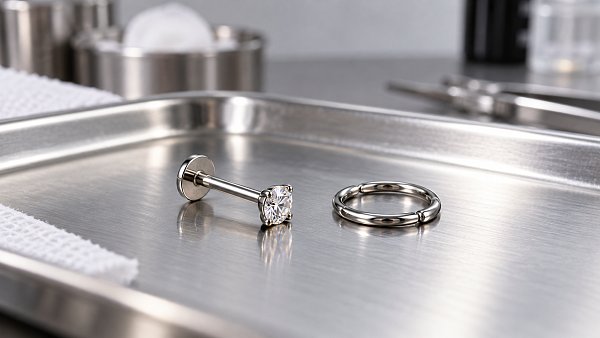
A well-fitted flat-back stud is often the more practical starting point for a nostril piercing. Its straight post tends to move less than a ring, and its small profile is less likely to catch on towels, clothing, or hands. That does not mean every stud will heal well: the post needs enough room for initial swelling, and the metal, finish, and placement all matter.
A ring can sometimes be used from the beginning, but it demands more careful sizing and placement. Its curve sits within the piercing channel, and a hoop that is too tight can press on swollen tissue. A larger hoop may accommodate swelling but can be more visible and easier to snag. An experienced piercer should assess your anatomy before deciding whether a ring is a reasonable starting option.
This comparison focuses on nostril piercings. Septum piercings are placed through different anatomy and are commonly started with circular jewelry; the advice about choosing a nostril stud should not be applied to them without professional assessment.
How studs and rings behave during healing
The visible difference is obvious, but the more useful question is what happens when the jewelry meets everyday life. A new nostril piercing may rub against a pillow, catch on a sweater, or be disturbed when you wash your face. Repeated pressure and movement can irritate tissue that is trying to heal.
Flat-back studs have a decorative end on the outside and a small disc inside the nostril. They can sit relatively discreetly and give the piercer control over post length. An initial post may look longer than the final result because it needs to accommodate swelling. Once swelling has settled, a piercer may recommend replacing it with a shorter post; leaving excessive length can make the jewelry easier to knock.
Nostril screws and L-shaped studs are other styles, but their retention depends on shape and fit. They can be easier to dislodge during cleaning or while sleeping, particularly if they are not matched to the wearer. Ask the piercer why a particular design is appropriate rather than assuming every item sold as a nose stud is suitable for a fresh piercing.
Rings offer a continuous hoop appearance, but their curvature, diameter, and closure need attention. A seam or hinge that rotates into a fresh channel may cause irritation, and an undersized ring can put pressure on the piercing. Depending on placement and anatomy, a piercer may advise waiting until healing is complete before changing to a hoop.
Neither style guarantees a trouble-free experience. A carefully selected ring may be appropriate for some people, while a poorly fitted stud can still cause problems. The choice is about managing movement and pressure, not simply picking the jewelry with the smallest appearance.
Material matters more than the color of the jewelry
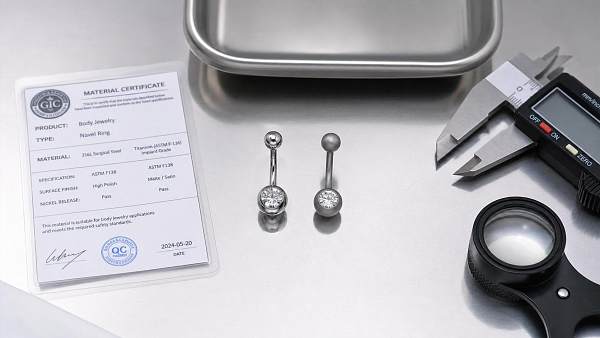
A polished silver-colored finish tells you very little about what a piece is made from. For a fresh piercing, ask for the actual material and specification, including the post and any component that will touch tissue. “Hypoallergenic,” “surgical steel,” and “medical grade” are marketing descriptions unless the seller can explain the underlying material.
Implant-grade titanium is a commonly recommended option for initial jewelry, particularly when nickel sensitivity is a concern. Specific material designations, such as ASTM F136 for a titanium alloy, are more informative than an unqualified claim that a piece is titanium. Ask whether the supplier can document the material used in the jewelry, rather than only the raw material advertised in a catalog.
Appropriate solid, nickel-free gold can also be used for initial jewelry when its composition and construction are suitable. Gold plating is different: the coating may wear, exposing the metal underneath. Sterling silver is generally not a good choice for a fresh piercing because it can tarnish and irritate healing tissue. If you know you react to certain metals, tell your piercer before selecting jewelry.
Surface quality is just as relevant as the alloy. Look for a smooth finish, secure stones, and no rough edges where tissue or cleaning material could catch. Internally threaded and threadless designs avoid drawing exposed external threads through the piercing during insertion, although the quality and fit of the individual piece still need checking.
Fit is not a one-size-fits-all measurement
Nostril thickness, piercing placement, and the shape of the nose affect which jewelry will work. A post that looks neat immediately after piercing may become too tight as swelling develops. Conversely, an unnecessarily long post can shift, catch, and apply leverage to the site.
For studs, the key measurements are the post thickness, often described as gauge, and the wearable post length. For rings, gauge and internal diameter both matter. Gauge is not interchangeable with diameter: one describes the thickness of the jewelry, while the other describes the space inside the hoop. The decorative end also needs to be large enough to sit safely against the outside of the nostril without pressing into it.
Avoid ordering a starter piece solely because an online listing calls it “standard size.” A piercer can select dimensions for the initial swelling period and explain whether a later downsize is likely. Record those measurements if you plan to purchase replacement jewelry after healing; they give you a starting point, not automatic permission to change styles early.
Healing time and the urge to change jewelry
A nostril piercing typically takes several months to heal, and individual timing varies. The outside can look calm while the channel inside is still fragile. Changing to a ring because redness has disappeared, or because the piercing no longer feels tender, can disturb that tissue.
A professional downsize is different from a cosmetic change. If swelling has reduced and the initial post is catching, a piercer may decide that a shorter post is appropriate before the piercing is fully healed. Do not interpret that appointment as evidence that the piercing is ready for frequent jewelry changes.
If your goal is eventually to wear a close-fitting hoop, mention it before the piercing is placed. The piercer can discuss how placement affects the eventual look and whether your preferred diameter is realistic for your anatomy. That conversation is more useful than choosing a placement based only on a photo.
Aftercare: protect the piercing from unnecessary irritation
Follow the aftercare instructions provided by your piercer, and keep the routine gentle. Sterile saline wound wash is commonly recommended for cleaning; check that it is intended for wound care and does not contain unnecessary additives. Wash your hands before touching the area, rinse away residue as advised, and dry gently with clean, disposable material.
Do not rotate the jewelry to “keep the hole open.” Movement can disrupt healing tissue. Harsh products such as alcohol, hydrogen peroxide, and strong antiseptics may irritate the site, while ointments can interfere with the simple cleaning routine your piercer recommends. Avoid applying makeup, skincare, or fragrance directly to the piercing.
Some tenderness and localized swelling can occur early on. A persistent bump or redness may result from irritation, pressure, or another cause; it is not possible to diagnose it reliably from appearance alone. If jewelry feels too tight, is sinking into the skin, or repeatedly catches, ask a qualified piercer to assess the fit promptly.
Seek medical care for worsening pain, spreading redness or swelling, fever, or thick discharge, especially if you feel unwell. If infection is suspected, speak with a healthcare professional before removing jewelry; removal may complicate drainage in some circumstances. A piercer can help with jewelry fit, but should not replace medical assessment.
What a jewelry description should tell you
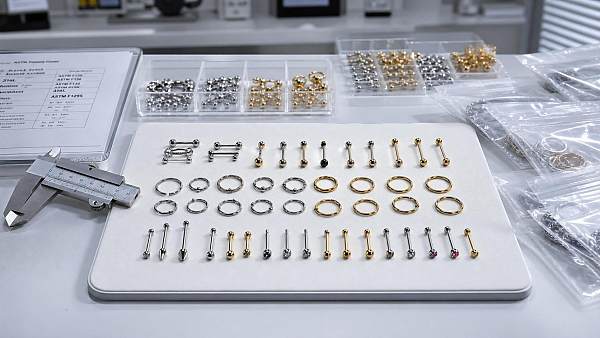
For retailers and studios evaluating nose studs and rings, a useful product listing should answer the same questions a careful wearer asks: What is the tissue-contact material? What are the gauge and wearable length or internal diameter? How does the closure work? Is the item intended for initial piercing or for healed wear?
The distinction between jewelry that can be sterilized and jewelry supplied sterile also matters. A studio should use an appropriate sterilization process and follow applicable local requirements; a sealed retail pouch alone does not establish that an item is sterile. Suppliers should be able to explain material traceability and provide relevant documentation when requested, without substituting vague quality claims for specifications.
This is where the sourcing perspective covered by Global Commercial Trade is useful: appearance and price are only part of a jewelry decision. Consistent dimensions, clear material descriptions, and dependable finishing help a studio select pieces that piercers can fit and explain with confidence. Requirements can differ by market, so buyers should verify applicable rules and documentation for their location.
Questions to take to your piercing appointment
Bring a reference photo if you have a preferred look, but use it to start a discussion rather than dictate the jewelry. Ask whether your anatomy and intended placement suit a stud or an initial ring, what material the piece is made from, and how much space it provides for swelling. It is also reasonable to ask how the jewelry and instruments will be sterilized and when to return for a fit check.
If you want the simplest route to a future hoop, a properly fitted stud is often the sensible first step. Choose the piercer and the initial fit carefully, keep the jewelry undisturbed, and have the piercing assessed before making the switch. The ring can be the destination without having to be the starting point.
Search News
Hot Articles
Popular Tags
Need ExpertConsultation?
Connect with our specialized leisureengineering team for procurementstrategies.
Recommended News
 Oct 30, 2026Nose Studs and Rings: Which Is Better for a New Piercing?Nose studs and rings: discover which is best for a new nostril piercing, plus expert tips on fit, materials, healing, and when to switch to a hoop.● Luxury Retail Analyst
 Oct 27, 2026Luxury Retail Merchandising: What Sets It Apart From Mass-Market Retail?Discover how luxury retail merchandising differs from mass-market retail, with curated displays, refined spaces, and personalized service that elevate perceived value and inspire purchases.● Luxury Retail Analyst
 Oct 12, 2026How to Choose Designer Eyewear That Fits Your Store’s Customer ProfileDesigner eyewear buying guide for retailers: match frames, price points, brand appeal, fit, and supplier support to your store’s customer profile for stronger sales.● Luxury Retail Analyst
 Oct 07, 2026Thermal Diamond Testers: How They Work and When They Can Misidentify StonesThermal diamond tester guide: learn how it works, spot false positives from moissanite, and choose reliable verification methods for jewelry trade and retail.● Luxury Retail Analyst
 Oct 02, 2026Diamond Tester Wholesale: How to Vet Accuracy, Calibration, and MOQ Before OrderingDiamond tester wholesale guide: verify accuracy, calibration records, supplier quality controls, and MOQ terms before ordering. Source reliable testers with confidence.● Luxury Retail Analyst
 Sep 09, 2026Wholesale Coral Earrings: How Buyers Can Assess Quality, Treatments, and Supply RiskCoral jewelry earrings wholesale guide for buyers: assess quality, treatments, secure settings, documentation, and supply risks before ordering.● Luxury Retail Analyst
 Sep 01, 2026How to Choose a Jewelry Laser Engraving Machine Manufacturer for Custom ProductionChoose a jewelry laser engraving machine manufacturer with proven sample testing, precision fixtures, workflow-ready software, and reliable support for custom production.● Luxury Retail Analyst
 Aug 27, 2026Evaluating Luxury Retail Accessories Suppliers: Quality, Lead Times, and Brand FitLuxury retail accessories supplier selection made clearer: assess quality, lead times, compliance, costs, and brand fit to protect premium launches and margins.● Luxury Retail Analyst
 Jul 29, 2026Fine Jewelry Price Guide: What Affects Cost and How to Judge Real ValueFine jewelry price guide for buyers: learn what drives cost in metals, gemstones, craftsmanship, certification, and branding so you can judge real value, reduce sourcing risk, and buy with confidence.● Luxury Retail Analyst
 Jul 14, 2026What to Ask an Enamel Jewelry Manufacturer Before Sampling and Mass ProductionEnamel jewelry manufacturer selection starts with the right questions. Learn what to ask about materials, color matching, MOQ, QC, compliance, and lead times before sampling and mass production.● Luxury Retail Analyst
 Jul 12, 2026Surgical Steel Belly Rings vs Titanium: Material Differences, Safety, and CostSurgical steel belly rings vs titanium: compare safety, nickel exposure, comfort, durability, and cost to choose the best option for sensitive skin or budget-friendly style.● Luxury Retail Analyst
 Jul 12, 2026Natural Coral Jewelry Guide: How to Identify Real Coral, Treatments, and QualityNatural coral jewelry guide covering how to identify real coral, spot treatments, assess quality, and buy with confidence. Learn the key signs before you choose.● Luxury Retail Analyst
 Jul 11, 2026Braided Leather Bracelets OEM: Material, Clasp, and MOQ Factors Before SamplingBraided leather bracelets OEM guide covering material grades, clasp options, and MOQ factors before sampling. Learn how to reduce sourcing risk, control cost, and choose the right supplier.● Luxury Retail Analyst
 Jul 09, 2026Jewelry Craftsmanship Gemstone Setting Methods Explained: Prong, Bezel, Pave, and MoreJewelry craftsmanship gemstone setting explained clearly: compare prong, bezel, pavé, channel, and more to choose secure, beautiful, and commercially smart jewelry designs.● Luxury Retail Analyst
 Jul 06, 2026Photo Locket Necklace Manufacturer Selection Guide: Materials, MOQ, and Custom OptionsPhoto locket necklace manufacturer selection guide covering materials, MOQ, custom options, compliance, and quality checks to help buyers source smarter and build stronger jewelry lines.● Luxury Retail Analyst
 Jul 05, 2026What to Check When Comparing a Sterling Silver Clasp ManufacturerChoosing a sterling silver clasp manufacturer? Learn what to check first: 925 silver claims, finish quality, testing, compliance, lead times, and hidden sourcing costs.● Luxury Retail Analyst
 Jul 02, 2026Jewelry Craftsmanship Techniques Explained: Casting, Stone Setting, Engraving, and PolishingJewelry craftsmanship techniques explained: discover how casting, stone setting, engraving, and polishing shape quality, durability, and sourcing confidence.● Luxury Retail Analyst
 Jul 01, 2026Lost Wax Casting Machines Explained: Types, Capacity, and Metal CompatibilityLost wax casting machines explained: compare types, real capacity, and metal compatibility to choose the right system for precision casting, higher quality, and smarter sourcing.● Luxury Retail Analyst
 Jun 29, 2026How to Evaluate a Luxury Accessories Online Store Before You BuyLuxury accessories online store buying guide: learn how to verify authenticity, compare policies, check reviews, and avoid costly mistakes before you place an order.● Luxury Retail Analyst
 Jun 22, 2026Matching Couple Rings: Popular Materials, Fit Differences, and How to ChooseMatching couple rings guide: compare popular materials, fit differences, comfort, durability, and resizing options to choose a stylish pair that truly lasts.● Luxury Retail Analyst
 Jun 19, 2026How to Build a Fashion Accessories Catalog That Improves Product Discovery and SalesFashion accessories catalog strategies that improve product discovery, filtering, and conversions. Learn how to structure pages, categories, and data to drive more qualified sales.● Luxury Retail Analyst
 Jun 19, 2026How to Choose Luxury Accessories for Women by Material, Style, and Price PointLuxury accessories for women: learn how to choose the right pieces by material, style, and price point for better value, timeless appeal, and smarter buying decisions.● Luxury Retail Analyst
 Jun 18, 2026Stainless Steel Rings Bulk: 304 vs 316L, Finishes, and Custom Order FactorsStainless steel rings bulk guide: compare 304 vs 316L, explore finish options, and learn key custom order factors to reduce sourcing risk and improve product value.● Luxury Retail Analyst
 Jun 18, 2026Body Piercing Jewelry Bulk Buying Guide: Materials, Sizes, and MOQ QuestionsBody piercing jewelry bulk buying guide covering safe materials, size checks, MOQ strategy, supplier screening, and compliance tips to reduce risk and source with confidence.● Luxury Retail Analyst