How to Choose Hotel Hospitality Supplies for Different Property Types
Choosing hotel hospitality supplies is rarely a simple product exercise. Each property type sets different expectations for comfort, image, maintenance, and guest flow.
A resort, a boutique hotel, an airport business property, and an economy chain may all buy linens, amenities, and service equipment. They should not buy them the same way.
That difference matters more now because hospitality investment is under pressure to deliver both experience and operating discipline. Supply choices affect reviews, replacement cycles, labor time, and brand consistency.
In that context, hotel hospitality supplies are part design decision, part compliance decision, and part sourcing strategy. The most effective approach starts with property positioning, then moves into use conditions and lifecycle value.
Why property type changes the sourcing equation
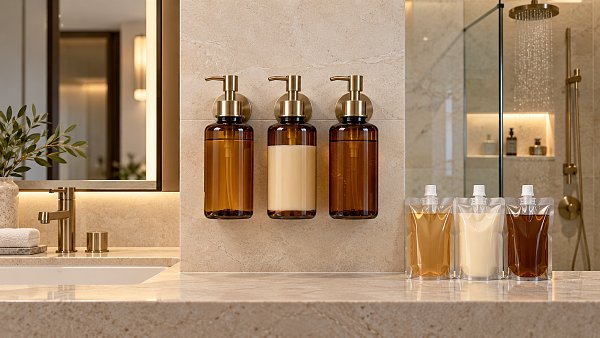
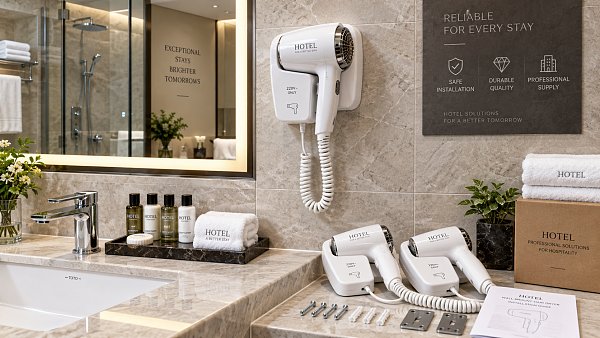
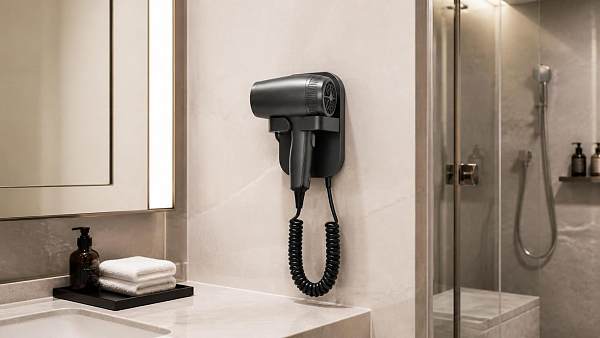
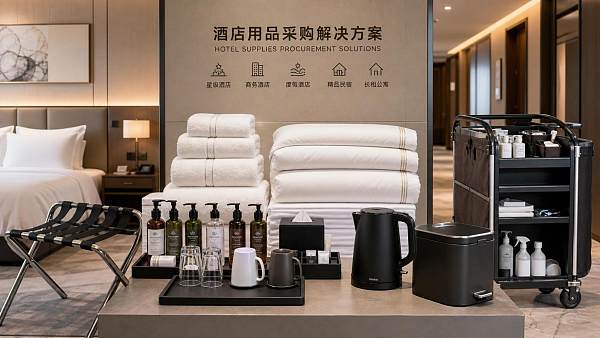
The term hotel hospitality supplies covers a wide range of items. It can include guestroom textiles, bathroom accessories, tabletop items, housekeeping tools, minibars, carts, dispensers, waste bins, and back-of-house support products.
What changes across properties is not the category list alone. The real shift appears in usage intensity, guest expectations, aesthetic standards, and how quickly each item must perform under daily turnover.
Luxury environments often value tactile quality, visual coherence, and quiet service details. Select-service or budget environments usually prioritize durability, cleaning speed, standardization, and replacement efficiency.
That is why a useful sourcing framework should connect brand promise with practical operations. Buying a premium-looking item that fails after six months is not a premium decision.
What the market is paying attention to
Across the broader commercial sector, buyers are moving beyond unit price. They are asking sharper questions about safety compliance, customization flexibility, lead time resilience, and total cost across the contract period.
That shift aligns with the sourcing logic promoted by Global Commercial Trade. In experience-led industries, specification quality and supply reliability shape commercial outcomes as much as product appearance.
For hotel hospitality supplies, several issues now stand out. Flame resistance, material traceability, packaging waste, refillable amenity systems, and compatibility with international standards are no longer secondary concerns.
Procurement teams are also comparing suppliers on OEM and ODM capability. Many hotel groups want signature products, but they still need stable manufacturing, repeatable quality, and scalable replenishment.
A practical way to evaluate core supply categories
Before comparing suppliers, it helps to organize hotel hospitality supplies into decision groups. Each group carries different risk, replacement patterns, and guest visibility.
This kind of grouping makes comparison more disciplined. It also prevents a common mistake: applying one purchasing rule to every category.
How priorities differ by property model
Luxury hotels and resorts
In upper-tier properties, hotel hospitality supplies carry visible brand weight. Guests notice texture, finish, scent, acoustic softness, and how well every object belongs to the wider design language.
That does not mean function becomes less important. It means premium aesthetics must survive heavy use, repeated laundering, and strict housekeeping standards without degrading the experience.
- Favor materials with proven lifecycle data, not only showroom appeal.
- Review colorfastness, seam strength, and refill system reliability.
- Check whether custom branding can be repeated across future orders.
Boutique and lifestyle properties
Boutique hotels often use supplies to reinforce identity. The challenge is avoiding visual novelty that creates sourcing fragmentation or service complications later.
Here, hotel hospitality supplies should feel distinctive, but still fit standard operating routines. Limited-edition styling can become expensive if replenishment depends on unstable artisan production.
A balanced choice usually combines signature items with standardized support products. That keeps the property memorable without making every replacement item a custom sourcing project.
Business hotels and airport properties
Business-focused properties are built around speed, predictability, and clean presentation. Guests want comfort, but they also expect room readiness, functional layouts, and low-friction service.
For this model, hotel hospitality supplies should support rapid turnover. Easy-clean surfaces, standardized amenity sets, durable kettles, reliable luggage racks, and efficient housekeeping carts matter more than decorative complexity.
Noise control and cable management also deserve attention. Small operational details often shape guest satisfaction more strongly than an expensive but impractical accessory.
Economy and extended-stay properties
Budget-sensitive formats need hotel hospitality supplies that hold up under intense use and straightforward maintenance. The decision is less about stripping quality and more about choosing the right performance threshold.
In extended-stay settings, utility rises in importance. Kitchenette accessories, laundry-related items, storage solutions, and durable seating may deliver more value than decorative room accents.
The strongest sourcing plans in this segment reduce replacement frequency and simplify staff training. Consistency across locations can generate significant savings over time.
Key decision criteria beyond price
A low quote can hide expensive consequences. Hotel hospitality supplies should be tested against operational realities, especially in multi-property programs or international developments.
- Compliance: Verify fire safety, food-contact, electrical, and material standards relevant to the destination market.
- Durability: Ask for wash tests, abrasion data, corrosion resistance, and expected replacement intervals.
- Supply continuity: Review factory capacity, raw material sourcing, and contingency planning.
- Customization discipline: Confirm artwork control, sample approval process, and repeat-order tolerance.
- Logistics efficiency: Compare carton design, shipping density, lead time stability, and regional warehousing options.
These factors matter across hospitality, but they become especially important when projects involve mixed-use developments, branded residences, or phased hotel openings in multiple markets.
Where sourcing often goes wrong
One common error is buying against a mood board instead of an operating brief. Beautiful products can fail quickly when cleaning chemicals, humidity, or room turnover are not considered.
Another problem is over-customization. Bespoke hotel hospitality supplies can strengthen differentiation, but excessive variation makes quality control, spare inventory, and reordering much harder.
There is also risk in evaluating only the first shipment. Good suppliers are measured by consistency over time, especially when hotels need matching replenishment for future phases or renovations.
That is where data-backed sourcing intelligence becomes useful. A broader commercial view helps separate short-term product appeal from reliable long-term procurement performance.
Building a smarter specification process
A strong specification process starts with a property profile, not a catalog. Clarify the guest segment, average occupancy pattern, service model, and maintenance environment before shortlisting products.
Next, rank hotel hospitality supplies by business impact. Guest-facing essentials, safety-linked items, and high-replacement products deserve deeper testing than low-risk decorative accessories.
It is also useful to compare products through mock-room trials or limited live deployment. Sample rooms reveal issues that specification sheets usually miss.
For groups expanding internationally, regional compliance and supplier responsiveness should be built into the scorecard from the beginning. A supply decision is only as strong as its execution across markets.
What to review before the next purchase cycle
The most effective hotel hospitality supplies strategy usually comes from a structured review of current gaps. Look at guest complaints, breakage patterns, laundry data, room downtime, and reorder friction.
Then compare those findings against property type, brand intent, and future expansion plans. A resort refresh, an urban conversion project, and a standardized chain rollout will each require different supply logic.
From there, the next step is practical: tighten specifications, benchmark suppliers, and test lifecycle value instead of chasing lowest initial cost. That approach usually produces better hotel hospitality supplies decisions and fewer operational surprises.
Search News
Hot Articles
- Restaurant FurnitureFast-Casual Restaurant Interiors: Design Choices That Improve Speed and Guest FlowOct 04, 2026
- Outdoor RidesHow to Select Leisure Park Equipment for Safe, High-Throughput Visitor AreasOct 03, 2026
- Fashion & Gem JewelryDiamond Tester Wholesale: How to Vet Accuracy, Calibration, and MOQ Before OrderingOct 02, 2026
Popular Tags
Need ExpertConsultation?
Connect with our specialized leisureengineering team for procurementstrategies.
Recommended News
 Oct 01, 2026How Hotels Can Choose Amenity Bottles That Balance Brand Image and Refill CostsHotel amenity bottles: learn how to balance premium brand presentation, refill costs, hygiene, durability, and efficient housekeeping workflows.● Hospitality Sourcing Dir
 Sep 25, 2026How to Evaluate a Wall-Mounted Hotel Hair Dryer Manufacturer for Bulk ProjectsHotel hair dryers wall mounted manufacturer evaluation guide: compare safety, durability, installation fit, OEM options, total cost, and reliable bulk-project support.● Hospitality Sourcing Dir
 Sep 03, 2026What Lead Times Should Buyers Expect for Custom Luxury Fixtures?What delivery lead times should I expect for custom luxury fixtures? Discover realistic 12–24 week timelines, approval milestones, freight factors, and ways to avoid costly delays.● Hospitality Sourcing Dir
 Sep 05, 2026Hotel Hair Dryers Compared: Wattage, Safety Features, and Guest-Room DurabilityHair dryer for hotels: compare wattage, thermal safety, noise, mounting, and durability to select reliable guest-room dryers that elevate comfort and reduce maintenance costs.● Hospitality Sourcing Dir
 Aug 04, 2026What to Check Before Buying Space Saving Ironing Boards Wholesale for HotelsSpace saving ironing boards wholesale for hotels: learn what to check before buying, from room fit and mounting to durability, compliance, and total installed cost.● Hospitality Sourcing Dir
 Jul 12, 2026Saudi e-SABER Label Rule Hits Hotel Amenities ExportsSaudi e-SABER label rule will reshape hotel amenities exports from August 1, 2026. Learn how SASO compliance, port clearance risks, and supplier readiness may impact shipments.● Hospitality Sourcing Dir
 Jul 11, 2026SASO Requires e-SABER Labels for Hotel AmenitiesSASO requires e-SABER labels for hotel amenities from August 1, 2026. Learn how QR code, SABER, and GCC compliance rules may impact Saudi shipments and port clearance.● Hospitality Sourcing Dir
 Jul 10, 2026Saudi SABER Update Adds GCC and Arabic Manual RuleSaudi SABER Update Adds GCC and Arabic Manual Rule: learn how the new SABER requirements affect hotel amenities certification, timelines, costs, and Saudi market access planning.● Hospitality Sourcing Dir
 Jul 03, 2026Wet and Dry Vacuum Cleaners Quiet Enough for Hotels: What Noise Level and Features Matter?Wet and dry vacuum cleaners quiet enough for hotels: compare ideal dB ranges, filtration, maneuverability, and lifecycle cost to choose cleaner, quieter machines with confidence.● Hospitality Sourcing Dir
 Jul 01, 2026How to Choose Hotel Hospitality Supplies for Different Property TypesHotel hospitality supplies buying guide for resorts, boutique, business, and economy hotels. Learn how to match supplies to property type, durability, brand image, and lifecycle value.● Hospitality Sourcing Dir
 Jun 27, 2026Memory Foam Hotel Mattresses vs Hybrid Beds: Which Option Fits Your Property?Memory foam hotel mattresses or hybrid beds? Compare comfort, durability, cooling, and lifecycle cost to find the best fit for your property and guest experience.● Hospitality Sourcing Dir
 Jun 26, 2026Hotel Desks: Types, Materials, and Layout Tips for Modern Guest RoomsHotel desks guide covering desk types, durable materials, and smart layout tips for modern guest rooms. Discover practical ideas to improve comfort, style, and space efficiency.● Hospitality Sourcing Dir
 Jun 23, 2026How to Choose Hotel Wardrobes: Materials, Storage Layout, and Durability StandardsHotel wardrobes guide: learn how to compare materials, storage layout, and durability standards to choose wardrobes that improve guest experience and reduce long-term maintenance costs.● Hospitality Sourcing Dir
 Jun 20, 2026Artificial Plants for Hotels: How to Compare Fire Ratings, Materials, and Maintenance NeedsArtificial plants for hotels: compare fire ratings, materials, and maintenance needs to choose safer, longer-lasting greenery that protects design quality and lifecycle cost.● Hospitality Sourcing Dir
 Jun 17, 2026How to Choose Hotel Hair Dryers Wall Mounted for Safety, Power, and Room TypeHotel hair dryers wall mounted buying guide: learn how to compare safety features, power levels, noise, and room-fit options to choose reliable models for every hotel segment.● Hospitality Sourcing Dir
 Jun 04, 2026Wholesale Hotel Safes Buying Guide: Lock Types, Size Options, and Installation PointsWholesale hotel safes buying guide covering lock types, size options, and installation points. Compare models, reduce procurement risk, and choose the right safe for your hotel project.● Hospitality Sourcing Dir
 May 30, 2026Is glamping furniture worth the higher project cost?Glamping furniture can justify higher project costs when it boosts bookings, durability, guest reviews, and long-term ROI. Learn where premium upgrades truly pay off.● Hospitality Sourcing Dir
 May 29, 2026Do blackout curtains for hotels Cut Energy Costs?Blackout curtains for hotels can lower HVAC costs, improve guest comfort, and boost room performance. Learn when they save energy and how to specify the right system.● Hospitality Sourcing Dir
 May 09, 2026Glamping furniture mistakes that make premium stays feel cheapGlamping furniture mistakes can make premium stays feel cheap. Learn how to choose durable, comfortable, brand-aligned pieces that elevate guest experience and protect long-term value.● Hospitality Sourcing Dir
 May 04, 2026Commercial Carpet Tiles for Hotels: What Wears Out First?Commercial carpet tiles hotel buyers: discover what wears out first in entrances, corridors, and transition zones, and learn how to specify longer-lasting, guest-ready flooring.● Hospitality Sourcing Dir
 May 04, 2026Custom Hotel Signage That Looks Premium and Stays ReadableCustom hotel signage that balances premium aesthetics with readability, durability, and compliance. Discover a practical checklist to improve guest experience and streamline hotel projects.● Hospitality Sourcing Dir
 May 04, 2026Luxury Vinyl Tile Commercial Flooring in High-Traffic AreasLuxury vinyl tile commercial flooring for high-traffic spaces: discover how to compare durability, maintenance, installation risks, and lifecycle value before you specify.● Hospitality Sourcing Dir
 May 03, 2026AC Milan’s Smart Locker Room Procurement Triggers UNI 11743 Compliance ReviewAC Milan’s smart locker room procurement triggers UNI 11743:2025 compliance review — critical for sports infrastructure suppliers, EU exporters & integrators.● Hospitality Sourcing Dir
 May 03, 2026Hotel room minibar fridges: silent operation is not enoughHotel room minibar fridges now require more than silent operation. Explore how energy efficiency, design fit, compliance, and lifecycle value shape smarter hotel sourcing.● Hospitality Sourcing Dir