Saudi SABER Update Adds GCC and Arabic Manual Rule
Saudi Arabia’s SABER platform update has become a practical compliance issue for companies supplying hotel room amenities to the market. From September 1, 2026, applications for G-mark certification covering items used in hotel guestrooms will face added documentation requirements, including a GCC type approval certificate and a complete Arabic user manual. For exporters, manufacturers, certification teams, and hotel procurement-linked suppliers, the immediate concern is not only stricter document handling, but also a longer approval timeline and added localization review costs.
What the SABER platform change now requires
According to the provided information, the Saudi Standards, Metrology and Quality Organization (SASO) announced a full upgrade of the SABER electronic platform on July 9, 2026.
Starting on September 1, 2026, all hotel room amenities applying for G-mark certification must submit a GCC type approval certificate together with a complete Arabic-language instruction manual.
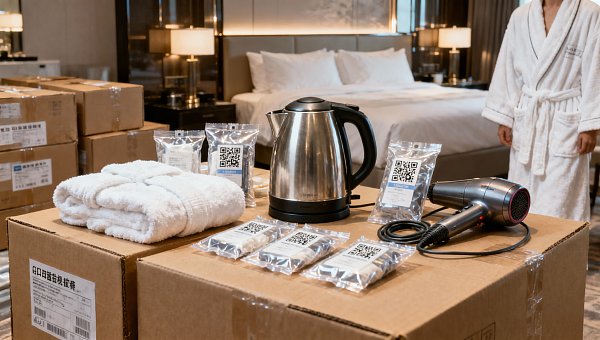
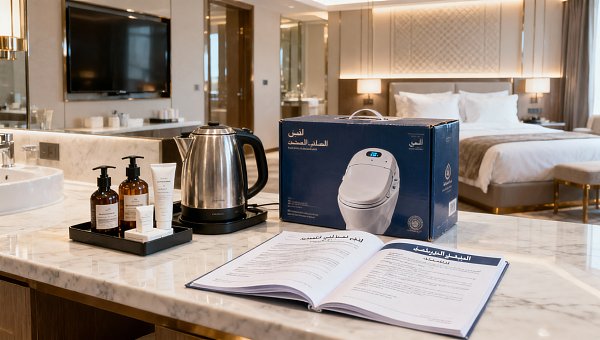
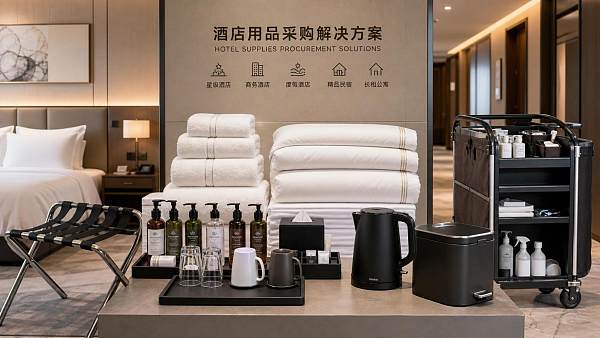
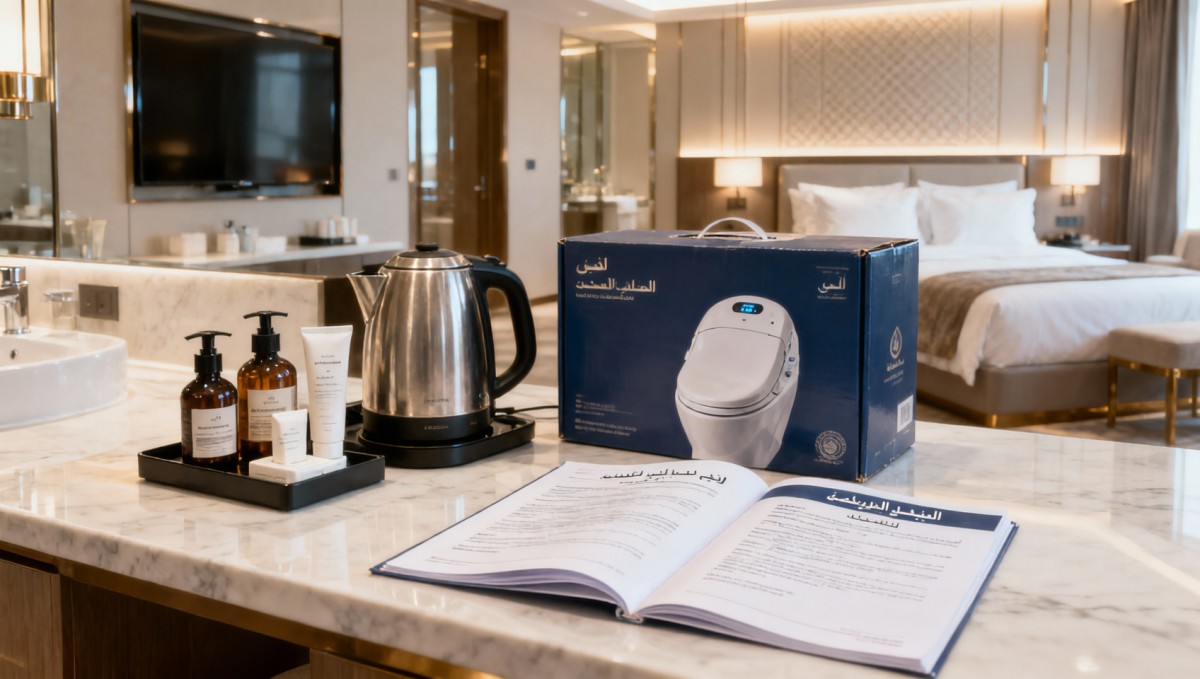
The scope mentioned in the input includes hotel-use products such as bath amenity sets, electric kettles, and smart toilet seats.
The same input also states that the new requirement is expected to extend the certification cycle by 7 to 10 working days and increase costs related to localization translation and document review.
Where the operational pressure is likely to appear
Suppliers shipping finished products into hotel channels
From an industry perspective, suppliers serving hotels or hospitality projects may be affected first because their certification submissions now depend on more complete supporting files. The impact is likely to appear in pre-shipment preparation, application timing, and coordination with certification partners. What deserves closer attention is whether product files are already aligned with the new SABER submission standard before orders move into the approval stage.
Manufacturers managing technical files and product documentation
Analysis shows that manufacturers of relevant room-use products may face pressure in technical document readiness rather than only in product supply itself. The added requirement for a GCC type approval certificate and a full Arabic manual means documentation control becomes part of delivery planning. The main effect is likely to be seen in internal review, document version management, and response time when certification materials are requested.
Service providers handling certification and localization work
Observably, certification service providers, translators, and review support teams may see a heavier workload around file completeness and language accuracy. The stated 7 to 10 working day extension suggests that project scheduling and customer communication will need tighter management. The point to watch is how review timing and translation quality affect application sequencing for multiple product categories.
Hotel procurement and project-side buyers
For procurement teams sourcing compliant room amenities, the change may affect supply timing even if they are not directly filing certification applications. The likely pressure point is delivery planning, especially when product onboarding depends on certification completion. What deserves closer attention is whether suppliers can still meet installation or replenishment schedules after the added documentation step.
What companies should monitor now
Document readiness before submission
Companies involved in affected product categories should closely check whether the GCC type approval certificate and Arabic-language instruction materials are ready before a G-mark application begins. In practical terms, incomplete files may now have a more direct effect on approval timing.
Product categories most exposed to delay
The provided information specifically mentions bath amenity sets, electric kettles, and smart toilet seats. Businesses handling these or comparable hotel room products should pay attention to whether their current compliance files already match the upgraded platform’s expected format and submission logic.
Lead time communication with customers and partners
Because the input indicates an additional 7 to 10 working days in the certification cycle, companies should reflect that timing in order scheduling, customer quotations, and delivery commitments. This is especially relevant where certification timing is tied to shipment, installation, or hotel opening preparations.
Cost impact from translation and review
The new rule also introduces added localization and review costs. Analysis shows that this is not only a budgeting issue, but also a workflow issue: companies may need earlier coordination between compliance staff, external reviewers, and language service providers to avoid late-stage bottlenecks.
Why this matters beyond a single filing step
Analysis shows that this update should not be read only as a technical platform adjustment. It points to stricter scrutiny of supporting compliance documents for hotel room amenity products entering the Saudi market through the SABER process. At the same time, it is more appropriate to understand this as an operational compliance signal rather than a fully defined long-term market shift, because the provided information confirms the new filing requirement and its immediate cost and timing impact, but does not establish wider downstream outcomes.
Observably, the most important near-term issue is execution: whether companies can adapt their document preparation, translation workflow, and certification scheduling fast enough to avoid avoidable delays.
How this update is best understood at this stage
At present, this development is best understood as a concrete short-term compliance change with potential wider implications if similar documentation expectations expand across related product categories or workflows. The confirmed effect is clear: more required documents, longer certification processing, and higher localization-related costs for affected hotel room amenities. The broader industry significance still needs continued observation, especially in how businesses absorb the new requirement into routine Saudi market access planning.
Basis of this article and points for continued verification
This article is based on the user-provided news title, event date, and event summary. For this type of industry update, source types commonly associated with verification may include official notices, company announcements, industry association information, authoritative media reporting, and standard-related documents.
A specific official source link was not provided in the input, so the underlying announcement and any later implementation details still require ongoing verification. Follow-up attention should focus on whether SASO issues further clarifications on submission practice, category scope, or supporting documentation expectations under the upgraded SABER platform.
Search News
Hot Articles
- Indoor PlaygroundHow to Choose Animatronic Haunted House Props for High-Throughput AttractionsOct 08, 2026
- Fashion & Gem JewelryThermal Diamond Testers: How They Work and When They Can Misidentify StonesOct 07, 2026
- Commercial KitchenWhat Is Driving Demand for Commercial Hospitality Projects Across the GCC?Oct 06, 2026
Popular Tags
Need ExpertConsultation?
Connect with our specialized leisureengineering team for procurementstrategies.
Recommended News
 Oct 05, 2026How to Select Hotel Hair Dryers That Balance Guest Safety, Durability, and CostHair dryer for hotels: learn how to select safe, durable, cost-efficient models with the right certifications, performance, maintenance, and supplier support.● Hospitality Sourcing Dir
 Oct 01, 2026How Hotels Can Choose Amenity Bottles That Balance Brand Image and Refill CostsHotel amenity bottles: learn how to balance premium brand presentation, refill costs, hygiene, durability, and efficient housekeeping workflows.● Hospitality Sourcing Dir
 Sep 25, 2026How to Evaluate a Wall-Mounted Hotel Hair Dryer Manufacturer for Bulk ProjectsHotel hair dryers wall mounted manufacturer evaluation guide: compare safety, durability, installation fit, OEM options, total cost, and reliable bulk-project support.● Hospitality Sourcing Dir
 Sep 03, 2026What Lead Times Should Buyers Expect for Custom Luxury Fixtures?What delivery lead times should I expect for custom luxury fixtures? Discover realistic 12–24 week timelines, approval milestones, freight factors, and ways to avoid costly delays.● Hospitality Sourcing Dir
 Sep 05, 2026Hotel Hair Dryers Compared: Wattage, Safety Features, and Guest-Room DurabilityHair dryer for hotels: compare wattage, thermal safety, noise, mounting, and durability to select reliable guest-room dryers that elevate comfort and reduce maintenance costs.● Hospitality Sourcing Dir
 Aug 04, 2026What to Check Before Buying Space Saving Ironing Boards Wholesale for HotelsSpace saving ironing boards wholesale for hotels: learn what to check before buying, from room fit and mounting to durability, compliance, and total installed cost.● Hospitality Sourcing Dir
 Jul 12, 2026Saudi e-SABER Label Rule Hits Hotel Amenities ExportsSaudi e-SABER label rule will reshape hotel amenities exports from August 1, 2026. Learn how SASO compliance, port clearance risks, and supplier readiness may impact shipments.● Hospitality Sourcing Dir
 Jul 11, 2026SASO Requires e-SABER Labels for Hotel AmenitiesSASO requires e-SABER labels for hotel amenities from August 1, 2026. Learn how QR code, SABER, and GCC compliance rules may impact Saudi shipments and port clearance.● Hospitality Sourcing Dir
 Jul 10, 2026Saudi SABER Update Adds GCC and Arabic Manual RuleSaudi SABER Update Adds GCC and Arabic Manual Rule: learn how the new SABER requirements affect hotel amenities certification, timelines, costs, and Saudi market access planning.● Hospitality Sourcing Dir
 Jul 03, 2026Wet and Dry Vacuum Cleaners Quiet Enough for Hotels: What Noise Level and Features Matter?Wet and dry vacuum cleaners quiet enough for hotels: compare ideal dB ranges, filtration, maneuverability, and lifecycle cost to choose cleaner, quieter machines with confidence.● Hospitality Sourcing Dir
 Jul 01, 2026How to Choose Hotel Hospitality Supplies for Different Property TypesHotel hospitality supplies buying guide for resorts, boutique, business, and economy hotels. Learn how to match supplies to property type, durability, brand image, and lifecycle value.● Hospitality Sourcing Dir
 Jun 27, 2026Memory Foam Hotel Mattresses vs Hybrid Beds: Which Option Fits Your Property?Memory foam hotel mattresses or hybrid beds? Compare comfort, durability, cooling, and lifecycle cost to find the best fit for your property and guest experience.● Hospitality Sourcing Dir
 Jun 26, 2026Hotel Desks: Types, Materials, and Layout Tips for Modern Guest RoomsHotel desks guide covering desk types, durable materials, and smart layout tips for modern guest rooms. Discover practical ideas to improve comfort, style, and space efficiency.● Hospitality Sourcing Dir
 Jun 23, 2026How to Choose Hotel Wardrobes: Materials, Storage Layout, and Durability StandardsHotel wardrobes guide: learn how to compare materials, storage layout, and durability standards to choose wardrobes that improve guest experience and reduce long-term maintenance costs.● Hospitality Sourcing Dir
 Jun 20, 2026Artificial Plants for Hotels: How to Compare Fire Ratings, Materials, and Maintenance NeedsArtificial plants for hotels: compare fire ratings, materials, and maintenance needs to choose safer, longer-lasting greenery that protects design quality and lifecycle cost.● Hospitality Sourcing Dir
 Jun 17, 2026How to Choose Hotel Hair Dryers Wall Mounted for Safety, Power, and Room TypeHotel hair dryers wall mounted buying guide: learn how to compare safety features, power levels, noise, and room-fit options to choose reliable models for every hotel segment.● Hospitality Sourcing Dir
 Jun 04, 2026Wholesale Hotel Safes Buying Guide: Lock Types, Size Options, and Installation PointsWholesale hotel safes buying guide covering lock types, size options, and installation points. Compare models, reduce procurement risk, and choose the right safe for your hotel project.● Hospitality Sourcing Dir
 May 30, 2026Is glamping furniture worth the higher project cost?Glamping furniture can justify higher project costs when it boosts bookings, durability, guest reviews, and long-term ROI. Learn where premium upgrades truly pay off.● Hospitality Sourcing Dir
 May 29, 2026Do blackout curtains for hotels Cut Energy Costs?Blackout curtains for hotels can lower HVAC costs, improve guest comfort, and boost room performance. Learn when they save energy and how to specify the right system.● Hospitality Sourcing Dir
 May 09, 2026Glamping furniture mistakes that make premium stays feel cheapGlamping furniture mistakes can make premium stays feel cheap. Learn how to choose durable, comfortable, brand-aligned pieces that elevate guest experience and protect long-term value.● Hospitality Sourcing Dir
 May 04, 2026Commercial Carpet Tiles for Hotels: What Wears Out First?Commercial carpet tiles hotel buyers: discover what wears out first in entrances, corridors, and transition zones, and learn how to specify longer-lasting, guest-ready flooring.● Hospitality Sourcing Dir
 May 04, 2026Custom Hotel Signage That Looks Premium and Stays ReadableCustom hotel signage that balances premium aesthetics with readability, durability, and compliance. Discover a practical checklist to improve guest experience and streamline hotel projects.● Hospitality Sourcing Dir
 May 04, 2026Luxury Vinyl Tile Commercial Flooring in High-Traffic AreasLuxury vinyl tile commercial flooring for high-traffic spaces: discover how to compare durability, maintenance, installation risks, and lifecycle value before you specify.● Hospitality Sourcing Dir
 May 03, 2026AC Milan’s Smart Locker Room Procurement Triggers UNI 11743 Compliance ReviewAC Milan’s smart locker room procurement triggers UNI 11743:2025 compliance review — critical for sports infrastructure suppliers, EU exporters & integrators.● Hospitality Sourcing Dir