Artificial Plants for Hotels: How to Compare Fire Ratings, Materials, and Maintenance Needs
Why do artificial plants for hotels require more than a design review?
Artificial plants for hotels are often chosen for visual consistency, but appearance is only the starting point.
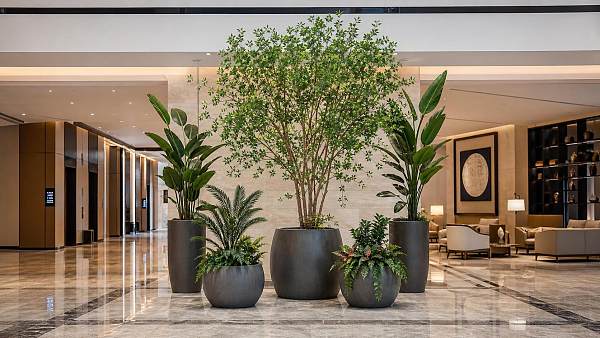
In lobbies, corridors, restaurants, spas, and meeting areas, decorative greenery becomes part of the built environment.
That changes the decision process. Fire behavior, material stability, cleaning routines, and replacement cycles matter almost as much as style.
This is why artificial plants for hotels should be assessed like a commercial fit-out component, not a casual décor item.
In practice, the risk is rarely the plant alone. The bigger issue is mismatched documentation, low-grade plastics, or unrealistic maintenance expectations.
A premium property may need a botanical look, but it also needs reliable compliance records and predictable long-term performance.
This sourcing logic aligns with the wider commercial focus seen across Global Commercial Trade, where design, safety, and supply reliability must work together.
So the real question is not simply which artificial plants for hotels look best. It is which options remain safe, credible, and cost-efficient after installation.
When suppliers mention fire ratings, what should actually be checked?
This is usually the first technical filter, and it is often misunderstood.
A fire rating should never be treated as a vague marketing phrase. It needs a clear test basis, a named standard, and valid supporting documents.
For artificial plants for hotels, the relevant requirement depends on market, project scope, and where the product will be placed.
A decorative tree in a guestroom corner may face different scrutiny than ceiling foliage in a restaurant or greenery near an exit route.
More careful buyers usually ask several follow-up questions:
- Which exact standard was tested, such as BS 5867, NFPA references, or EN-based classifications?
- Was the test performed on leaves only, or on the complete assembled product?
- Does the certificate match the same material, color, backing, and treatment used in production?
- Is the flame-retardant property inherent, or added through topical treatment?
That last point matters a lot. Surface-applied treatment can lose effectiveness through cleaning, friction, humidity, or time.
Inherent flame-retardant materials usually offer better consistency, though they may cost more upfront.
It is also wise to confirm whether local code officials accept the submitted documents. A certificate may be genuine and still be unsuitable for a specific project jurisdiction.
A quick comparison helps separate useful claims from risky ones
For artificial plants for hotels, this table is often more useful than a simple yes-or-no compliance answer.
Which materials hold up best in hotel environments?
Material selection shapes realism, lifespan, and maintenance burden at the same time.
Common commercial foliage uses PE, PVC, polyester, silk-look fabrics, latex coatings, or mixed composites over metal or plastic armatures.
No single material is perfect for every setting. The better choice depends on traffic level, sunlight exposure, humidity, and cleaning frequency.
PE often provides a more natural leaf texture and stronger structural resilience. PVC can be economical, but lower grades may shine unnaturally or age faster.
Fabric-based leaves may look refined in close-up settings. Still, they can attract dust and react poorly in damp zones if not specified correctly.
For artificial plants for hotels in pool lounges, spa corridors, or bright atriums, UV stability and moisture tolerance become decisive.
Frame quality matters too. Weak inner wires deform quickly, especially in tall trees that are moved for events or seasonal layouts.
A practical way to compare samples is to inspect them from three distances: street-view distance, seating distance, and touch-point distance.
If the color banding, seams, or molded edges become obvious at guest distance, the visual value drops quickly.
- Lobby statement pieces need realistic branching, stable trunks, and leaves that resist deformation.
- Restaurant partitions need easy-to-clean surfaces and low dust retention.
- Guestroom accents benefit from lower weight and quieter handling during housekeeping.
- Covered outdoor zones need UV-tested materials and secure internal construction.
This is where a sourcing platform with cross-sector commercial insight is useful. The same quality logic used in hospitality fit-outs applies here as well.
How can maintenance needs be judged before placing a large order?
Many buying mistakes come from underestimating maintenance, not from choosing the wrong shape or species.
Artificial plants for hotels are often expected to be maintenance-free. In reality, they are maintenance-light, not maintenance-zero.
Dust, grease, fragrance residue, and HVAC airflow all affect how often greenery needs cleaning.
The main question is not whether cleaning is needed. It is how easy cleaning will be without damaging the product or disrupting operations.
Before final approval, it helps to ask for a written maintenance protocol covering tools, detergents, frequency, and restrictions.
A well-designed commercial item should tolerate routine dusting, low-moisture wiping, and occasional deeper cleaning without color loss or leaf shedding.
More complex foliage walls or dense arrangements may look impressive, but they also trap more airborne particles.
That is why artificial plants for hotels in banquet, dining, or wellness spaces should be evaluated for access and cleaning labor, not just aesthetics.
Useful maintenance questions before approval
- Will leaves hold dust due to texture, static, or fabric finish?
- Can damaged stems or branches be replaced individually?
- Are cleaning chemicals likely to affect flame-retardant treatment?
- How often will access equipment be needed for tall installations?
- Will the planter base hide dirt, scratches, or water stains over time?
Small answers to these questions often have major impact on lifecycle cost.
Where do buyers usually make the wrong comparison?
The most common mistake is comparing artificial plants for hotels by unit price alone.
A cheaper item may need faster replacement, more frequent cleaning, or extra compliance review. The apparent saving can disappear quickly.
Another mistake is approving showroom samples without checking whether bulk production will use the same materials.
Color consistency, leaf density, trunk finish, and potting details can shift between sample and shipment if specifications are loose.
There is also a tendency to over-specify realism in low-touch areas and under-specify durability in high-touch zones.
A corridor corner may not need museum-level realism. A restaurant divider, however, needs strong cleanability and shape retention every day.
Lead time is another blind spot. Custom trunks, branded planters, fire-treated foliage, or project-specific documentation can extend schedules.
It helps to compare proposals using a broader scorecard, not a single price column.
What does a reliable selection process look like from sample to rollout?
A solid process for artificial plants for hotels usually starts with zoning, not product browsing.
Map each area by guest exposure, cleaning frequency, code sensitivity, lighting, and expected service life.
Then align each zone with a technical brief. That brief should cover dimensions, material preference, fire-rating needs, planter style, and maintenance limits.
After that, sample review becomes more objective. Instead of asking whether the plant looks nice, the review asks whether it fits the zone.
A practical rollout process often includes these steps:
- Request compliance documents before design approval is finalized.
- Lock the approved sample with material and color references.
- Review maintenance instructions alongside housekeeping routines.
- Check spare-part availability for future replenishment.
- Confirm lead time buffers for custom or fire-rated items.
This approach supports both design continuity and operational discipline. It also reflects the broader sourcing standard expected in premium commercial environments.
The best artificial plants for hotels are not necessarily the most expensive. They are the ones that survive scrutiny from safety, design, and maintenance angles at the same time.
If the next step is evaluation, start by listing installation zones, required fire documents, preferred materials, and acceptable cleaning effort.
That framework makes supplier comparisons clearer, reduces avoidable rework, and leads to greenery that performs as well as it presents.
Search News
Hot Articles
- Outdoor RidesWhat Drives Animatronic Dinosaur Manufacturer Prices for Theme Park Projects?Sep 18, 2026
- Stationery & UniformsHow to Source Wholesale Packing Tape Without Compromising Carton Seal StrengthSep 17, 2026
- Smart Campus TechHow to Source Educational Furniture Worldwide for Safe, Flexible Learning SpacesSep 16, 2026
Popular Tags
Need ExpertConsultation?
Connect with our specialized leisureengineering team for procurementstrategies.
Recommended News
 Sep 03, 2026What Lead Times Should Buyers Expect for Custom Luxury Fixtures?What delivery lead times should I expect for custom luxury fixtures? Discover realistic 12–24 week timelines, approval milestones, freight factors, and ways to avoid costly delays.● Hospitality Sourcing Dir
 Sep 05, 2026Hotel Hair Dryers Compared: Wattage, Safety Features, and Guest-Room DurabilityHair dryer for hotels: compare wattage, thermal safety, noise, mounting, and durability to select reliable guest-room dryers that elevate comfort and reduce maintenance costs.● Hospitality Sourcing Dir
 Aug 04, 2026What to Check Before Buying Space Saving Ironing Boards Wholesale for HotelsSpace saving ironing boards wholesale for hotels: learn what to check before buying, from room fit and mounting to durability, compliance, and total installed cost.● Hospitality Sourcing Dir
 Jul 12, 2026Saudi e-SABER Label Rule Hits Hotel Amenities ExportsSaudi e-SABER label rule will reshape hotel amenities exports from August 1, 2026. Learn how SASO compliance, port clearance risks, and supplier readiness may impact shipments.● Hospitality Sourcing Dir
 Jul 11, 2026SASO Requires e-SABER Labels for Hotel AmenitiesSASO requires e-SABER labels for hotel amenities from August 1, 2026. Learn how QR code, SABER, and GCC compliance rules may impact Saudi shipments and port clearance.● Hospitality Sourcing Dir
 Jul 10, 2026Saudi SABER Update Adds GCC and Arabic Manual RuleSaudi SABER Update Adds GCC and Arabic Manual Rule: learn how the new SABER requirements affect hotel amenities certification, timelines, costs, and Saudi market access planning.● Hospitality Sourcing Dir
 Jul 03, 2026Wet and Dry Vacuum Cleaners Quiet Enough for Hotels: What Noise Level and Features Matter?Wet and dry vacuum cleaners quiet enough for hotels: compare ideal dB ranges, filtration, maneuverability, and lifecycle cost to choose cleaner, quieter machines with confidence.● Hospitality Sourcing Dir
 Jul 01, 2026How to Choose Hotel Hospitality Supplies for Different Property TypesHotel hospitality supplies buying guide for resorts, boutique, business, and economy hotels. Learn how to match supplies to property type, durability, brand image, and lifecycle value.● Hospitality Sourcing Dir
 Jun 27, 2026Memory Foam Hotel Mattresses vs Hybrid Beds: Which Option Fits Your Property?Memory foam hotel mattresses or hybrid beds? Compare comfort, durability, cooling, and lifecycle cost to find the best fit for your property and guest experience.● Hospitality Sourcing Dir
 Jun 26, 2026Hotel Desks: Types, Materials, and Layout Tips for Modern Guest RoomsHotel desks guide covering desk types, durable materials, and smart layout tips for modern guest rooms. Discover practical ideas to improve comfort, style, and space efficiency.● Hospitality Sourcing Dir
 Jun 23, 2026How to Choose Hotel Wardrobes: Materials, Storage Layout, and Durability StandardsHotel wardrobes guide: learn how to compare materials, storage layout, and durability standards to choose wardrobes that improve guest experience and reduce long-term maintenance costs.● Hospitality Sourcing Dir
 Jun 20, 2026Artificial Plants for Hotels: How to Compare Fire Ratings, Materials, and Maintenance NeedsArtificial plants for hotels: compare fire ratings, materials, and maintenance needs to choose safer, longer-lasting greenery that protects design quality and lifecycle cost.● Hospitality Sourcing Dir
 Jun 17, 2026How to Choose Hotel Hair Dryers Wall Mounted for Safety, Power, and Room TypeHotel hair dryers wall mounted buying guide: learn how to compare safety features, power levels, noise, and room-fit options to choose reliable models for every hotel segment.● Hospitality Sourcing Dir
 Jun 04, 2026Wholesale Hotel Safes Buying Guide: Lock Types, Size Options, and Installation PointsWholesale hotel safes buying guide covering lock types, size options, and installation points. Compare models, reduce procurement risk, and choose the right safe for your hotel project.● Hospitality Sourcing Dir
 May 30, 2026Is glamping furniture worth the higher project cost?Glamping furniture can justify higher project costs when it boosts bookings, durability, guest reviews, and long-term ROI. Learn where premium upgrades truly pay off.● Hospitality Sourcing Dir
 May 29, 2026Do blackout curtains for hotels Cut Energy Costs?Blackout curtains for hotels can lower HVAC costs, improve guest comfort, and boost room performance. Learn when they save energy and how to specify the right system.● Hospitality Sourcing Dir
 May 09, 2026Glamping furniture mistakes that make premium stays feel cheapGlamping furniture mistakes can make premium stays feel cheap. Learn how to choose durable, comfortable, brand-aligned pieces that elevate guest experience and protect long-term value.● Hospitality Sourcing Dir
 May 04, 2026Commercial Carpet Tiles for Hotels: What Wears Out First?Commercial carpet tiles hotel buyers: discover what wears out first in entrances, corridors, and transition zones, and learn how to specify longer-lasting, guest-ready flooring.● Hospitality Sourcing Dir
 May 04, 2026Custom Hotel Signage That Looks Premium and Stays ReadableCustom hotel signage that balances premium aesthetics with readability, durability, and compliance. Discover a practical checklist to improve guest experience and streamline hotel projects.● Hospitality Sourcing Dir
 May 04, 2026Luxury Vinyl Tile Commercial Flooring in High-Traffic AreasLuxury vinyl tile commercial flooring for high-traffic spaces: discover how to compare durability, maintenance, installation risks, and lifecycle value before you specify.● Hospitality Sourcing Dir
 May 03, 2026AC Milan’s Smart Locker Room Procurement Triggers UNI 11743 Compliance ReviewAC Milan’s smart locker room procurement triggers UNI 11743:2025 compliance review — critical for sports infrastructure suppliers, EU exporters & integrators.● Hospitality Sourcing Dir
 May 03, 2026Hotel room minibar fridges: silent operation is not enoughHotel room minibar fridges now require more than silent operation. Explore how energy efficiency, design fit, compliance, and lifecycle value shape smarter hotel sourcing.● Hospitality Sourcing Dir
 May 03, 2026HVAC systems for hotels: poor zoning raises energy bills quietlyHVAC systems for hotels can silently inflate energy bills when zoning is weak. Learn how smarter controls cut costs, improve guest comfort, and protect long-term hotel asset value.● Hospitality Sourcing Dir
 May 03, 2026Wooden coat hangers hotel projects should not overlook finish qualityWooden coat hangers hotel buyers should not ignore finish quality. Learn how smoothness, coating safety, and color consistency reduce complaints, protect brand image, and lower replacement costs.● Hospitality Sourcing Dir