Glamping furniture mistakes that make premium stays feel cheap
Premium glamping succeeds when every detail supports comfort, durability, and perceived value. Yet the wrong glamping furniture choices can quickly make a high-end site feel temporary, inconsistent, or cheaply executed. What often appears to be a minor furnishing decision can affect guest reviews, cleaning efficiency, replacement cycles, and even the pricing power of the entire destination. In experiential hospitality, furniture is not simply functional equipment; it shapes how a stay is judged within seconds of arrival.
For destination developers, hospitality planners, and commercial sourcing teams, avoiding the most common glamping furniture mistakes is essential. The challenge is not choosing pieces that look expensive in a catalog, but selecting furniture that performs under changing weather, intensive turnover, varied guest expectations, and brand-led design standards. The right approach balances aesthetics, comfort, maintenance, safety, and lifecycle value across every guest-facing zone.
When luxury safari tents, domes, and cabins require different glamping furniture standards
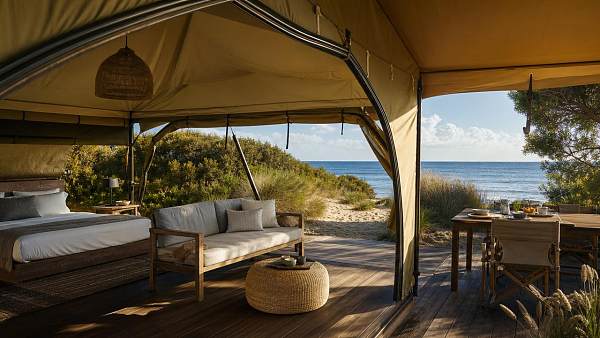
Not all premium outdoor accommodations ask for the same furniture strategy. A safari tent, for example, usually needs lightweight yet stable glamping furniture that supports ventilation, natural textures, and fast seasonal maintenance. A geodesic dome may require compact profiles, curved-space planning, and furniture that avoids visual clutter. A luxury cabin, by contrast, can support heavier case goods and layered indoor-outdoor pieces, but still needs durability against moisture, mud, and high guest traffic.
Mistakes happen when one aesthetic formula is applied across all accommodation types. Oversized lounge chairs that work in a timber cabin may overwhelm a tent suite. Delicate side tables that look refined in a showroom may wobble on uneven decking. Premium positioning depends on matching glamping furniture to the built environment, not forcing a single visual concept into every unit.
Core judgment points before specifying furniture
- Exposure to humidity, sun, wind, dust, and temperature swing
- Floor loading, transport access, and installation limitations
- Guest stay length and expected in-room behavior
- Cleaning frequency and spare parts availability
- Brand promise: rustic luxury, modern wellness, or adventure-led premium
The most common glamping furniture mistakes in guest sleeping and lounging areas
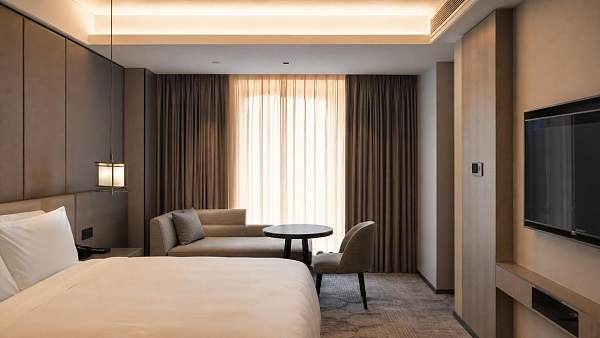
The first major mistake is prioritizing appearance over physical comfort. Premium guests notice seat depth, mattress support, armrest height, bedside access, and usable surfaces more than decorative styling. If a chair photographs well but feels rigid after ten minutes, the space immediately loses credibility. In high-end glamping, uncomfortable glamping furniture creates the impression of staged luxury rather than real hospitality.
The second mistake is choosing residential furniture that cannot survive commercial use. Residential-grade timber joints, low-density foam, untreated metal, and fragile woven accents often fail early in outdoor hospitality. Scratches, fading, mildew, and unstable frames make premium accommodation feel neglected. High-performing glamping furniture should be selected for repeated turnover, luggage impact, wet clothing, and frequent sanitation.
A third mistake is poor proportion planning. Too many pieces make the room feel cramped, while too few make it feel underdeveloped and cheap. Premium glamping interiors need a deliberate hierarchy: bed, seating, luggage support, bedside function, ambient lighting support, and circulation clearance. The goal is not to fill space but to protect comfort and visual calm.
Warning signs that furniture is lowering perceived value
- Guests place luggage on beds because no proper rack or bench exists
- Seating is decorative but not suitable for reading, dining, or relaxing
- Surfaces stain easily or show rings, chips, and fabric pilling
- Furniture legs sink into soft decking gaps or uneven ground
- Materials feel too cold, too plastic, or visually disconnected from the setting
Outdoor dining, deck, and firepit zones expose cheap glamping furniture fastest
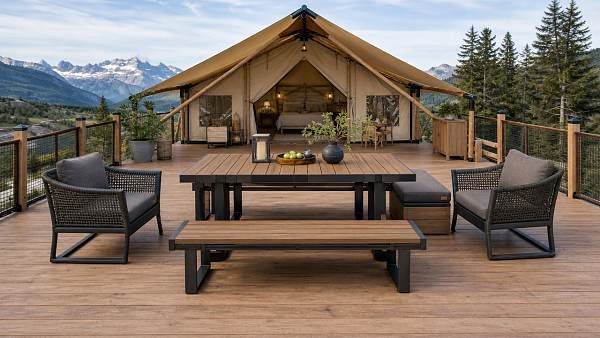
In many glamping projects, the outdoor zone is where premium pricing is emotionally justified. Guests remember sunrise coffee on the deck, sunset dining, and evening firepit gatherings. This also means failures in outdoor glamping furniture are highly visible. Chairs that wobble, finishes that peel, cushions that stay damp, or tabletops that stain after one season instantly reduce trust in the site’s quality standards.
Another mistake is selecting heavy, hard-to-move pieces without considering service operations. Outdoor layouts often need reconfiguration for weather, maintenance, or group usage. If the furniture is too bulky to reposition safely, teams may drag pieces across surfaces, causing damage to both furniture and decking. Premium outdoor glamping furniture should combine structural stability with manageable handling and replaceable components.
What premium outdoor furniture should achieve
It should dry quickly, resist corrosion, tolerate UV exposure, stay comfortable without excessive loose upholstery, and maintain a refined appearance across multiple seasons. It should also support the ritual of outdoor living: dining, lounging, reading, and social gathering. The best glamping furniture for these spaces does not call attention to itself through novelty; it supports effortless use and consistent visual quality.
Shared amenities need glamping furniture that works for traffic, not just styling
Reception lounges, dining pavilions, wellness areas, and viewing decks often suffer from a different error: furniture is chosen as if these were private residential rooms. Shared spaces require stronger frames, more forgiving surfaces, easier cleaning access, and clearer zoning. Premium glamping furniture in communal areas must withstand mixed-use patterns, from breakfast service and wet outerwear to children, gear, and event-driven traffic peaks.
A common misjudgment is using too many mixed finishes and styles across public zones. Variety can feel curated, but inconsistency often reads as pieced together. If the dining furniture looks urban-industrial, the lounge appears bohemian, and the outdoor deck feels budget resort, the brand loses cohesion. Premium sites need a common material language so every furniture choice reinforces one story.
How glamping furniture requirements change by application scene
Practical ways to specify glamping furniture without undermining luxury positioning
- Start with guest behaviors, not mood boards. Define how each piece will be used during check-in, sleeping, dining, storage, and weather transitions.
- Request commercial-grade construction details. Ask about frame material, corrosion resistance, foam density, fabric performance, and replacement part availability.
- Test for maintenance reality. If a finish shows marks easily or fabric traps dust and moisture, the furniture will age badly in glamping conditions.
- Keep a consistent material palette. Coordinated wood tones, metals, weaves, and textiles make glamping furniture feel curated rather than improvised.
- Plan for lifecycle cost. A slightly higher upfront investment often reduces replacement, labor, and reputation costs over several operating seasons.
The overlooked judgments that make premium glamping furniture actually feel premium
One overlooked issue is acoustic feel. Furniture with hollow, lightweight construction can sound cheap when moved or used. Another is tactile temperature. Metal armrests that become too hot in the sun or too cold at night reduce comfort, even if they look elegant. Storage is also frequently underestimated. Without benches, hooks, shelves, and luggage support integrated into the wider glamping furniture plan, premium spaces quickly become cluttered.
There is also the mistake of chasing trend-driven design at the expense of place identity. Premium glamping should reflect landscape, climate, and brand story. Furniture that could belong anywhere often makes the destination feel generic. The strongest glamping furniture strategy is rooted in context while meeting international expectations for comfort, hygiene, and durability.
A better next step for evaluating glamping furniture choices
A reliable review process starts by dividing the site into real operating scenes: sleeping units, private decks, food service zones, shared lounges, and wellness or viewing areas. For each scene, define guest expectations, environmental exposure, maintenance burden, and visual role in the premium journey. Then compare every glamping furniture item against those conditions rather than selecting by style alone.
When furniture decisions are approached through application fit, commercial resilience, and brand coherence, premium stays feel intentional instead of temporary. That is the difference between a site that merely looks upscale online and one that consistently delivers luxury in daily operation. In the end, the right glamping furniture does more than furnish a space; it protects revenue, strengthens positioning, and turns short-term impressions into long-term value.
Search News
Hot Articles
- Stationery & UniformsHow Schools Can Cut Printing Costs When Buying Ink Cartridges in BulkSep 21, 2026
- Jewelry Packaging & DisplayHow to Evaluate a Luxury Retail Packaging Supplier for Premium Brand ConsistencySep 20, 2026
- Commercial KitchenHow to Select a Spiral Dough Mixer for Bakery Batch Size and Dough HydrationSep 19, 2026
Popular Tags
Need ExpertConsultation?
Connect with our specialized leisureengineering team for procurementstrategies.
Recommended News
 Sep 03, 2026What Lead Times Should Buyers Expect for Custom Luxury Fixtures?What delivery lead times should I expect for custom luxury fixtures? Discover realistic 12–24 week timelines, approval milestones, freight factors, and ways to avoid costly delays.● Hospitality Sourcing Dir
 Sep 05, 2026Hotel Hair Dryers Compared: Wattage, Safety Features, and Guest-Room DurabilityHair dryer for hotels: compare wattage, thermal safety, noise, mounting, and durability to select reliable guest-room dryers that elevate comfort and reduce maintenance costs.● Hospitality Sourcing Dir
 Aug 04, 2026What to Check Before Buying Space Saving Ironing Boards Wholesale for HotelsSpace saving ironing boards wholesale for hotels: learn what to check before buying, from room fit and mounting to durability, compliance, and total installed cost.● Hospitality Sourcing Dir
 Jul 12, 2026Saudi e-SABER Label Rule Hits Hotel Amenities ExportsSaudi e-SABER label rule will reshape hotel amenities exports from August 1, 2026. Learn how SASO compliance, port clearance risks, and supplier readiness may impact shipments.● Hospitality Sourcing Dir
 Jul 11, 2026SASO Requires e-SABER Labels for Hotel AmenitiesSASO requires e-SABER labels for hotel amenities from August 1, 2026. Learn how QR code, SABER, and GCC compliance rules may impact Saudi shipments and port clearance.● Hospitality Sourcing Dir
 Jul 10, 2026Saudi SABER Update Adds GCC and Arabic Manual RuleSaudi SABER Update Adds GCC and Arabic Manual Rule: learn how the new SABER requirements affect hotel amenities certification, timelines, costs, and Saudi market access planning.● Hospitality Sourcing Dir
 Jul 03, 2026Wet and Dry Vacuum Cleaners Quiet Enough for Hotels: What Noise Level and Features Matter?Wet and dry vacuum cleaners quiet enough for hotels: compare ideal dB ranges, filtration, maneuverability, and lifecycle cost to choose cleaner, quieter machines with confidence.● Hospitality Sourcing Dir
 Jul 01, 2026How to Choose Hotel Hospitality Supplies for Different Property TypesHotel hospitality supplies buying guide for resorts, boutique, business, and economy hotels. Learn how to match supplies to property type, durability, brand image, and lifecycle value.● Hospitality Sourcing Dir
 Jun 27, 2026Memory Foam Hotel Mattresses vs Hybrid Beds: Which Option Fits Your Property?Memory foam hotel mattresses or hybrid beds? Compare comfort, durability, cooling, and lifecycle cost to find the best fit for your property and guest experience.● Hospitality Sourcing Dir
 Jun 26, 2026Hotel Desks: Types, Materials, and Layout Tips for Modern Guest RoomsHotel desks guide covering desk types, durable materials, and smart layout tips for modern guest rooms. Discover practical ideas to improve comfort, style, and space efficiency.● Hospitality Sourcing Dir
 Jun 23, 2026How to Choose Hotel Wardrobes: Materials, Storage Layout, and Durability StandardsHotel wardrobes guide: learn how to compare materials, storage layout, and durability standards to choose wardrobes that improve guest experience and reduce long-term maintenance costs.● Hospitality Sourcing Dir
 Jun 20, 2026Artificial Plants for Hotels: How to Compare Fire Ratings, Materials, and Maintenance NeedsArtificial plants for hotels: compare fire ratings, materials, and maintenance needs to choose safer, longer-lasting greenery that protects design quality and lifecycle cost.● Hospitality Sourcing Dir
 Jun 17, 2026How to Choose Hotel Hair Dryers Wall Mounted for Safety, Power, and Room TypeHotel hair dryers wall mounted buying guide: learn how to compare safety features, power levels, noise, and room-fit options to choose reliable models for every hotel segment.● Hospitality Sourcing Dir
 Jun 04, 2026Wholesale Hotel Safes Buying Guide: Lock Types, Size Options, and Installation PointsWholesale hotel safes buying guide covering lock types, size options, and installation points. Compare models, reduce procurement risk, and choose the right safe for your hotel project.● Hospitality Sourcing Dir
 May 30, 2026Is glamping furniture worth the higher project cost?Glamping furniture can justify higher project costs when it boosts bookings, durability, guest reviews, and long-term ROI. Learn where premium upgrades truly pay off.● Hospitality Sourcing Dir
 May 29, 2026Do blackout curtains for hotels Cut Energy Costs?Blackout curtains for hotels can lower HVAC costs, improve guest comfort, and boost room performance. Learn when they save energy and how to specify the right system.● Hospitality Sourcing Dir
 May 09, 2026Glamping furniture mistakes that make premium stays feel cheapGlamping furniture mistakes can make premium stays feel cheap. Learn how to choose durable, comfortable, brand-aligned pieces that elevate guest experience and protect long-term value.● Hospitality Sourcing Dir
 May 04, 2026Commercial Carpet Tiles for Hotels: What Wears Out First?Commercial carpet tiles hotel buyers: discover what wears out first in entrances, corridors, and transition zones, and learn how to specify longer-lasting, guest-ready flooring.● Hospitality Sourcing Dir
 May 04, 2026Custom Hotel Signage That Looks Premium and Stays ReadableCustom hotel signage that balances premium aesthetics with readability, durability, and compliance. Discover a practical checklist to improve guest experience and streamline hotel projects.● Hospitality Sourcing Dir
 May 04, 2026Luxury Vinyl Tile Commercial Flooring in High-Traffic AreasLuxury vinyl tile commercial flooring for high-traffic spaces: discover how to compare durability, maintenance, installation risks, and lifecycle value before you specify.● Hospitality Sourcing Dir
 May 03, 2026AC Milan’s Smart Locker Room Procurement Triggers UNI 11743 Compliance ReviewAC Milan’s smart locker room procurement triggers UNI 11743:2025 compliance review — critical for sports infrastructure suppliers, EU exporters & integrators.● Hospitality Sourcing Dir
 May 03, 2026Hotel room minibar fridges: silent operation is not enoughHotel room minibar fridges now require more than silent operation. Explore how energy efficiency, design fit, compliance, and lifecycle value shape smarter hotel sourcing.● Hospitality Sourcing Dir
 May 03, 2026HVAC systems for hotels: poor zoning raises energy bills quietlyHVAC systems for hotels can silently inflate energy bills when zoning is weak. Learn how smarter controls cut costs, improve guest comfort, and protect long-term hotel asset value.● Hospitality Sourcing Dir
 May 03, 2026Wooden coat hangers hotel projects should not overlook finish qualityWooden coat hangers hotel buyers should not ignore finish quality. Learn how smoothness, coating safety, and color consistency reduce complaints, protect brand image, and lower replacement costs.● Hospitality Sourcing Dir