Hotel & Catering Equipment upgrades with the fastest payoff
For procurement teams, upgrading Hotel & Catering Equipment is one of the fastest ways to reduce operating costs, improve service consistency, and strengthen guest satisfaction. From energy-efficient kitchen systems to durable front- and back-of-house essentials, the right investments can deliver measurable returns in months, not years—especially when sourcing decisions balance compliance, performance, and supplier reliability. In today’s commercial environment, where labor costs, utility prices, hygiene expectations, and brand standards are all moving upward at the same time, Hotel & Catering Equipment has shifted from a maintenance expense to a strategic performance lever.
Why Hotel & Catering Equipment upgrades are moving to the top of investment plans
Across hospitality, foodservice, education, entertainment venues, and mixed-use commercial projects, operators are under pressure to do more with tighter margins. This has changed the way buyers evaluate Hotel & Catering Equipment. The old model favored delayed replacement, patch repairs, and lowest-price sourcing. The current model prioritizes total cost of ownership, speed of return, energy performance, uptime, and safety compliance.
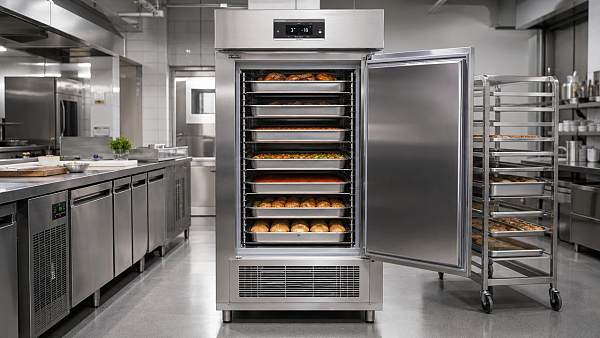
The strongest trend signal is simple: equipment categories with measurable utility savings, fewer service interruptions, and easier cleaning are being approved faster than decorative or non-operational upgrades. Combi ovens, induction cooktops, efficient refrigeration, dishwashing systems, insulated holding units, and high-durability preparation stations are receiving attention because they influence food quality, labor flow, and operating consistency in direct, visible ways.
This matters beyond hotels alone. In the broader commercial landscape, the same sourcing logic now applies to staff canteens, school dining programs, event venues, leisure parks, and premium retail hospitality spaces. As a result, Hotel & Catering Equipment is increasingly evaluated as business infrastructure that supports revenue, compliance, and brand trust at once.
The clearest trend signals: fast-payback categories are winning budget approval
Not every upgrade produces the same result. The categories gaining the fastest traction are those that reduce recurring cost or operational friction immediately. In practical terms, the best-performing Hotel & Catering Equipment investments are the ones that cut waste every day rather than promise only long-term value.
The key insight is that buyers are no longer asking only, “What does this unit cost?” They are asking, “How quickly will this Hotel & Catering Equipment reduce waste, improve throughput, or prevent downtime?” That shift is redefining sourcing priorities across the sector.
What is driving the shift toward higher-performance Hotel & Catering Equipment
Several forces are converging at once, and together they explain why upgrade cycles are accelerating.
- Energy volatility: Utility costs make inefficient kitchen and storage systems much more expensive over their full life cycle.
- Labor constraints: Smart, easier-to-use Hotel & Catering Equipment reduces training time and helps teams maintain output with fewer errors.
- Food safety expectations: Better holding, washing, and refrigeration systems support tighter hygiene and traceability standards.
- Guest experience pressure: Faster service, more reliable menu execution, and cleaner visible workspaces influence satisfaction scores and repeat business.
- Sustainability targets: Commercial projects increasingly require lower water use, lower emissions, and longer-lasting materials.
- Supply chain discipline: Buyers now place greater value on spares availability, after-sales support, warranty clarity, and factory consistency.
This combination favors suppliers and sourcing platforms that can validate certifications, explain OEM or ODM capabilities, and demonstrate reliability beyond a product brochure. That is where intelligence-led sourcing becomes important. A high-spec unit is not automatically a high-value one unless it fits the operating environment, compliance framework, and maintenance reality of the site.
How these upgrades affect operations, finance, and brand performance
The impact of Hotel & Catering Equipment upgrades reaches well beyond the kitchen. Operationally, efficient equipment shortens prep and service times, stabilizes output during peak periods, and lowers the risk of service disruption. In finance terms, utility savings, reduced food loss, and fewer emergency repairs can create a faster payback profile than many capital projects in guestrooms, décor, or public areas.
There is also a brand effect. Guests may not know the technical specification of a blast chiller or pass-through dishwasher, but they notice hot food arriving at the right temperature, breakfast service moving smoothly, banquet delivery staying consistent, and visible cleanliness meeting premium expectations. Stronger back-of-house performance often creates front-of-house satisfaction.
Where the business impact is most visible
- Lower total operating cost through reduced energy, water, and waste
- Higher service consistency across shifts, sites, or franchise locations
- Better resilience during peak occupancy, events, and seasonal demand spikes
- Improved audit readiness for food safety, sanitation, and international compliance
- Stronger equipment lifespan when build quality and maintenance support are aligned
The smartest areas to watch before choosing Hotel & Catering Equipment
Fast payoff depends on selecting the right categories and the right suppliers. A lower upfront price can easily turn into a slower return if spare parts are difficult to source, cleaning is inefficient, or the unit fails under commercial load. The following factors deserve close attention when comparing Hotel & Catering Equipment options:
- Energy and water efficiency data: Ask for measurable consumption benchmarks under realistic operating conditions.
- Compliance documentation: Confirm applicable electrical, food-contact, sanitation, and market-entry standards.
- Material durability: Evaluate stainless steel grade, insulation quality, sealing performance, and corrosion resistance.
- Serviceability: Check access to parts, maintenance intervals, local support options, and downtime exposure.
- Workflow fit: Ensure dimensions, ventilation needs, operator movement, and cleaning routines match the actual site.
- Scalability: Consider whether the same supplier can support future rollouts, custom fabrication, or brand-standard replication.
In many cases, the best-performing sourcing strategy combines immediate replacement of the weakest assets with a phased roadmap for broader modernization. This protects cash flow while still improving critical service points quickly.
How to judge the next 12 months: practical signals and response options
The next phase of the market is likely to reward decisions that combine verified supplier intelligence with targeted operational data. Rather than replace everything at once, it is often wiser to map equipment by energy intensity, service criticality, and downtime risk. That approach creates a clear upgrade order and helps identify which Hotel & Catering Equipment categories will deliver the fastest financial and operational return.
Turning sourcing intelligence into a faster payoff
A well-timed Hotel & Catering Equipment upgrade can produce results quickly, but only when sourcing is disciplined. Reliable market intelligence, validated manufacturing capability, and careful comparison of lifecycle value are now more important than simple catalog selection. Global Commercial Trade supports this shift by connecting commercial buyers with data-backed insights, supplier evaluation context, and sourcing visibility across hospitality and adjacent sectors where performance, safety, and design standards all matter.
The most effective next step is to review current equipment in three groups: high-energy assets, high-downtime assets, and high-visibility service assets. From there, build a shortlist of upgrades that can cut waste, improve consistency, and strengthen compliance within the shortest practical payback window. In a market shaped by rising expectations and tighter operating discipline, smarter Hotel & Catering Equipment choices are no longer optional—they are one of the clearest routes to stronger commercial performance.
Search News
Hot Articles
- Stationery & UniformsHow Schools Can Cut Printing Costs When Buying Ink Cartridges in BulkSep 21, 2026
- Jewelry Packaging & DisplayHow to Evaluate a Luxury Retail Packaging Supplier for Premium Brand ConsistencySep 20, 2026
- Commercial KitchenHow to Select a Spiral Dough Mixer for Bakery Batch Size and Dough HydrationSep 19, 2026
Popular Tags
Need ExpertConsultation?
Connect with our specialized leisureengineering team for procurementstrategies.
Recommended News
 Sep 19, 2026How to Select a Spiral Dough Mixer for Bakery Batch Size and Dough HydrationSpiral dough mixer bakery guide: match batch size, flour load, and hydration to select reliable torque, temperature control, and consistent dough results.● Hospitality Sourcing Dir
 Sep 14, 2026How Restaurants Can Choose Disposable Wooden Cutlery for Takeout and CateringDisposable wooden cutlery fork spoon knife guide for restaurants: compare strength, finish, packaging, food-contact needs, and catering performance.● Hospitality Sourcing Dir
 Sep 12, 2026How to Size a Restaurant Walk-In Cooler for Peak Inventory and Kitchen LayoutRestaurant walk in coolers sized for peak inventory and kitchen workflow help improve food safety, staff efficiency, storage access, and long-term operational performance.● Hospitality Sourcing Dir
 Sep 10, 2026How to Choose a CE Hot Dog Roller for Safe, High-Volume Food Service?Choose a CE hot dog roller with confidence: compare compliance documents, heating consistency, cleaning design, capacity, and total cost for safe, high-volume food service.● Hospitality Sourcing Dir
 Sep 04, 2026How to Evaluate a Commercial Food Warmer Manufacturer for Bulk Catering ProjectsCommercial food warmer manufacturer evaluation guide for bulk catering projects: compare thermal performance, compliance, customization, costs, and after-sales support.● Hospitality Sourcing Dir
 Aug 30, 2026How Can Buyers Verify Supplier Qualifications Before a Bulk Order?How to confirm supplier qualifications before placing a bulk order: verify legal identity, factory capability, certificates, samples, quality controls, and payment safeguards.● Hospitality Sourcing Dir
 Aug 28, 2026Commercial Kitchen Design Standards: A Planning Checklist for Code-Compliant LayoutsCommercial kitchen design standards: use this practical checklist to plan safer, code-compliant layouts, streamline approvals, and avoid costly rework.● Hospitality Sourcing Dir
 Aug 06, 2026How to Choose Flake Ice Makers for Seafood Displays, Bars, and Food Prep?Flake ice makers buying guide: compare output, hygiene, storage, energy use, and reliability to choose the best solution for seafood displays, bars, and food prep.● Hospitality Sourcing Dir
 Aug 03, 2026Commercial Kitchen Design Price: What Drives Cost in a New Build Project?Commercial kitchen design price explained: discover what drives cost in a new build, from layout and equipment to ventilation, compliance, and hidden budget risks.● Hospitality Sourcing Dir
 Jul 30, 2026How to Choose a Countertop Commercial Pizza Oven for Capacity, Speed, and Space?Countertop commercial pizza oven buying guide: learn how to match capacity, bake speed, and kitchen space for consistent output, lower costs, and smarter purchasing decisions.● Hospitality Sourcing Dir
 Jul 22, 2026How to Evaluate a Cotton Candy Machine Supplier for Quality, Lead Time, and MOQCotton candy machine supplier selection starts with quality, lead time, and MOQ. Learn how to compare suppliers, reduce sourcing risk, and choose a partner that supports reliable growth.● Hospitality Sourcing Dir
 Jul 21, 2026How to Choose a Charcoal Commercial Grill for Capacity, Heat Control, and Menu FitCharcoal commercial grill buying guide: learn how to match capacity, heat control, and menu fit to boost consistency, service speed, and ROI in commercial kitchens.● Hospitality Sourcing Dir
 Jul 10, 2026FDA Import Alert Adds NSF/ANSI 50-2026 for Commercial Kitchen EquipmentFDA Import Alert now highlights NSF/ANSI 50-2026 for commercial kitchen equipment. Learn how dishwashers, ice machines, and steam cabinets can avoid U.S. port detention.● Hospitality Sourcing Dir
 Jul 05, 2026How to Select Energy Efficient Display Cabinets for Food Retail and HospitalityEnergy efficient display cabinets can cut operating costs while improving food safety, visibility, and service efficiency. Learn how to choose the right model for retail and hospitality.● Hospitality Sourcing Dir
 Jul 04, 2026CPSC Flags New UL 2595 Label Rule for Commercial Ice MakersCPSC flags a new UL 2595 label rule for commercial ice makers entering the U.S. after Aug. 1, 2026. Learn who is affected, key compliance steps, and how to avoid port delays and recall risk.● Hospitality Sourcing Dir
 Jun 29, 2026How to Choose Thermal Receipt Printers for Retail and Restaurant CountersThermal receipt printers for retail and restaurant counters: learn how to compare speed, durability, connectivity, and total operating cost to choose a model that supports smoother service.● Hospitality Sourcing Dir
 Jun 28, 2026Stainless Steel Kitchen Ventilation Systems: Key Specifications for Commercial ProjectsStainless steel kitchen ventilation systems: compare material grades, airflow capture, hygiene, fire safety, and installation specs for commercial projects before you buy.● Hospitality Sourcing Dir
 Jun 27, 2026Commercial Shawarma Machines: What to Check Before Buying for High-Volume ServiceShawarma machines commercial buying guide: learn how to compare capacity, heat control, durability, compliance, and lifecycle cost before choosing equipment for high-volume service.● Hospitality Sourcing Dir
 Jun 26, 2026Restaurant POS Systems: How to Compare Features, Costs, and ScalabilityRestaurant POS systems: compare features, costs, and scalability to find the best fit for your restaurant and boost long-term efficiency.● Hospitality Sourcing Dir
 Jun 25, 2026Kitchen Ventilation Systems Design: How to Size Hoods, Airflow, and Make-Up AirKitchen ventilation systems design explained clearly: learn how to size hoods, set exhaust airflow, and balance make-up air for safer, more efficient commercial kitchens.● Hospitality Sourcing Dir
 Jun 14, 2026Hot Dog Rollers for Convenience Stores and Cafes: Capacity, Heating Zones, and Cleaning TipsHot dog rollers buying guide for convenience stores and cafes: compare real capacity, heating zones, energy use, and cleaning tips to choose a smarter, lower-waste setup.● Hospitality Sourcing Dir
 Jun 13, 2026Commercial Milkshake Mixers vs Blenders: Which Is Better for High-Volume Service?Commercial milkshake mixers or blenders—which suits high-volume service better? Compare texture, speed, consistency, and cost to choose the right machine.● Hospitality Sourcing Dir
 Jun 12, 2026Blast Chillers Commercial Buying Guide: Capacity, Cooling Rate, and Kitchen Workflow FitBlast chillers commercial buying guide covering capacity, cooling rate, and workflow fit. Learn how to choose safer, faster, audit-ready equipment for real kitchen performance.● Hospitality Sourcing Dir
 Jun 10, 2026How to Choose Sushi Display Cases for Temperature Control, Visibility, and Counter SpaceSushi display cases buying guide: learn how to compare temperature control, product visibility, and counter space to choose safer, smarter, and more profitable commercial solutions.● Hospitality Sourcing Dir