Hotel & Catering Equipment That Raises Operating Costs Fast
Choosing the wrong Hotel & Catering Equipment can quietly drive up project budgets, delay delivery schedules, and increase long-term operating costs. For project managers and engineering leads, every specification decision affects energy use, maintenance demands, compliance, and service efficiency. This guide highlights the equipment choices that inflate costs fastest and shows how to source smarter for durable, high-performance commercial operations.
Why cost risk changes by project scenario
Not every hospitality project fails on price because of an expensive purchase order. More often, operating costs rise because Hotel & Catering Equipment is selected without matching the actual service environment. A banquet kitchen, resort breakfast station, hospital catering line, airport lounge pantry, and boutique hotel bar all operate under different load patterns, staffing models, hygiene requirements, and service peaks. Equipment that performs well in one setting can become a financial drain in another.
For project leaders, the key issue is not simply “good” or “bad” equipment. It is fit. When capacity is oversized, energy bills climb. When units are undersized, service breaks down and labor costs increase. When materials are poorly chosen, corrosion, downtime, and replacement cycles accelerate. This is why Hotel & Catering Equipment should be evaluated through the lens of application scenarios, lifecycle cost, installation constraints, and operational resilience rather than upfront price alone.
Typical business scenarios where Hotel & Catering Equipment drives costs fastest
The fastest cost escalation usually appears in projects with variable demand, strict compliance needs, or complex workflows. Below is a practical comparison for project managers assessing where sourcing mistakes create the biggest long-term burden.
Scenario 1: Full-service hotels with central kitchens
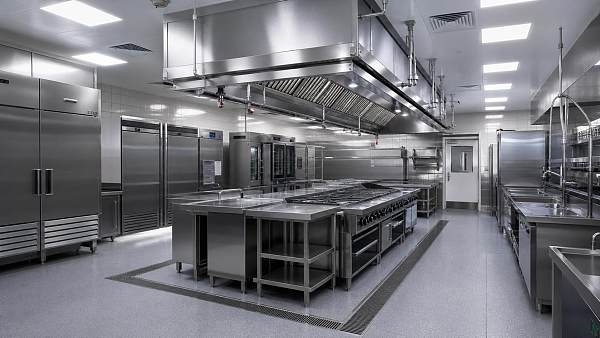
In large hotels, Hotel & Catering Equipment often supports breakfast, room service, all-day dining, banquet production, and staff meals from one central production area. This creates a hidden cost trap: buyers tend to specify for maximum possible demand instead of real operating load. The result is oversized combi ovens, refrigeration banks, extraction systems, and warewashing lines that run inefficiently during normal service periods.
The most expensive mistakes in this scenario are usually linked to utilities. Heavy-duty gas or electric cooking equipment increases ventilation requirements. Poor kitchen zoning raises heat loads, which then increases HVAC spending across adjacent spaces. If the dishwashing area is not matched to the peak turnover window, labor backs up quickly and the project compensates through extra staffing rather than better process flow.
For this environment, project managers should prioritize load profiling, heat management, service access, and utility coordination. Smart sourcing means specifying Hotel & Catering Equipment that can modulate output, integrate with energy monitoring, and maintain performance under partial load, not only at full capacity.
Best-fit specification focus
Ask for real consumption data at different usage levels, not only headline power ratings. Confirm whether refrigeration uses variable-speed systems, whether cooking lines support modular activation, and whether cleaning routines can be completed quickly between service waves. These details often save more than negotiating a lower unit price.
Scenario 2: Banquet, conference, and event-heavy properties
Hotels with strong banquet business face a different pressure point. Here, Hotel & Catering Equipment must handle sudden peaks, large-volume regeneration, and movement between prep areas, finishing stations, and event halls. A kitchen may appear efficient during normal restaurant service but fail during a 600-guest wedding or a corporate conference with tight plating windows.
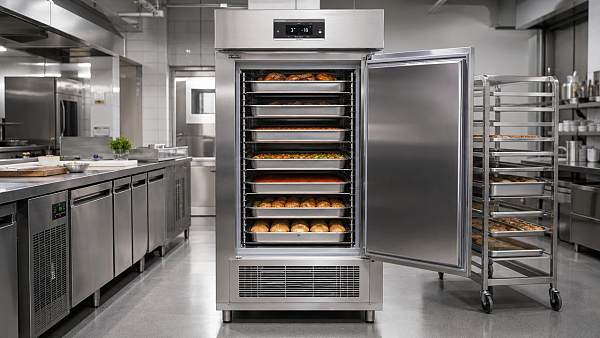
In this scenario, cost inflation often comes from underestimating holding, transport, and staging equipment. Heated trolleys, mobile refrigeration, blast chilling, banquet carts, and pass-through warewashing can look secondary on paper, yet they control labor efficiency and food quality in practice. If these elements are weak, teams compensate with overtime, rework, duplicate handling, and food loss.
Engineering leads should also assess route widths, elevator compatibility, floor loading, and service corridor design before approving equipment dimensions. A technically strong item that cannot move smoothly across the property becomes a daily operational tax.
Scenario 3: Limited-service hotels and high-turnover food programs
In limited-service properties, the mistake is usually the opposite of overspecification. Operators choose low-cost Hotel & Catering Equipment assuming the menu is simple and staffing is light. However, breakfast stations, coffee counters, self-service buffets, and compact back-of-house areas often experience intense repetitive use. Cheap dispensing systems, poorly insulated holding equipment, and low-grade beverage machines create constant service interruptions.
Because these operations run lean, even small failures have a large impact. One faulty undercounter refrigerator can disrupt prep sequencing. A low-end warewasher can slow turnover enough to require extra labor on every shift. When maintenance teams are limited, equipment with difficult cleaning access or uncommon parts quickly raises total cost of ownership.
The right approach here is to buy for frequency, not prestige. Hotel & Catering Equipment in this segment should emphasize easy cleaning, durable controls, simple training, and fast local service support.
Scenario 4: Luxury restaurants, open kitchens, and premium guest-facing spaces
Guest-visible environments add a new layer of cost risk because appearance, acoustics, and thermal comfort matter as much as output. In luxury dining spaces, visually striking Hotel & Catering Equipment may satisfy the design brief while creating ongoing issues with cleaning complexity, fingerprinting, noise, ventilation imbalance, or specialist maintenance requirements.
This is especially important when chefs request niche imported equipment or custom fabrication. Bespoke solutions can improve brand image, but they also increase the risk of spare-part dependency, certification delays, and difficult replacements. If one signature appliance fails during peak season and only a foreign technician can service it, the operating cost impact may be far greater than the original procurement value.
For premium spaces, teams should evaluate finish durability, cleanability, service access, acoustic performance, and replacement lead times at design stage. Aesthetic excellence should never cancel maintainability.
Scenario 5: Remote sites, resort developments, and phased openings
Remote resorts and phased hotel openings create one of the highest-risk sourcing environments for Hotel & Catering Equipment. Delivery windows are tight, site conditions may be unfinished, and after-sales support can be weak. In these cases, cost growth comes less from utility waste and more from logistics failure. Equipment arrives too early and is damaged in storage, too late and delays commissioning, or arrives without the accessories needed for local installation.
Project managers should be cautious with highly specialized systems that require dedicated technicians or hard-to-source consumables. Modular equipment with standardized components is usually a safer choice. Documentation quality also matters: wiring diagrams, maintenance manuals, parts lists, and commissioning procedures reduce dependence on the original supplier and support smoother handover to on-site engineering teams.
Cost-heavy equipment categories that deserve closer review
Across most hospitality scenarios, a few categories of Hotel & Catering Equipment are responsible for a disproportionate share of operating cost when specified poorly.
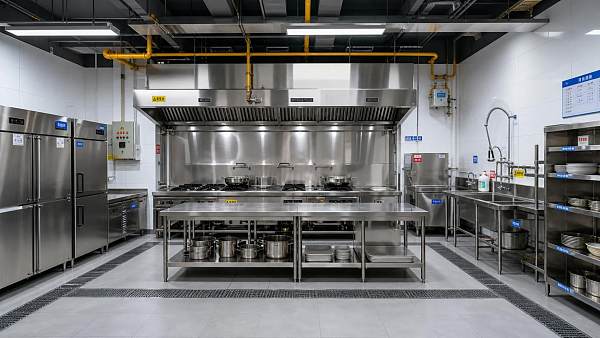
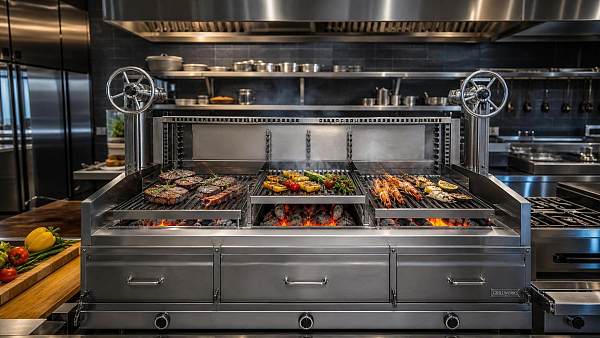
- Cooking lines and combi ovens: high utility demand, cleaning burden, and ventilation impact.
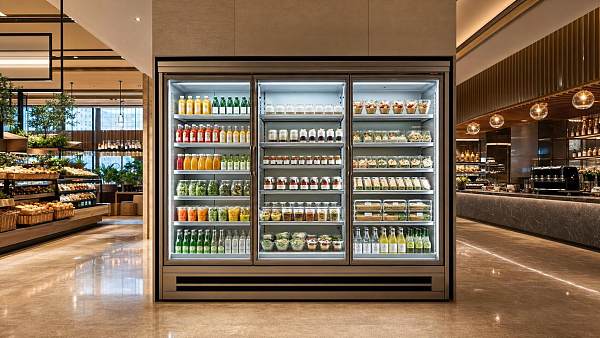
- Refrigeration: continuous energy use, sensitivity to ambient temperature, and product loss risk.
- Dishwashing systems: water use, chemical consumption, labor flow dependency, and drainage requirements.
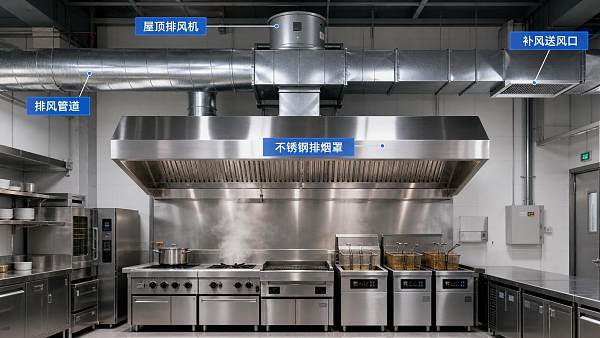
- Ventilation and extraction: hidden impact on HVAC balance, noise, and indoor comfort.
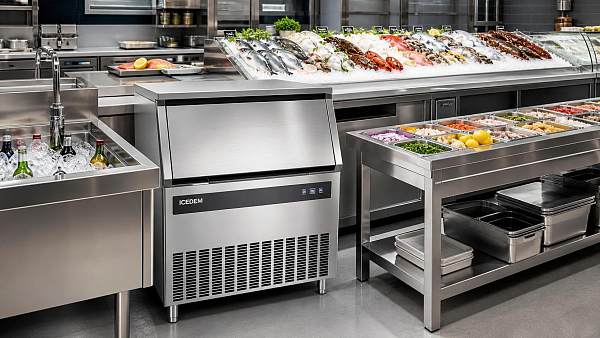
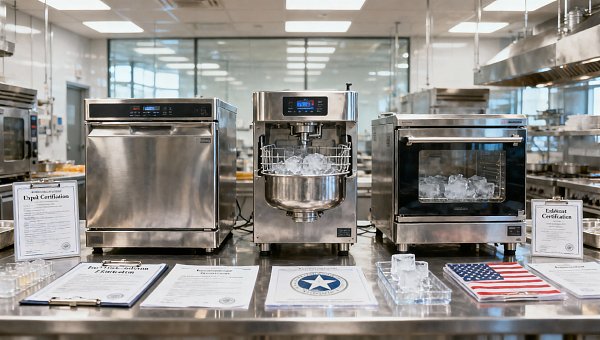
- Beverage systems and ice machines: sanitation demands, filtration needs, and frequent maintenance cycles.
These categories should always be reviewed against real site conditions, service volume, maintenance capability, and local compliance standards.
How different project types should judge suitability
Common misjudgments that quietly raise operating costs
Several sourcing mistakes appear repeatedly across Hotel & Catering Equipment projects. First, teams compare equipment by purchase price instead of total operating profile. Second, they accept nominal capacity claims without mapping them to actual service peaks and menu complexity. Third, they focus on food production equipment while ignoring support systems such as extraction, water treatment, waste handling, and circulation routes.
Another common issue is excluding maintenance teams from specification review. Engineering staff often identify access problems, cleaning limitations, and spare-part risks long before procurement notices them. Finally, some projects assume international certification alone guarantees local suitability. In reality, power conditions, water quality, ambient temperature, and operator skill levels strongly influence how Hotel & Catering Equipment performs after handover.
A practical sourcing framework for project managers and engineering leads
To reduce cost escalation, build equipment selection around five checks. Define the real operating scenario, including daily peaks and seasonal variation. Confirm utility and spatial compatibility before final approval. Request lifecycle evidence, including energy, water, cleaning time, and maintenance intervals. Validate local support capability, especially for critical Hotel & Catering Equipment. Then compare alternatives by total cost of operation over multiple years, not by invoice value alone.
This is where a data-backed sourcing partner adds value. For multi-market hotel developments, fragmented supplier information can obscure risk. Structured market intelligence, OEM and ODM capability review, and vetted commercial sourcing insight help project teams identify equipment that fits both the concept and the operational reality.
Final decision guidance for smarter commercial sourcing
The most expensive Hotel & Catering Equipment is rarely the unit with the highest list price. It is the unit that does not match the scenario in which it must work. For project managers and engineering leaders, the right decision comes from aligning equipment with service pattern, staffing model, site constraints, maintenance capacity, and brand expectations.
Before locking specifications, review each major equipment category against your actual application: central production, banquet surge, guest-facing premium service, compact high-turnover use, or remote-site operation. If the answer is still unclear, use expert sourcing intelligence to compare models, suppliers, and operational trade-offs. Better-fit Hotel & Catering Equipment reduces hidden costs, protects timelines, and supports more resilient hospitality operations over the full project lifecycle.
Search News
Hot Articles
- Stationery & UniformsHow Schools Can Cut Printing Costs When Buying Ink Cartridges in BulkSep 21, 2026
- Jewelry Packaging & DisplayHow to Evaluate a Luxury Retail Packaging Supplier for Premium Brand ConsistencySep 20, 2026
- Commercial KitchenHow to Select a Spiral Dough Mixer for Bakery Batch Size and Dough HydrationSep 19, 2026
Popular Tags
Need ExpertConsultation?
Connect with our specialized leisureengineering team for procurementstrategies.
Recommended News
 Sep 19, 2026How to Select a Spiral Dough Mixer for Bakery Batch Size and Dough HydrationSpiral dough mixer bakery guide: match batch size, flour load, and hydration to select reliable torque, temperature control, and consistent dough results.● Hospitality Sourcing Dir
 Sep 14, 2026How Restaurants Can Choose Disposable Wooden Cutlery for Takeout and CateringDisposable wooden cutlery fork spoon knife guide for restaurants: compare strength, finish, packaging, food-contact needs, and catering performance.● Hospitality Sourcing Dir
 Sep 12, 2026How to Size a Restaurant Walk-In Cooler for Peak Inventory and Kitchen LayoutRestaurant walk in coolers sized for peak inventory and kitchen workflow help improve food safety, staff efficiency, storage access, and long-term operational performance.● Hospitality Sourcing Dir
 Sep 10, 2026How to Choose a CE Hot Dog Roller for Safe, High-Volume Food Service?Choose a CE hot dog roller with confidence: compare compliance documents, heating consistency, cleaning design, capacity, and total cost for safe, high-volume food service.● Hospitality Sourcing Dir
 Sep 04, 2026How to Evaluate a Commercial Food Warmer Manufacturer for Bulk Catering ProjectsCommercial food warmer manufacturer evaluation guide for bulk catering projects: compare thermal performance, compliance, customization, costs, and after-sales support.● Hospitality Sourcing Dir
 Aug 30, 2026How Can Buyers Verify Supplier Qualifications Before a Bulk Order?How to confirm supplier qualifications before placing a bulk order: verify legal identity, factory capability, certificates, samples, quality controls, and payment safeguards.● Hospitality Sourcing Dir
 Aug 28, 2026Commercial Kitchen Design Standards: A Planning Checklist for Code-Compliant LayoutsCommercial kitchen design standards: use this practical checklist to plan safer, code-compliant layouts, streamline approvals, and avoid costly rework.● Hospitality Sourcing Dir
 Aug 06, 2026How to Choose Flake Ice Makers for Seafood Displays, Bars, and Food Prep?Flake ice makers buying guide: compare output, hygiene, storage, energy use, and reliability to choose the best solution for seafood displays, bars, and food prep.● Hospitality Sourcing Dir
 Aug 03, 2026Commercial Kitchen Design Price: What Drives Cost in a New Build Project?Commercial kitchen design price explained: discover what drives cost in a new build, from layout and equipment to ventilation, compliance, and hidden budget risks.● Hospitality Sourcing Dir
 Jul 30, 2026How to Choose a Countertop Commercial Pizza Oven for Capacity, Speed, and Space?Countertop commercial pizza oven buying guide: learn how to match capacity, bake speed, and kitchen space for consistent output, lower costs, and smarter purchasing decisions.● Hospitality Sourcing Dir
 Jul 22, 2026How to Evaluate a Cotton Candy Machine Supplier for Quality, Lead Time, and MOQCotton candy machine supplier selection starts with quality, lead time, and MOQ. Learn how to compare suppliers, reduce sourcing risk, and choose a partner that supports reliable growth.● Hospitality Sourcing Dir
 Jul 21, 2026How to Choose a Charcoal Commercial Grill for Capacity, Heat Control, and Menu FitCharcoal commercial grill buying guide: learn how to match capacity, heat control, and menu fit to boost consistency, service speed, and ROI in commercial kitchens.● Hospitality Sourcing Dir
 Jul 10, 2026FDA Import Alert Adds NSF/ANSI 50-2026 for Commercial Kitchen EquipmentFDA Import Alert now highlights NSF/ANSI 50-2026 for commercial kitchen equipment. Learn how dishwashers, ice machines, and steam cabinets can avoid U.S. port detention.● Hospitality Sourcing Dir
 Jul 05, 2026How to Select Energy Efficient Display Cabinets for Food Retail and HospitalityEnergy efficient display cabinets can cut operating costs while improving food safety, visibility, and service efficiency. Learn how to choose the right model for retail and hospitality.● Hospitality Sourcing Dir
 Jul 04, 2026CPSC Flags New UL 2595 Label Rule for Commercial Ice MakersCPSC flags a new UL 2595 label rule for commercial ice makers entering the U.S. after Aug. 1, 2026. Learn who is affected, key compliance steps, and how to avoid port delays and recall risk.● Hospitality Sourcing Dir
 Jun 29, 2026How to Choose Thermal Receipt Printers for Retail and Restaurant CountersThermal receipt printers for retail and restaurant counters: learn how to compare speed, durability, connectivity, and total operating cost to choose a model that supports smoother service.● Hospitality Sourcing Dir
 Jun 28, 2026Stainless Steel Kitchen Ventilation Systems: Key Specifications for Commercial ProjectsStainless steel kitchen ventilation systems: compare material grades, airflow capture, hygiene, fire safety, and installation specs for commercial projects before you buy.● Hospitality Sourcing Dir
 Jun 27, 2026Commercial Shawarma Machines: What to Check Before Buying for High-Volume ServiceShawarma machines commercial buying guide: learn how to compare capacity, heat control, durability, compliance, and lifecycle cost before choosing equipment for high-volume service.● Hospitality Sourcing Dir
 Jun 26, 2026Restaurant POS Systems: How to Compare Features, Costs, and ScalabilityRestaurant POS systems: compare features, costs, and scalability to find the best fit for your restaurant and boost long-term efficiency.● Hospitality Sourcing Dir
 Jun 25, 2026Kitchen Ventilation Systems Design: How to Size Hoods, Airflow, and Make-Up AirKitchen ventilation systems design explained clearly: learn how to size hoods, set exhaust airflow, and balance make-up air for safer, more efficient commercial kitchens.● Hospitality Sourcing Dir
 Jun 14, 2026Hot Dog Rollers for Convenience Stores and Cafes: Capacity, Heating Zones, and Cleaning TipsHot dog rollers buying guide for convenience stores and cafes: compare real capacity, heating zones, energy use, and cleaning tips to choose a smarter, lower-waste setup.● Hospitality Sourcing Dir
 Jun 13, 2026Commercial Milkshake Mixers vs Blenders: Which Is Better for High-Volume Service?Commercial milkshake mixers or blenders—which suits high-volume service better? Compare texture, speed, consistency, and cost to choose the right machine.● Hospitality Sourcing Dir
 Jun 12, 2026Blast Chillers Commercial Buying Guide: Capacity, Cooling Rate, and Kitchen Workflow FitBlast chillers commercial buying guide covering capacity, cooling rate, and workflow fit. Learn how to choose safer, faster, audit-ready equipment for real kitchen performance.● Hospitality Sourcing Dir
 Jun 10, 2026How to Choose Sushi Display Cases for Temperature Control, Visibility, and Counter SpaceSushi display cases buying guide: learn how to compare temperature control, product visibility, and counter space to choose safer, smarter, and more profitable commercial solutions.● Hospitality Sourcing Dir