Commercial barbecue grills: what separates heavy-duty models?
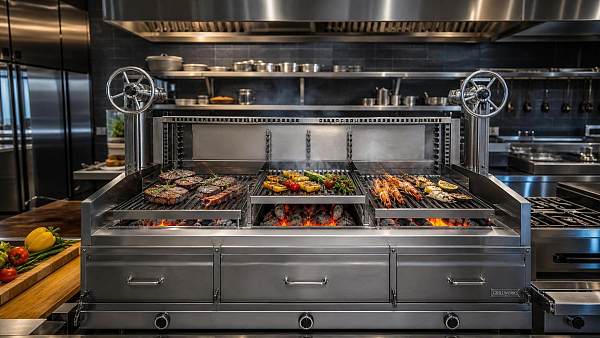
For technical evaluators, selecting commercial barbecue grills means looking far beyond cooking capacity or exterior design. Heavy-duty models stand apart through higher-grade materials, thermal consistency, structural durability, safety compliance, and easier maintenance under continuous use. In busy hospitality, institutional, and outdoor dining environments, the wrong unit can create uneven cooking, rising energy costs, avoidable downtime, and food safety concerns. This guide explains the practical engineering and performance criteria that separate standard units from true heavy-duty commercial barbecue grills.
Why a structured evaluation matters
A structured review is essential because many grills look similar at first glance. Stainless steel panels, large grates, and high BTU claims can make mid-range products appear equivalent to professional systems. In reality, heavy-duty commercial barbecue grills are designed for repeated heat cycles, long service hours, exposure to grease and weather, and stricter cleaning routines. Their value comes from how they perform after months and years of use, not just on installation day.
This is especially important across commercial settings where grilling is tied to guest experience, production timing, and operating efficiency. A methodical checklist reduces the risk of buying on appearance alone and helps compare products using measurable criteria such as metal thickness, burner construction, recovery speed, certifications, and serviceability.
Core factors that separate heavy-duty commercial barbecue grills
The following points provide a practical baseline for comparing heavy-duty commercial barbecue grills with lighter-duty alternatives. Each item focuses on performance under real operating pressure rather than showroom presentation.
- Check stainless steel grade and thickness, because 304 stainless on key contact areas resists corrosion, heat fatigue, and cleaning chemicals better than decorative or thinner outer skins.
- Verify burner design, including cast stainless or heavy-wall tubular burners, since premium burner assemblies maintain flame stability and survive longer in high-grease commercial cooking conditions.
- Assess heat distribution across the cooking surface, because heavy-duty commercial barbecue grills should minimize hot and cold zones and recover temperature quickly during batch loading.
- Review grate material and mass, as thicker cast iron, stainless rod, or cast stainless grates store heat better and produce more consistent searing during peak service.
- Inspect frame rigidity and welded construction, since stronger chassis design limits warping, door misalignment, vibration damage, and early structural fatigue under frequent movement or outdoor exposure.
- Confirm grease management layout, ensuring channels, trays, and collection points are easy to access, drain efficiently, and reduce flare-up risk during extended commercial operation.
- Measure insulation and hood engineering, because well-designed lids and fireboxes improve fuel efficiency, stabilize cooking temperatures, and protect surrounding components from excess thermal stress.
- Look for recognized safety and gas compliance certifications, which indicate the grill has been evaluated for commercial installation requirements, fuel system integrity, and safe operational control.
- Evaluate ignition systems and control valves, as robust commercial-grade components reduce startup failures and allow more precise heat adjustment across separate cooking zones.
- Check maintenance access for burners, grates, drip systems, and valves, because easier servicing lowers labor time and supports cleaner, safer, and more reliable long-term use.
- Compare total lifecycle support, including spare parts availability, documentation, and technical service response, since heavy-duty equipment should remain repairable well beyond the warranty period.
- Examine mobility and installation needs, especially casters, locking systems, gas connections, and ventilation compatibility, to ensure the unit matches the intended commercial operating environment.
Materials: the first sign of true commercial durability
Among all specification points, material quality is often the clearest divider between ordinary and heavy-duty commercial barbecue grills. Higher-end models typically use 304 stainless steel in food-contact and high-heat zones, while lighter units may rely more heavily on 430 stainless or powder-coated steel. Although these alternatives can reduce upfront cost, they are generally less resistant to corrosion, discoloration, and long-term thermal stress.
The thickness of metal matters as much as the grade. Heavier gauge fireboxes, hoods, and support frames hold shape more effectively under repeated expansion and cooling. This directly affects lid sealing, burner alignment, and thermal efficiency. When comparing commercial barbecue grills, material data should never be treated as a minor footnote.
Thermal performance: more than headline BTUs
BTU output is useful, but it does not automatically indicate a better grill. What matters more is how effectively the system converts fuel into controlled, even heat. Heavy-duty commercial barbecue grills often achieve better cooking results through burner spacing, radiant design, hood geometry, and grate mass rather than simply posting the highest output number.
Recovery speed is a key indicator. In commercial service, lids open repeatedly and cold product is loaded in volume. A heavy-duty grill should return to target temperature quickly without severe variation between zones. Consistent heat reduces waste, improves timing, and supports reliable food quality across the entire service period.
Cleaning and maintenance: where long-term costs emerge
The best commercial barbecue grills are not only durable but also maintainable. If grease trays are awkward to remove, burner compartments are difficult to access, or interior corners trap carbon buildup, labor costs rise quickly. Over time, difficult maintenance also increases the chance of hygiene failures, blocked burners, and unsafe flare-ups.
Well-designed heavy-duty units simplify routine cleaning through removable trays, logical drainage paths, and robust components that tolerate frequent scrubbing. Service access is equally important. Burner replacement, valve checks, and ignition repairs should not require excessive disassembly.
How commercial barbecue grills differ by application
Hotels, resorts, and premium outdoor dining
In hospitality environments, commercial barbecue grills often operate as both production equipment and visible experience elements. Performance must be matched by finish quality, low visible smoke where possible, and reliable temperature control for varied menus. Corrosion resistance is especially important for coastal or poolside settings, where moisture and airborne chemicals accelerate metal degradation.
Key checks include stainless grade, ease of daily cleaning, hood insulation, and presentation-friendly design details such as smooth weld finishing and integrated storage or side shelves. Heavy-duty construction matters because hospitality usage can shift rapidly from low-volume prep to high-volume event service.
Institutional catering and campus foodservice
For campuses, staff dining, and institutional catering, heavy-duty commercial barbecue grills should prioritize output consistency, simple controls, and dependable service access. These operations may need broad cooking surfaces, predictable recovery, and durable wheels or fixed stands depending on site layout.
The most useful checkpoints are grate longevity, grease handling capacity, fuel efficiency, and parts availability. In these settings, repair delays can interrupt scheduled meal production, so technical support and standardized replacement components become decisive factors.
Event venues, leisure parks, and mobile outdoor service
At event sites or leisure destinations, commercial barbecue grills may face frequent relocation, variable weather, and intense short service windows. This makes structural rigidity, caster quality, and connection security more critical than they might appear in static kitchen installations.
Heavy-duty models for these environments should have reinforced frames, dependable locking mechanisms, and practical protection for burners and controls. Fast cleaning turnaround is also valuable when units are used intermittently across multiple service periods in one day.
Commonly overlooked risks when comparing commercial barbecue grills
Assuming all stainless steel performs the same
A polished stainless appearance can hide major differences in corrosion resistance and structural life. Without confirming grade and thickness, it is easy to overestimate durability. This is one of the most frequent specification errors in commercial barbecue grills.
Overvaluing output numbers without testing heat control
Very high BTU ratings can sound impressive, but poor burner design or weak heat retention can still produce uneven results. A better benchmark is balanced surface temperature, controllable zones, and fast thermal recovery under real loading conditions.
Ignoring cleaning design until after installation
Grease drainage, removable parts, and access panels affect daily labor and safety. If these elements are poorly designed, the grill may become expensive to maintain even if the initial purchase price seems attractive.
Treating warranty length as a full durability guarantee
A long warranty is useful, but it does not replace the need to inspect burner material, frame welds, valve quality, and spare parts support. True heavy-duty commercial barbecue grills prove value through serviceability as much as through warranty terms.
Practical evaluation steps before selection
Start by matching the grill to actual operating hours, menu type, service peaks, and installation conditions. A unit suitable for occasional outdoor events may not withstand daily high-volume resort use. Define fuel type, ventilation constraints, mobility needs, and sanitation requirements before comparing brands.
Next, request detailed specifications for material grades, gauge thickness, burner construction, certifications, and replacement parts. If possible, ask for temperature mapping data, demonstration videos, or references from similar commercial applications. For commercial barbecue grills, documented evidence is more reliable than broad performance claims.
Finally, score each option across five categories: durability, thermal consistency, maintenance ease, compliance, and support. This makes comparison more objective and helps reveal whether a lower-priced model will create higher operating costs over time.
Frequently asked questions about commercial barbecue grills
What is the biggest difference between standard and heavy-duty commercial barbecue grills?
The main difference is sustained performance under continuous commercial use. Heavy-duty models use stronger materials, more durable burners, better heat retention, and easier service access, allowing them to operate reliably through repeated daily cycles.
Are thicker grates always better?
Not always, but greater grate mass usually improves heat retention and searing consistency. The material, shape, and overall burner-to-grate design also affect cooking performance in commercial barbecue grills.
Which stainless steel grade is usually preferred?
For demanding foodservice and outdoor applications, 304 stainless steel is commonly preferred for critical surfaces because of its stronger corrosion resistance. Exact suitability still depends on environment, cleaning regime, and component placement.
Why do certifications matter so much?
Certifications help confirm that the grill meets relevant safety and gas standards for commercial use. They also reduce installation uncertainty and support compliance in regulated hospitality and institutional environments.
Conclusion and next steps
The best commercial barbecue grills are defined not by surface appearance or maximum advertised output, but by engineering choices that support years of reliable service. Heavy-duty models separate themselves through stronger materials, better burner systems, more even heat, cleaner grease management, safer operation, and simpler maintenance.
Before making a final choice, compare units using a consistent checklist, verify material and compliance data, and evaluate long-term service support alongside cooking performance. That approach leads to commercial barbecue grills that deliver stable output, lower ownership risk, and better value across hospitality, institutional, and outdoor commercial environments.
Search News
Hot Articles
- Stationery & UniformsHow Schools Can Cut Printing Costs When Buying Ink Cartridges in BulkSep 21, 2026
- Jewelry Packaging & DisplayHow to Evaluate a Luxury Retail Packaging Supplier for Premium Brand ConsistencySep 20, 2026
- Commercial KitchenHow to Select a Spiral Dough Mixer for Bakery Batch Size and Dough HydrationSep 19, 2026
Popular Tags
Need ExpertConsultation?
Connect with our specialized leisureengineering team for procurementstrategies.
Recommended News
 Sep 19, 2026How to Select a Spiral Dough Mixer for Bakery Batch Size and Dough HydrationSpiral dough mixer bakery guide: match batch size, flour load, and hydration to select reliable torque, temperature control, and consistent dough results.● Hospitality Sourcing Dir
 Sep 14, 2026How Restaurants Can Choose Disposable Wooden Cutlery for Takeout and CateringDisposable wooden cutlery fork spoon knife guide for restaurants: compare strength, finish, packaging, food-contact needs, and catering performance.● Hospitality Sourcing Dir
 Sep 12, 2026How to Size a Restaurant Walk-In Cooler for Peak Inventory and Kitchen LayoutRestaurant walk in coolers sized for peak inventory and kitchen workflow help improve food safety, staff efficiency, storage access, and long-term operational performance.● Hospitality Sourcing Dir
 Sep 10, 2026How to Choose a CE Hot Dog Roller for Safe, High-Volume Food Service?Choose a CE hot dog roller with confidence: compare compliance documents, heating consistency, cleaning design, capacity, and total cost for safe, high-volume food service.● Hospitality Sourcing Dir
 Sep 04, 2026How to Evaluate a Commercial Food Warmer Manufacturer for Bulk Catering ProjectsCommercial food warmer manufacturer evaluation guide for bulk catering projects: compare thermal performance, compliance, customization, costs, and after-sales support.● Hospitality Sourcing Dir
 Aug 30, 2026How Can Buyers Verify Supplier Qualifications Before a Bulk Order?How to confirm supplier qualifications before placing a bulk order: verify legal identity, factory capability, certificates, samples, quality controls, and payment safeguards.● Hospitality Sourcing Dir
 Aug 28, 2026Commercial Kitchen Design Standards: A Planning Checklist for Code-Compliant LayoutsCommercial kitchen design standards: use this practical checklist to plan safer, code-compliant layouts, streamline approvals, and avoid costly rework.● Hospitality Sourcing Dir
 Aug 06, 2026How to Choose Flake Ice Makers for Seafood Displays, Bars, and Food Prep?Flake ice makers buying guide: compare output, hygiene, storage, energy use, and reliability to choose the best solution for seafood displays, bars, and food prep.● Hospitality Sourcing Dir
 Aug 03, 2026Commercial Kitchen Design Price: What Drives Cost in a New Build Project?Commercial kitchen design price explained: discover what drives cost in a new build, from layout and equipment to ventilation, compliance, and hidden budget risks.● Hospitality Sourcing Dir
 Jul 30, 2026How to Choose a Countertop Commercial Pizza Oven for Capacity, Speed, and Space?Countertop commercial pizza oven buying guide: learn how to match capacity, bake speed, and kitchen space for consistent output, lower costs, and smarter purchasing decisions.● Hospitality Sourcing Dir
 Jul 22, 2026How to Evaluate a Cotton Candy Machine Supplier for Quality, Lead Time, and MOQCotton candy machine supplier selection starts with quality, lead time, and MOQ. Learn how to compare suppliers, reduce sourcing risk, and choose a partner that supports reliable growth.● Hospitality Sourcing Dir
 Jul 21, 2026How to Choose a Charcoal Commercial Grill for Capacity, Heat Control, and Menu FitCharcoal commercial grill buying guide: learn how to match capacity, heat control, and menu fit to boost consistency, service speed, and ROI in commercial kitchens.● Hospitality Sourcing Dir
 Jul 10, 2026FDA Import Alert Adds NSF/ANSI 50-2026 for Commercial Kitchen EquipmentFDA Import Alert now highlights NSF/ANSI 50-2026 for commercial kitchen equipment. Learn how dishwashers, ice machines, and steam cabinets can avoid U.S. port detention.● Hospitality Sourcing Dir
 Jul 05, 2026How to Select Energy Efficient Display Cabinets for Food Retail and HospitalityEnergy efficient display cabinets can cut operating costs while improving food safety, visibility, and service efficiency. Learn how to choose the right model for retail and hospitality.● Hospitality Sourcing Dir
 Jul 04, 2026CPSC Flags New UL 2595 Label Rule for Commercial Ice MakersCPSC flags a new UL 2595 label rule for commercial ice makers entering the U.S. after Aug. 1, 2026. Learn who is affected, key compliance steps, and how to avoid port delays and recall risk.● Hospitality Sourcing Dir
 Jun 29, 2026How to Choose Thermal Receipt Printers for Retail and Restaurant CountersThermal receipt printers for retail and restaurant counters: learn how to compare speed, durability, connectivity, and total operating cost to choose a model that supports smoother service.● Hospitality Sourcing Dir
 Jun 28, 2026Stainless Steel Kitchen Ventilation Systems: Key Specifications for Commercial ProjectsStainless steel kitchen ventilation systems: compare material grades, airflow capture, hygiene, fire safety, and installation specs for commercial projects before you buy.● Hospitality Sourcing Dir
 Jun 27, 2026Commercial Shawarma Machines: What to Check Before Buying for High-Volume ServiceShawarma machines commercial buying guide: learn how to compare capacity, heat control, durability, compliance, and lifecycle cost before choosing equipment for high-volume service.● Hospitality Sourcing Dir
 Jun 26, 2026Restaurant POS Systems: How to Compare Features, Costs, and ScalabilityRestaurant POS systems: compare features, costs, and scalability to find the best fit for your restaurant and boost long-term efficiency.● Hospitality Sourcing Dir
 Jun 25, 2026Kitchen Ventilation Systems Design: How to Size Hoods, Airflow, and Make-Up AirKitchen ventilation systems design explained clearly: learn how to size hoods, set exhaust airflow, and balance make-up air for safer, more efficient commercial kitchens.● Hospitality Sourcing Dir
 Jun 14, 2026Hot Dog Rollers for Convenience Stores and Cafes: Capacity, Heating Zones, and Cleaning TipsHot dog rollers buying guide for convenience stores and cafes: compare real capacity, heating zones, energy use, and cleaning tips to choose a smarter, lower-waste setup.● Hospitality Sourcing Dir
 Jun 13, 2026Commercial Milkshake Mixers vs Blenders: Which Is Better for High-Volume Service?Commercial milkshake mixers or blenders—which suits high-volume service better? Compare texture, speed, consistency, and cost to choose the right machine.● Hospitality Sourcing Dir
 Jun 12, 2026Blast Chillers Commercial Buying Guide: Capacity, Cooling Rate, and Kitchen Workflow FitBlast chillers commercial buying guide covering capacity, cooling rate, and workflow fit. Learn how to choose safer, faster, audit-ready equipment for real kitchen performance.● Hospitality Sourcing Dir
 Jun 10, 2026How to Choose Sushi Display Cases for Temperature Control, Visibility, and Counter SpaceSushi display cases buying guide: learn how to compare temperature control, product visibility, and counter space to choose safer, smarter, and more profitable commercial solutions.● Hospitality Sourcing Dir