EU Issues EN 1176-1:2026 for Playground Safety
On August 3, 2026, CEN released EN 1176-1:2026, a revised general safety standard for playground equipment that will replace EN 1176-1:2017, with mandatory implementation starting in March 2027. For companies involved in Outdoor Rides exports to the EU, overseas importers, conformity assessment bodies, and supply chain teams managing technical documentation, this update is worth close attention because it affects certification routes, type-testing timelines, and the compliance review of existing inventory.
What the New Standard Formally Changes
The confirmed update is that CEN officially published EN 1176-1:2026 on August 3, 2026 as the revised version of “Playground equipment - Part 1: General safety requirements and test methods.” It replaces the current EN 1176-1:2017.
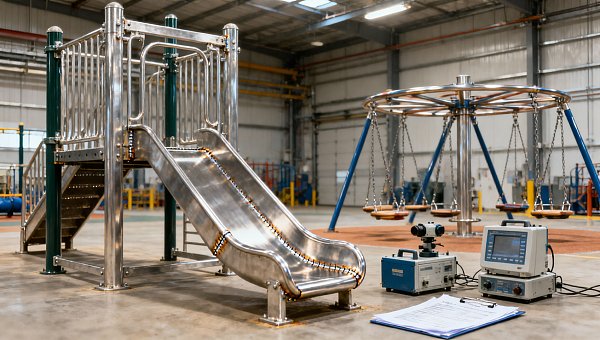
According to the provided information, the new version strengthens requirements in four areas: structural integrity, anti-entrapment design, material migration limits, and digital record traceability. The update directly affects the CE certification path and type-testing cycle for Outdoor Rides exported to the EU.
The same information also confirms that overseas importers are required to complete compliance assessments for existing inventory before March 2027 and must re-engage a notified body for conformity assessment.
Where the Operational Impact Is Likely to Appear First
Export-facing manufacturers may see changes in product verification
From an industry perspective, manufacturers serving the EU market are likely to be affected first because the revised standard changes the compliance basis used for product evaluation. The main impact is likely to appear in design review, technical verification, and preparation for type testing, especially where structural integrity, anti-entrapment features, material-related requirements, and digital records are involved.
Importers need to focus on inventory and reassessment timing
For overseas importers, the effect is more immediate in practical terms. The confirmed requirement to assess existing inventory before March 2027 means import-side teams need to identify which products are still under the previous compliance framework and which may need a new conformity assessment through a notified body.
Certification and documentation workflows may become more time-sensitive
Analysis shows that certification-related service providers and internal compliance teams should pay closer attention to scheduling and document readiness. Because the update directly affects CE certification routes and type-testing cycles, the pressure point may not be limited to testing itself, but also to whether technical files and traceability records are complete and usable for reassessment.
What Companies Should Be Checking Now
Map products against the revised requirement areas
What deserves closer attention is whether current product lines for the EU market involve risk points tied to the four confirmed areas in the new standard: structural integrity, anti-entrapment design, material migration limits, and digital archive traceability. This is a practical screening step rather than a conclusion about non-compliance.
Review existing inventory before the March 2027 deadline
For importers and trading companies, the immediate business issue is not only future shipments but also stock already in circulation or prepared for sale. The provided information specifically points to compliance assessment of existing inventory before March 2027, making inventory classification and document review a near-term priority.
Reconfirm notified body arrangements early
The requirement to re-commission a notified body for conformity assessment suggests that companies should not treat this as a paperwork-only update. Observably, the practical question is whether reassessment capacity, internal coordination, and submission timing can support business continuity without avoidable delays.
Strengthen digital records for traceability
The addition of stronger digital archive traceability requirements means companies should examine how product files, testing records, and compliance documents are stored and retrieved. Analysis shows that this may matter not only for formal assessment, but also for communication between manufacturers, importers, and service partners.
Why This Looks Like More Than a Routine Revision
This section is analysis rather than confirmed fact. It is more appropriate to understand this update as both a short-term compliance change and a longer-term regulatory signal. In the short term, the March 2027 implementation date creates a defined action window for inventory review, conformity reassessment, and certification planning. In the longer term, the emphasis on structural performance, anti-entrapment design, material migration limits, and digital traceability indicates that documentation quality and verifiable design controls are becoming more central in market access decisions.
At the same time, this should still be treated as an area requiring continued observation. The provided information confirms the standard revision and its immediate compliance implications, but practical interpretation in specific product workflows may still depend on how companies, importers, and assessment bodies organize implementation.
How the Industry Should Read This Development
Based on the confirmed information, the release of EN 1176-1:2026 is not just a formal standards update for the playground equipment segment. It has direct implications for Outdoor Rides entering the EU market, especially where certification timing, inventory review, and technical traceability are concerned.
A neutral reading is that the development should currently be understood as an actionable compliance change with broader strategic implications. It does not justify assumptions beyond the provided facts, but it clearly signals that affected businesses should treat 2026 to March 2027 as a preparation period rather than a wait-and-see phase.
Basis of This Article
This article is based on the user-provided news title, event date, and event summary regarding the release of EN 1176-1:2026 by CEN on August 3, 2026 and its mandatory implementation from March 2027.
For this type of industry update, commonly relevant source categories may include official announcements, standardization body documents, industry association releases, company compliance notices, and reporting by authoritative trade media. A specific official source link was not provided in the input, so further verification remains necessary. Continued attention should focus on subsequent official wording, implementation-related guidance, and how conformity assessment practices develop around the revised standard.
Search News
Hot Articles
- Outdoor RidesWhat Drives Animatronic Dinosaur Manufacturer Prices for Theme Park Projects?Sep 18, 2026
- Stationery & UniformsHow to Source Wholesale Packing Tape Without Compromising Carton Seal StrengthSep 17, 2026
- Smart Campus TechHow to Source Educational Furniture Worldwide for Safe, Flexible Learning SpacesSep 16, 2026
Popular Tags
Need ExpertConsultation?
Connect with our specialized leisureengineering team for procurementstrategies.
Recommended News
 Sep 18, 2026What Drives Animatronic Dinosaur Manufacturer Prices for Theme Park Projects?Animatronic dinosaurs manufacturer price guide: compare motion, materials, controls, installation, and lifecycle costs to plan a durable theme park attraction.● Theme Park Strategist
 Sep 06, 2026Do Amusement Ride Safety Compliance Requirements Change Every Year?Do amusement safety compliance requirements change annually? Learn what really changes, from standards and inspections to permits, upgrades, and local approvals.● Theme Park Strategist
 Sep 02, 2026How Long Does It Take to Receive Full Safety Documents From an OEM?How long does it take to get full safety documentation from OEM partners? Discover realistic timelines, common delays, and practical steps to secure compliant files faster.● Theme Park Strategist
 Sep 03, 2026Designing Adventure Park Safety Systems for Zip Lines, Ropes Courses, and Daily InspectionsAdventure park safety systems: learn how to design safer zip lines and ropes courses with daily inspections, defect controls, rescue readiness, and staff training.● Theme Park Strategist
 Aug 22, 2026What to Look for When Choosing Three Seat Jet Skis for Rental or Resort UseThree seat jet skis for rental or resort use should balance stability, safety, maintenance, and guest comfort. Learn how to choose models that boost uptime and guest satisfaction.● Theme Park Strategist
 Aug 17, 2026What Parts Matter Most in a Roller Coaster and How Do They Affect Ride Safety?Roller coaster parts determine ride safety more than most riders realize. Explore how tracks, restraints, brakes, wheels, and control systems work together to protect every ride.● Theme Park Strategist
 Aug 15, 20262026 China Sports Expo Sees 45.74% More Overseas Pre-registered Buyers as POB Expands Procurement Matching2026 China Sports Expo boosts overseas pre-registered buyers by 45.74% as POB expands procurement matching for fitness, outdoor, and venue suppliers.● Theme Park Strategist
 Aug 14, 2026What Should Buyers Check Before Choosing a Flying Chair Ride Exporter?Flying chair ride exporter buyers should check safety, structure, export support, and spare parts before purchase to reduce risk and choose a reliable supplier.● Theme Park Strategist
 Aug 04, 2026EU Issues EN 1176-1:2026 for Playground SafetyEU Issues EN 1176-1:2026 for Playground Safety: learn how the new standard impacts Outdoor Rides, CE certification, inventory checks, and EU compliance before March 2027.● Theme Park Strategist
 Aug 03, 2026CPSC Adopts ASTM F1487-26 for Imported Outdoor RidesOutdoor Rides face a major U.S. compliance shift as CPSC adopts ASTM F1487-26. Learn the new certification, testing, and customs risks before November 1, 2026.● Theme Park Strategist
 Jul 26, 2026Revised EN 1176:2026 Triggers Re-Certification for Outdoor RidesOutdoor Rides face immediate EN 1176:2026 re-certification for new CE applications. Learn how testing, documentation, and EU market access rules now affect exports and delivery plans.● Theme Park Strategist
 Jul 21, 2026CPSC Recall Flags Structural Risk in Outdoor RidesCPSC recall flags structural risk in outdoor rides: learn how ASTM F1487-23 failures affect importers, distributors, and compliance teams across the U.S., Canada, and Australia.● Theme Park Strategist
 Jul 19, 2026How to Choose Outdoor Fitness Equipment for Parks Based on Users, Space, and BudgetOutdoor fitness equipment for parks: learn how to choose the right mix based on users, space, and budget to improve safety, usage, and long-term value.● Theme Park Strategist
 Jul 15, 2026Ocean Freight Spike Pressures Outdoor Rides ExportsOcean Freight Spike Pressures Outdoor Rides Exports as Shanghai-Rotterdam rates surge 42%. See how rising freight costs, delays, and rerouting risks could reshape Europe-bound delivery plans.● Theme Park Strategist
 Jul 14, 2026EN 1176 Revision Takes Effect for Outdoor Ride Weld TestingEN 1176 revision takes effect for outdoor ride weld testing from Sept 1, 2026. Learn ISO 5817 level B, third-party NDT report rules, and key EU compliance steps.● Theme Park Strategist
 Jul 12, 2026Vietnam Requires AI Anti-Collision Systems for Imported Outdoor RidesVietnam Requires AI Anti-Collision Systems for Imported Outdoor Rides from Sept. 15, 2026. Learn compliance rules, VAST certification needs, and how importers can avoid delays.● Theme Park Strategist
 Jul 11, 2026Vietnam Tightens Rules for Imported Outdoor RidesVietnam Tightens Rules for Imported Outdoor Rides: learn how Vietnam’s 2026 compliance update adds AI anti-collision, Vietnamese logs, and local maintenance duties for importers and manufacturers.● Theme Park Strategist
 Jul 09, 2026How to Evaluate a Lazy River Equipment Supplier for Safety, Flow Design, and MaintenanceLazy river equipment supplier selection affects safety, flow design, and maintenance costs. Learn what to compare, what to ask, and how to choose a reliable partner.● Theme Park Strategist
 Jul 08, 2026RCEP Update Cuts ASEAN Tariffs to Zero for Outdoor RidesRCEP update cuts ASEAN tariffs to zero for outdoor rides from China. Learn how FSC-CoC, PEFC traceability, and e-CO compliance affect exports, sourcing, and buyer decisions.● Theme Park Strategist
 Jul 07, 2026RCEP Guide Adds Dual Wood Traceability for Outdoor RidesOutdoor Rides exporters face a new RCEP traceability rule: dual FSC-CoC and PEFC-STS 2023 codes for wood components. See what changes before Oct. 1, 2026.● Theme Park Strategist
 Jul 06, 2026Vietnam Tightens RCEP Rules for Wooden Ride PartsVietnam Tightens RCEP Rules for Wooden Ride Parts: learn how FSC Chain-of-Custody and QR code requirements now affect outdoor rides, RCEP imports, and shipment compliance.● Theme Park Strategist
 Jul 06, 2026How to Evaluate a Bumper Cars on Ice Manufacturer for Safety, Capacity, and ROIBumper cars on ice manufacturer selection starts with safety, capacity, and ROI. Learn how to compare suppliers, reduce risk, and choose a partner built for long-term commercial success.● Theme Park Strategist
 Jul 04, 2026Electric Drift Bumper Cars vs Traditional Bumper Cars: Which Fits Your Venue Better?Electric drift bumper cars or traditional bumper cars? Compare installation, safety, maintenance, guest appeal, and ROI to choose the best fit for your venue.● Theme Park Strategist
 Jul 03, 2026EN 15330-2:2026 Takes Effect for Outdoor RidesEN 15330-2:2026 takes effect for Outdoor Rides in the EU on July 1, 2026. Learn how CE certification and ISO 13849-1 PLd impact market access, customs clearance, and export compliance.● Theme Park Strategist